

Cream of wheat, NFS
Common food

Photo: Wikipedia
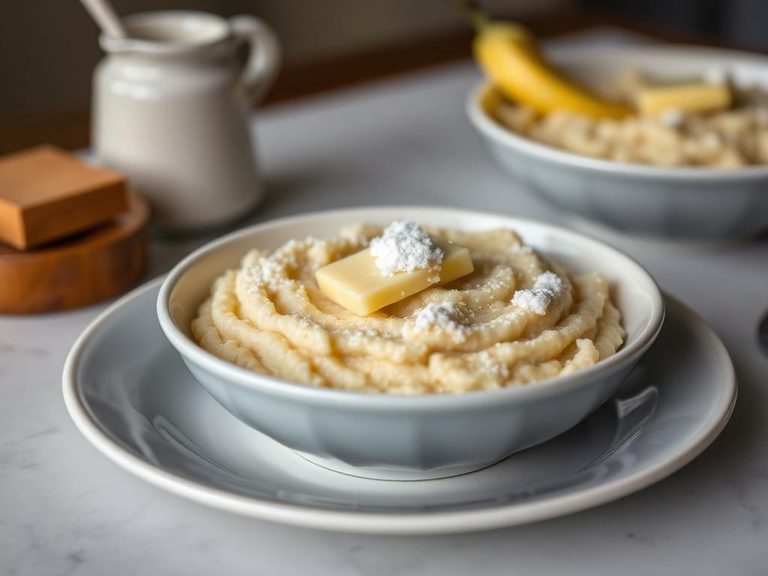
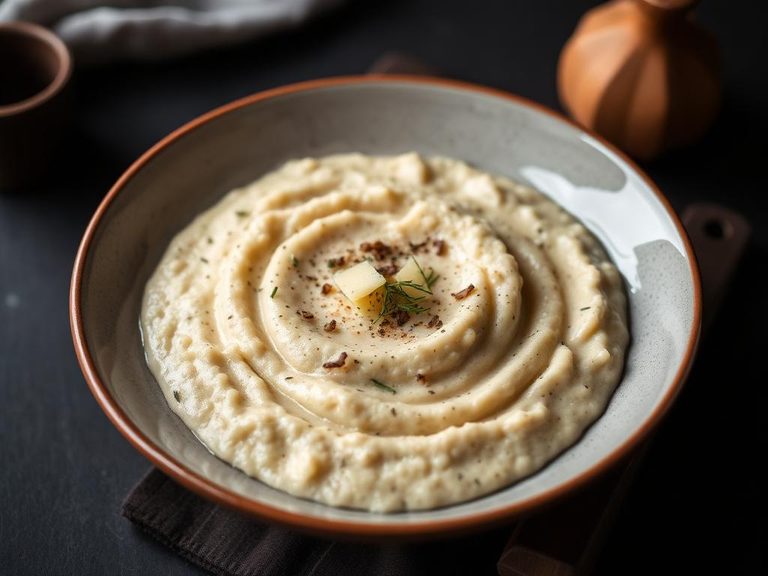
Cream of wheat is a smooth, porridge-like hot cereal made from farina, a refined wheat product with a mild, slightly sweet flavor and a velvety, comforting texture. It's a blank canvas for toppings, offering a light, filling start to the day with a modest 65 kcal per 100g. Its low fat and sugar content make it a simple, energy-efficient base for breakfast or a gentle meal.
Calorie split: 9% protein · 65% carbs · 26% fat
↓ Full nutrition💚 Why it's loved
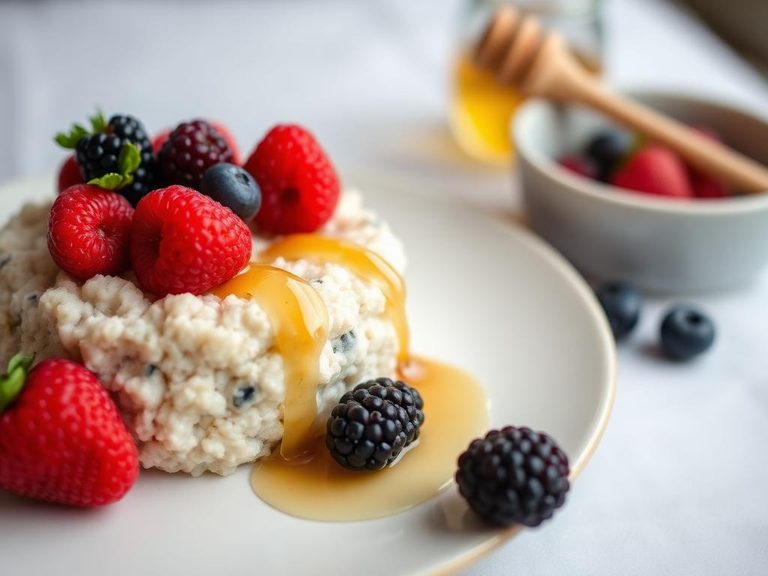
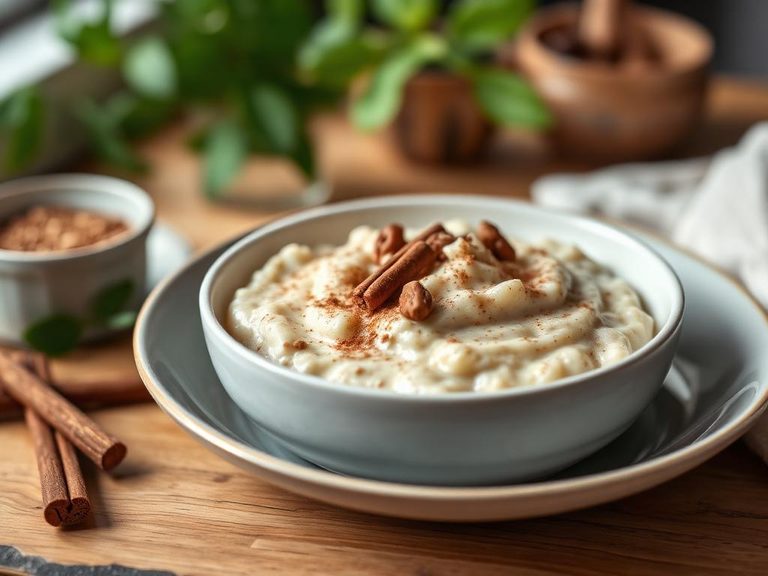
People love it for its creamy, comforting texture and its role as a nostalgic, versatile breakfast staple that can be dressed up with fruit, nuts, or a pat of butter. It's a cultural touchstone in many households, often associated with childhood and simple, warm meals.
⚠️ Watch-outs & how to enjoy it better
Its high glycemic index can cause blood-sugar spikes, and it's a common wheat allergen, making it unsuitable for those with celiac disease or gluten sensitivity. To counteract, pair it with protein (like nuts or yogurt) and healthy fats (like chia seeds or almond butter) to slow digestion, and choose smaller portions if managing blood sugar.
Key benefits
- Quick-cooking and easy to prepare
- Low in fat and sugar
- Good source of energy from carbohydrates
- Mild flavor accepts sweet or savory toppings
- Gentle on the digestive system
🍽️ Popular dishes
🌍 Where it's eaten
💡 Did you know?
Cream of wheat was first produced in 1893 by the farina mill in Grand Forks, North Dakota, and became a staple during the Great Depression for its affordability and filling nature.
Full nutrition (USDA data · scales with serving)
| Water | 86.0 g |
| Energy | 65.0 kcal |
| Protein | 1.4 g |
| Total lipid (fat) | 1.8 g |
| Carbohydrate, by difference | 10.4 g |
| Fiber, total dietary | 0.50 g |
| Total Sugars | 0.04 g |
| Calcium, Ca | 86.0 mg |
| Iron, Fe | 3.7 mg |
| Magnesium, Mg | 5.0 mg |
| Phosphorus, P | 15.0 mg |
| Potassium, K | 16.0 mg |
| Sodium, Na | 83.0 mg |
| Zinc, Zn | 0.13 mg |
| Copper, Cu | 0.04 mg |
| Selenium, Se | 2.7 ug |
| Vitamin C, total ascorbic acid | 0.00 mg |
| Thiamin | 0.05 mg |
| Riboflavin | 0.03 mg |
| Niacin | 0.51 mg |
| Vitamin B-6 | 0.04 mg |
| Folate, total | 12.0 ug |
| Folic acid | 8.0 ug |
| Folate, food | 3.0 ug |
| Folate, DFE | 17.0 ug |
| Choline, total | 3.5 mg |
| Vitamin B-12 | 0.00 ug |
| Vitamin B-12, added | 0.00 ug |
| Vitamin A, RAE | 17.0 ug |
| Retinol | 16.0 ug |
| Carotene, beta | 7.0 ug |
| Carotene, alpha | 0.00 ug |
| Cryptoxanthin, beta | 0.00 ug |
| Lycopene | 0.00 ug |
| Lutein + zeaxanthin | 2.0 ug |
| Vitamin E (alpha-tocopherol) | 0.17 mg |
| Vitamin E, added | 0.00 mg |
| Vitamin D (D2 + D3) | 0.00 ug |
| Vitamin K (phylloquinone) | 1.0 ug |
| Alcohol, ethyl | 0.00 g |
| Caffeine | 0.00 mg |
| Theobromine | 0.00 mg |
Fat & fatty acid profile (per 100g)
| Fatty acids, total saturated | 0.72 g |
| SFA 4:0 | 0.03 g |
| SFA 6:0 | 0.02 g |
| SFA 8:0 | 0.01 g |
| SFA 10:0 | 0.03 g |
| SFA 12:0 | 0.03 g |
| SFA 14:0 | 0.09 g |
| SFA 16:0 | 0.36 g |
| SFA 18:0 | 0.14 g |
| Fatty acids, total monounsaturated | 0.45 g |
| MUFA 16:1 | 0.01 g |
| MUFA 18:1 | 0.42 g |
| MUFA 20:1 | 0.00 g |
| MUFA 22:1 | 0.00 g |
| Fatty acids, total polyunsaturated | 0.36 g |
| PUFA 18:2 | 0.33 g |
| PUFA 18:3 | 0.04 g |
| PUFA 18:4 | 0.00 g |
| PUFA 20:4 | 0.00 g |
| PUFA 20:5 n-3 (EPA) | 0.00 g |
| PUFA 22:5 n-3 (DPA) | 0.00 g |
| PUFA 22:6 n-3 (DHA) | 0.00 g |
| Cholesterol | 3.0 mg |
Amino acid profile (per 100g)
Estimated from Cereals, farina, enriched, assorted brands including CREAM OF WHEAT, quick (1-3 minutes), dry — USDA does not publish this profile for Cream of wheat.
| Tryptophan | 0.11 g |
| Threonine | 0.22 g |
| Isoleucine | 0.42 g |
| Leucine | 0.85 g |
| Lysine | 0.29 g |
| Methionine | 0.18 g |
| Cystine | 0.16 g |
| Phenylalanine | 0.56 g |
| Tyrosine | 0.17 g |
| Valine | 0.52 g |
| Arginine | 0.46 g |
| Histidine | 0.25 g |
| Alanine | 0.37 g |
| Aspartic acid | 0.54 g |
| Glutamic acid | 4.1 g |
| Glycine | 0.46 g |
| Proline | 1.8 g |
| Serine | 0.60 g |
| Hydroxyproline | 0.00 g |
FAQ
Is Cream of wheat gluten-free?
No, it's made from wheat and contains gluten, so it's not suitable for those with celiac disease or gluten intolerance.
How does Cream of wheat differ from oatmeal?
Cream of wheat is made from refined wheat (farina), while oatmeal is made from oats; it has a smoother texture and lower fiber content.
Can Cream of wheat be eaten on a low-carb diet?
It's high in carbs, so it's not ideal for strict low-carb diets, but small portions with protein and fat can fit into a balanced plan.
Nutrient density (calculated · NRF9.3)
Nutrient Rich Foods index: beneficial nutrients (protein, fiber, vitamins, minerals) minus saturated fat, added sugar & sodium, per 100 kcal.
NRF9.3 index — Fulgoni, Keast & Drewnowski, 2009. Computed from USDA nutrients.
Weight-loss friendliness (composite index)
Energy density 0.65 kcal/g · 9% calories from protein · 0.5 g fiber · 0.0 g sugar per 100 g.
Composite of energy density (Rolls et al., 1999), protein & fiber satiety, minus sugar. A calculated heuristic — ranks satiety-per-calorie, not a clinical measure.
Dietary load (calculated from USDA values)
Potential renal acid load. Positive = acid-forming, negative = alkaline-forming.
Sodium-to-potassium ratio: 5.19 (lower is better — aim for ≤ 1)
Sodium:potassium per WHO potassium guidance. Computed from USDA nutrients.