

Crab
Common food

Photo: Wikipedia
Crab is a sweet, delicate crustacean with tender, flaky white meat and a subtly briny flavor reminiscent of the ocean. Its texture is uniquely soft yet firm, offering a satisfying bite that melts in the mouth. Nutritionally, it's a powerhouse of lean protein with virtually no fat or carbohydrates.
Calorie split: 91% protein · 0% carbs · 9% fat
↓ Full nutrition💚 Why it's loved
People love crab for its sweet, clean flavor that feels like a luxurious treat, often associated with special occasions and coastal dining. Its versatility allows it to shine in everything from simple steamed platters to rich, buttery bisques.
⚠️ Watch-outs & how to enjoy it better
Crab is a common shellfish allergen, and those with allergies must avoid it entirely. It is also naturally high in sodium and contains purines, which can be a concern for individuals with gout or certain kidney conditions. To mitigate sodium, pair crab with low-sodium sides and avoid adding extra salt.
Key benefits
- Excellent source of high-quality, complete protein
- Very low in calories and fat
- Rich in selenium, a powerful antioxidant
- Good source of vitamin B12 for nerve health
- Contains zinc, which supports immune function
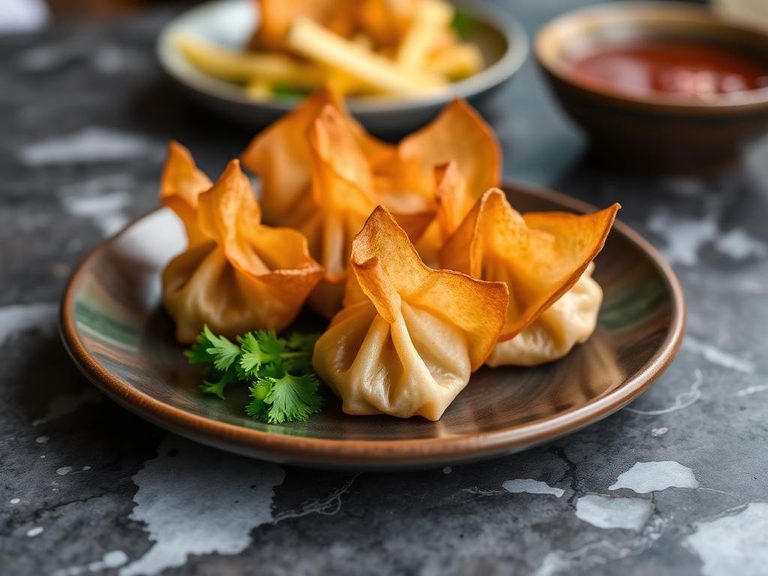
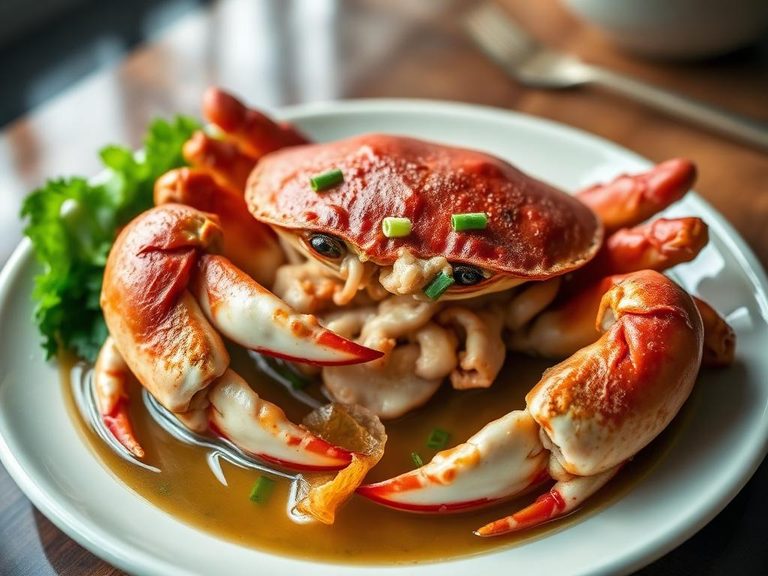
🍽️ Popular dishes
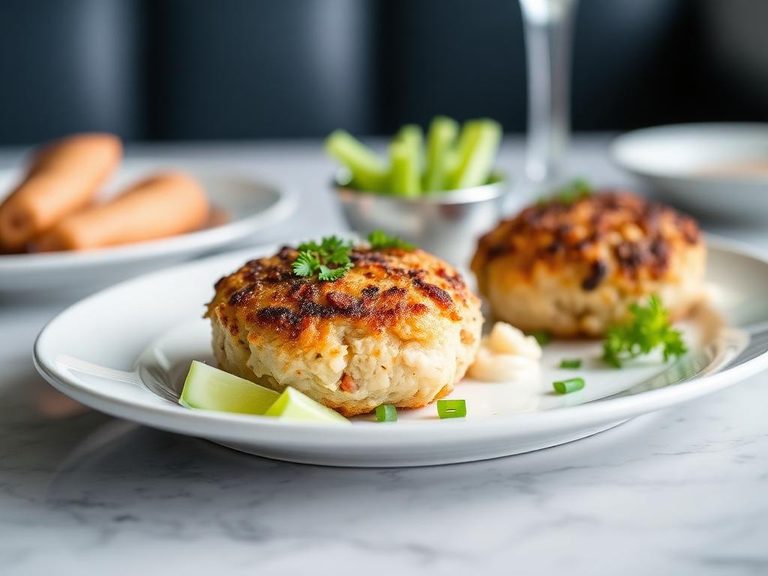
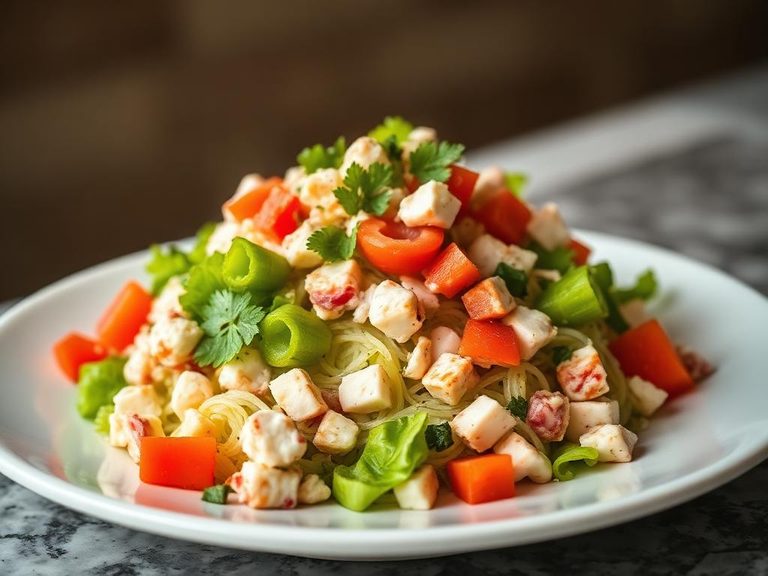
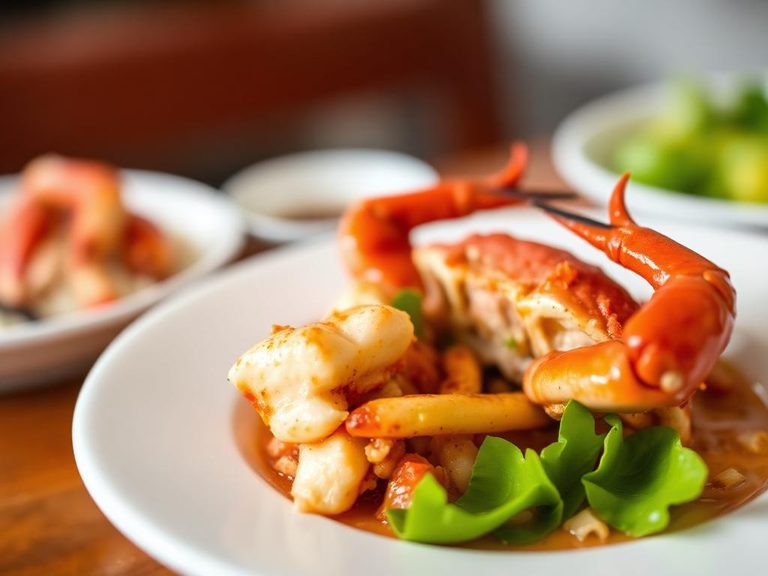
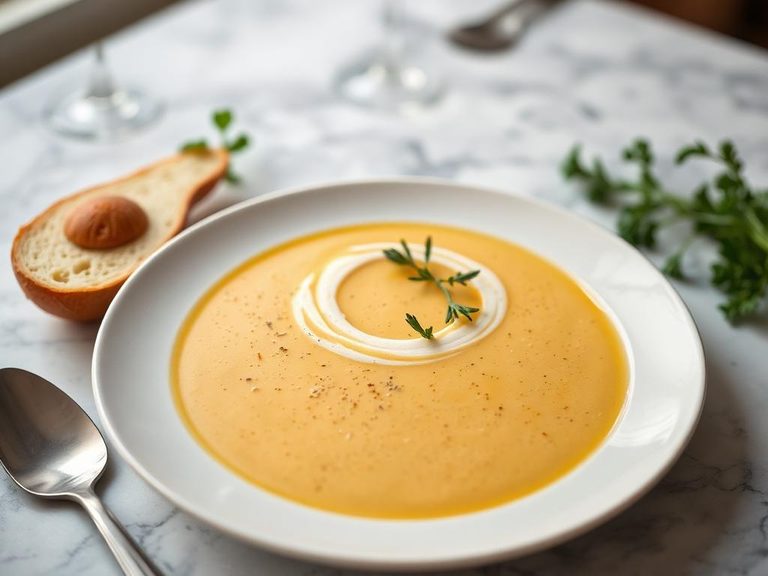
🌍 Where it's eaten
💡 Did you know?
The Japanese spider crab has the largest leg span of any arthropod, reaching up to 12 feet (3.7 meters) from claw to claw.
Full nutrition (USDA data · scales with serving)
| Water | 79.7 g |
| Energy | 83.0 kcal |
| Protein | 17.9 g |
| Total lipid (fat) | 0.74 g |
| Carbohydrate, by difference | 0.00 g |
| Fiber, total dietary | 0.00 g |
| Total Sugars | 0.00 g |
| Calcium, Ca | 91.0 mg |
| Iron, Fe | 0.50 mg |
| Magnesium, Mg | 36.0 mg |
| Phosphorus, P | 234 mg |
| Potassium, K | 259 mg |
| Sodium, Na | 395 mg |
| Zinc, Zn | 3.8 mg |
| Copper, Cu | 0.81 mg |
| Selenium, Se | 42.9 ug |
| Vitamin C, total ascorbic acid | 3.3 mg |
| Thiamin | 0.02 mg |
| Riboflavin | 0.09 mg |
| Niacin | 2.7 mg |
| Vitamin B-6 | 0.16 mg |
| Folate, total | 51.0 ug |
| Folic acid | 0.00 ug |
| Folate, food | 51.0 ug |
| Folate, DFE | 51.0 ug |
| Choline, total | 80.9 mg |
| Vitamin B-12 | 3.3 ug |
| Vitamin B-12, added | 0.00 ug |
| Vitamin A, RAE | 1.0 ug |
| Retinol | 1.0 ug |
| Carotene, beta | 0.00 ug |
| Carotene, alpha | 0.00 ug |
| Cryptoxanthin, beta | 0.00 ug |
| Lycopene | 0.00 ug |
| Lutein + zeaxanthin | 0.00 ug |
| Vitamin E (alpha-tocopherol) | 1.8 mg |
| Vitamin E, added | 0.00 mg |
| Vitamin D (D2 + D3) | 0.00 ug |
| Vitamin K (phylloquinone) | 0.30 ug |
| Alcohol, ethyl | 0.00 g |
| Caffeine | 0.00 mg |
| Theobromine | 0.00 mg |
Fat & fatty acid profile (per 100g)
| Fatty acids, total saturated | 0.20 g |
| SFA 4:0 | 0.00 g |
| SFA 6:0 | 0.00 g |
| SFA 8:0 | 0.00 g |
| SFA 10:0 | 0.00 g |
| SFA 12:0 | 0.00 g |
| SFA 14:0 | 0.01 g |
| SFA 16:0 | 0.10 g |
| SFA 18:0 | 0.07 g |
| Fatty acids, total monounsaturated | 0.13 g |
| MUFA 16:1 | 0.03 g |
| MUFA 18:1 | 0.09 g |
| MUFA 20:1 | 0.01 g |
| MUFA 22:1 | 0.00 g |
| Fatty acids, total polyunsaturated | 0.26 g |
| PUFA 18:2 | 0.02 g |
| PUFA 18:3 | 0.01 g |
| PUFA 18:4 | 0.00 g |
| PUFA 20:4 | 0.04 g |
| PUFA 20:5 n-3 (EPA) | 0.10 g |
| PUFA 22:5 n-3 (DPA) | 0.01 g |
| PUFA 22:6 n-3 (DHA) | 0.07 g |
| Cholesterol | 97.0 mg |
Amino acid profile (per 100g)
Estimated from Crustaceans, crab, blue, crab cakes, home recipe — USDA does not publish this profile for Crab.
| Tryptophan | 0.28 g |
| Threonine | 0.83 g |
| Isoleucine | 1.00 g |
| Leucine | 1.6 g |
| Lysine | 1.7 g |
| Methionine | 0.57 g |
| Cystine | 0.24 g |
| Phenylalanine | 0.87 g |
| Tyrosine | 0.68 g |
| Valine | 0.98 g |
| Arginine | 1.7 g |
| Histidine | 0.41 g |
| Alanine | 1.1 g |
| Aspartic acid | 2.1 g |
| Glutamic acid | 3.4 g |
| Glycine | 1.2 g |
| Proline | 0.68 g |
| Serine | 0.84 g |
FAQ
What's the difference between crab legs and crab meat?
Crab legs are the appendages, which contain long, stringy muscles. 'Crab meat' typically refers to the picked flesh from the body, which is lumpier and more tender. Both are delicious, but body meat is often considered more premium.
Is imitation crab real crab?
No, imitation crab (surimi) is a processed fish paste, usually from pollock, that is flavored and shaped to mimic crab. It has a different texture and nutritional profile, often with added starch and sugar.
How do I pick crab meat cleanly?
Use a small mallet or the back of a spoon to crack the shell. A seafood pick or a straightened paperclip is ideal for extracting meat from the narrow joints and chambers. Start from the wider end and work towards the tip.
Nutrient density (calculated · NRF9.3)
Nutrient Rich Foods index: beneficial nutrients (protein, fiber, vitamins, minerals) minus saturated fat, added sugar & sodium, per 100 kcal.
NRF9.3 index — Fulgoni, Keast & Drewnowski, 2009. Computed from USDA nutrients.
Weight-loss friendliness (composite index)
Energy density 0.83 kcal/g · 86% calories from protein · 0.0 g fiber · 0.0 g sugar per 100 g.
Composite of energy density (Rolls et al., 1999), protein & fiber satiety, minus sugar. A calculated heuristic — ranks satiety-per-calorie, not a clinical measure.
Dietary load (calculated from USDA values)
Potential renal acid load. Positive = acid-forming, negative = alkaline-forming.
Sodium-to-potassium ratio: 1.53 (lower is better — aim for ≤ 1)
Sodium:potassium per WHO potassium guidance. Computed from USDA nutrients.