

Corn, sweet, yellow, frozen, kernels on cob, cooked, boiled, drained, with salt
Whole food · Vegetables and Vegetable Products

Photo: Wikipedia
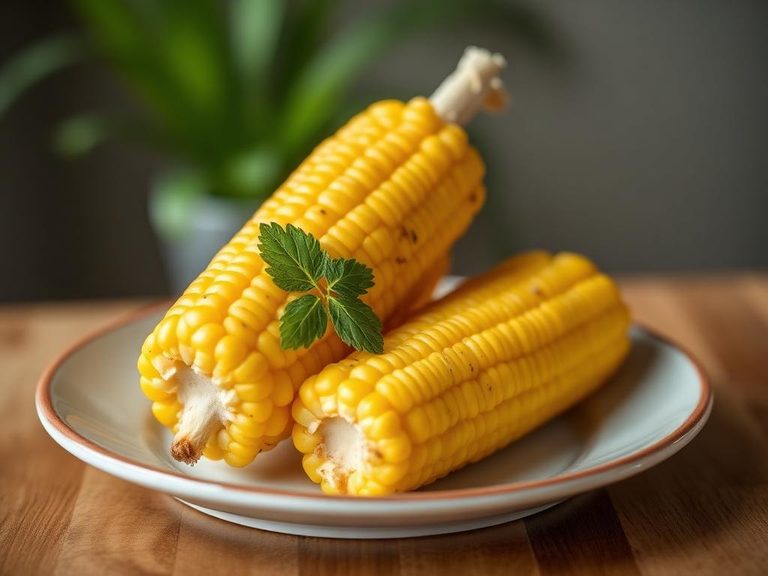
This is the classic, comforting taste of summer captured in a freezer bag: plump, sweet yellow corn kernels, still attached to a portion of the cob, boiled until tender-crisp and lightly salted. Each bite offers a satisfying pop and a burst of bright, starchy sweetness with a clean, savory finish. Nutritionally, it's a low-fat, high-fiber carbohydrate source, delivering a notable 2.8g of fiber per 100g to support digestive health.
Calorie split: 11% protein · 82% carbs · 6% fat
↓ Full nutrition💚 Why it's loved
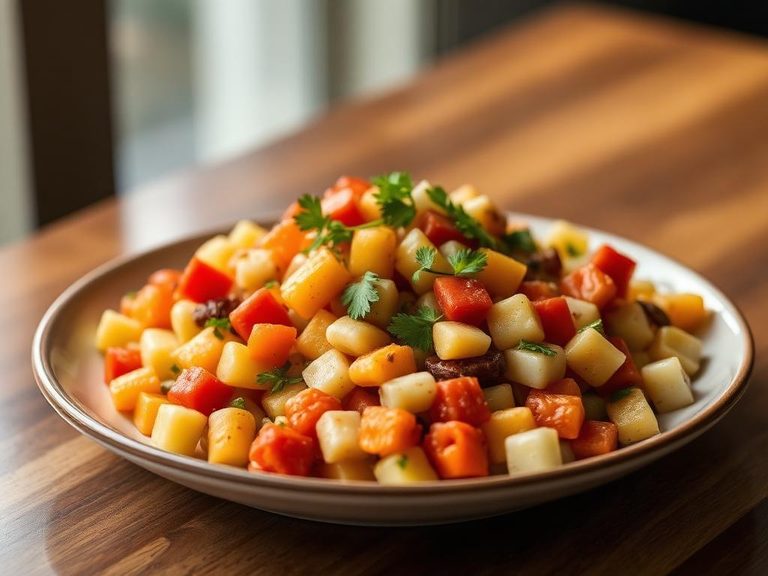
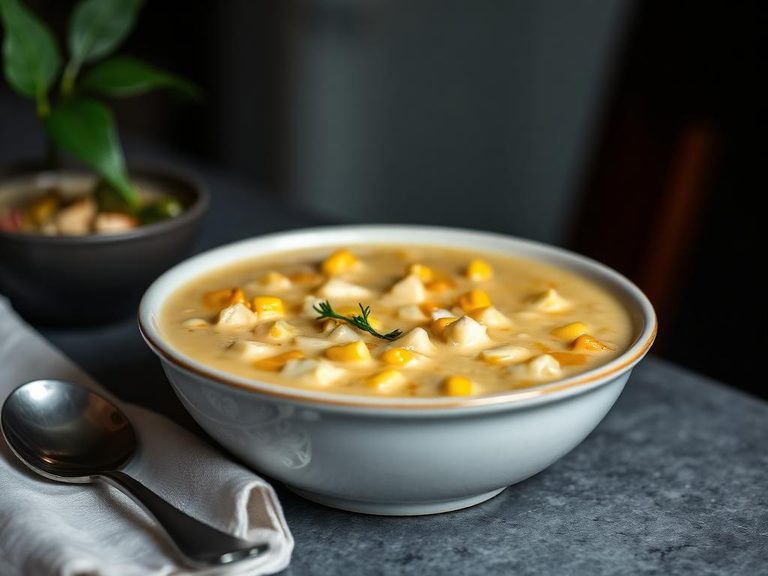
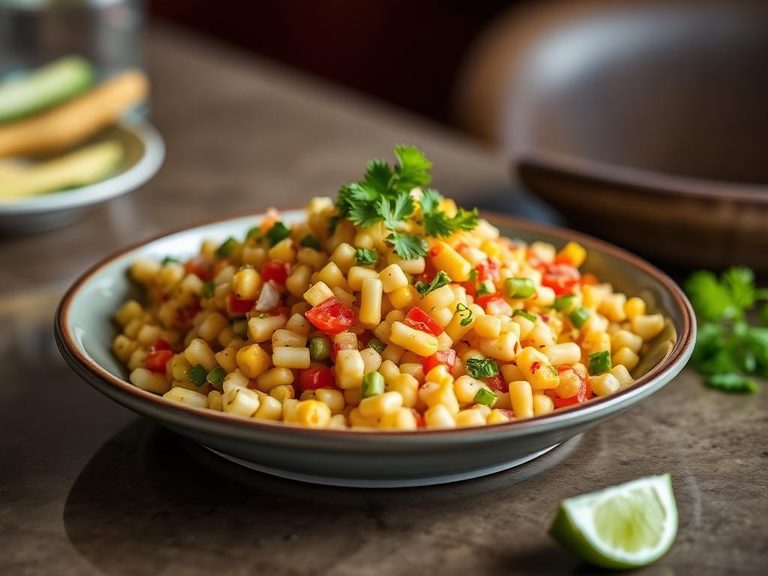
People love it for its nostalgic, straightforward sweetness and the fun, tactile experience of eating corn directly off the cob. It's a versatile side that pairs perfectly with everything from grilled meats to buttery mashed potatoes, evoking summer barbecues and family dinners.
⚠️ Watch-outs & how to enjoy it better
The added salt increases sodium content, which can be a concern for those monitoring blood pressure. As a starchy vegetable, it can cause blood sugar spikes if eaten in large quantities without balancing nutrients. **Tip:** Pair with a source of protein (like grilled chicken) or healthy fat (like avocado) to slow sugar absorption, and be mindful of portion size if you're carb-conscious.
Key benefits
- Excellent source of dietary fiber for gut health.
- Provides a quick, energy-boosting complex carbohydrate.
- Naturally low in fat and a good source of plant-based protein.
- Contains antioxidants like lutein and zeaxanthin for eye health.
- Convenient year-round access to a vegetable staple.
🍽️ Popular dishes

🌍 Where it's eaten
💡 Did you know?
The average ear of corn has about 800 kernels arranged in an even number of rows, typically 16, and each silk thread is connected to a single kernel.
Full nutrition (USDA data · scales with serving)
| Water | 73.2 g |
| Energy | 94.0 kcal |
| Energy | 391 kj |
| Protein | 3.1 g |
| Total lipid (fat) | 0.74 g |
| Ash | 0.62 g |
| Carbohydrate, by difference | 22.3 g |
| Fiber, total dietary | 2.8 g |
| Total Sugars | 3.6 g |
| Sucrose | 2.3 g |
| Glucose | 0.56 g |
| Fructose | 0.53 g |
| Lactose | 0.00 g |
| Maltose | 0.20 g |
| Galactose | 0.00 g |
| Calcium, Ca | 3.0 mg |
| Iron, Fe | 0.61 mg |
| Magnesium, Mg | 29.0 mg |
| Phosphorus, P | 75.0 mg |
| Potassium, K | 251 mg |
| Sodium, Na | 240 mg |
| Zinc, Zn | 0.63 mg |
| Copper, Cu | 0.05 mg |
| Manganese, Mn | 0.14 mg |
| Selenium, Se | 0.70 ug |
| Vitamin C, total ascorbic acid | 4.8 mg |
| Thiamin | 0.17 mg |
| Riboflavin | 0.07 mg |
| Niacin | 1.5 mg |
| Pantothenic acid | 0.25 mg |
| Vitamin B-6 | 0.22 mg |
| Folate, total | 31.0 ug |
| Folic acid | 0.00 ug |
| Folate, food | 31.0 ug |
| Folate, DFE | 31.0 ug |
| Vitamin B-12 | 0.00 ug |
| Vitamin B-12, added | 0.00 ug |
| Vitamin A, RAE | 12.0 ug |
| Retinol | 0.00 ug |
| Carotene, beta | 58.0 ug |
| Carotene, alpha | 20.0 ug |
| Cryptoxanthin, beta | 142 ug |
| Vitamin A, IU | 232 iu |
| Lycopene | 0.00 ug |
| Lutein + zeaxanthin | 852 ug |
| Vitamin E (alpha-tocopherol) | 0.08 mg |
| Vitamin E, added | 0.00 mg |
| Tocopherol, beta | 0.00 mg |
| Tocopherol, gamma | 0.16 mg |
| Tocopherol, delta | 0.00 mg |
| Vitamin D (D2 + D3), International Units | 0.00 iu |
| Vitamin D (D2 + D3) | 0.00 ug |
| Vitamin K (phylloquinone) | 0.40 ug |
Fat & fatty acid profile (per 100g)
| Fatty acids, total saturated | 0.11 g |
| SFA 16:0 | 0.11 g |
| SFA 18:0 | 0.01 g |
| Fatty acids, total monounsaturated | 0.22 g |
| MUFA 18:1 | 0.22 g |
| Fatty acids, total polyunsaturated | 0.35 g |
| PUFA 18:2 | 0.34 g |
| PUFA 18:3 | 0.01 g |
| Fatty acids, total trans | 0.00 g |
| Cholesterol | 0.00 mg |
Amino acid profile (per 100g)
| Tryptophan | 0.02 g |
| Threonine | 0.13 g |
| Isoleucine | 0.13 g |
| Leucine | 0.34 g |
| Lysine | 0.13 g |
| Methionine | 0.07 g |
| Cystine | 0.03 g |
| Phenylalanine | 0.14 g |
| Tyrosine | 0.12 g |
| Valine | 0.18 g |
| Arginine | 0.13 g |
| Histidine | 0.09 g |
| Alanine | 0.28 g |
| Aspartic acid | 0.24 g |
| Glutamic acid | 0.61 g |
| Glycine | 0.12 g |
| Proline | 0.28 g |
| Serine | 0.15 g |
FAQ
Is frozen corn as nutritious as fresh?
Yes, often more so. Corn is typically flash-frozen at peak ripeness, which locks in nutrients like fiber and vitamins better than fresh corn that may travel long distances and sit on shelves.
Why is it 'kernels on cob' instead of loose kernels?
This format is designed to mimic the experience of eating fresh corn on the cob. The cob section holds the kernels together, making it easier to eat directly and providing a more authentic texture and presentation.
How can I reduce the sodium content?
Rinse the cooked corn briefly under cool water before serving to remove some surface salt. You can also cook it without the added salt listed on the package and season lightly yourself at the table.
Nutrient density (calculated · NRF9.3)
Nutrient Rich Foods index: beneficial nutrients (protein, fiber, vitamins, minerals) minus saturated fat, added sugar & sodium, per 100 kcal.
NRF9.3 index — Fulgoni, Keast & Drewnowski, 2009. Computed from USDA nutrients.
Weight-loss friendliness (composite index)
Energy density 0.94 kcal/g · 13% calories from protein · 2.8 g fiber · 3.6 g sugar per 100 g.
Composite of energy density (Rolls et al., 1999), protein & fiber satiety, minus sugar. A calculated heuristic — ranks satiety-per-calorie, not a clinical measure.
Dietary load (calculated from USDA values)
Potential renal acid load. Positive = acid-forming, negative = alkaline-forming.
Sodium-to-potassium ratio: 0.96 (lower is better — aim for ≤ 1)
Sodium:potassium per WHO potassium guidance. Computed from USDA nutrients.