

Corn, frozen, cooked, fat added, NS as to fat type
Common food

Photo: Wikipedia
This is sweet corn kernels that have been frozen at peak freshness, then cooked with a small amount of added fat (like butter or oil) to enhance flavor and texture. The kernels are plump, juicy, and tender-crisp, offering a vibrant pop of natural sweetness. Nutritionally, it's a solid source of energy-providing carbs and fiber, with a modest protein boost.
Calorie split: 9% protein · 66% carbs · 25% fat
↓ Full nutrition💚 Why it's loved
People adore its inherent, sunny sweetness and satisfying, juicy bite that feels like a burst of summer. It's a beloved, versatile staple that can be a simple side, a colorful mix-in, or the star of a hearty dish.
⚠️ Watch-outs & how to enjoy it better
The added fat and natural sugars can contribute to higher calorie counts and may cause blood sugar spikes if eaten in large portions alone. To counteract this, pair it with a lean protein (like grilled chicken or black beans) or a healthy fat (like avocado) to slow digestion, and practice portion control. Also, check labels if monitoring sodium, as some frozen varieties are seasoned.
Key benefits
- Provides quick, sustained energy from complex carbs and fiber.
- Good source of plant-based protein for a vegetable.
- Contains essential minerals like phosphorus and magnesium.
- The added fat helps absorb fat-soluble vitamins like A and E.
- Fiber content supports digestive health.
🍽️ Popular dishes
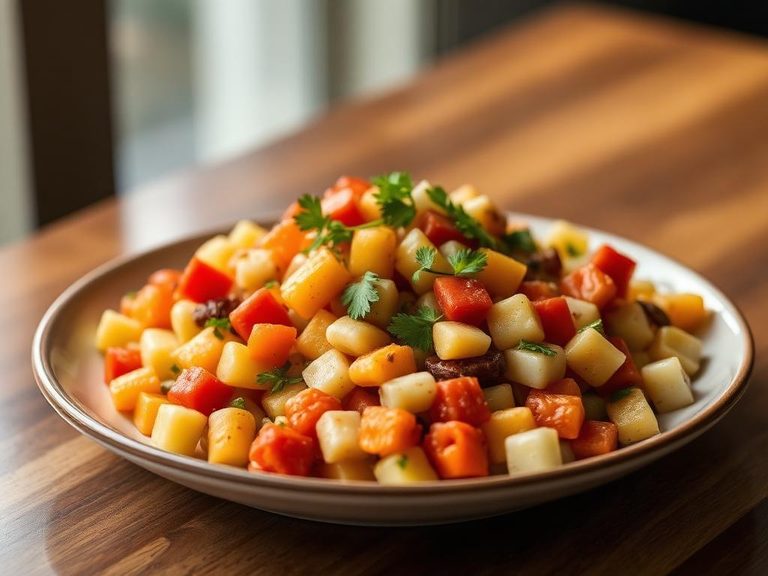
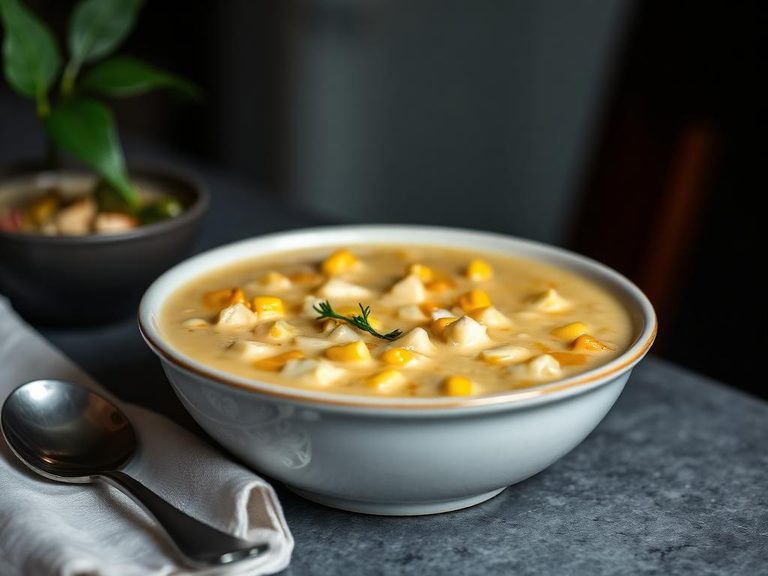
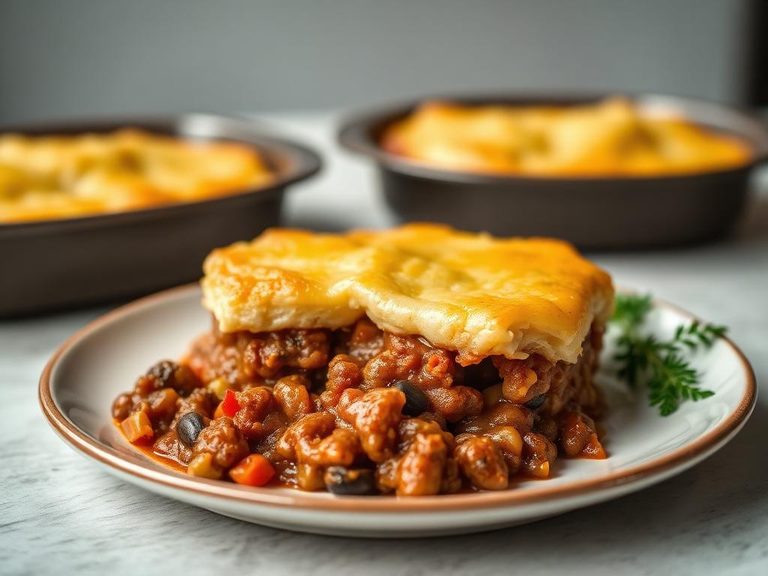
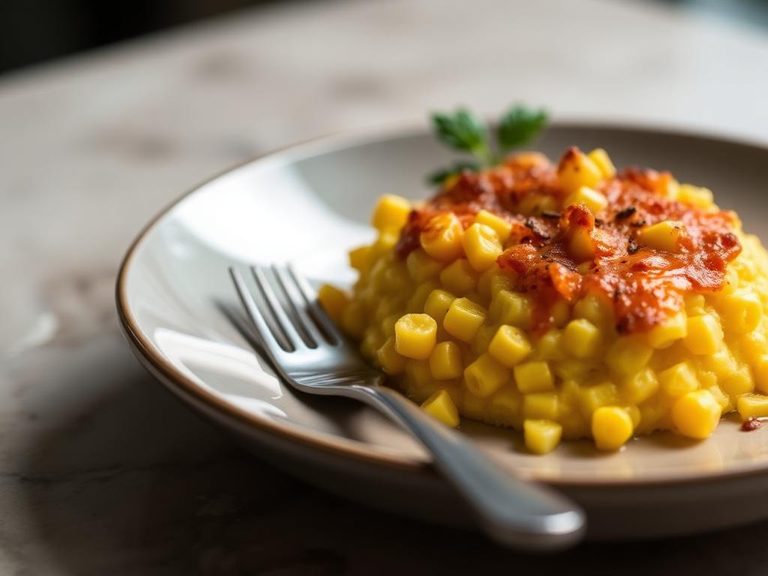
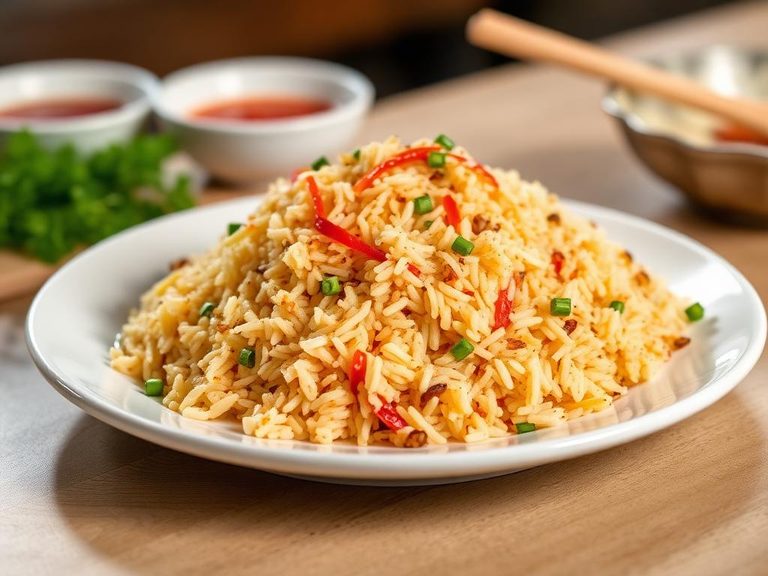
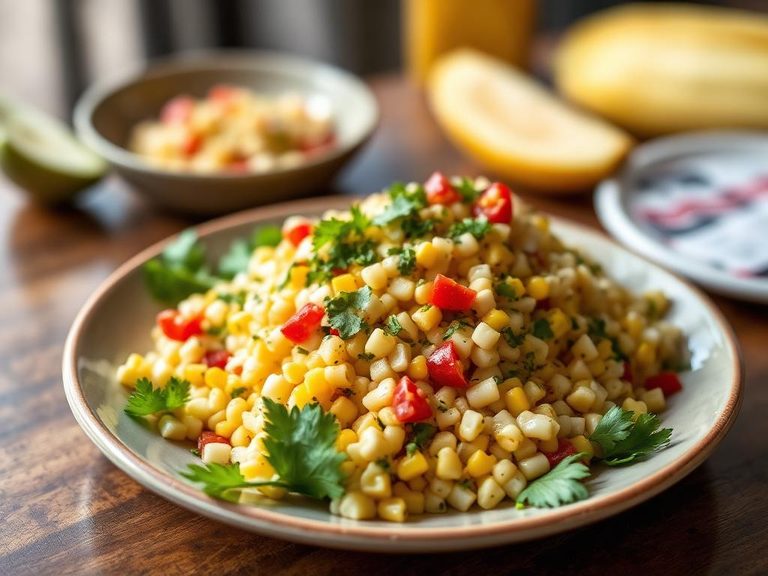
🌍 Where it's eaten
💡 Did you know?
The global frozen food industry was essentially invented by Clarence Birdseye in the 1920s, and his first commercial success was a line of frozen vegetables, with sweet corn being a flagship product.
Full nutrition (USDA data · scales with serving)
| Water | 74.9 g |
| Energy | 101 kcal |
| Protein | 2.5 g |
| Total lipid (fat) | 3.2 g |
| Carbohydrate, by difference | 18.7 g |
| Fiber, total dietary | 2.3 g |
| Total Sugars | 3.0 g |
| Calcium, Ca | 3.0 mg |
| Iron, Fe | 0.46 mg |
| Magnesium, Mg | 27.0 mg |
| Phosphorus, P | 77.0 mg |
| Potassium, K | 226 mg |
| Sodium, Na | 122 mg |
| Zinc, Zn | 0.61 mg |
| Copper, Cu | 0.05 mg |
| Selenium, Se | 0.70 ug |
| Vitamin C, total ascorbic acid | 3.4 mg |
| Thiamin | 0.03 mg |
| Riboflavin | 0.06 mg |
| Niacin | 1.3 mg |
| Vitamin B-6 | 0.11 mg |
| Folate, total | 34.0 ug |
| Folic acid | 0.00 ug |
| Folate, food | 34.0 ug |
| Folate, DFE | 34.0 ug |
| Choline, total | 21.5 mg |
| Vitamin B-12 | 0.00 ug |
| Vitamin B-12, added | 0.00 ug |
| Vitamin A, RAE | 21.0 ug |
| Retinol | 11.0 ug |
| Carotene, beta | 53.0 ug |
| Carotene, alpha | 16.0 ug |
| Cryptoxanthin, beta | 118 ug |
| Lycopene | 0.00 ug |
| Lutein + zeaxanthin | 662 ug |
| Vitamin E (alpha-tocopherol) | 0.45 mg |
| Vitamin E, added | 0.00 mg |
| Vitamin D (D2 + D3) | 0.00 ug |
| Vitamin K (phylloquinone) | 2.4 ug |
| Alcohol, ethyl | 0.00 g |
| Caffeine | 0.00 mg |
| Theobromine | 0.00 mg |
Fat & fatty acid profile (per 100g)
| Fatty acids, total saturated | 0.77 g |
| SFA 4:0 | 0.02 g |
| SFA 6:0 | 0.01 g |
| SFA 8:0 | 0.01 g |
| SFA 10:0 | 0.02 g |
| SFA 12:0 | 0.02 g |
| SFA 14:0 | 0.06 g |
| SFA 16:0 | 0.46 g |
| SFA 18:0 | 0.14 g |
| Fatty acids, total monounsaturated | 1.1 g |
| MUFA 16:1 | 0.01 g |
| MUFA 18:1 | 1.1 g |
| MUFA 20:1 | 0.01 g |
| MUFA 22:1 | 0.00 g |
| Fatty acids, total polyunsaturated | 1.0 g |
| PUFA 18:2 | 0.95 g |
| PUFA 18:3 | 0.09 g |
| PUFA 18:4 | 0.00 g |
| PUFA 20:4 | 0.00 g |
| PUFA 20:5 n-3 (EPA) | 0.00 g |
| PUFA 22:5 n-3 (DPA) | 0.00 g |
| PUFA 22:6 n-3 (DHA) | 0.00 g |
| Cholesterol | 2.0 mg |
Amino acid profile (per 100g)
Estimated from Succotash, (corn and limas), canned, with cream style corn — USDA does not publish this profile for Corn.
| Tryptophan | 0.03 g |
| Threonine | 0.11 g |
| Isoleucine | 0.15 g |
| Leucine | 0.23 g |
| Lysine | 0.15 g |
| Methionine | 0.04 g |
| Cystine | 0.03 g |
| Phenylalanine | 0.13 g |
| Tyrosine | 0.09 g |
| Valine | 0.16 g |
| Arginine | 0.15 g |
| Histidine | 0.08 g |
| Alanine | 0.14 g |
| Aspartic acid | 0.26 g |
| Glutamic acid | 0.40 g |
| Glycine | 0.10 g |
| Proline | 0.10 g |
| Serine | 0.15 g |
FAQ
Is frozen cooked corn as nutritious as fresh?
Often, yes. Frozen corn is typically blanched and flash-frozen shortly after harvest, which locks in nutrients that can degrade in fresh corn during transport and storage. The cooking process and added fat are the main nutritional differences.
What does 'NS as to fat type' mean on the label?
It stands for 'Not Specified as to fat type.' This means a fat (like oil or butter) was added during processing, but the specific type isn't declared on the nutrition panel.
Can I use this directly from the freezer?
Yes, it's pre-cooked. You can thaw it in the refrigerator or microwave, or add it frozen directly to soups, stews, casseroles, or stir-fries where it will heat through quickly.
Nutrient density (calculated · NRF9.3)
Nutrient Rich Foods index: beneficial nutrients (protein, fiber, vitamins, minerals) minus saturated fat, added sugar & sodium, per 100 kcal.
NRF9.3 index — Fulgoni, Keast & Drewnowski, 2009. Computed from USDA nutrients.
Weight-loss friendliness (composite index)
Energy density 1.01 kcal/g · 10% calories from protein · 2.3 g fiber · 3.0 g sugar per 100 g.
Composite of energy density (Rolls et al., 1999), protein & fiber satiety, minus sugar. A calculated heuristic — ranks satiety-per-calorie, not a clinical measure.
Dietary load (calculated from USDA values)
Potential renal acid load. Positive = acid-forming, negative = alkaline-forming.
Sodium-to-potassium ratio: 0.54 (lower is better — aim for ≤ 1)
Sodium:potassium per WHO potassium guidance. Computed from USDA nutrients.