

Corn, canned, cooked, fat added, NS as to fat type
Common food

Photo: Wikipedia
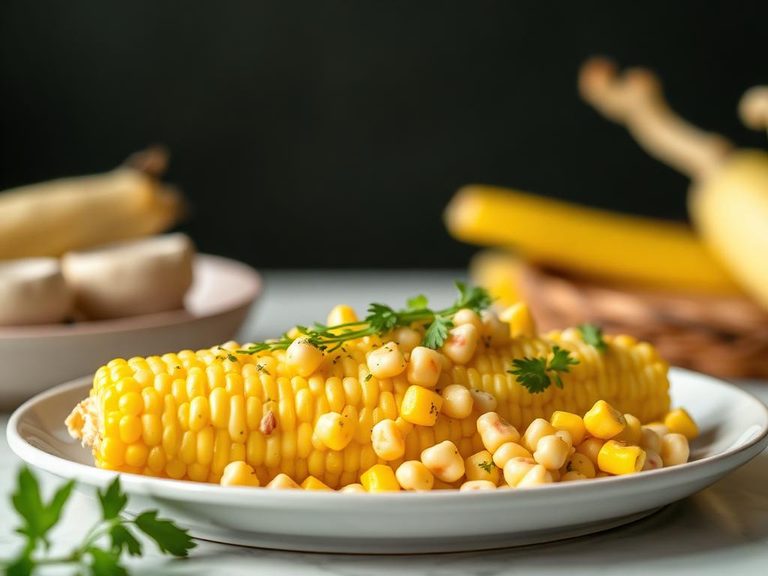
This is sweet corn kernels that have been cooked and canned, with a small amount of fat added for richness and mouthfeel. The kernels are plump, tender, and bursting with a sunny, sweet flavor, with a satisfying pop when you bite into them. Nutritionally, it's a solid source of plant-based fiber and provides a moderate energy boost from its natural sugars and added fats.
Calorie split: 9% protein · 57% carbs · 34% fat
↓ Full nutrition💚 Why it's loved
People adore its inherent sweetness and satisfying texture that adds a burst of flavor and color to any dish. Its incredible versatility makes it a staple in everything from hearty casseroles to fresh salads and salsas.
⚠️ Watch-outs & how to enjoy it better
The added fat and natural sugars can contribute to a higher calorie count than plain corn, which is a consideration for those monitoring intake. The canning process often adds sodium, and the carbohydrates can cause blood-sugar spikes if eaten alone. To counteract this, pair it with a lean protein (like chicken or beans) and a healthy fat (like avocado or olive oil) to slow digestion, and look for 'no salt added' versions or rinse the kernels well.
Key benefits
- Good source of dietary fiber for digestive health.
- Provides essential minerals like phosphorus and magnesium.
- Contains antioxidants like lutein and zeaxanthin for eye health.
- A convenient, shelf-stable source of plant-based protein.
- The added fat can help with the absorption of fat-soluble vitamins.
🍽️ Popular dishes
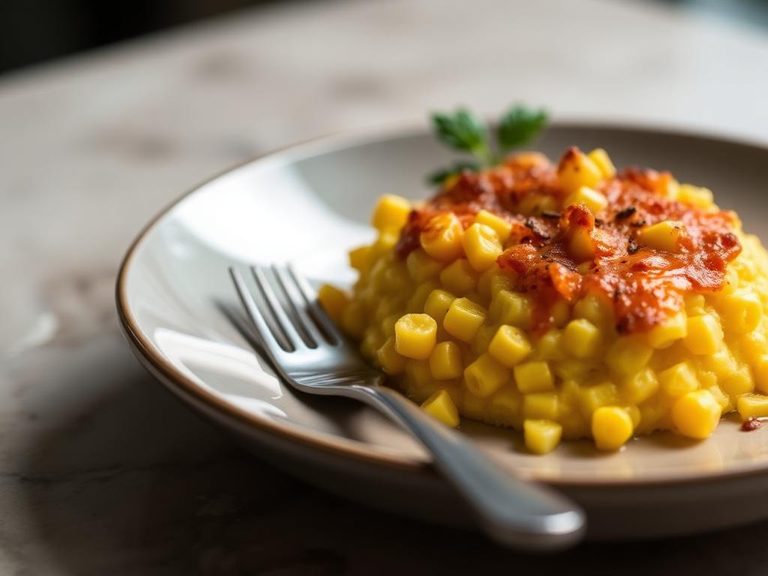
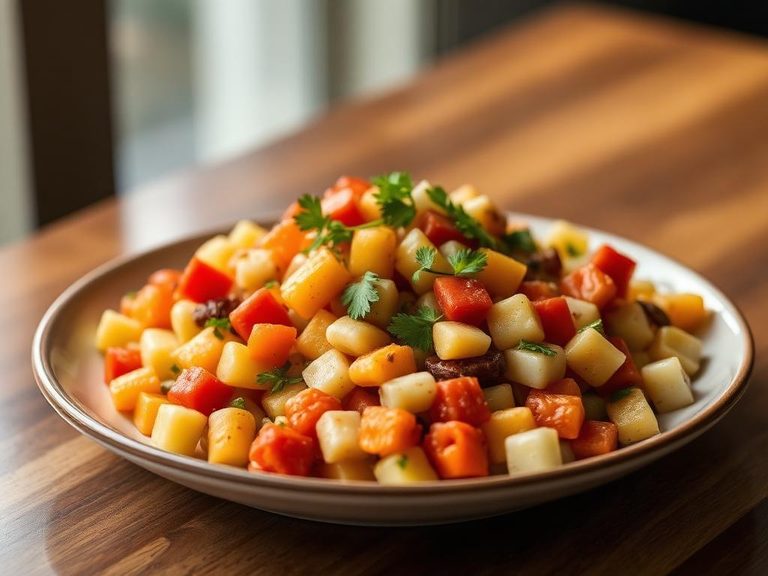
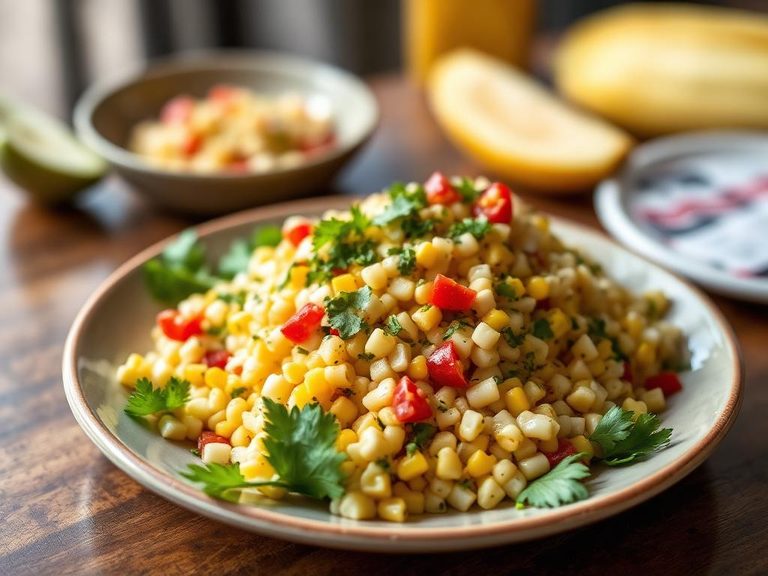
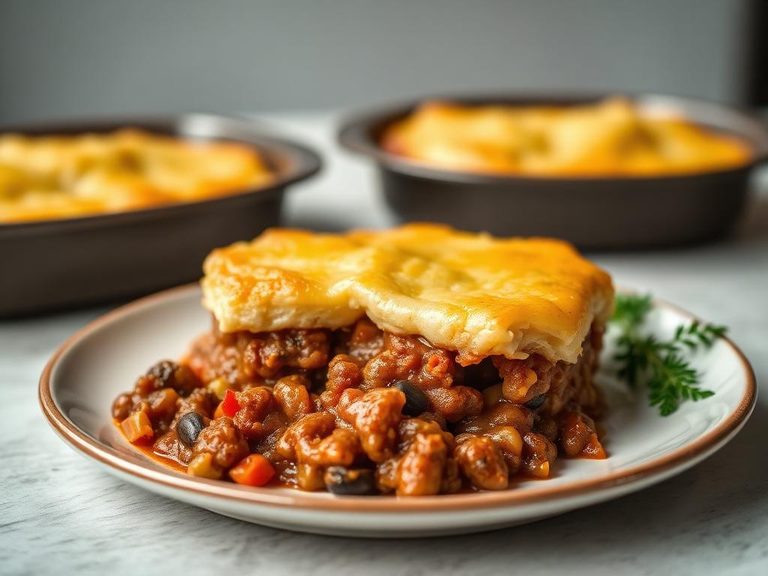

🌍 Where it's eaten
💡 Did you know?
A single ear of corn has an even number of rows, almost always 16, and each silk thread is connected to a single kernel.
Full nutrition (USDA data · scales with serving)
| Water | 79.4 g |
| Energy | 88.0 kcal |
| Protein | 2.2 g |
| Total lipid (fat) | 3.7 g |
| Carbohydrate, by difference | 13.9 g |
| Fiber, total dietary | 1.9 g |
| Total Sugars | 4.3 g |
| Calcium, Ca | 3.0 mg |
| Iron, Fe | 0.26 mg |
| Magnesium, Mg | 13.0 mg |
| Phosphorus, P | 45.0 mg |
| Potassium, K | 129 mg |
| Sodium, Na | 208 mg |
| Zinc, Zn | 0.31 mg |
| Copper, Cu | 0.03 mg |
| Selenium, Se | 0.60 ug |
| Vitamin C, total ascorbic acid | 1.6 mg |
| Thiamin | 0.04 mg |
| Riboflavin | 0.09 mg |
| Niacin | 0.98 mg |
| Vitamin B-6 | 0.05 mg |
| Folate, total | 36.0 ug |
| Folic acid | 0.00 ug |
| Folate, food | 36.0 ug |
| Folate, DFE | 36.0 ug |
| Choline, total | 17.5 mg |
| Vitamin B-12 | 0.00 ug |
| Vitamin B-12, added | 0.00 ug |
| Vitamin A, RAE | 13.0 ug |
| Retinol | 11.0 ug |
| Carotene, beta | 19.0 ug |
| Carotene, alpha | 6.0 ug |
| Cryptoxanthin, beta | 19.0 ug |
| Lycopene | 0.00 ug |
| Lutein + zeaxanthin | 675 ug |
| Vitamin E (alpha-tocopherol) | 0.47 mg |
| Vitamin E, added | 0.00 mg |
| Vitamin D (D2 + D3) | 0.00 ug |
| Vitamin K (phylloquinone) | 2.1 ug |
| Alcohol, ethyl | 0.00 g |
| Caffeine | 0.00 mg |
| Theobromine | 0.00 mg |
Fat & fatty acid profile (per 100g)
| Fatty acids, total saturated | 0.91 g |
| SFA 4:0 | 0.02 g |
| SFA 6:0 | 0.01 g |
| SFA 8:0 | 0.01 g |
| SFA 10:0 | 0.02 g |
| SFA 12:0 | 0.02 g |
| SFA 14:0 | 0.07 g |
| SFA 16:0 | 0.55 g |
| SFA 18:0 | 0.17 g |
| Fatty acids, total monounsaturated | 1.3 g |
| MUFA 16:1 | 0.02 g |
| MUFA 18:1 | 1.2 g |
| MUFA 20:1 | 0.02 g |
| MUFA 22:1 | 0.00 g |
| Fatty acids, total polyunsaturated | 1.2 g |
| PUFA 18:2 | 1.1 g |
| PUFA 18:3 | 0.10 g |
| PUFA 18:4 | 0.00 g |
| PUFA 20:4 | 0.00 g |
| PUFA 20:5 n-3 (EPA) | 0.00 g |
| PUFA 22:5 n-3 (DPA) | 0.00 g |
| PUFA 22:6 n-3 (DHA) | 0.00 g |
| Cholesterol | 2.0 mg |
Amino acid profile (per 100g)
Estimated from Succotash, (corn and limas), canned, with cream style corn — USDA does not publish this profile for Corn.
| Tryptophan | 0.03 g |
| Threonine | 0.11 g |
| Isoleucine | 0.15 g |
| Leucine | 0.23 g |
| Lysine | 0.15 g |
| Methionine | 0.04 g |
| Cystine | 0.03 g |
| Phenylalanine | 0.13 g |
| Tyrosine | 0.09 g |
| Valine | 0.16 g |
| Arginine | 0.15 g |
| Histidine | 0.08 g |
| Alanine | 0.14 g |
| Aspartic acid | 0.26 g |
| Glutamic acid | 0.40 g |
| Glycine | 0.10 g |
| Proline | 0.10 g |
| Serine | 0.15 g |
FAQ
Is canned corn as nutritious as fresh corn?
Yes, it can be. Canning happens at peak ripeness, preserving nutrients like fiber and antioxidants. However, it may have higher sodium and the added fat increases calories compared to plain fresh or frozen corn.
Why is fat added to canned corn?
Fat, often butter or oil, is added to enhance flavor, improve mouthfeel, and help the kernels retain a more appealing, glossy appearance.
How can I reduce the sodium in canned corn?
Simply place the corn in a colander and rinse it thoroughly under cool running water for a minute. This can remove a significant portion of the surface sodium.
Nutrient density (calculated · NRF9.3)
Nutrient Rich Foods index: beneficial nutrients (protein, fiber, vitamins, minerals) minus saturated fat, added sugar & sodium, per 100 kcal.
NRF9.3 index — Fulgoni, Keast & Drewnowski, 2009. Computed from USDA nutrients.
Weight-loss friendliness (composite index)
Energy density 0.88 kcal/g · 10% calories from protein · 1.9 g fiber · 4.3 g sugar per 100 g.
Composite of energy density (Rolls et al., 1999), protein & fiber satiety, minus sugar. A calculated heuristic — ranks satiety-per-calorie, not a clinical measure.
Dietary load (calculated from USDA values)
Potential renal acid load. Positive = acid-forming, negative = alkaline-forming.
Sodium-to-potassium ratio: 1.61 (lower is better — aim for ≤ 1)
Sodium:potassium per WHO potassium guidance. Computed from USDA nutrients.