

Cookies, Marie biscuit
Whole food · Baked Products

Photo: Wikipedia
Marie biscuits are thin, round, crisp, and lightly sweetened tea biscuits with a delicate, crumbly texture and a subtle, buttery flavor. They are a staple pantry item, often enjoyed with tea or coffee, and are known for their light, airy bite. Nutritionally, they are a significant source of carbohydrates (70.54g per 100g) with a moderate amount of sugar (21.16g), making them a quick energy source.
Calorie split: 7% protein · 70% carbs · 23% fat
↓ Full nutrition💚 Why it's loved
People love Marie biscuits for their mild, versatile sweetness and satisfying crunch, making them a perfect companion for a hot beverage. Their neutral flavor and crisp texture also make them a beloved ingredient in classic desserts like cheesecake bases and icebox cakes, especially in British, Indian, and South African cuisines.
⚠️ Watch-outs & how to enjoy it better
The high carbohydrate and sugar content can lead to blood-sugar spikes, making them less ideal for those managing diabetes or seeking sustained energy. To counteract this, pair them with a source of protein or healthy fat (like peanut butter, cheese, or nuts) to slow digestion, and practice portion control by sticking to a single serving (about 2-3 biscuits).
Key benefits
- Quick source of energy from carbohydrates
- Light and easy to digest, suitable for a simple snack
- Low in fat (10.58g per 100g) compared to richer biscuits
- Provides some dietary fiber (3.5g per 100g)
- Often used as a base for no-bake desserts and crusts
🍽️ Popular dishes
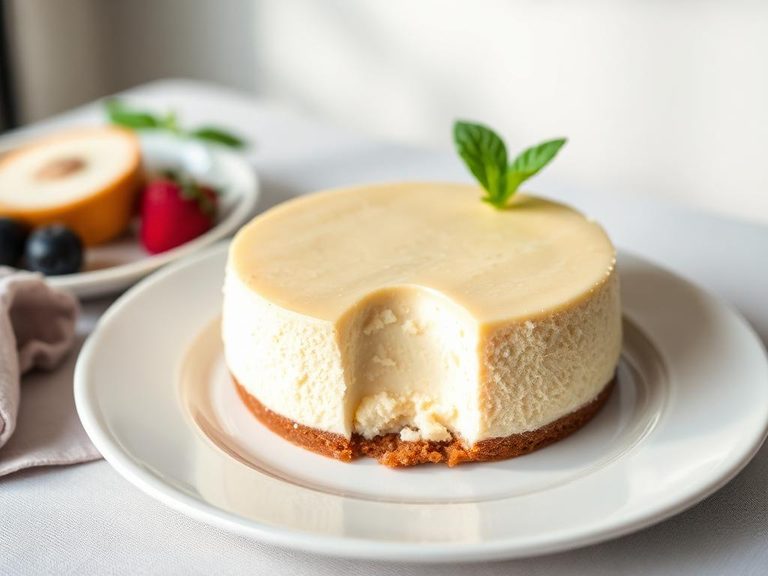
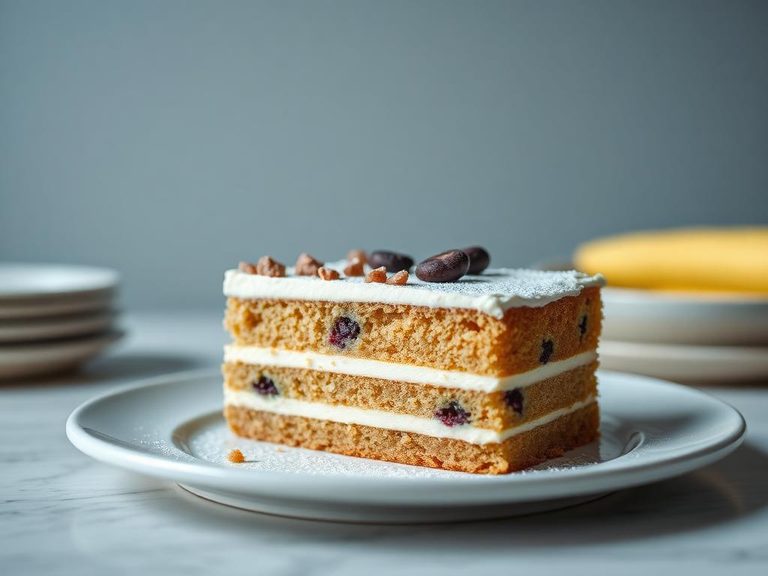
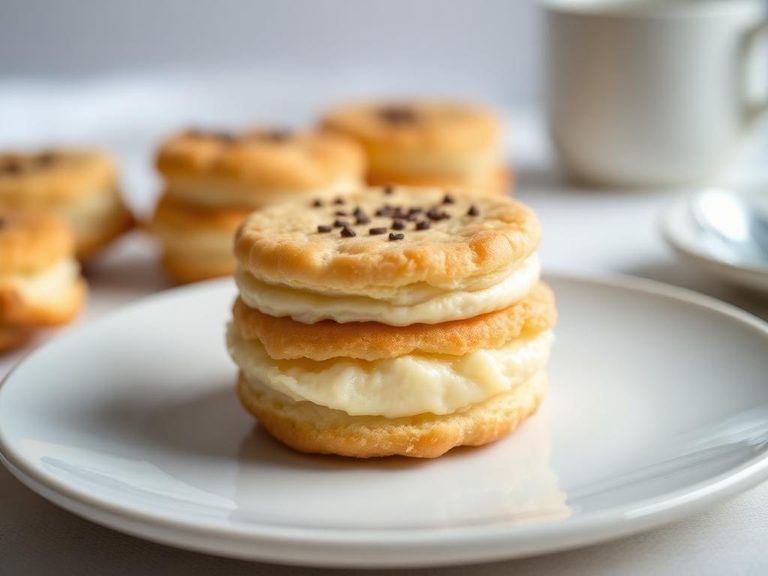
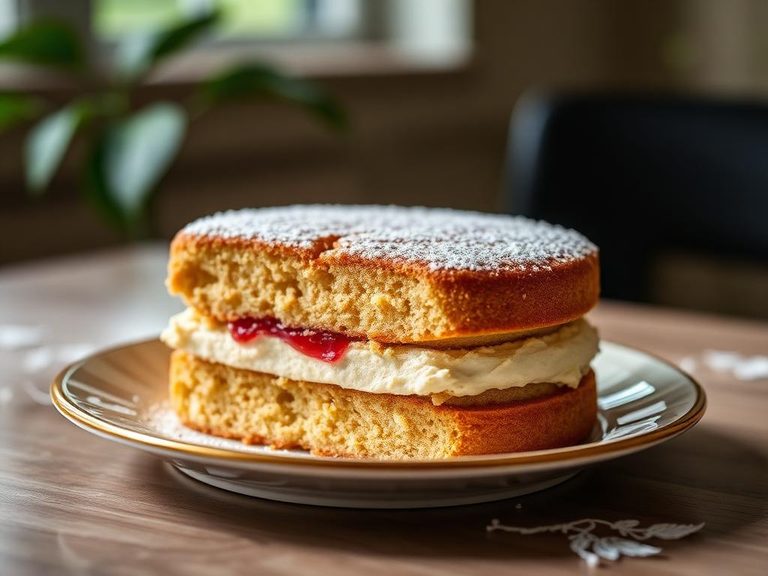
🌍 Where it's eaten
💡 Did you know?
The Marie biscuit was created in 1874 by the London bakery Carr's to honor the marriage of Archduchess Marie of Austria to Tsar Alexander II of Russia.
Full nutrition (USDA data · scales with serving)
| Water | 9.8 g |
| Energy | 406 kcal |
| Energy | 1697 kj |
| Protein | 7.0 g |
| Total lipid (fat) | 10.6 g |
| Ash | 2.0 g |
| Carbohydrate, by difference | 70.5 g |
| Fiber, total dietary | 3.5 g |
| Total Sugars | 21.2 g |
| Calcium, Ca | 0.00 mg |
| Iron, Fe | 0.00 mg |
| Magnesium, Mg | 28.0 mg |
| Phosphorus, P | 193 mg |
| Potassium, K | 307 mg |
| Sodium, Na | 370 mg |
| Zinc, Zn | 0.61 mg |
| Copper, Cu | 0.10 mg |
| Selenium, Se | 23.9 ug |
| Vitamin C, total ascorbic acid | 0.00 mg |
| Thiamin | 0.54 mg |
| Riboflavin | 0.49 mg |
| Niacin | 3.9 mg |
| Vitamin B-6 | 0.07 mg |
| Folate, total | 118 ug |
| Folic acid | 98.0 ug |
| Folate, food | 20.0 ug |
| Folate, DFE | 186 ug |
| Choline, total | 27.0 mg |
| Vitamin B-12 | 0.19 ug |
| Vitamin B-12, added | 0.00 ug |
| Vitamin A, RAE | 1.0 ug |
| Retinol | 1.0 ug |
| Carotene, beta | 0.00 ug |
| Carotene, alpha | 0.00 ug |
| Cryptoxanthin, beta | 0.00 ug |
| Vitamin A, IU | 3.0 iu |
| Lycopene | 0.00 ug |
| Lutein + zeaxanthin | 12.0 ug |
| Vitamin E (alpha-tocopherol) | 0.45 mg |
| Vitamin E, added | 0.00 mg |
| Vitamin D (D2 + D3), International Units | 0.00 iu |
| Vitamin D (D2 + D3) | 0.00 ug |
| Vitamin K (phylloquinone) | 3.8 ug |
| Alcohol, ethyl | 0.00 g |
| Caffeine | 0.00 mg |
| Theobromine | 0.00 mg |
Fat & fatty acid profile (per 100g)
| Fatty acids, total saturated | 5.3 g |
| SFA 4:0 | 0.00 g |
| SFA 6:0 | 0.01 g |
| SFA 8:0 | 0.21 g |
| SFA 10:0 | 0.23 g |
| SFA 12:0 | 2.9 g |
| SFA 14:0 | 1.0 g |
| SFA 16:0 | 0.65 g |
| SFA 18:0 | 0.20 g |
| Fatty acids, total monounsaturated | 2.7 g |
| MUFA 16:1 | 0.01 g |
| MUFA 18:1 | 2.7 g |
| MUFA 20:1 | 0.00 g |
| MUFA 22:1 | 0.00 g |
| Fatty acids, total polyunsaturated | 1.7 g |
| PUFA 18:2 | 1.6 g |
| PUFA 18:3 | 0.12 g |
| PUFA 18:4 | 0.00 g |
| PUFA 20:4 | 0.00 g |
| PUFA 20:5 n-3 (EPA) | 0.00 g |
| PUFA 22:5 n-3 (DPA) | 0.00 g |
| PUFA 22:6 n-3 (DHA) | 0.00 g |
| Fatty acids, total trans | 0.00 g |
| Cholesterol | 0.00 mg |
Amino acid profile (per 100g)
Estimated from Cookies, animal crackers (includes arrowroot, tea biscuits) — USDA does not publish this profile for Cookies.
| Tryptophan | 0.10 g |
| Threonine | 0.19 g |
| Isoleucine | 0.26 g |
| Leucine | 0.47 g |
| Lysine | 0.24 g |
| Methionine | 0.12 g |
| Cystine | 0.15 g |
| Phenylalanine | 0.32 g |
| Tyrosine | 0.20 g |
| Valine | 0.30 g |
| Arginine | 0.26 g |
| Histidine | 0.14 g |
| Alanine | 0.21 g |
| Aspartic acid | 0.29 g |
| Glutamic acid | 2.3 g |
| Glycine | 0.23 g |
| Proline | 0.76 g |
| Serine | 0.36 g |
FAQ
Are Marie biscuits healthy?
Marie biscuits are a source of quick energy but are high in carbohydrates and sugar. They can be part of a balanced diet in moderation, especially when paired with protein or fat to stabilize blood sugar.
What are Marie biscuits used for?
They are commonly eaten as a snack with tea or coffee, and are widely used in desserts like cheesecake bases, biscuit puddings, and no-bake cakes due to their crisp texture and mild flavor.
Do Marie biscuits contain gluten?
Yes, traditional Marie biscuits are made with wheat flour and contain gluten. They are not suitable for those with celiac disease or gluten intolerance unless a gluten-free version is specified.
Nutrient density (calculated · NRF9.3)
Nutrient Rich Foods index: beneficial nutrients (protein, fiber, vitamins, minerals) minus saturated fat, added sugar & sodium, per 100 kcal.
NRF9.3 index — Fulgoni, Keast & Drewnowski, 2009. Computed from USDA nutrients.
Weight-loss friendliness (composite index)
Energy density 4.06 kcal/g · 7% calories from protein · 3.5 g fiber · 21.2 g sugar per 100 g.
Composite of energy density (Rolls et al., 1999), protein & fiber satiety, minus sugar. A calculated heuristic — ranks satiety-per-calorie, not a clinical measure.
Dietary load (calculated from USDA values)
Potential renal acid load. Positive = acid-forming, negative = alkaline-forming.
Sodium-to-potassium ratio: 1.21 (lower is better — aim for ≤ 1)
Sodium:potassium per WHO potassium guidance. Computed from USDA nutrients.