

Biscuit pudding
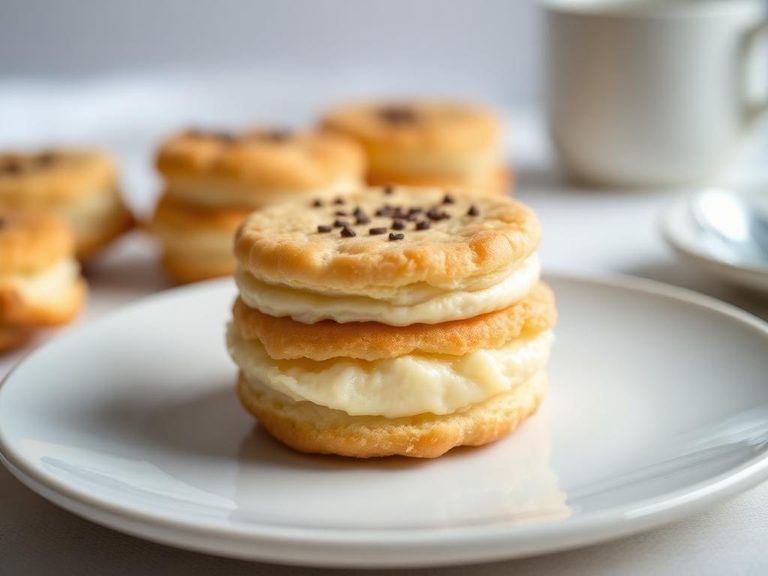
Biscuit pudding is a comforting, no-bake dessert made by layering or mixing biscuits (often simple tea biscuits or ladyfingers) with a creamy, sweetened milk or custard mixture. It's a popular home-style treat in many regions, including the UK, India, and parts of Africa, often enhanced with fruits, nuts, or chocolate. The dish is celebrated for its simplicity and ability to transform humble ingredients into a satisfying dessert.
🍽️ Nutrition at a glance
This dessert is typically high in carbohydrates and fat due to the biscuits and creamy base, with a moderate amount of protein from the dairy. A standard serving can range from 300 to 500 calories, providing quick energy but limited essential vitamins or minerals.
Nutrition breakdown
| Calories | 350 kcal |
| Protein | 6 g |
| Carbs | 50 g |
| Fat | 14 g |
| Fiber | 1 g |
| Sugar | 30 g |
| Sodium | 280 mg |
| Calcium | 120 mg |
| Iron | 2.5 mg |
| Potassium | 200 mg |
| Vitamin A | 150 mcg |
| Vitamin D | 1.5 mcg |
| Phosphorus | 150 mg |
| Magnesium | 25 mg |
| Zinc | 1.0 mg |
Per 1 cup (240 g) · estimated, varies by recipe
💡 What's interesting
Biscuit pudding is a classic example of 'pantry cooking,' where inexpensive, shelf-stable ingredients are creatively repurposed into a comforting dish. Nutritionally, it serves as a calorie-dense energy source, making it a practical treat in settings where refrigeration or fresh ingredients might be limited.
🍽️ Related dishes



AI estimate may be inaccurate · Terms