

Cheesecake Base
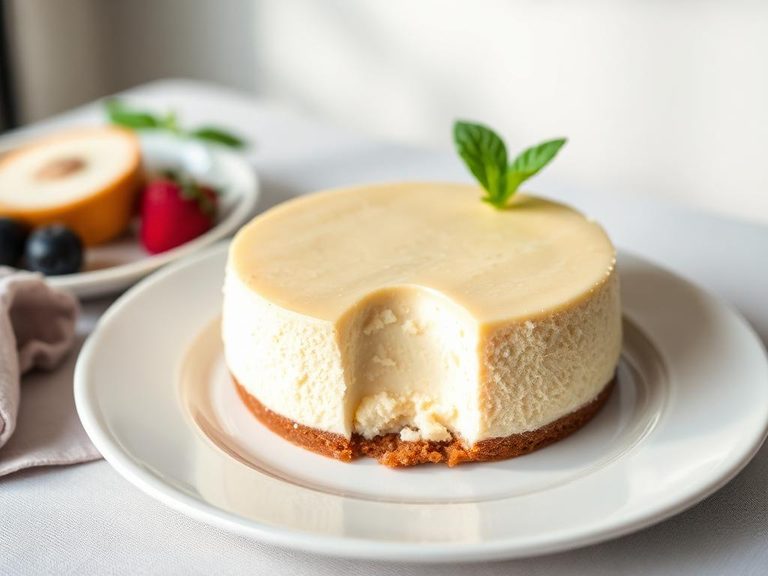
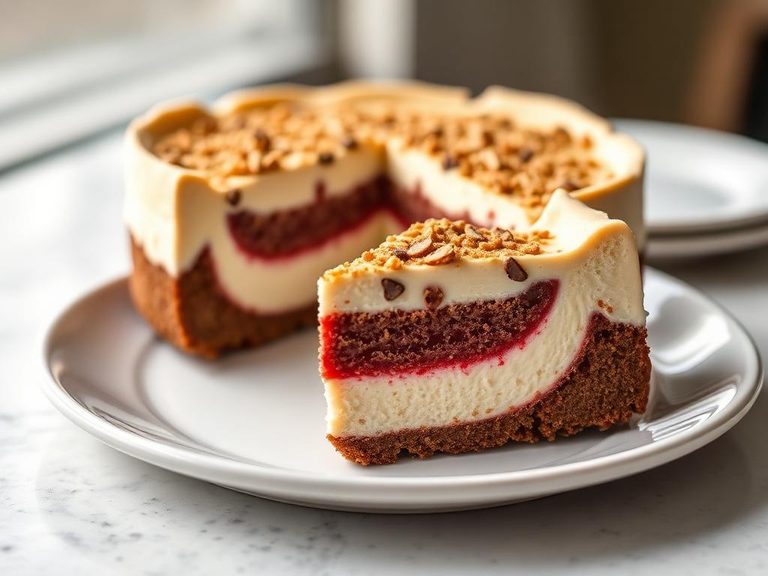
A cheesecake base is the foundational crust for a cheesecake, typically made from crushed biscuits or graham crackers mixed with melted butter and sometimes sugar. It originates from the United States, where it became a standard component of the classic New York-style cheesecake. The base is pressed into a pan and often pre-baked to create a sturdy, crumbly layer that contrasts with the creamy filling.
🍳 View the full Cheesecake Base recipe →
🍽️ Nutrition at a glance
This crust is high in carbohydrates and fat, primarily from the butter and any added sugar, with minimal protein. A typical serving (about 1/8 of a 9-inch base) provides roughly 150-200 calories, along with small amounts of calcium and iron from the biscuits.
Nutrition breakdown
| Calories | 401 kcal |
| Protein | 5.5 g |
| Carbs | 32 g |
| Fat | 28 g |
| Fiber | 0.5 g |
| Sugar | 22 g |
| Sodium | 330 mg |
| Calcium | 110 mg |
| Phosphorus | 100 mg |
| Vitamin A | 350 IU |
| Vitamin B12 | 0.3 µg |
| Riboflavin (B2) | 0.15 mg |
| Selenium | 6 µg |
| Zinc | 0.7 mg |
| Cholesterol | 75 mg |
Per 1 slice (113 g) · estimated, varies by recipe
💡 What's interesting
Culturally, the cheesecake base is a symbol of American dessert innovation, transforming a simple crumb mixture into an essential part of a beloved treat. Nutritionally, it’s unique because it’s often the least healthy part of a cheesecake, yet its textural contrast is what makes the dessert so satisfying.
🍽️ Related dishes
AI estimate may be inaccurate · Terms