

Coconut oil
Common food

Photo: Wikipedia
Coconut oil is a plant-based fat extracted from the meat of mature coconuts, solid at room temperature and melting into a clear liquid when warmed. It has a mild, sweet, nutty aroma and a smooth, rich mouthfeel. Nutritionally, it is almost pure fat, providing 895 kcal per 100g, with a notable proportion of saturated fatty acids.
Calorie split: 0% protein · 0% carbs · 100% fat
↓ Full nutrition💚 Why it's loved
People love it for its subtle, tropical sweetness that enhances both sweet and savory dishes, and its versatility as a cooking fat, baking substitute, and ingredient in no-bake treats. It's deeply embedded in the culinary traditions of many tropical regions.
⚠️ Watch-outs & how to enjoy it better
Due to its high saturated fat content, excessive consumption may impact cholesterol levels for some individuals. It is also very calorie-dense, so portion control is key. To use it healthily, treat it as you would any added fat—measure it, and balance it within a diet rich in whole foods, proteins, and fiber.
Key benefits
- High in medium-chain triglycerides (MCTs) like lauric acid, which are metabolized differently than long-chain fats.
- Provides a quick, dense source of energy for the body.
- Contains antioxidants like polyphenols, especially in virgin varieties.
- Has a high smoke point (around 177°C/350°F for refined), making it suitable for sautéing and baking.
- Traditionally used in tropical cultures for skin and hair care.
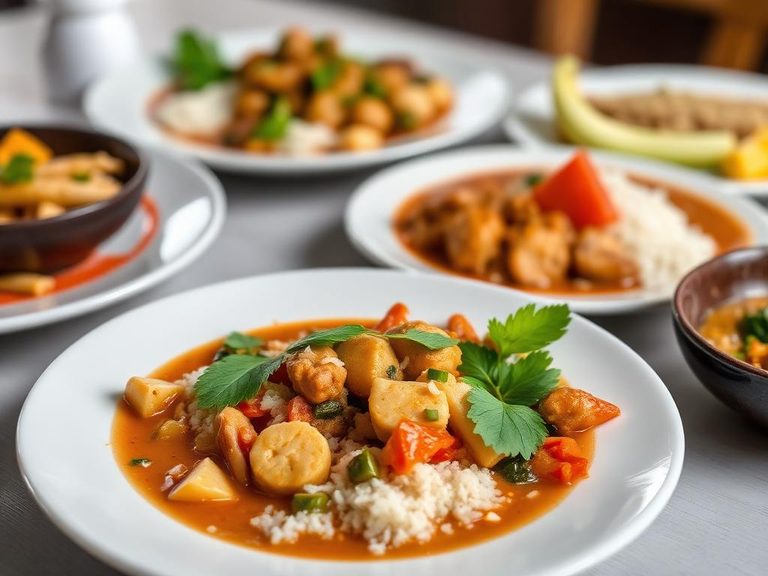
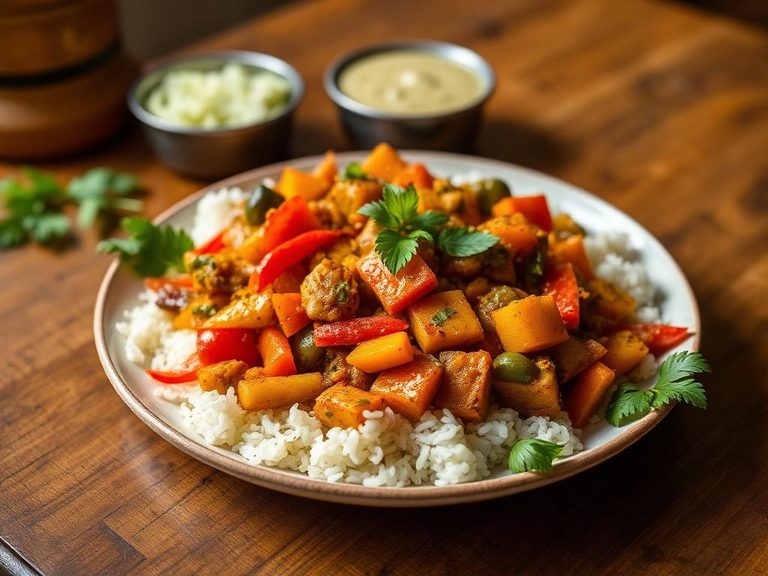
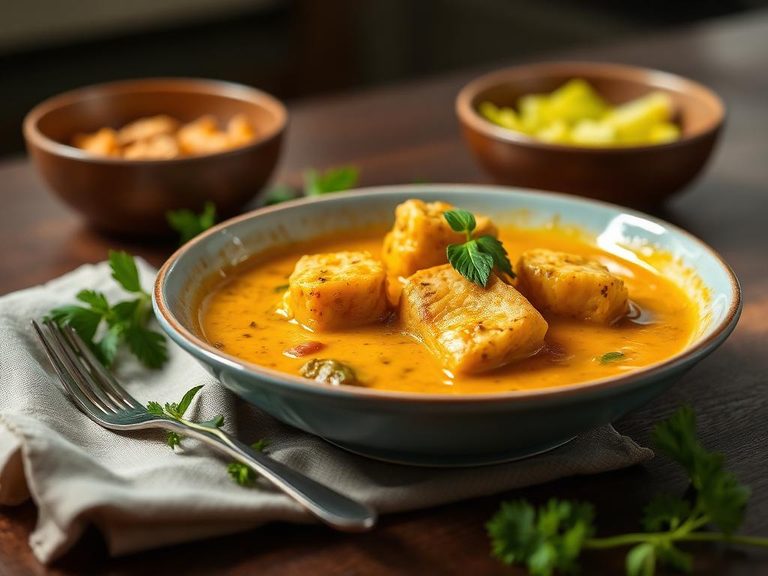
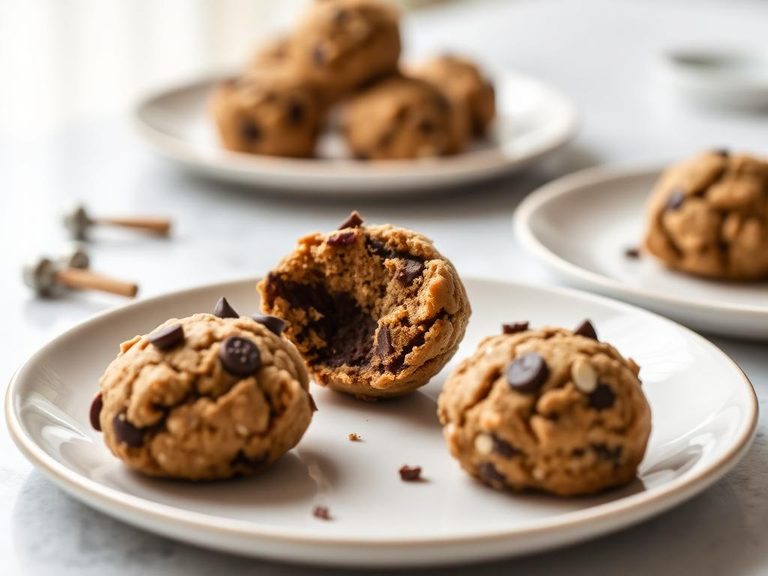
🍽️ Popular dishes
🌍 Where it's eaten
💡 Did you know?
The term 'virgin' coconut oil, much like olive oil, refers to oil extracted from fresh coconut meat without using high heat or chemicals, preserving more of its natural antioxidants and flavor.
Full nutrition (USDA data · scales with serving)
| Water | 0.03 g |
| Energy | 895 kcal |
| Protein | 0.00 g |
| Total lipid (fat) | 99.1 g |
| Carbohydrate, by difference | 0.84 g |
| Fiber, total dietary | 0.00 g |
| Total Sugars | 0.00 g |
| Calcium, Ca | 1.0 mg |
| Iron, Fe | 0.05 mg |
| Magnesium, Mg | 0.00 mg |
| Phosphorus, P | 0.00 mg |
| Potassium, K | 0.00 mg |
| Sodium, Na | 0.00 mg |
| Zinc, Zn | 0.02 mg |
| Copper, Cu | 0.00 mg |
| Selenium, Se | 0.00 ug |
| Vitamin C, total ascorbic acid | 0.00 mg |
| Thiamin | 0.00 mg |
| Riboflavin | 0.00 mg |
| Niacin | 0.00 mg |
| Vitamin B-6 | 0.00 mg |
| Folate, total | 0.00 ug |
| Folic acid | 0.00 ug |
| Folate, food | 0.00 ug |
| Folate, DFE | 0.00 ug |
| Choline, total | 0.30 mg |
| Vitamin B-12 | 0.00 ug |
| Vitamin B-12, added | 0.00 ug |
| Vitamin A, RAE | 0.00 ug |
| Retinol | 0.00 ug |
| Carotene, beta | 0.00 ug |
| Carotene, alpha | 0.00 ug |
| Cryptoxanthin, beta | 0.00 ug |
| Lycopene | 0.00 ug |
| Lutein + zeaxanthin | 0.00 ug |
| Vitamin E (alpha-tocopherol) | 0.11 mg |
| Vitamin E, added | 0.00 mg |
| Vitamin D (D2 + D3) | 0.00 ug |
| Vitamin K (phylloquinone) | 0.60 ug |
| Alcohol, ethyl | 0.00 g |
| Caffeine | 0.00 mg |
| Theobromine | 0.00 mg |
Fat & fatty acid profile (per 100g)
| Fatty acids, total saturated | 82.5 g |
| SFA 4:0 | 0.01 g |
| SFA 6:0 | 0.48 g |
| SFA 8:0 | 6.8 g |
| SFA 10:0 | 5.4 g |
| SFA 12:0 | 41.8 g |
| SFA 14:0 | 16.7 g |
| SFA 16:0 | 8.6 g |
| SFA 18:0 | 2.5 g |
| Fatty acids, total monounsaturated | 6.3 g |
| MUFA 16:1 | 0.02 g |
| MUFA 18:1 | 6.3 g |
| MUFA 20:1 | 0.04 g |
| MUFA 22:1 | 0.00 g |
| Fatty acids, total polyunsaturated | 1.7 g |
| PUFA 18:2 | 1.7 g |
| PUFA 18:3 | 0.02 g |
| PUFA 18:4 | 0.00 g |
| PUFA 20:4 | 0.00 g |
| PUFA 20:5 n-3 (EPA) | 0.00 g |
| PUFA 22:5 n-3 (DPA) | 0.00 g |
| PUFA 22:6 n-3 (DHA) | 0.00 g |
| Cholesterol | 0.00 mg |
Amino acid profile (per 100g)
Estimated from Oil, industrial, coconut, principal uses candy coatings, oil sprays, roasting nuts — USDA does not publish this profile for Coconut oil.
| Tryptophan | 0.00 g |
| Threonine | 0.00 g |
| Isoleucine | 0.00 g |
| Leucine | 0.00 g |
| Lysine | 0.00 g |
| Methionine | 0.00 g |
| Cystine | 0.00 g |
| Phenylalanine | 0.00 g |
| Tyrosine | 0.00 g |
| Valine | 0.00 g |
| Arginine | 0.00 g |
| Histidine | 0.00 g |
| Alanine | 0.00 g |
| Aspartic acid | 0.00 g |
| Glutamic acid | 0.00 g |
| Glycine | 0.00 g |
| Proline | 0.00 g |
| Serine | 0.00 g |
FAQ
Is coconut oil a healthy fat?
It's a source of saturated fat, but it's rich in MCTs. Health organizations recommend using it in moderation as part of a balanced diet, not as a primary fat source.
What's the difference between virgin and refined coconut oil?
Virgin (or unrefined) is made from fresh coconut meat, has a stronger coconut flavor, and a lower smoke point. Refined is made from dried coconut (copra), is neutral in taste, and has a higher smoke point.
Can I use coconut oil for high-heat cooking?
Yes, especially refined coconut oil, which has a smoke point around 177°C (350°F). Virgin coconut oil has a lower smoke point (around 177°C/350°F as well, but can vary) and is better for medium-heat sautéing or baking.
Nutrient density (calculated · NRF9.3)
Nutrient Rich Foods index: beneficial nutrients (protein, fiber, vitamins, minerals) minus saturated fat, added sugar & sodium, per 100 kcal.
NRF9.3 index — Fulgoni, Keast & Drewnowski, 2009. Computed from USDA nutrients.
Weight-loss friendliness (composite index)
Energy density 8.95 kcal/g · 0% calories from protein · 0.0 g fiber · 0.0 g sugar per 100 g.
Composite of energy density (Rolls et al., 1999), protein & fiber satiety, minus sugar. A calculated heuristic — ranks satiety-per-calorie, not a clinical measure.
Dietary load (calculated from USDA values)
Potential renal acid load. Positive = acid-forming, negative = alkaline-forming.
Sodium:potassium per WHO potassium guidance. Computed from USDA nutrients.