Thai curries
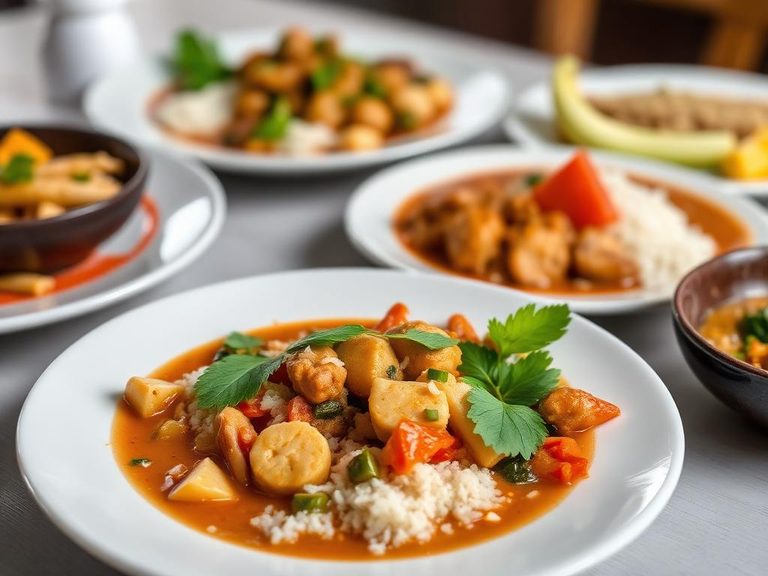
Thai curries are a vibrant category of dishes from Thailand, characterized by their aromatic, complex pastes simmered in coconut milk with proteins and vegetables. The core flavor comes from a paste of fresh ingredients like lemongrass, galangal, kaffir lime, chilies, and shrimp paste, which is then cooked with coconut milk, meat or tofu, and vegetables like bamboo shoots, Thai basil, and bell peppers.
🍽️ Nutrition at a glance
Thai curries are generally high in fat and calories due to the coconut milk base, but they also provide a good amount of protein and a variety of vitamins and minerals from the herbs and vegetables. A typical serving can range from 300 to 600 calories, depending on the protein and amount of coconut milk used.
Nutrition breakdown
| Calories | 420 kcal |
| Protein | 18 g |
| Carbs | 12 g |
| Fat | 35 g |
| Fiber | 3 g |
| Sugar | 6 g |
| Sodium | 850 mg |
| Iron | 4 mg |
| Potassium | 480 mg |
| Vitamin C | 25 mg |
| Vitamin A | 300 mcg |
| Magnesium | 45 mg |
| Calcium | 40 mg |
| Phosphorus | 180 mg |
| Zinc | 2.5 mg |
Per 1 cup (240 g) · estimated, varies by recipe
💡 What's interesting
The distinct color of a Thai curry (red, green, or yellow) is a direct indicator of its primary chili and herb paste ingredients, not just heat level. Nutritionally, the herbs and spices in the paste, like turmeric and galangal, are known for their anti-inflammatory properties.
🍽️ Related dishes
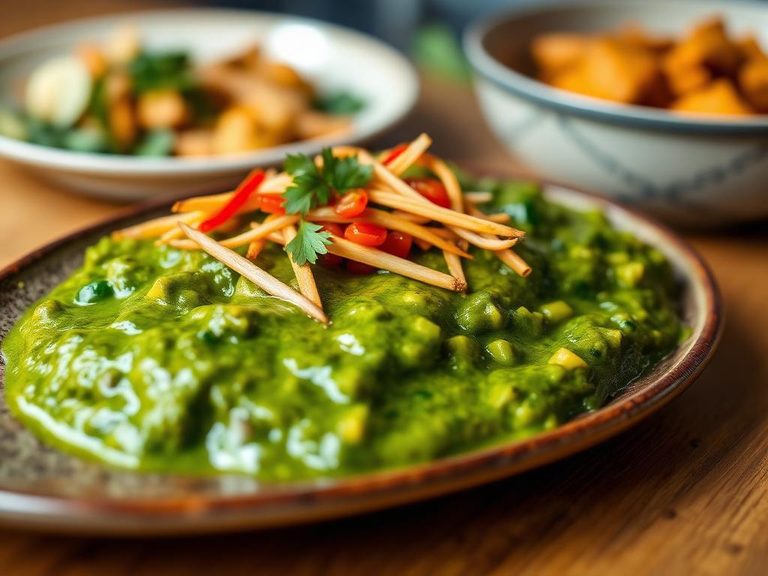 Added to Thai green curries
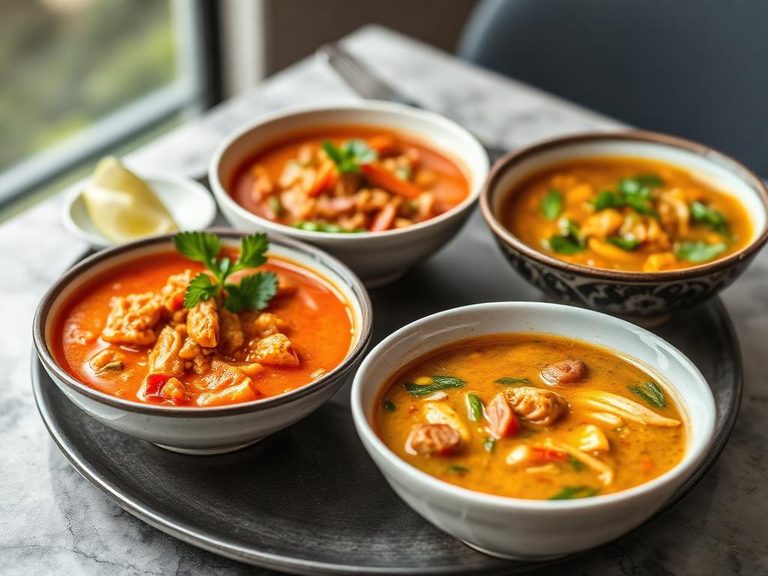 Added to Thai curries and soups
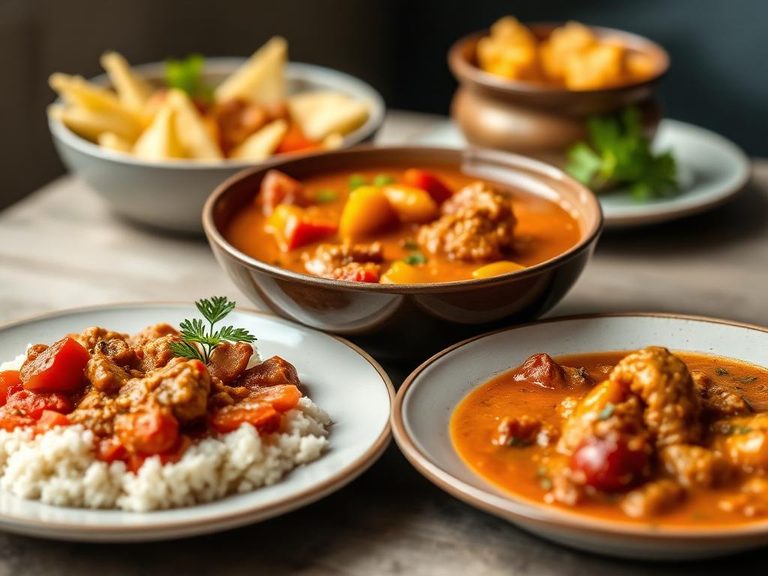 Added to stews or curries for sweetness and body
 Toasted coconut garnish for curries and salads
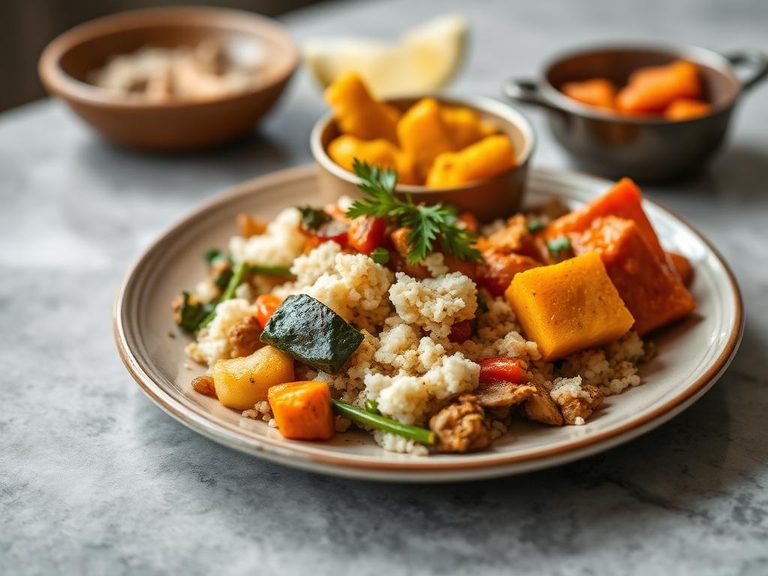 Side dish to spicy curries to cool the palate
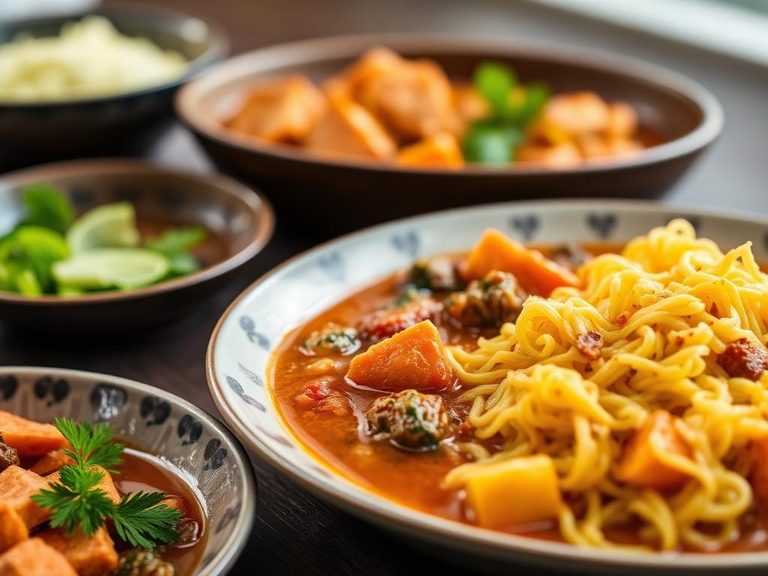 Added to stews or curries for thickening and sweetness
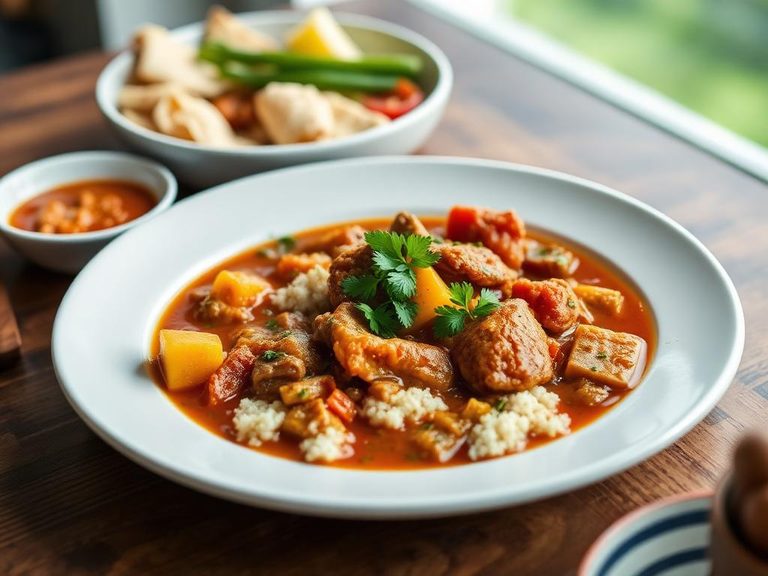 Added to stews and curries
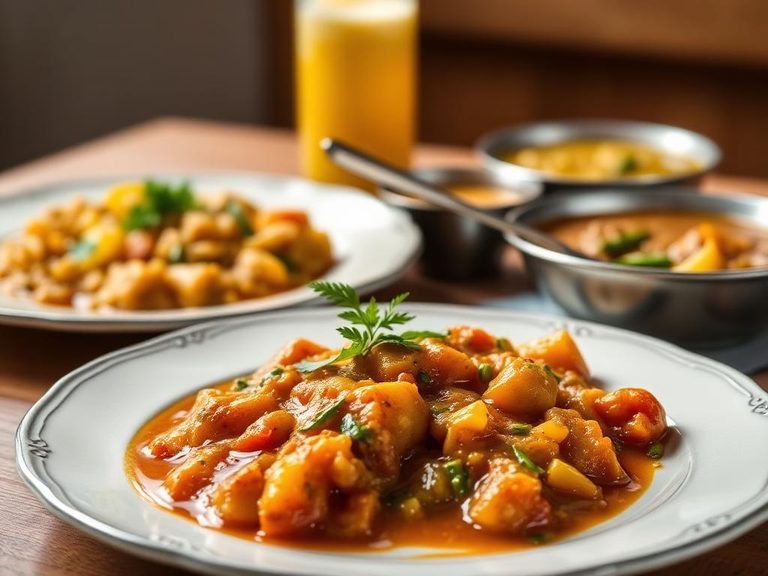 Ghee in Indian curries and dal