

Chickpeas, from canned, reduced sodium
Common food

Photo: Wikipedia
These are tender, pre-cooked chickpeas from a can, rinsed to reduce sodium, offering a mild, nutty flavor and a satisfyingly creamy-yet-firm texture. With nearly 8g of protein and over 7g of fiber per 100g, they are a plant-based powerhouse for sustained energy. Their convenience makes them a staple for quick, nutritious meals.
Calorie split: 16% protein · 43% carbs · 42% fat
↓ Full nutrition💚 Why it's loved
People love them for their incredible versatility—they readily absorb flavors in curries, salads, and dips like hummus. They are a beloved, affordable staple in cuisines worldwide, forming the heart of comforting and hearty dishes.
⚠️ Watch-outs & how to enjoy it better
Despite rinsing, canned versions retain more sodium than dried, which may concern those monitoring salt intake. Their high fiber content can cause digestive discomfort like bloating in some individuals if introduced too quickly. Tip: Start with smaller portions and ensure adequate water intake to help your system adjust. As a legume, they are a common allergen for some.
Key benefits
- Excellent source of plant-based protein and dietary fiber.
- Rich in folate, iron, and manganese.
- Supports digestive health and promotes satiety.
- Convenient, pre-cooked base for quick meal prep.
🍽️ Popular dishes
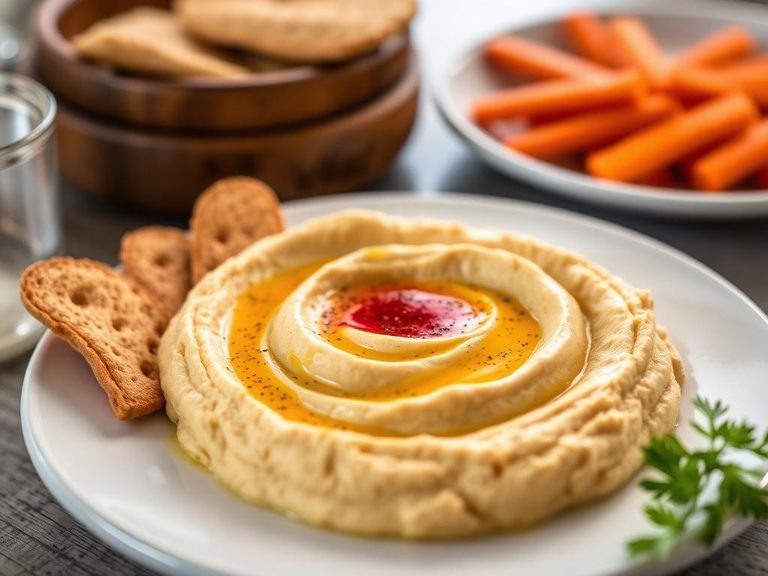
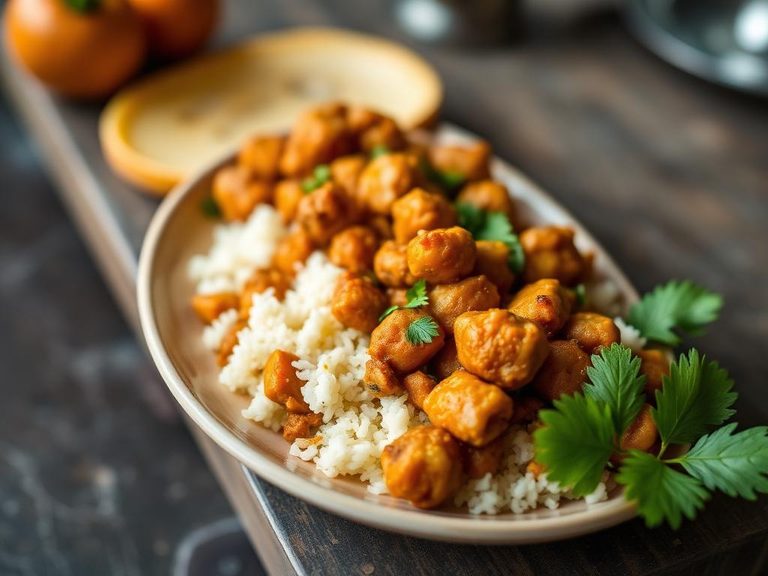

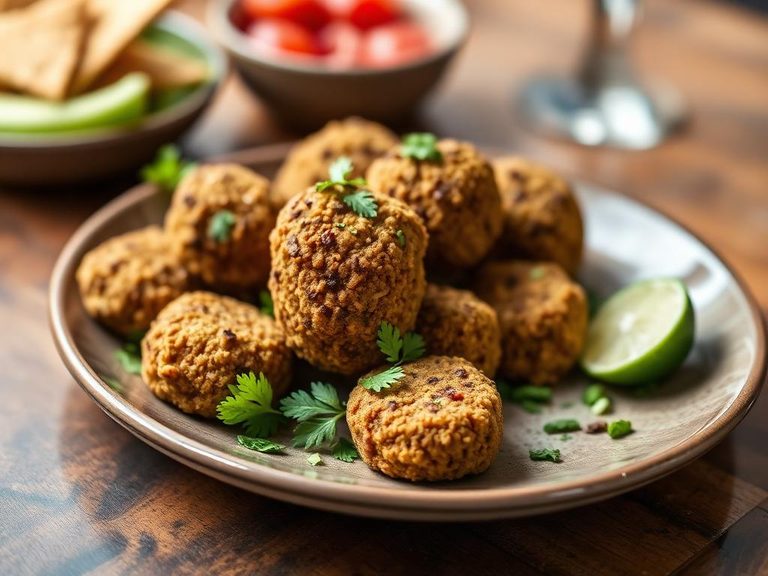

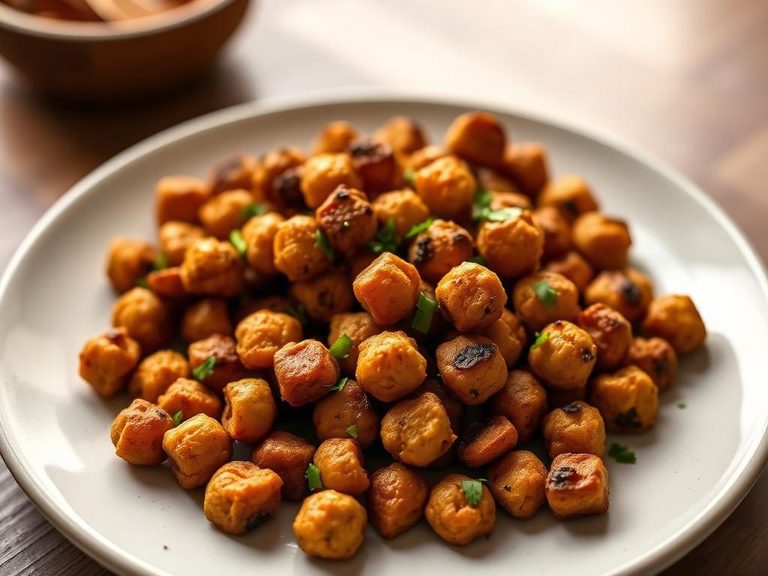
🌍 Where it's eaten
💡 Did you know?
Archaeological evidence suggests chickpeas were one of the earliest cultivated legumes, with remains found in the Middle East dating back over 10,000 years.
Full nutrition (USDA data · scales with serving)
| Water | 59.4 g |
| Energy | 197 kcal |
| Protein | 7.9 g |
| Total lipid (fat) | 9.4 g |
| Carbohydrate, by difference | 21.6 g |
| Fiber, total dietary | 7.1 g |
| Total Sugars | 4.2 g |
| Calcium, Ca | 56.0 mg |
| Iron, Fe | 2.0 mg |
| Magnesium, Mg | 43.0 mg |
| Phosphorus, P | 128 mg |
| Potassium, K | 231 mg |
| Sodium, Na | 212 mg |
| Zinc, Zn | 1.1 mg |
| Copper, Cu | 0.24 mg |
| Selenium, Se | 3.2 ug |
| Vitamin C, total ascorbic acid | 0.20 mg |
| Thiamin | 0.05 mg |
| Riboflavin | 0.02 mg |
| Niacin | 0.20 mg |
| Vitamin B-6 | 0.72 mg |
| Folate, total | 38.0 ug |
| Folic acid | 0.00 ug |
| Folate, food | 38.0 ug |
| Folate, DFE | 38.0 ug |
| Choline, total | 37.1 mg |
| Vitamin B-12 | 0.00 ug |
| Vitamin B-12, added | 0.00 ug |
| Vitamin A, RAE | 2.0 ug |
| Retinol | 0.00 ug |
| Carotene, beta | 14.0 ug |
| Carotene, alpha | 0.00 ug |
| Cryptoxanthin, beta | 0.00 ug |
| Lycopene | 0.00 ug |
| Lutein + zeaxanthin | 0.00 ug |
| Vitamin E (alpha-tocopherol) | 1.5 mg |
| Vitamin E, added | 0.00 mg |
| Vitamin D (D2 + D3) | 0.00 ug |
| Vitamin K (phylloquinone) | 9.8 ug |
| Alcohol, ethyl | 0.00 g |
| Caffeine | 0.00 mg |
| Theobromine | 0.00 mg |
Fat & fatty acid profile (per 100g)
| Fatty acids, total saturated | 1.2 g |
| SFA 4:0 | 0.00 g |
| SFA 6:0 | 0.00 g |
| SFA 8:0 | 0.00 g |
| SFA 10:0 | 0.00 g |
| SFA 12:0 | 0.00 g |
| SFA 14:0 | 0.01 g |
| SFA 16:0 | 0.86 g |
| SFA 18:0 | 0.23 g |
| Fatty acids, total monounsaturated | 3.4 g |
| MUFA 16:1 | 0.03 g |
| MUFA 18:1 | 3.3 g |
| MUFA 20:1 | 0.04 g |
| MUFA 22:1 | 0.00 g |
| Fatty acids, total polyunsaturated | 3.8 g |
| PUFA 18:2 | 3.5 g |
| PUFA 18:3 | 0.33 g |
| PUFA 18:4 | 0.00 g |
| PUFA 20:4 | 0.00 g |
| PUFA 20:5 n-3 (EPA) | 0.00 g |
| PUFA 22:5 n-3 (DPA) | 0.00 g |
| PUFA 22:6 n-3 (DHA) | 0.00 g |
| Cholesterol | 0.00 mg |
Amino acid profile (per 100g)
Estimated from Chickpeas (garbanzo beans, bengal gram), mature seeds, raw — USDA does not publish this profile for Chickpeas.
| Tryptophan | 0.20 g |
| Threonine | 0.77 g |
| Isoleucine | 0.88 g |
| Leucine | 1.5 g |
| Lysine | 1.4 g |
| Methionine | 0.27 g |
| Cystine | 0.28 g |
| Phenylalanine | 1.1 g |
| Tyrosine | 0.51 g |
| Valine | 0.86 g |
| Arginine | 1.9 g |
| Histidine | 0.57 g |
| Alanine | 0.88 g |
| Aspartic acid | 2.4 g |
| Glutamic acid | 3.6 g |
| Glycine | 0.86 g |
| Proline | 0.85 g |
| Serine | 1.0 g |
FAQ
Do I need to rinse canned chickpeas?
Yes, rinsing under cold water is highly recommended. It washes away the canning liquid (aquafaba), which is high in sodium and can have a metallic taste, significantly reducing the sodium content by about 40%.
Can I use the liquid from the can (aquafaba)?
Absolutely! Aquafaba is a popular vegan egg-white substitute. It can be whipped into a foam for meringues or used as a binding agent in baking and vegan mayonnaise.
How do I make canned chickpeas crispy?
Pat them very dry with a towel, toss with oil and spices, then roast at a high temperature (around 400°F/200°C) until golden and crunchy. They make a great snack or salad topper.
Nutrient density (calculated · NRF9.3)
Nutrient Rich Foods index: beneficial nutrients (protein, fiber, vitamins, minerals) minus saturated fat, added sugar & sodium, per 100 kcal.
NRF9.3 index — Fulgoni, Keast & Drewnowski, 2009. Computed from USDA nutrients.
Weight-loss friendliness (composite index)
Energy density 1.97 kcal/g · 16% calories from protein · 7.1 g fiber · 4.2 g sugar per 100 g.
Composite of energy density (Rolls et al., 1999), protein & fiber satiety, minus sugar. A calculated heuristic — ranks satiety-per-calorie, not a clinical measure.
Dietary load (calculated from USDA values)
Potential renal acid load. Positive = acid-forming, negative = alkaline-forming.
Sodium-to-potassium ratio: 0.92 (lower is better — aim for ≤ 1)
Sodium:potassium per WHO potassium guidance. Computed from USDA nutrients.