

Chicken thigh, baked, broiled, or roasted, skin eaten, from raw
Common food

Photo: Wikipedia
A baked, broiled, or roasted chicken thigh with its skin on is a savory, juicy cut with a rich, meaty flavor and a satisfyingly crisp, rendered skin. It's a powerhouse of protein and healthy fats, offering a more flavorful and moist experience than leaner white meat.
Calorie split: 41% protein · 0% carbs · 59% fat
↓ Full nutrition💚 Why it's loved
People adore the deep, savory flavor and juicy texture that the dark meat and skin provide, making it far more satisfying than drier breast meat. Its versatility allows it to be the star of countless comfort foods, from Sunday roasts to global street food.
⚠️ Watch-outs & how to enjoy it better
The skin is high in saturated fat and calories, which may be a concern for those monitoring heart health or calorie intake. To counteract, you can remove the skin before eating to significantly reduce fat, or opt for baking on a rack to allow excess fat to render away. Pairing it with a large portion of non-starchy vegetables adds fiber and balances the meal.
Key benefits
- Excellent source of high-quality protein for muscle maintenance.
- Rich in iron and zinc, essential minerals for energy and immunity.
- Contains B vitamins, particularly niacin and B6, for metabolism.
- The skin provides a source of healthy monounsaturated fats.
- A satiating food that can support weight management goals.
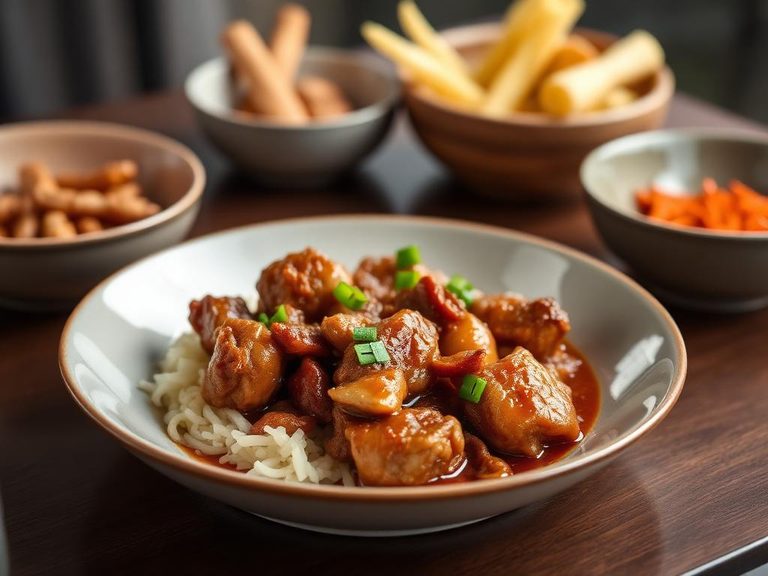
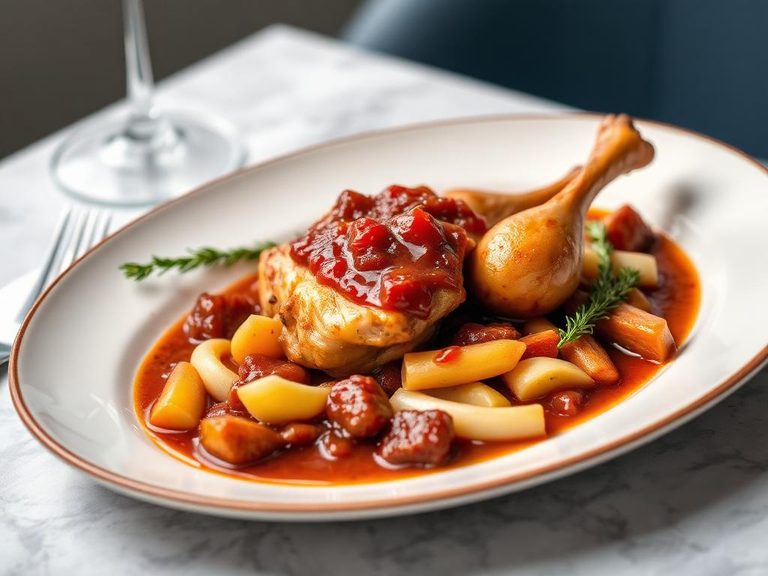
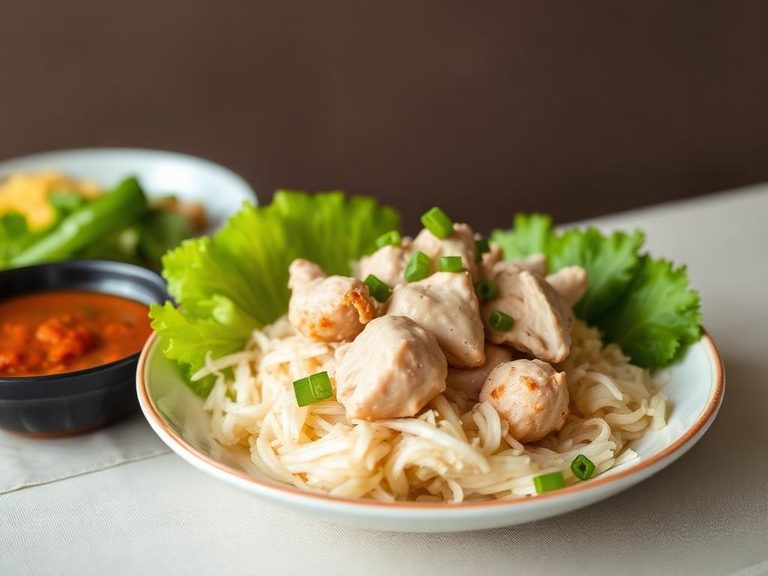
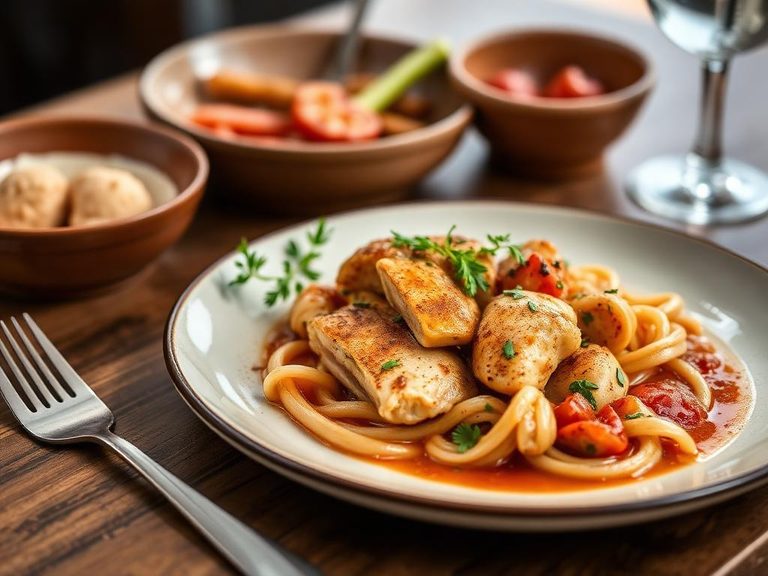
🍽️ Popular dishes
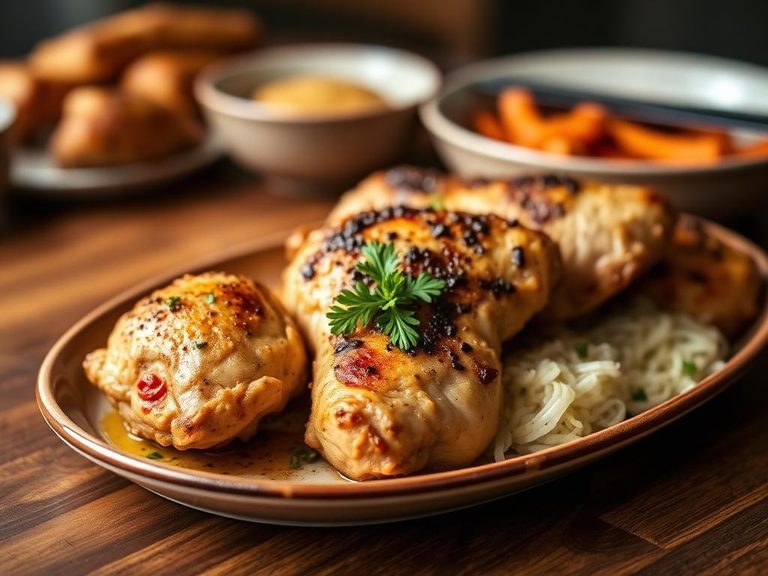
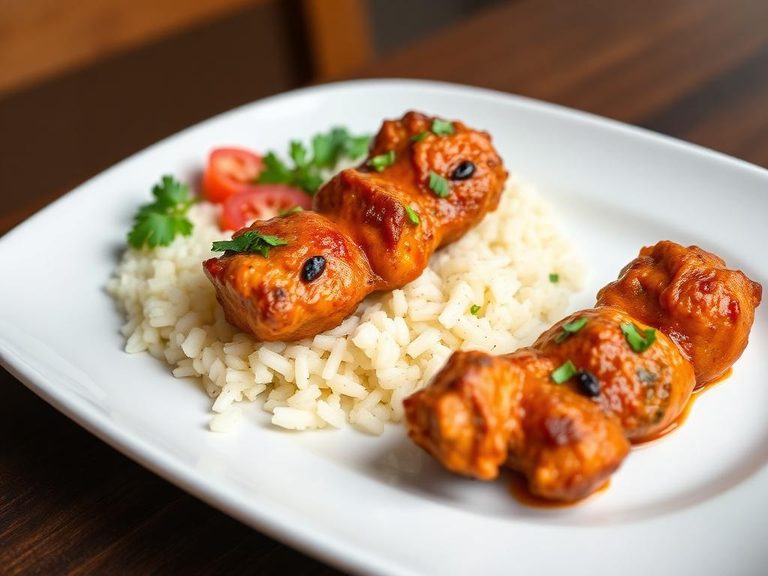
🌍 Where it's eaten
💡 Did you know?
Chicken thighs have about three times more myoglobin than chicken breasts, which is the protein that stores oxygen in muscle cells and gives dark meat its deeper color and richer flavor.
Full nutrition (USDA data · scales with serving)
| Water | 61.6 g |
| Energy | 231 kcal |
| Protein | 23.1 g |
| Total lipid (fat) | 14.6 g |
| Carbohydrate, by difference | 0.00 g |
| Fiber, total dietary | 0.00 g |
| Total Sugars | 0.00 g |
| Calcium, Ca | 9.0 mg |
| Iron, Fe | 1.1 mg |
| Magnesium, Mg | 22.0 mg |
| Phosphorus, P | 215 mg |
| Potassium, K | 252 mg |
| Sodium, Na | 332 mg |
| Zinc, Zn | 1.7 mg |
| Copper, Cu | 0.06 mg |
| Selenium, Se | 25.2 ug |
| Vitamin C, total ascorbic acid | 0.00 mg |
| Thiamin | 0.09 mg |
| Riboflavin | 0.19 mg |
| Niacin | 5.8 mg |
| Vitamin B-6 | 0.41 mg |
| Folate, total | 4.0 ug |
| Folic acid | 0.00 ug |
| Folate, food | 4.0 ug |
| Folate, DFE | 4.0 ug |
| Choline, total | 67.2 mg |
| Vitamin B-12 | 0.44 ug |
| Vitamin B-12, added | 0.00 ug |
| Vitamin A, RAE | 16.0 ug |
| Retinol | 16.0 ug |
| Carotene, beta | 0.00 ug |
| Carotene, alpha | 0.00 ug |
| Cryptoxanthin, beta | 0.00 ug |
| Lycopene | 0.00 ug |
| Lutein + zeaxanthin | 17.0 ug |
| Vitamin E (alpha-tocopherol) | 0.19 mg |
| Vitamin E, added | 0.00 mg |
| Vitamin D (D2 + D3) | 0.20 ug |
| Vitamin K (phylloquinone) | 3.3 ug |
| Alcohol, ethyl | 0.00 g |
| Caffeine | 0.00 mg |
| Theobromine | 0.00 mg |
Fat & fatty acid profile (per 100g)
| Fatty acids, total saturated | 4.1 g |
| SFA 4:0 | 0.00 g |
| SFA 6:0 | 0.00 g |
| SFA 8:0 | 0.00 g |
| SFA 10:0 | 0.00 g |
| SFA 12:0 | 0.01 g |
| SFA 14:0 | 0.08 g |
| SFA 16:0 | 3.2 g |
| SFA 18:0 | 0.78 g |
| Fatty acids, total monounsaturated | 6.2 g |
| MUFA 16:1 | 0.91 g |
| MUFA 18:1 | 5.2 g |
| MUFA 20:1 | 0.07 g |
| MUFA 22:1 | 0.00 g |
| Fatty acids, total polyunsaturated | 3.0 g |
| PUFA 18:2 | 2.7 g |
| PUFA 18:3 | 0.13 g |
| PUFA 18:4 | 0.00 g |
| PUFA 20:4 | 0.10 g |
| PUFA 20:5 n-3 (EPA) | 0.01 g |
| PUFA 22:5 n-3 (DPA) | 0.01 g |
| PUFA 22:6 n-3 (DHA) | 0.01 g |
| Cholesterol | 132 mg |
Amino acid profile (per 100g)
Estimated from Chicken, broilers or fryers, dark meat, thigh, meat only, raw — USDA does not publish this profile for Chicken thigh.
| Tryptophan | 0.22 g |
| Threonine | 0.93 g |
| Isoleucine | 0.94 g |
| Leucine | 1.7 g |
| Lysine | 1.9 g |
| Methionine | 0.56 g |
| Cystine | 0.23 g |
| Phenylalanine | 0.79 g |
| Tyrosine | 0.74 g |
| Valine | 0.96 g |
| Arginine | 1.4 g |
| Histidine | 0.59 g |
| Alanine | 1.2 g |
| Aspartic acid | 1.9 g |
| Glutamic acid | 3.2 g |
| Glycine | 0.90 g |
| Proline | 0.79 g |
| Serine | 0.82 g |
FAQ
Is chicken thigh with skin healthier than with skin removed?
Removing the skin cuts the fat and calorie content by roughly half, making it a leaner protein source. However, the skin contains some nutrients and healthy fats; it's a trade-off between flavor/satiety and calorie control.
What's the best way to get crispy skin when baking?
Pat the skin completely dry with paper towels, season generously, and bake on a rack set over a sheet pan at a high temperature (around 400-425°F / 200-220°C). The dry surface and high heat are key to rendering fat and crisping the skin.
How do I know when a baked chicken thigh is done?
Use a meat thermometer inserted into the thickest part (avoiding bone). It should read 165°F (74°C). The juices should run clear, and the meat should easily pull away from the bone.
Nutrient density (calculated · NRF9.3)
Nutrient Rich Foods index: beneficial nutrients (protein, fiber, vitamins, minerals) minus saturated fat, added sugar & sodium, per 100 kcal.
NRF9.3 index — Fulgoni, Keast & Drewnowski, 2009. Computed from USDA nutrients.
Weight-loss friendliness (composite index)
Energy density 2.31 kcal/g · 40% calories from protein · 0.0 g fiber · 0.0 g sugar per 100 g.
Composite of energy density (Rolls et al., 1999), protein & fiber satiety, minus sugar. A calculated heuristic — ranks satiety-per-calorie, not a clinical measure.
Dietary load (calculated from USDA values)
Potential renal acid load. Positive = acid-forming, negative = alkaline-forming.
Sodium-to-potassium ratio: 1.32 (lower is better — aim for ≤ 1)
Sodium:potassium per WHO potassium guidance. Computed from USDA nutrients.