

Cherries, maraschino
Common food

Photo: Wikipedia
Maraschino cherries are bright red, sweet, and artificially flavored preserved cherries, typically from the Royal Ann variety. They have a firm, slightly rubbery texture and an intensely sweet, almond-like flavor. Nutritionally, they are a concentrated source of simple carbohydrates, providing nearly 42g of sugar per 100g.
Calorie split: 1% protein · 98% carbs · 1% fat
↓ Full nutrition💚 Why it's loved
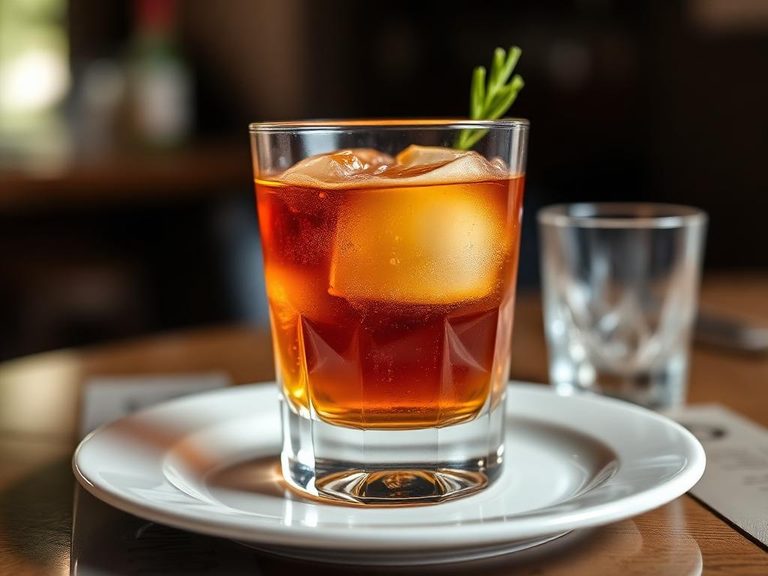
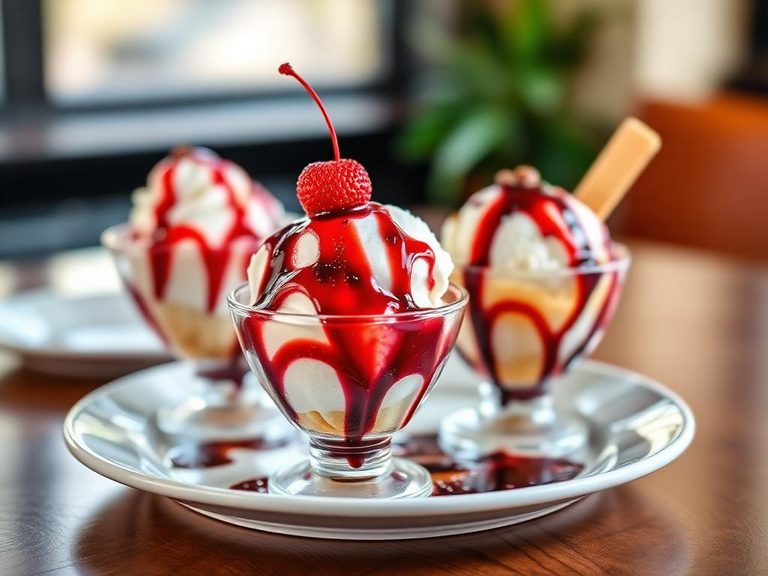
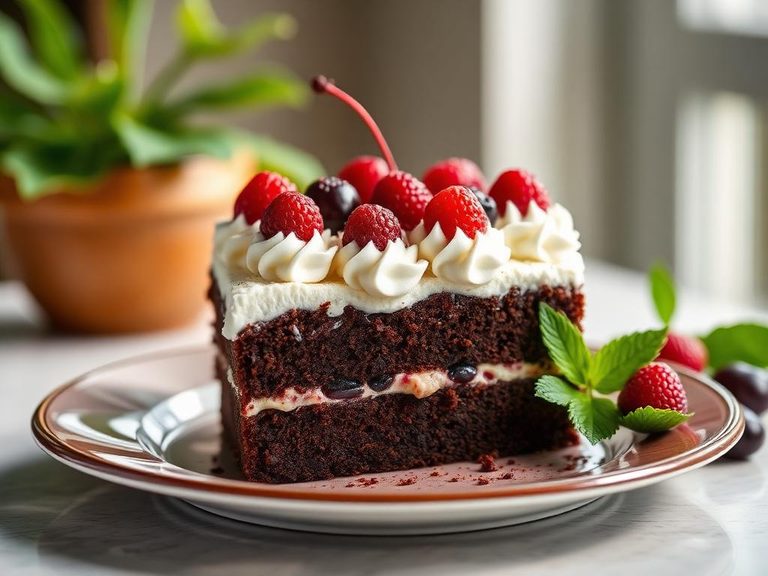
People love them for their iconic, nostalgic sweetness and jewel-like appearance, which instantly elevates cocktails, sundaes, and baked goods. Their bold, consistent flavor and firm texture make them a reliable and festive garnish.
⚠️ Watch-outs & how to enjoy it better
Their extremely high sugar content can cause rapid blood-sugar spikes, and the red dye (like Allura Red) may be a concern for some. To enjoy, practice strict portion control (1-2 cherries) and pair them with a source of protein or healthy fat (like nuts or yogurt) to blunt the glycemic response.
Key benefits
- Provides a quick source of energy from carbohydrates.
- Contains a small amount of dietary fiber.
- Low in fat and protein.
- Adds vibrant color and sweetness to foods and drinks.
- Shelf-stable for long periods.
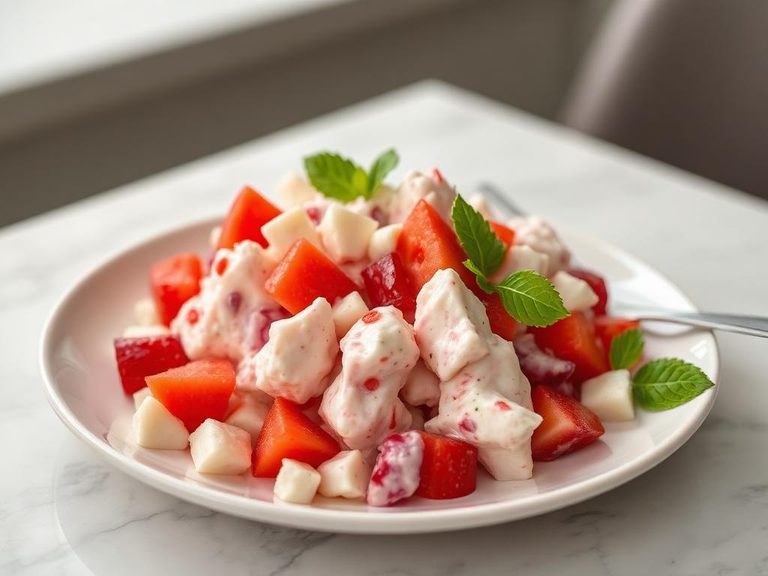
🍽️ Popular dishes


🌍 Where it's eaten
💡 Did you know?
Modern maraschino cherries are not maraschino cherries at all; the original Italian version was preserved in maraschino liqueur, but today's version is typically a sweet cherry soaked in a brine, then preserved in sugar syrup and dyed red.
Full nutrition (USDA data · scales with serving)
| Water | 57.3 g |
| Energy | 165 kcal |
| Protein | 0.22 g |
| Total lipid (fat) | 0.21 g |
| Carbohydrate, by difference | 42.0 g |
| Fiber, total dietary | 3.2 g |
| Total Sugars | 38.8 g |
| Calcium, Ca | 54.0 mg |
| Iron, Fe | 0.43 mg |
| Magnesium, Mg | 4.0 mg |
| Phosphorus, P | 3.0 mg |
| Potassium, K | 21.0 mg |
| Sodium, Na | 4.0 mg |
| Zinc, Zn | 0.26 mg |
| Copper, Cu | 0.14 mg |
| Selenium, Se | 0.20 ug |
| Vitamin C, total ascorbic acid | 0.00 mg |
| Thiamin | 0.00 mg |
| Riboflavin | 0.00 mg |
| Niacin | 0.00 mg |
| Vitamin B-6 | 0.01 mg |
| Folate, total | 0.00 ug |
| Folic acid | 0.00 ug |
| Folate, food | 0.00 ug |
| Folate, DFE | 0.00 ug |
| Choline, total | 4.3 mg |
| Vitamin B-12 | 0.00 ug |
| Vitamin B-12, added | 0.00 ug |
| Vitamin A, RAE | 2.0 ug |
| Retinol | 0.00 ug |
| Carotene, beta | 27.0 ug |
| Carotene, alpha | 0.00 ug |
| Cryptoxanthin, beta | 0.00 ug |
| Lycopene | 0.00 ug |
| Lutein + zeaxanthin | 59.0 ug |
| Vitamin E (alpha-tocopherol) | 0.05 mg |
| Vitamin E, added | 0.00 mg |
| Vitamin D (D2 + D3) | 0.00 ug |
| Vitamin K (phylloquinone) | 1.5 ug |
| Alcohol, ethyl | 0.00 g |
| Caffeine | 0.00 mg |
| Theobromine | 0.00 mg |
Fat & fatty acid profile (per 100g)
| Fatty acids, total saturated | 0.04 g |
| SFA 4:0 | 0.00 g |
| SFA 6:0 | 0.00 g |
| SFA 8:0 | 0.00 g |
| SFA 10:0 | 0.00 g |
| SFA 12:0 | 0.00 g |
| SFA 14:0 | 0.00 g |
| SFA 16:0 | 0.03 g |
| SFA 18:0 | 0.01 g |
| Fatty acids, total monounsaturated | 0.05 g |
| MUFA 16:1 | 0.00 g |
| MUFA 18:1 | 0.05 g |
| MUFA 20:1 | 0.00 g |
| MUFA 22:1 | 0.00 g |
| Fatty acids, total polyunsaturated | 0.06 g |
| PUFA 18:2 | 0.03 g |
| PUFA 18:3 | 0.03 g |
| PUFA 18:4 | 0.00 g |
| PUFA 20:4 | 0.00 g |
| PUFA 20:5 n-3 (EPA) | 0.00 g |
| PUFA 22:5 n-3 (DPA) | 0.00 g |
| PUFA 22:6 n-3 (DHA) | 0.00 g |
| Cholesterol | 0.00 mg |
Amino acid profile (per 100g)
Estimated from Cherries, sweet, raw — USDA does not publish this profile for Cherries.
| Tryptophan | 0.01 g |
| Threonine | 0.02 g |
| Isoleucine | 0.02 g |
| Leucine | 0.03 g |
| Lysine | 0.03 g |
| Methionine | 0.01 g |
| Cystine | 0.01 g |
| Phenylalanine | 0.02 g |
| Tyrosine | 0.01 g |
| Valine | 0.02 g |
| Arginine | 0.02 g |
| Histidine | 0.01 g |
| Alanine | 0.03 g |
| Aspartic acid | 0.57 g |
| Glutamic acid | 0.08 g |
| Glycine | 0.02 g |
| Proline | 0.04 g |
| Serine | 0.03 g |
FAQ
Are maraschino cherries real cherries?
Yes, they start as real cherries, usually light-colored varieties like Royal Ann, which are bleached, soaked in brine, and then preserved in a sugary syrup with food coloring.
Why are they so bright red?
The intense red color comes from artificial food dyes, most commonly Allura Red (Red 40), added during the preserving process for visual appeal.
Can I use them in baking?
Yes, but they are best added at the end of baking or used in no-bake desserts, as their texture can become tough if overcooked. They are classic in Black Forest cake.
Nutrient density (calculated · NRF9.3)
Nutrient Rich Foods index: beneficial nutrients (protein, fiber, vitamins, minerals) minus saturated fat, added sugar & sodium, per 100 kcal.
NRF9.3 index — Fulgoni, Keast & Drewnowski, 2009. Computed from USDA nutrients.
Weight-loss friendliness (composite index)
Energy density 1.65 kcal/g · 1% calories from protein · 3.2 g fiber · 38.8 g sugar per 100 g.
Composite of energy density (Rolls et al., 1999), protein & fiber satiety, minus sugar. A calculated heuristic — ranks satiety-per-calorie, not a clinical measure.
Dietary load (calculated from USDA values)
Potential renal acid load. Positive = acid-forming, negative = alkaline-forming.
Sodium-to-potassium ratio: 0.19 (lower is better — aim for ≤ 1)
Sodium:potassium per WHO potassium guidance. Computed from USDA nutrients.