

Maraschino cherries, canned, drained
Whole food · Fruits and Fruit Juices

Photo: Wikipedia
Maraschino cherries are bright, neon-red, preserved sweet cherries with a firm, slightly crunchy texture and a distinctive almond-like, syrupy sweetness. Nutritionally, they are almost entirely carbohydrates, with a 100g serving delivering nearly 42g of carbs and 39g of sugar, making them a concentrated source of quick energy. Their vibrant color and unique flavor make them a classic garnish, though they are more of a confection than a health food.
Calorie split: 1% protein · 98% carbs · 1% fat
↓ Full nutrition💚 Why it's loved
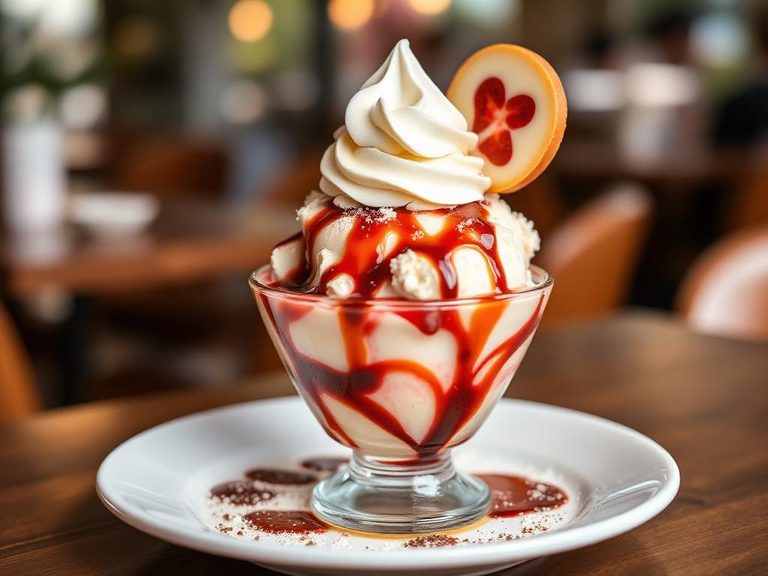
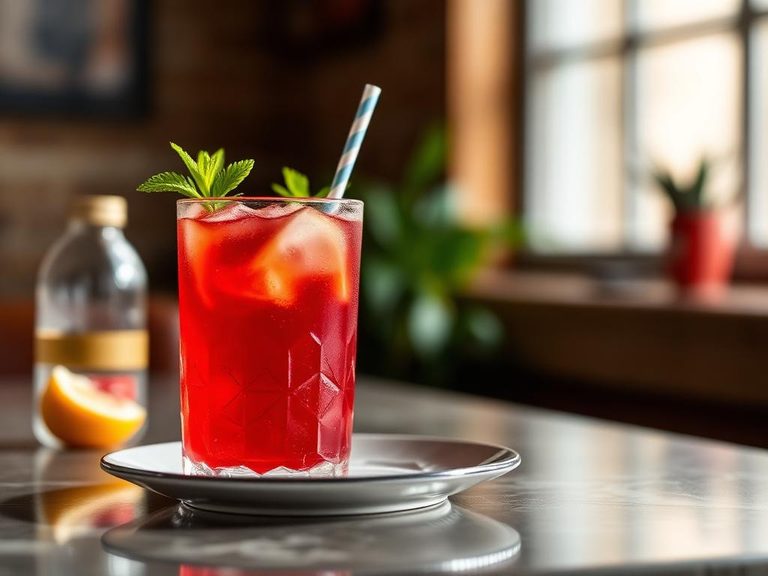
People love them for their iconic, candy-like sweetness and pop of color that instantly elevates a cocktail, sundae, or baked good. Their cultural nostalgia and association with celebration and indulgence make them a beloved, if not health-conscious, treat.
⚠️ Watch-outs & how to enjoy it better
Their extremely high sugar content can cause rapid blood-sugar spikes, and they often contain artificial colors and preservatives that some prefer to avoid. To counteract this, use them sparingly as a garnish rather than a main ingredient, and pair them with protein or fat (like in a yogurt parfait) to slow sugar absorption.
Key benefits
- Provides a quick source of energy from simple sugars
- Contains a small amount of dietary fiber
- Adds a strong, distinctive flavor and color to dishes
- Low in fat and contains no cholesterol
- A classic, versatile garnish for cocktails and desserts
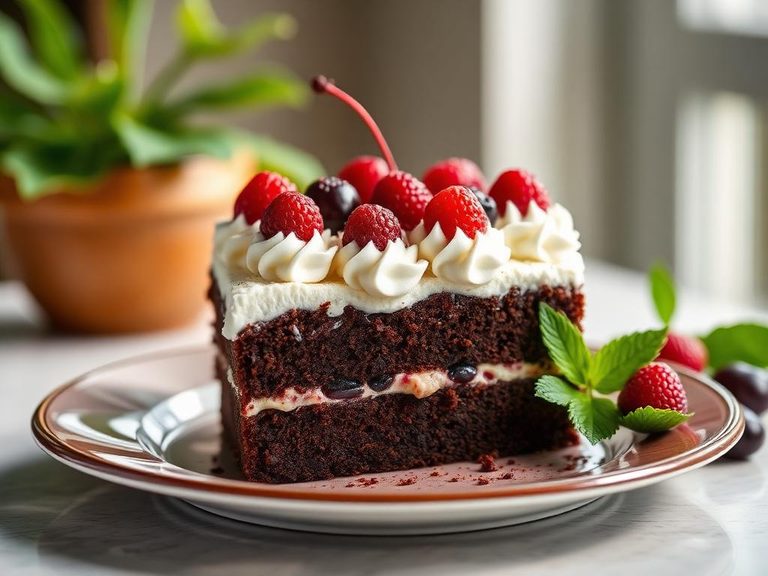
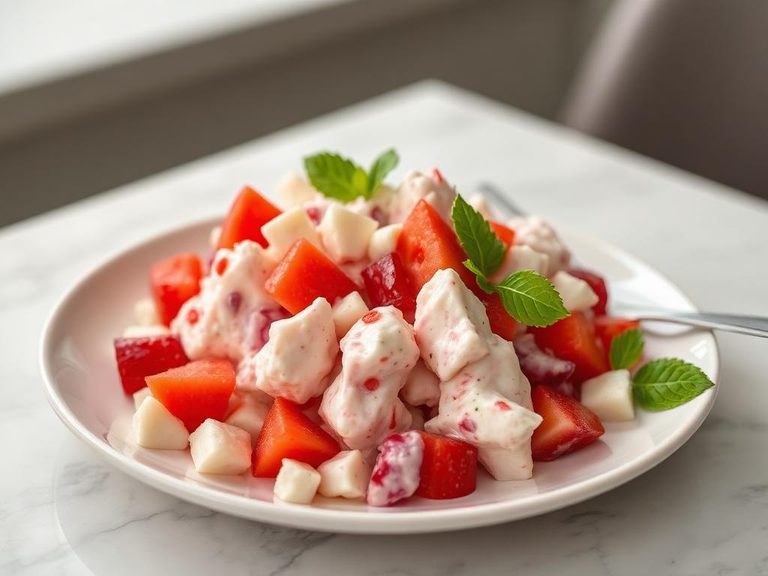
🍽️ Popular dishes

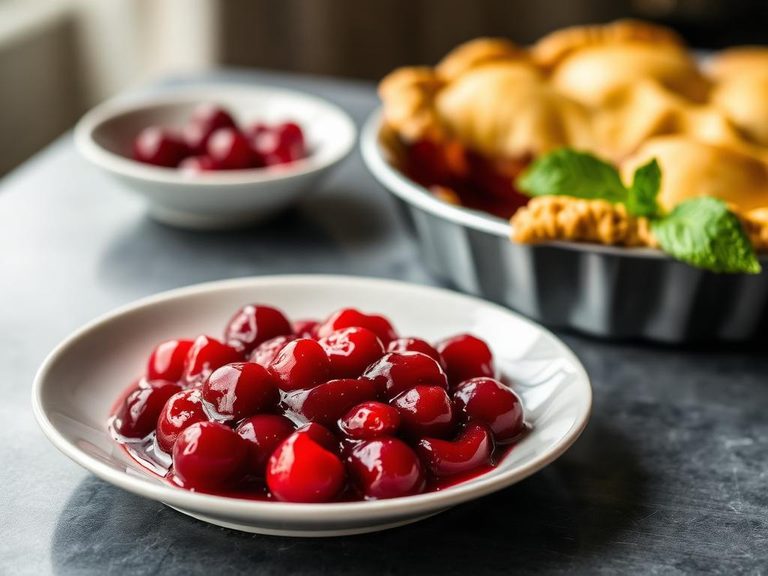
🌍 Where it's eaten
💡 Did you know?
The name 'maraschino' comes from the marasca cherry, a sour variety originally used to flavor Italian liqueur, but the modern American version is typically made from sweet cherries and soaked in a sugar syrup with almond extract.
Full nutrition (USDA data · scales with serving)
| Water | 57.3 g |
| Energy | 165 kcal |
| Energy | 690 kj |
| Protein | 0.22 g |
| Total lipid (fat) | 0.21 g |
| Ash | 0.34 g |
| Carbohydrate, by difference | 42.0 g |
| Fiber, total dietary | 3.2 g |
| Total Sugars | 38.8 g |
| Calcium, Ca | 54.0 mg |
| Iron, Fe | 0.43 mg |
| Magnesium, Mg | 4.0 mg |
| Phosphorus, P | 3.0 mg |
| Potassium, K | 21.0 mg |
| Sodium, Na | 4.0 mg |
| Zinc, Zn | 0.26 mg |
| Copper, Cu | 0.14 mg |
| Manganese, Mn | 0.01 mg |
| Selenium, Se | 0.20 ug |
| Vitamin C, total ascorbic acid | 0.00 mg |
| Thiamin | 0.00 mg |
| Riboflavin | 0.00 mg |
| Niacin | 0.00 mg |
| Pantothenic acid | 0.05 mg |
| Vitamin B-6 | 0.01 mg |
| Folate, total | 0.00 ug |
| Folic acid | 0.00 ug |
| Folate, food | 0.00 ug |
| Folate, DFE | 0.00 ug |
| Choline, total | 4.3 mg |
| Vitamin B-12 | 0.00 ug |
| Vitamin B-12, added | 0.00 ug |
| Vitamin A, RAE | 2.0 ug |
| Retinol | 0.00 ug |
| Carotene, beta | 27.0 ug |
| Carotene, alpha | 0.00 ug |
| Cryptoxanthin, beta | 0.00 ug |
| Vitamin A, IU | 45.0 iu |
| Lycopene | 0.00 ug |
| Lutein + zeaxanthin | 59.0 ug |
| Vitamin E (alpha-tocopherol) | 0.05 mg |
| Vitamin E, added | 0.00 mg |
| Vitamin D (D2 + D3), International Units | 0.00 iu |
| Vitamin D (D2 + D3) | 0.00 ug |
| Vitamin K (phylloquinone) | 1.5 ug |
| Alcohol, ethyl | 0.00 g |
| Caffeine | 0.00 mg |
| Theobromine | 0.00 mg |
Fat & fatty acid profile (per 100g)
| Fatty acids, total saturated | 0.04 g |
| SFA 4:0 | 0.00 g |
| SFA 6:0 | 0.00 g |
| SFA 8:0 | 0.00 g |
| SFA 10:0 | 0.00 g |
| SFA 12:0 | 0.00 g |
| SFA 14:0 | 0.00 g |
| SFA 16:0 | 0.03 g |
| SFA 18:0 | 0.01 g |
| Fatty acids, total monounsaturated | 0.05 g |
| MUFA 16:1 | 0.00 g |
| MUFA 18:1 | 0.05 g |
| MUFA 20:1 | 0.00 g |
| MUFA 22:1 | 0.00 g |
| Fatty acids, total polyunsaturated | 0.06 g |
| PUFA 18:2 | 0.03 g |
| PUFA 18:3 | 0.03 g |
| PUFA 18:4 | 0.00 g |
| PUFA 20:4 | 0.00 g |
| PUFA 20:5 n-3 (EPA) | 0.00 g |
| PUFA 22:5 n-3 (DPA) | 0.00 g |
| PUFA 22:6 n-3 (DHA) | 0.00 g |
| Fatty acids, total trans | 0.00 g |
| Cholesterol | 0.00 mg |
FAQ
Are maraschino cherries real fruit?
Yes, they are typically made from sweet cherries (like Royal Ann or Rainier) that are bleached, soaked in a sugar syrup, and dyed red. They are a processed fruit product, not a natural one.
What gives maraschino cherries their red color?
The vibrant red color comes from artificial food dyes, most commonly Red 40, which is added after the cherries are bleached and preserved.
Can I use maraschino cherries in baking?
Yes, they are a classic ingredient in baked goods like Black Forest cake, cherry cheesecake, and certain cookies, where they add sweetness, moisture, and color.
Nutrient density (calculated · NRF9.3)
Nutrient Rich Foods index: beneficial nutrients (protein, fiber, vitamins, minerals) minus saturated fat, added sugar & sodium, per 100 kcal.
NRF9.3 index — Fulgoni, Keast & Drewnowski, 2009. Computed from USDA nutrients.
Weight-loss friendliness (composite index)
Energy density 1.65 kcal/g · 1% calories from protein · 3.2 g fiber · 38.8 g sugar per 100 g.
Composite of energy density (Rolls et al., 1999), protein & fiber satiety, minus sugar. A calculated heuristic — ranks satiety-per-calorie, not a clinical measure.
Dietary load (calculated from USDA values)
Potential renal acid load. Positive = acid-forming, negative = alkaline-forming.
Sodium-to-potassium ratio: 0.19 (lower is better — aim for ≤ 1)
Sodium:potassium per WHO potassium guidance. Computed from USDA nutrients.