

Cheese substitute, mozzarella
Whole food · Dairy and Egg Products

Photo: Wikipedia
A plant-based alternative designed to mimic the mild, milky flavor and stretchy, meltable texture of traditional mozzarella cheese. It's typically made from starches, oils, and proteins, offering a dairy-free option for melting and topping. Nutritionally, it provides a moderate amount of protein alongside a significant carbohydrate content from its starch base.
Calorie split: 18% protein · 38% carbs · 44% fat
↓ Full nutrition💚 Why it's loved
People love it for its ability to deliver the satisfying, gooey melt and mild flavor of mozzarella without dairy, making classic dishes like pizza accessible to vegans and the lactose intolerant. Its versatility in everything from caprese salads to grilled cheese sandwiches has made it a staple in plant-based cooking.
⚠️ Watch-outs & how to enjoy it better
The high carbohydrate and sugar content (from starches and sometimes added sugars) can cause blood-sugar spikes, making it less ideal for low-carb or ketogenic diets. It may also contain additives and have a lower protein-to-calorie ratio than dairy cheese. To counteract this, pair it with high-fiber vegetables or lean protein to slow digestion, and use it in controlled portions as a flavorful topping rather than the main ingredient.
Key benefits
- Dairy-free and lactose-free alternative
- Provides a good source of plant-based protein
- Melts and stretches for pizza and baked dishes
- Lower in saturated fat than some dairy cheeses
- Suitable for vegan and vegetarian diets
🍽️ Popular dishes
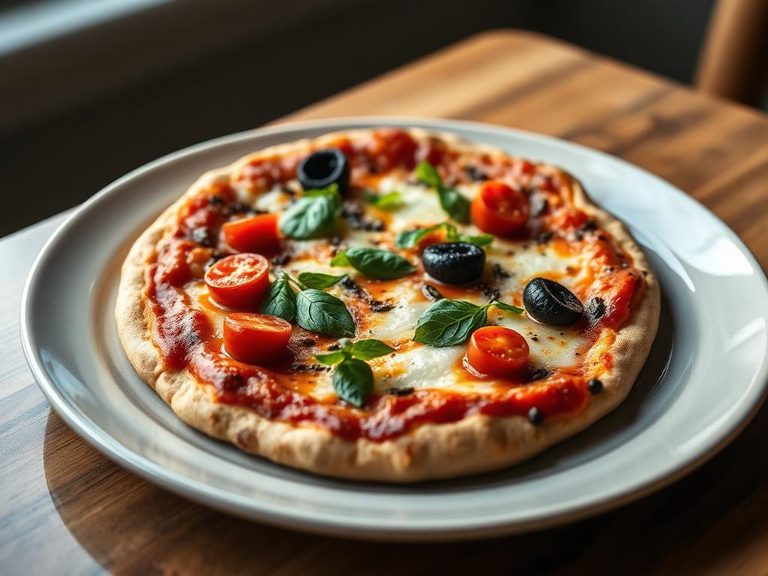
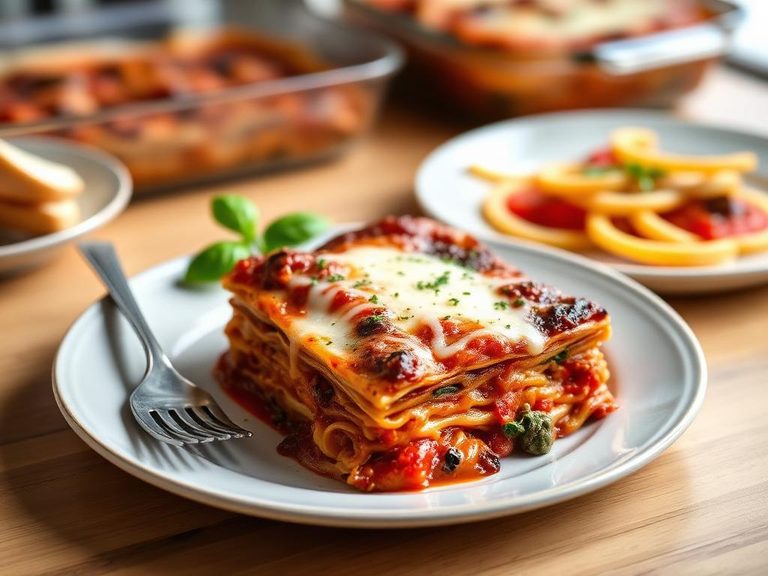
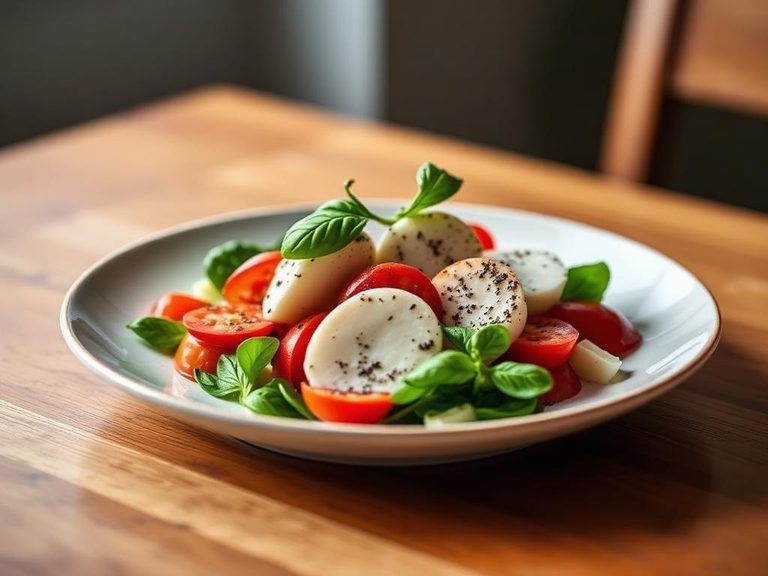
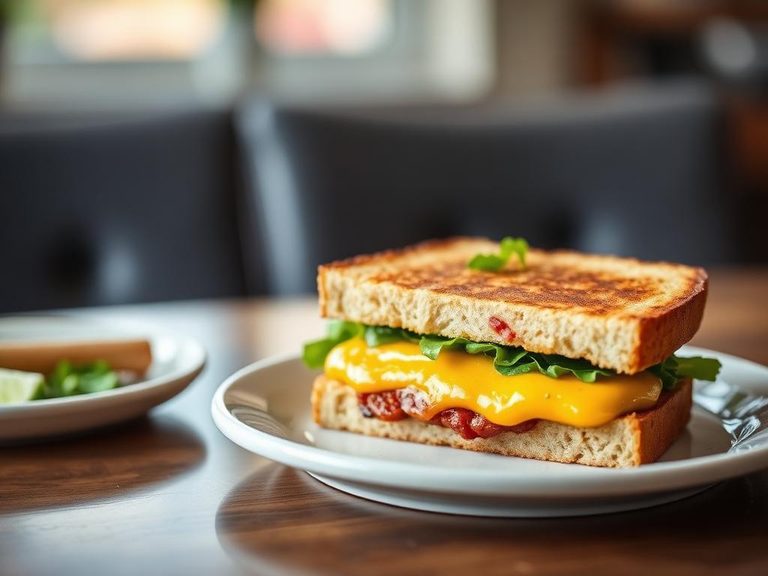
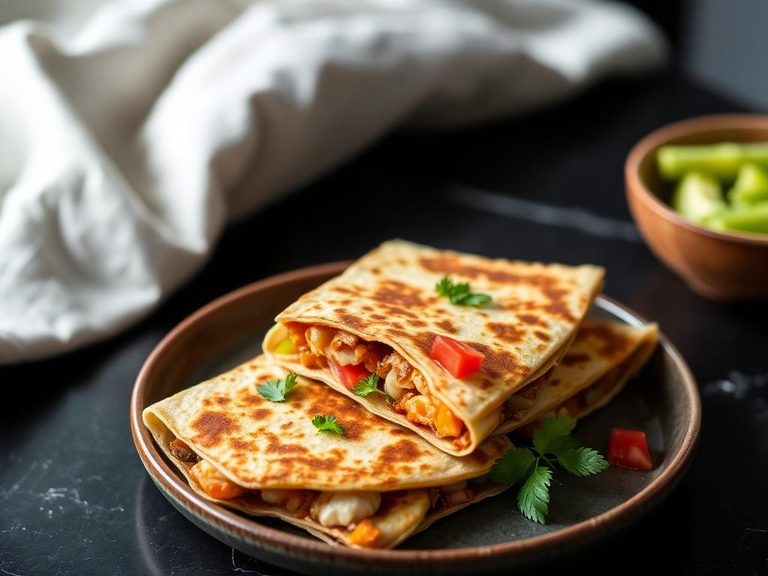
🌍 Where it's eaten
💡 Did you know?
The 'stretch' in many vegan mozzarellas is achieved using a starch called tapioca, which gelatinizes when heated to create that characteristic pull.
Full nutrition (USDA data · scales with serving)
| Water | 47.4 g |
| Energy | 248 kcal |
| Energy | 1038 kj |
| Protein | 11.5 g |
| Total lipid (fat) | 12.2 g |
| Ash | 5.3 g |
| Carbohydrate, by difference | 23.7 g |
| Fiber, total dietary | 0.00 g |
| Total Sugars | 23.7 g |
| Calcium, Ca | 610 mg |
| Iron, Fe | 0.40 mg |
| Magnesium, Mg | 41.0 mg |
| Phosphorus, P | 583 mg |
| Potassium, K | 455 mg |
| Sodium, Na | 685 mg |
| Zinc, Zn | 1.9 mg |
| Copper, Cu | 0.11 mg |
| Manganese, Mn | 0.03 mg |
| Selenium, Se | 19.2 ug |
| Vitamin C, total ascorbic acid | 0.10 mg |
| Thiamin | 0.03 mg |
| Riboflavin | 0.44 mg |
| Niacin | 0.32 mg |
| Pantothenic acid | 0.08 mg |
| Vitamin B-6 | 0.05 mg |
| Folate, total | 11.0 ug |
| Folic acid | 0.00 ug |
| Folate, food | 11.0 ug |
| Folate, DFE | 11.0 ug |
| Choline, total | 13.7 mg |
| Vitamin B-12 | 0.81 ug |
| Vitamin B-12, added | 0.00 ug |
| Vitamin A, RAE | 437 ug |
| Retinol | 437 ug |
| Carotene, beta | 0.00 ug |
| Carotene, alpha | 0.00 ug |
| Cryptoxanthin, beta | 0.00 ug |
| Vitamin A, IU | 1457 iu |
| Lycopene | 0.00 ug |
| Lutein + zeaxanthin | 0.00 ug |
| Vitamin E (alpha-tocopherol) | 0.11 mg |
| Vitamin E, added | 0.00 mg |
| Vitamin D (D2 + D3), International Units | 0.00 iu |
| Vitamin D (D2 + D3) | 0.00 ug |
| Vitamin K (phylloquinone) | 1.0 ug |
| Alcohol, ethyl | 0.00 g |
| Caffeine | 0.00 mg |
| Theobromine | 0.00 mg |
Fat & fatty acid profile (per 100g)
| Fatty acids, total saturated | 3.7 g |
| SFA 4:0 | 0.00 g |
| SFA 6:0 | 0.00 g |
| SFA 8:0 | 0.01 g |
| SFA 10:0 | 0.01 g |
| SFA 12:0 | 0.05 g |
| SFA 14:0 | 0.05 g |
| SFA 16:0 | 2.4 g |
| SFA 18:0 | 1.2 g |
| Fatty acids, total monounsaturated | 6.2 g |
| MUFA 16:1 | 0.00 g |
| MUFA 18:1 | 6.2 g |
| MUFA 20:1 | 0.00 g |
| MUFA 22:1 | 0.00 g |
| Fatty acids, total polyunsaturated | 1.7 g |
| PUFA 18:2 | 1.7 g |
| PUFA 18:3 | 0.07 g |
| PUFA 18:4 | 0.00 g |
| PUFA 20:4 | 0.00 g |
| PUFA 20:5 n-3 (EPA) | 0.00 g |
| PUFA 22:5 n-3 (DPA) | 0.00 g |
| PUFA 22:6 n-3 (DHA) | 0.00 g |
| Cholesterol | 0.00 mg |
Amino acid profile (per 100g)
| Tryptophan | 0.15 g |
| Threonine | 0.40 g |
| Isoleucine | 0.57 g |
| Leucine | 0.92 g |
| Lysine | 0.79 g |
| Methionine | 0.28 g |
| Cystine | 0.05 g |
| Phenylalanine | 0.53 g |
| Tyrosine | 0.57 g |
| Valine | 0.68 g |
| Arginine | 0.39 g |
| Histidine | 0.29 g |
| Alanine | 0.27 g |
| Aspartic acid | 0.68 g |
| Glutamic acid | 2.2 g |
| Glycine | 0.17 g |
| Proline | 1.0 g |
| Serine | 0.53 g |
FAQ
How does it melt compared to dairy mozzarella?
It melts well and becomes soft and gooey, but the stretch is often less elastic and can become slightly rubbery if overheated. It's best used immediately after melting.
Is it a good source of calcium?
It varies by brand. Some are fortified with calcium to match dairy levels, while others are not. Always check the nutrition label for calcium content if this is a concern.
Can I use it in a cold salad like a traditional caprese?
Yes, but the texture will be firmer and less creamy than fresh dairy mozzarella. It works best when sliced thin and paired with robust flavors like basil and balsamic glaze.
Nutrient density (calculated · NRF9.3)
Nutrient Rich Foods index: beneficial nutrients (protein, fiber, vitamins, minerals) minus saturated fat, added sugar & sodium, per 100 kcal.
NRF9.3 index — Fulgoni, Keast & Drewnowski, 2009. Computed from USDA nutrients.
Weight-loss friendliness (composite index)
Energy density 2.48 kcal/g · 19% calories from protein · 0.0 g fiber · 23.7 g sugar per 100 g.
Composite of energy density (Rolls et al., 1999), protein & fiber satiety, minus sugar. A calculated heuristic — ranks satiety-per-calorie, not a clinical measure.
Dietary load (calculated from USDA values)
Potential renal acid load. Positive = acid-forming, negative = alkaline-forming.
Sodium-to-potassium ratio: 1.51 (lower is better — aim for ≤ 1)
Sodium:potassium per WHO potassium guidance. Computed from USDA nutrients.