

Cheese, Ricotta
Common food
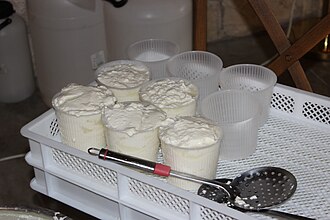
Photo: Wikipedia
Ricotta is a soft, creamy Italian whey cheese with a slightly sweet, milky flavor and a light, grainy texture. It's a protein-rich dairy product made from the whey left over from cheese production. With about 148 calories and 9.6g of protein per 100g, it offers a good balance of protein and fat for satiety.
Calorie split: 26% protein · 16% carbs · 58% fat
↓ Full nutrition💚 Why it's loved
People adore ricotta for its mild, sweet creaminess that acts as a blank canvas, absorbing flavors in lasagna or pairing beautifully with honey and fruit. Its light, fluffy texture makes it feel indulgent yet comforting in both Italian classics and modern recipes.
⚠️ Watch-outs & how to enjoy it better
As a dairy product, it contains lactose and milk proteins, which can cause issues for those with intolerances or allergies. Its soft texture can be high in moisture, potentially making dishes watery if not drained. To counteract, ensure it's well-drained in recipes like stuffed shells, and those with lactose sensitivity can try lactose-free versions or pair it with digestive enzymes.
Key benefits
- Good source of complete protein for muscle maintenance.
- Contains calcium for bone health.
- Naturally lower in sodium than many aged cheeses.
- Versatile ingredient for both sweet and savory dishes.
- Provides phosphorus and B vitamins like riboflavin.
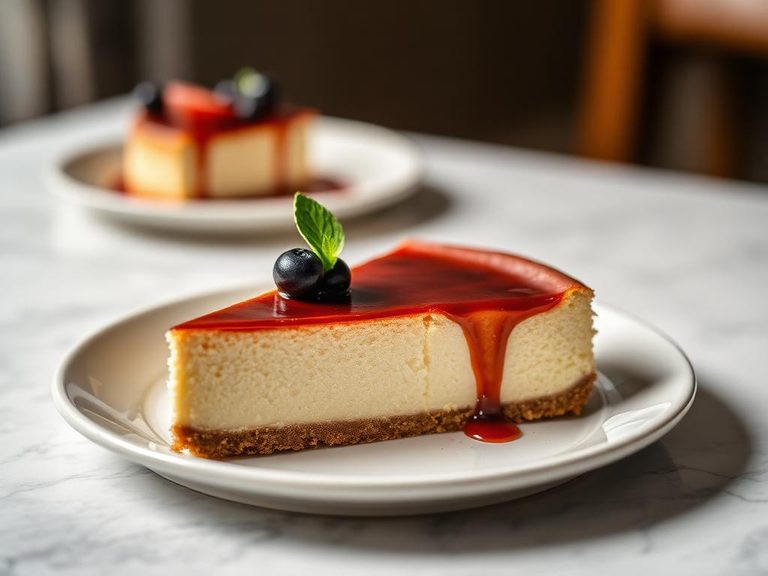
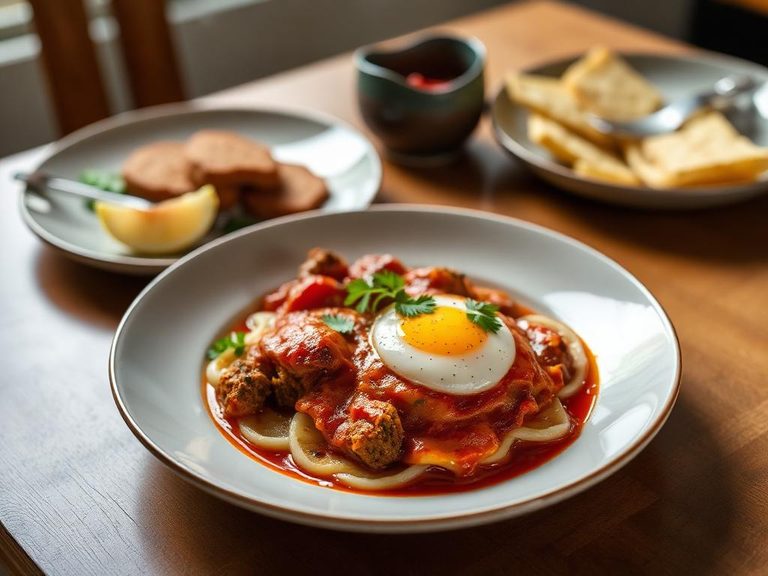
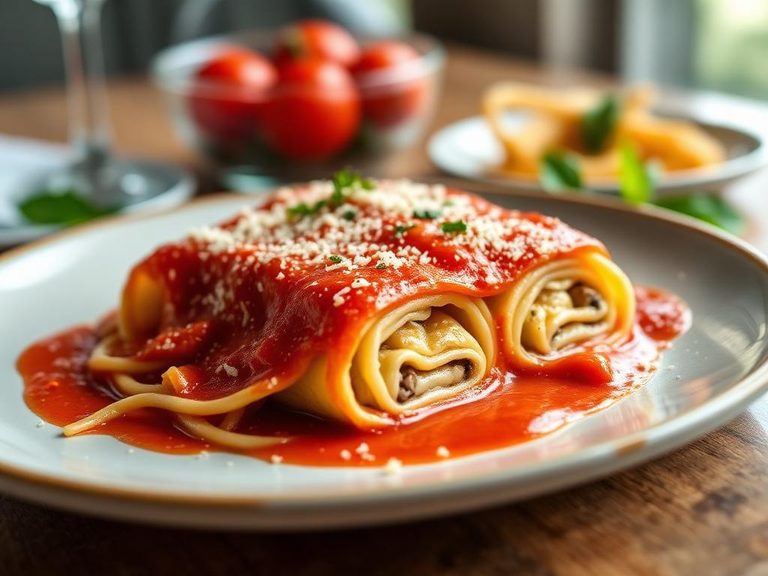
🍽️ Popular dishes
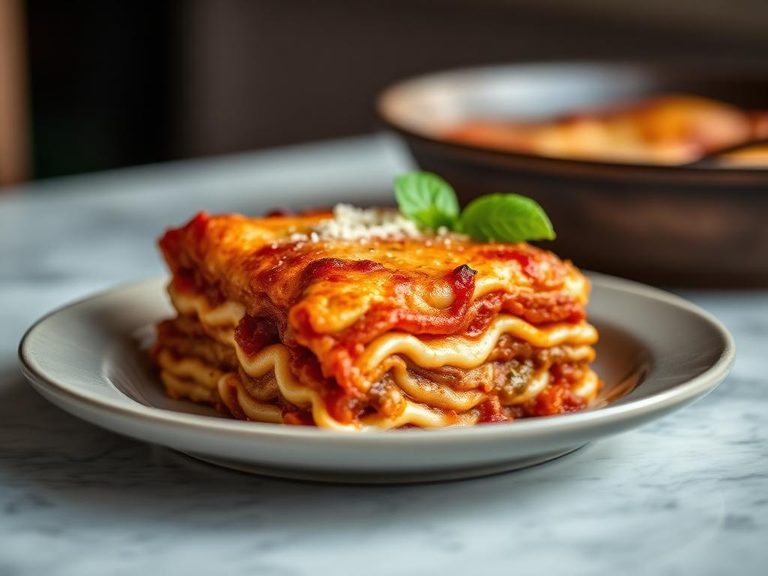
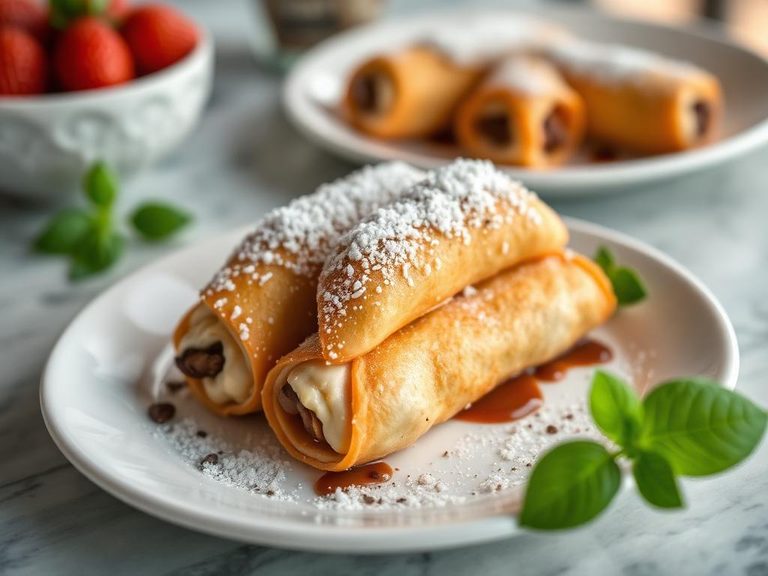
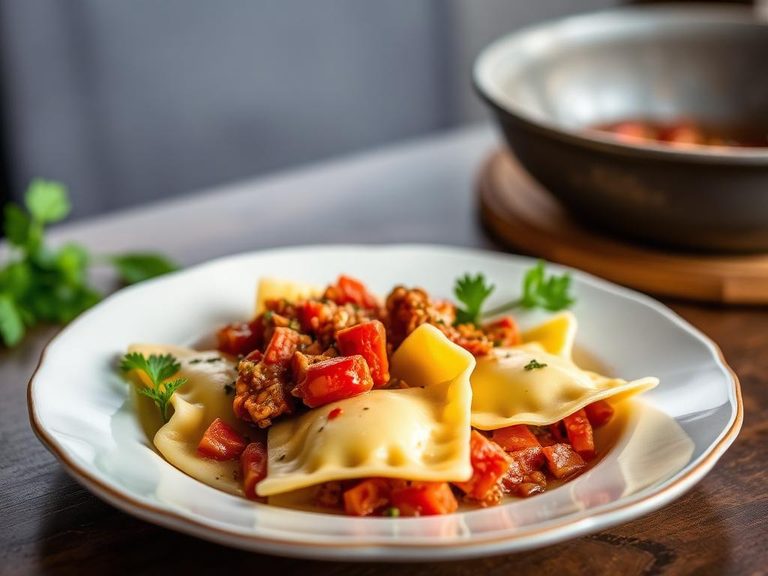
🌍 Where it's eaten
💡 Did you know?
The name 'ricotta' literally means 'recooked' in Italian, referring to the traditional process of reheating the whey leftover from making other cheeses like mozzarella or provolone.
Full nutrition (USDA data · scales with serving)
| Water | 73.7 g |
| Energy | 148 kcal |
| Protein | 9.6 g |
| Total lipid (fat) | 9.5 g |
| Carbohydrate, by difference | 6.0 g |
| Fiber, total dietary | 0.00 g |
| Total Sugars | 0.29 g |
| Calcium, Ca | 248 mg |
| Iron, Fe | 0.27 mg |
| Magnesium, Mg | 18.0 mg |
| Phosphorus, P | 172 mg |
| Potassium, K | 178 mg |
| Sodium, Na | 102 mg |
| Zinc, Zn | 0.95 mg |
| Copper, Cu | 0.02 mg |
| Selenium, Se | 11.1 ug |
| Vitamin C, total ascorbic acid | 0.00 mg |
| Thiamin | 0.03 mg |
| Riboflavin | 0.26 mg |
| Niacin | 0.12 mg |
| Vitamin B-6 | 0.06 mg |
| Folate, total | 8.0 ug |
| Folic acid | 0.00 ug |
| Folate, food | 8.0 ug |
| Folate, DFE | 8.0 ug |
| Choline, total | 16.9 mg |
| Vitamin B-12 | 0.54 ug |
| Vitamin B-12, added | 0.00 ug |
| Vitamin A, RAE | 117 ug |
| Retinol | 116 ug |
| Carotene, beta | 10.0 ug |
| Carotene, alpha | 0.00 ug |
| Cryptoxanthin, beta | 0.00 ug |
| Lycopene | 0.00 ug |
| Lutein + zeaxanthin | 0.00 ug |
| Vitamin E (alpha-tocopherol) | 0.17 mg |
| Vitamin E, added | 0.00 mg |
| Vitamin D (D2 + D3) | 0.20 ug |
| Vitamin K (phylloquinone) | 0.60 ug |
| Alcohol, ethyl | 0.00 g |
| Caffeine | 0.00 mg |
| Theobromine | 0.00 mg |
Fat & fatty acid profile (per 100g)
| Fatty acids, total saturated | 5.9 g |
| SFA 4:0 | 0.25 g |
| SFA 6:0 | 0.13 g |
| SFA 8:0 | 0.10 g |
| SFA 10:0 | 0.23 g |
| SFA 12:0 | 0.23 g |
| SFA 14:0 | 0.98 g |
| SFA 16:0 | 2.9 g |
| SFA 18:0 | 0.94 g |
| Fatty acids, total monounsaturated | 2.4 g |
| MUFA 16:1 | 0.25 g |
| MUFA 18:1 | 2.2 g |
| MUFA 20:1 | 0.01 g |
| MUFA 22:1 | 0.00 g |
| Fatty acids, total polyunsaturated | 0.32 g |
| PUFA 18:2 | 0.28 g |
| PUFA 18:3 | 0.06 g |
| PUFA 18:4 | 0.00 g |
| PUFA 20:4 | 0.01 g |
| PUFA 20:5 n-3 (EPA) | 0.00 g |
| PUFA 22:5 n-3 (DPA) | 0.00 g |
| PUFA 22:6 n-3 (DHA) | 0.00 g |
| Cholesterol | 40.0 mg |
Amino acid profile (per 100g)
Estimated from Crackers, cheese, sandwich-type with cheese filling — USDA does not publish this profile for Cheese.
| Tryptophan | 0.11 g |
| Threonine | 0.33 g |
| Isoleucine | 0.36 g |
| Leucine | 0.64 g |
| Lysine | 0.39 g |
| Methionine | 0.15 g |
| Cystine | 0.15 g |
| Phenylalanine | 0.35 g |
| Tyrosine | 0.25 g |
| Valine | 0.38 g |
| Arginine | 0.29 g |
| Histidine | 0.17 g |
| Alanine | 0.30 g |
| Aspartic acid | 0.52 g |
| Glutamic acid | 2.2 g |
| Glycine | 0.24 g |
| Proline | 0.77 g |
| Serine | 0.40 g |
FAQ
What's the difference between ricotta and cottage cheese?
Ricotta is made from whey and has a finer, grainier texture and sweeter flavor, while cottage cheese is made from curds and has larger, lumpier curds with a tangier taste.
Is ricotta cheese good for you?
It can be part of a healthy diet, offering protein, calcium, and phosphorus. However, it's also a source of saturated fat and calories, so moderation is key, especially for those monitoring fat intake.
Can I freeze ricotta cheese?
Freezing changes its texture, making it grainier and more watery upon thawing. It's best used in cooked dishes like lasagna or baked goods after freezing, not in fresh applications like on toast.
Nutrient density (calculated · NRF9.3)
Nutrient Rich Foods index: beneficial nutrients (protein, fiber, vitamins, minerals) minus saturated fat, added sugar & sodium, per 100 kcal.
NRF9.3 index — Fulgoni, Keast & Drewnowski, 2009. Computed from USDA nutrients.
Weight-loss friendliness (composite index)
Energy density 1.48 kcal/g · 26% calories from protein · 0.0 g fiber · 0.3 g sugar per 100 g.
Composite of energy density (Rolls et al., 1999), protein & fiber satiety, minus sugar. A calculated heuristic — ranks satiety-per-calorie, not a clinical measure.
Dietary load (calculated from USDA values)
Potential renal acid load. Positive = acid-forming, negative = alkaline-forming.
Sodium-to-potassium ratio: 0.57 (lower is better — aim for ≤ 1)
Sodium:potassium per WHO potassium guidance. Computed from USDA nutrients.