

Ravioli filling
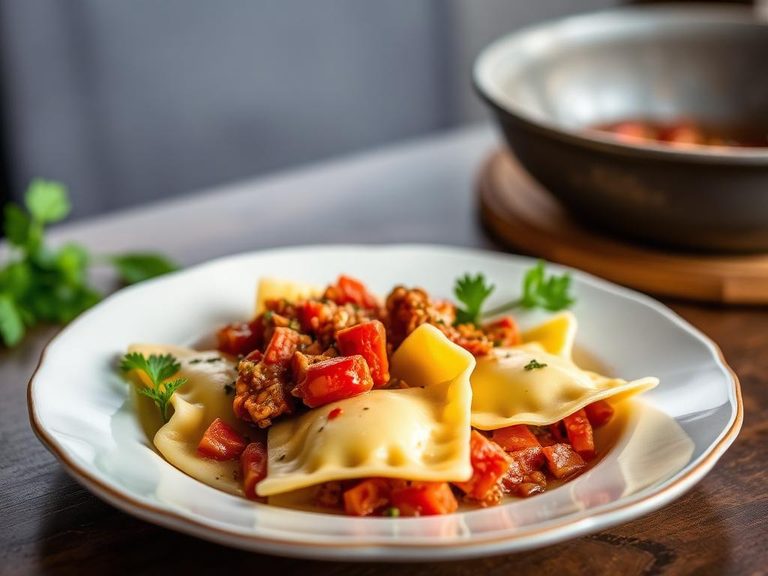
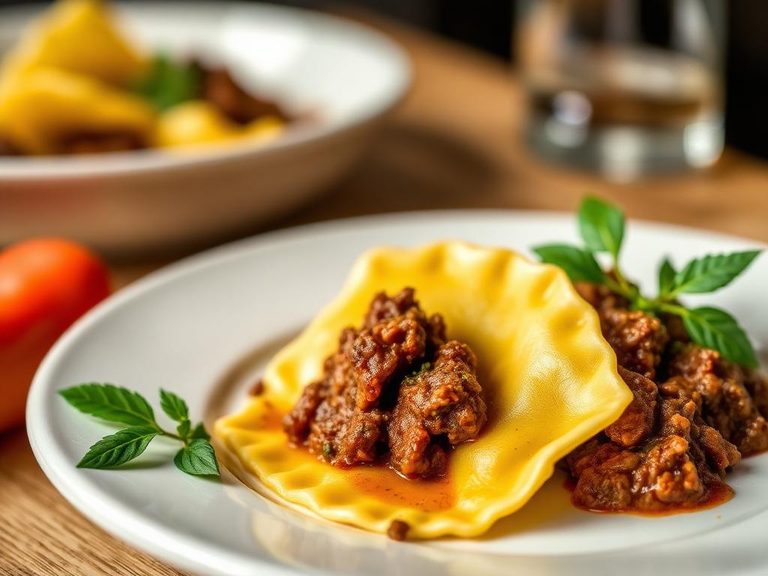
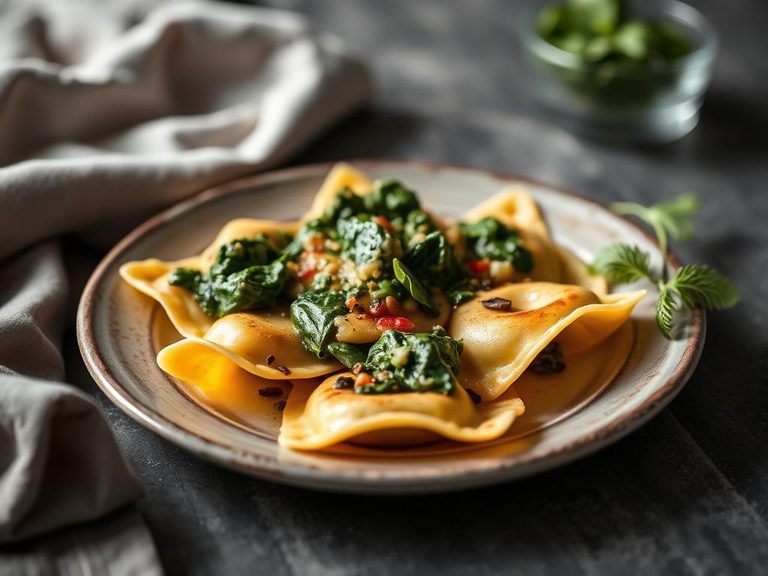
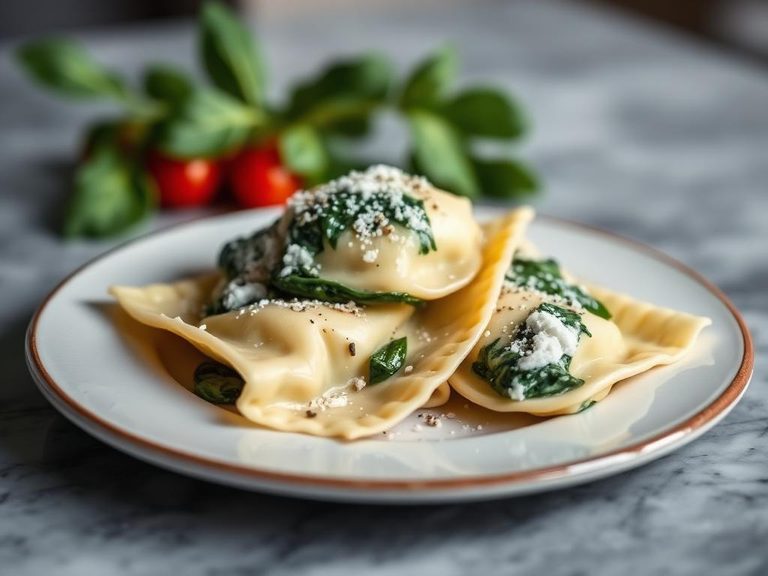
Ravioli filling is the savory or sweet mixture enclosed within thin pasta dough pockets, a hallmark of Italian cuisine. Classic fillings include ricotta cheese and spinach, seasoned with nutmeg and Parmesan, while other popular variations feature meat, pumpkin, or mushrooms. Originating in Italy, ravioli has become a beloved dish worldwide, with regional variations across different areas.
🍳 View the full Ravioli filling recipe →
🍽️ Nutrition at a glance
Ravioli fillings are typically balanced in macronutrients, offering a mix of protein from cheese or meat, carbohydrates from the pasta, and fats from dairy or oils. A standard serving provides essential nutrients like calcium, iron, and B vitamins, with a calorie range of approximately 300-500 calories per serving, depending on the filling and sauce.
Nutrition breakdown
| Calories | 150 kcal |
| Protein | 10 g |
| Carbs | 8 g |
| Fat | 9 g |
| Fiber | 1 g |
| Sugar | 1 g |
| Sodium | 350 mg |
| Iron | 2.5 mg |
| Potassium | 200 mg |
| Vitamin B12 | 1.5 µg |
| Niacin (B3) | 4 mg |
| Zinc | 2.5 mg |
| Phosphorus | 120 mg |
| Selenium | 15 µg |
| Vitamin A | 80 µg RAE |
Per 1/2 cup (125 g) · estimated, varies by recipe
💡 What's interesting
Culturally, ravioli fillings reflect Italy's regional diversity, with coastal areas favoring seafood and inland regions using more cheese or meat. Nutritionally, the combination of pasta and filling creates a complete meal, and the tradition of using seasonal ingredients highlights a deep connection to local agriculture and culinary heritage.
🍽️ Related dishes

AI estimate may be inaccurate · Terms