

Cheese, cottage, lowfat, lactose reduced
Common food

Photo: Wikipedia
This is a light, creamy, and slightly tangy dairy product made from curds, specifically processed to reduce lactose and lower fat content. Its texture is characteristically lumpy and moist, offering a mild, milky flavor that serves as a neutral canvas for both sweet and savory dishes. Nutritionally, it stands out as a high-protein, low-calorie powerhouse, packing 11 grams of protein per 100 grams for just 82 calories.
Calorie split: 54% protein · 21% carbs · 25% fat
↓ Full nutrition💚 Why it's loved
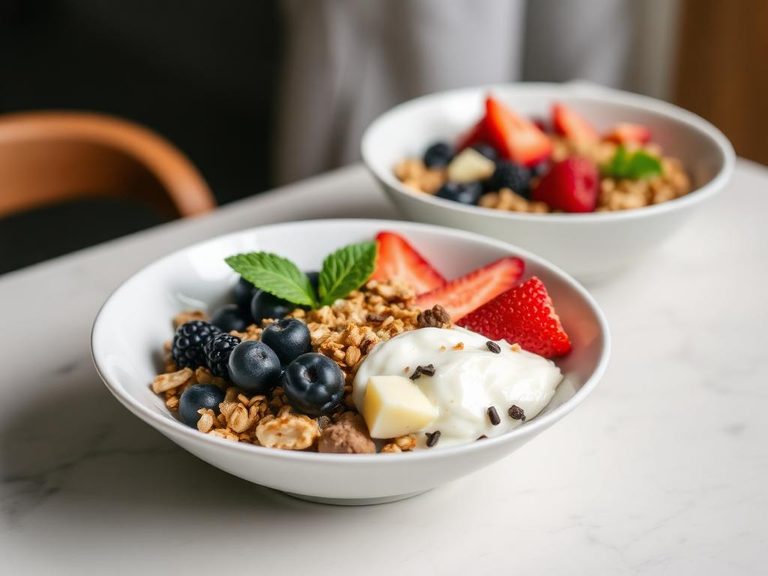
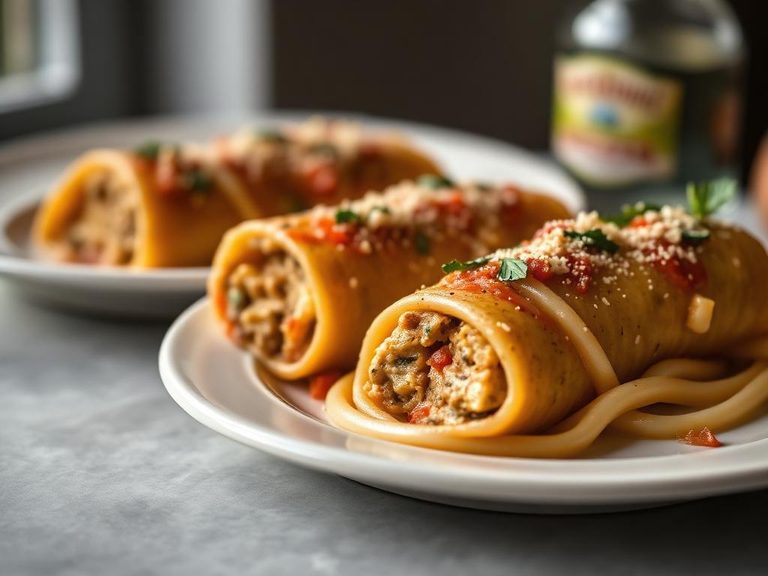
People love it for its remarkable versatility and mild, creamy texture that blends seamlessly into both breakfast bowls and savory casseroles. Its ability to boost protein without overwhelming the dish's flavor makes it a staple in health-conscious kitchens worldwide.
⚠️ Watch-outs & how to enjoy it better
Some find the lumpy texture unappealing or the taste too bland and acidic, and those with severe milk protein allergies must avoid it. To counteract the blandness, mix it with fresh herbs, spices, or a drizzle of honey, and for texture concerns, blend it smooth for dressings or dips.
Key benefits
- Excellent source of high-quality protein for muscle maintenance
- Low in calories and fat, ideal for weight management
- Lactose-reduced for easier digestion by sensitive individuals
- Rich in calcium and phosphorus for bone health
- Low glycemic impact due to minimal sugar and carbs
🍽️ Popular dishes
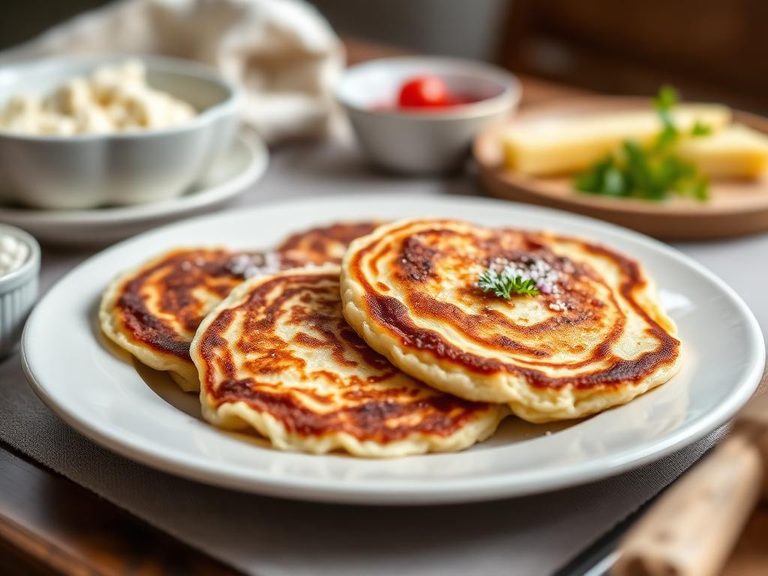
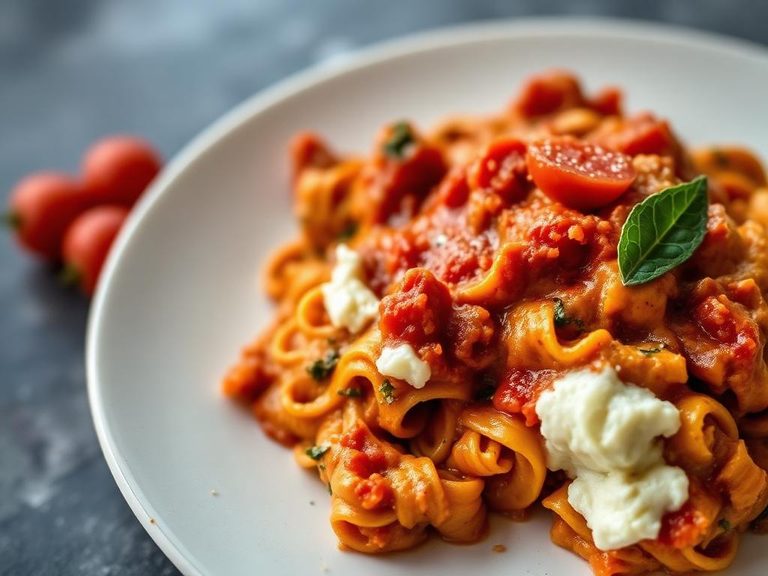
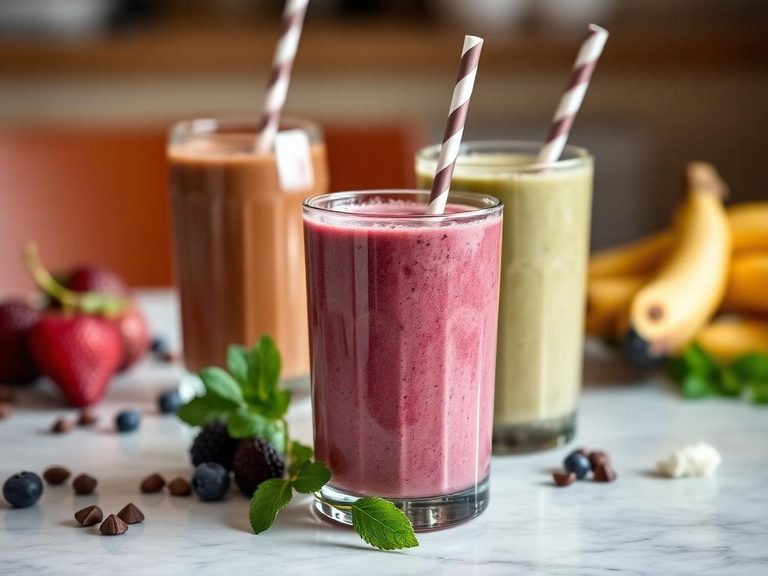
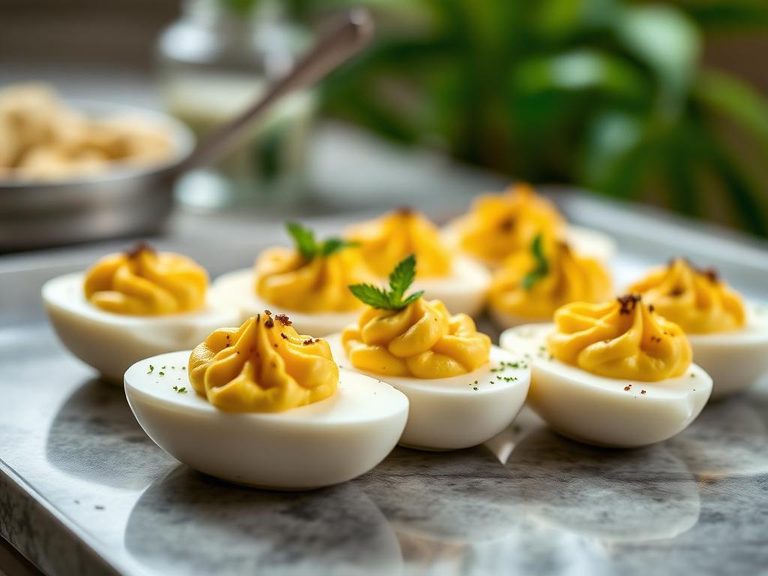
🌍 Where it's eaten
💡 Did you know?
Cottage cheese is technically a 'fresh cheese' because it is not aged or pressed, and its name likely comes from the small 'cottages' where it was traditionally made from leftover milk.
Full nutrition (USDA data · scales with serving)
| Water | 81.1 g |
| Energy | 82.0 kcal |
| Protein | 11.0 g |
| Total lipid (fat) | 2.3 g |
| Carbohydrate, by difference | 4.3 g |
| Fiber, total dietary | 0.00 g |
| Total Sugars | 4.1 g |
| Calcium, Ca | 103 mg |
| Iron, Fe | 0.13 mg |
| Magnesium, Mg | 9.0 mg |
| Phosphorus, P | 148 mg |
| Potassium, K | 120 mg |
| Sodium, Na | 321 mg |
| Zinc, Zn | 0.61 mg |
| Copper, Cu | 0.03 mg |
| Selenium, Se | 14.6 ug |
| Vitamin C, total ascorbic acid | 0.00 mg |
| Thiamin | 0.02 mg |
| Riboflavin | 0.23 mg |
| Niacin | 0.09 mg |
| Vitamin B-6 | 0.06 mg |
| Folate, total | 10.0 ug |
| Folic acid | 0.00 ug |
| Folate, food | 10.0 ug |
| Folate, DFE | 10.0 ug |
| Choline, total | 16.3 mg |
| Vitamin B-12 | 0.42 ug |
| Vitamin B-12, added | 0.00 ug |
| Vitamin A, RAE | 69.0 ug |
| Retinol | 69.0 ug |
| Carotene, beta | 0.00 ug |
| Carotene, alpha | 0.00 ug |
| Cryptoxanthin, beta | 0.00 ug |
| Lycopene | 0.00 ug |
| Lutein + zeaxanthin | 0.00 ug |
| Vitamin E (alpha-tocopherol) | 0.08 mg |
| Vitamin E, added | 0.00 mg |
| Vitamin D (D2 + D3) | 0.00 ug |
| Vitamin K (phylloquinone) | 0.00 ug |
| Alcohol, ethyl | 0.00 g |
| Caffeine | 0.00 mg |
| Theobromine | 0.00 mg |
Fat & fatty acid profile (per 100g)
| Fatty acids, total saturated | 1.3 g |
| SFA 4:0 | 0.04 g |
| SFA 6:0 | 0.04 g |
| SFA 8:0 | 0.03 g |
| SFA 10:0 | 0.06 g |
| SFA 12:0 | 0.06 g |
| SFA 14:0 | 0.20 g |
| SFA 16:0 | 0.57 g |
| SFA 18:0 | 0.23 g |
| Fatty acids, total monounsaturated | 0.47 g |
| MUFA 16:1 | 0.03 g |
| MUFA 18:1 | 0.47 g |
| MUFA 20:1 | 0.00 g |
| MUFA 22:1 | 0.00 g |
| Fatty acids, total polyunsaturated | 0.07 g |
| PUFA 18:2 | 0.07 g |
| PUFA 18:3 | 0.01 g |
| PUFA 18:4 | 0.00 g |
| PUFA 20:4 | 0.00 g |
| PUFA 20:5 n-3 (EPA) | 0.00 g |
| PUFA 22:5 n-3 (DPA) | 0.00 g |
| PUFA 22:6 n-3 (DHA) | 0.00 g |
| Cholesterol | 12.0 mg |
Amino acid profile (per 100g)
Estimated from Crackers, cheese, sandwich-type with cheese filling — USDA does not publish this profile for Cheese.
| Tryptophan | 0.11 g |
| Threonine | 0.33 g |
| Isoleucine | 0.36 g |
| Leucine | 0.64 g |
| Lysine | 0.39 g |
| Methionine | 0.15 g |
| Cystine | 0.15 g |
| Phenylalanine | 0.35 g |
| Tyrosine | 0.25 g |
| Valine | 0.38 g |
| Arginine | 0.29 g |
| Histidine | 0.17 g |
| Alanine | 0.30 g |
| Aspartic acid | 0.52 g |
| Glutamic acid | 2.2 g |
| Glycine | 0.24 g |
| Proline | 0.77 g |
| Serine | 0.40 g |
FAQ
Is low-fat cottage cheese a good post-workout snack?
Yes, its high protein content (11g per 100g) and relatively low fat make it excellent for muscle recovery, especially when paired with a carbohydrate source like fruit.
How does lactose-reduced cottage cheese differ from regular?
It contains added lactase enzyme to break down lactose, making it easier to digest for those with lactose intolerance while retaining the same nutritional profile.
Can I use it in baking?
Absolutely, it adds moisture and protein to muffins, cakes, and pancakes, often replacing some of the oil or butter for a lighter texture.
What's the best way to store it?
Keep it sealed in the refrigerator and consume within 5-7 days of opening; always check for off smells or mold before eating.
Nutrient density (calculated · NRF9.3)
Nutrient Rich Foods index: beneficial nutrients (protein, fiber, vitamins, minerals) minus saturated fat, added sugar & sodium, per 100 kcal.
NRF9.3 index — Fulgoni, Keast & Drewnowski, 2009. Computed from USDA nutrients.
Weight-loss friendliness (composite index)
Energy density 0.82 kcal/g · 54% calories from protein · 0.0 g fiber · 4.1 g sugar per 100 g.
Composite of energy density (Rolls et al., 1999), protein & fiber satiety, minus sugar. A calculated heuristic — ranks satiety-per-calorie, not a clinical measure.
Dietary load (calculated from USDA values)
Potential renal acid load. Positive = acid-forming, negative = alkaline-forming.
Sodium-to-potassium ratio: 2.67 (lower is better — aim for ≤ 1)
Sodium:potassium per WHO potassium guidance. Computed from USDA nutrients.