

Cheese, Blue or Roquefort
Common food

Photo: Wikipedia
Blue cheese is a bold, pungent cheese characterized by its distinctive blue-green veins of Penicillium mold, which develop during a controlled aging process. Its texture can range from creamy and crumbly to semi-firm, delivering a sharp, salty, and often earthy flavor with a lingering tang. Nutritionally, it is a dense source of protein and fat, providing significant calories in a small serving.
Calorie split: 24% protein · 3% carbs · 73% fat
↓ Full nutrition💚 Why it's loved
People love blue cheese for its complex, intensely savory flavor that can elevate simple dishes like salads, steaks, and burgers. Its cultural heritage, particularly from regions like France and England, adds a layer of gourmet appeal and tradition to meals.
⚠️ Watch-outs & how to enjoy it better
The strong, pungent aroma and salty taste can be off-putting to some, and its high sodium and fat content may require moderation for those with specific dietary concerns. To counteract this, pair it with low-sodium foods like fresh fruits (e.g., pears or apples) or use it sparingly as a flavor enhancer rather than a main ingredient.
Key benefits
- High in protein (21.4g per 100g), supporting muscle maintenance.
- Rich in calcium, essential for bone health.
- Contains beneficial probiotics from the mold cultures.
- Provides a good source of vitamin B12 and phosphorus.
- Offers a concentrated source of healthy fats for satiety.
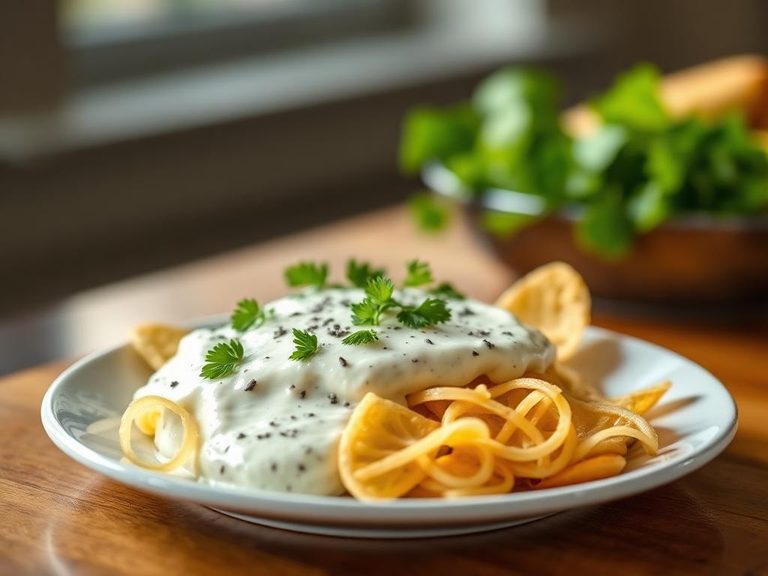
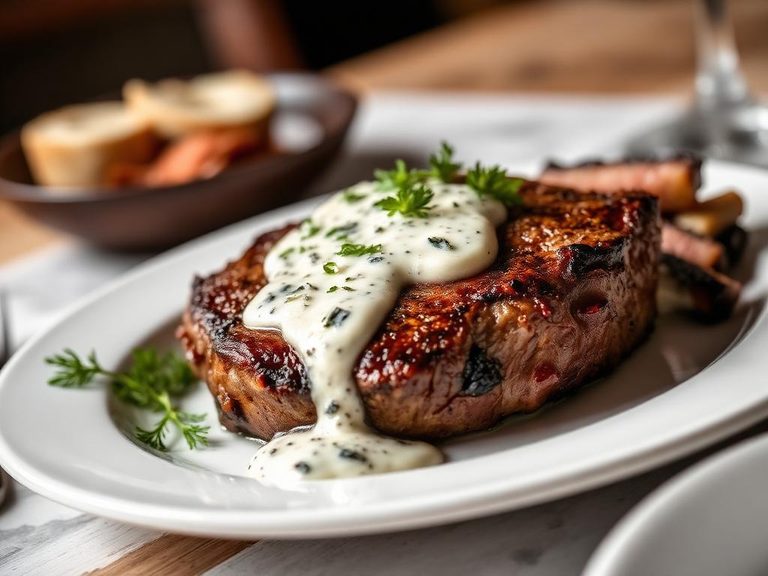
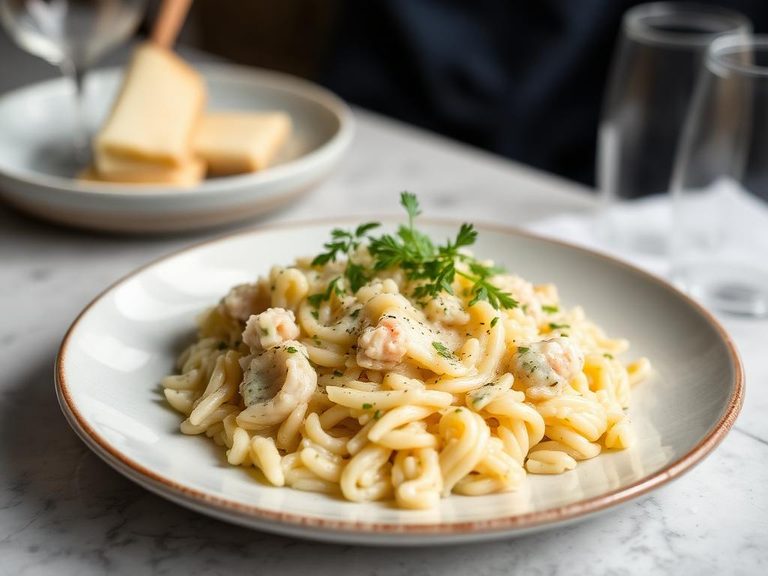
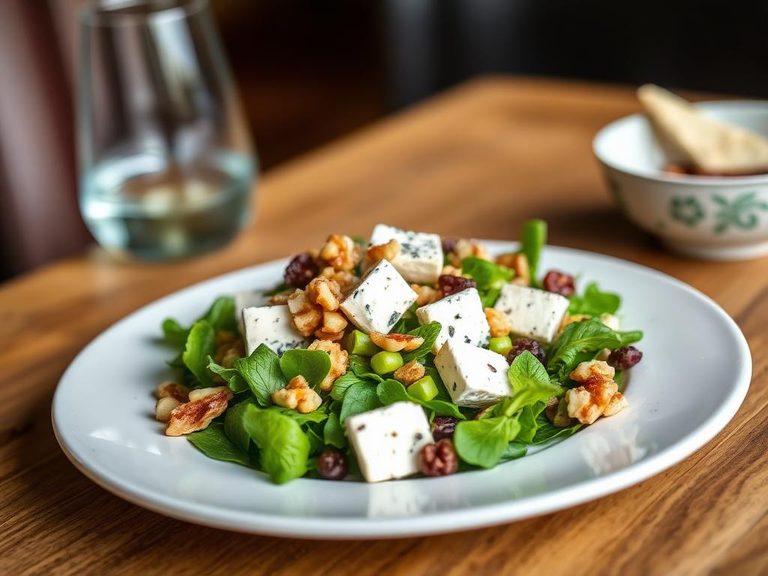
🍽️ Popular dishes

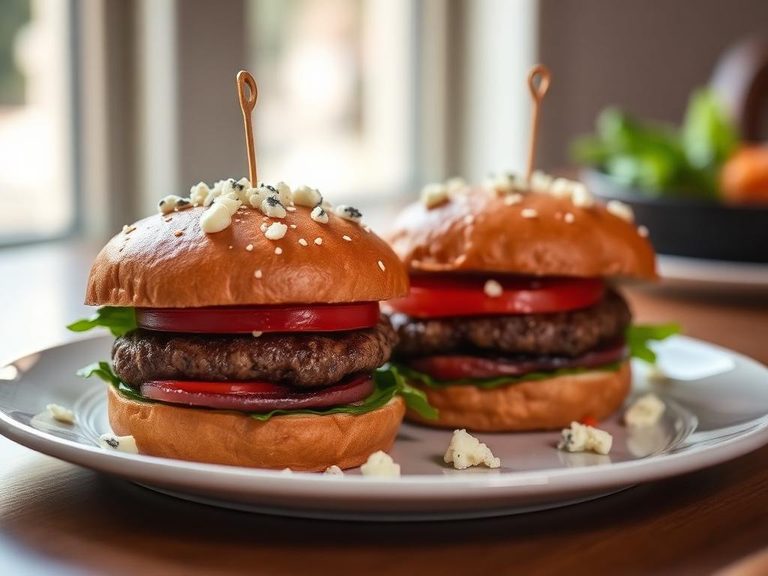
🌍 Where it's eaten
💡 Did you know?
Blue cheese is one of the oldest known cheese varieties, with evidence of mold-ripened cheese dating back to ancient Roman times, and some traditional blue cheeses are still aged in natural caves to maintain specific humidity and temperature conditions.
Full nutrition (USDA data · scales with serving)
| Water | 42.4 g |
| Energy | 353 kcal |
| Protein | 21.4 g |
| Total lipid (fat) | 28.7 g |
| Carbohydrate, by difference | 2.3 g |
| Fiber, total dietary | 0.00 g |
| Total Sugars | 0.50 g |
| Calcium, Ca | 528 mg |
| Iron, Fe | 0.31 mg |
| Magnesium, Mg | 23.0 mg |
| Phosphorus, P | 387 mg |
| Potassium, K | 256 mg |
| Sodium, Na | 1146 mg |
| Zinc, Zn | 2.7 mg |
| Copper, Cu | 0.04 mg |
| Selenium, Se | 14.5 ug |
| Vitamin C, total ascorbic acid | 0.00 mg |
| Thiamin | 0.03 mg |
| Riboflavin | 0.38 mg |
| Niacin | 1.0 mg |
| Vitamin B-6 | 0.17 mg |
| Folate, total | 36.0 ug |
| Folic acid | 0.00 ug |
| Folate, food | 36.0 ug |
| Folate, DFE | 36.0 ug |
| Choline, total | 15.4 mg |
| Vitamin B-12 | 1.2 ug |
| Vitamin B-12, added | 0.00 ug |
| Vitamin A, RAE | 198 ug |
| Retinol | 192 ug |
| Carotene, beta | 74.0 ug |
| Carotene, alpha | 0.00 ug |
| Cryptoxanthin, beta | 0.00 ug |
| Lycopene | 0.00 ug |
| Lutein + zeaxanthin | 0.00 ug |
| Vitamin E (alpha-tocopherol) | 0.25 mg |
| Vitamin E, added | 0.00 mg |
| Vitamin D (D2 + D3) | 0.50 ug |
| Vitamin K (phylloquinone) | 2.4 ug |
| Alcohol, ethyl | 0.00 g |
| Caffeine | 0.00 mg |
| Theobromine | 0.00 mg |
Fat & fatty acid profile (per 100g)
| Fatty acids, total saturated | 18.7 g |
| SFA 4:0 | 0.66 g |
| SFA 6:0 | 0.36 g |
| SFA 8:0 | 0.25 g |
| SFA 10:0 | 0.60 g |
| SFA 12:0 | 0.49 g |
| SFA 14:0 | 3.3 g |
| SFA 16:0 | 9.2 g |
| SFA 18:0 | 3.2 g |
| Fatty acids, total monounsaturated | 7.8 g |
| MUFA 16:1 | 0.82 g |
| MUFA 18:1 | 6.6 g |
| MUFA 20:1 | 0.00 g |
| MUFA 22:1 | 0.00 g |
| Fatty acids, total polyunsaturated | 0.80 g |
| PUFA 18:2 | 0.54 g |
| PUFA 18:3 | 0.26 g |
| PUFA 18:4 | 0.00 g |
| PUFA 20:4 | 0.00 g |
| PUFA 20:5 n-3 (EPA) | 0.00 g |
| PUFA 22:5 n-3 (DPA) | 0.00 g |
| PUFA 22:6 n-3 (DHA) | 0.00 g |
| Cholesterol | 75.0 mg |
Amino acid profile (per 100g)
Estimated from Crackers, cheese, sandwich-type with cheese filling — USDA does not publish this profile for Cheese.
| Tryptophan | 0.11 g |
| Threonine | 0.33 g |
| Isoleucine | 0.36 g |
| Leucine | 0.64 g |
| Lysine | 0.39 g |
| Methionine | 0.15 g |
| Cystine | 0.15 g |
| Phenylalanine | 0.35 g |
| Tyrosine | 0.25 g |
| Valine | 0.38 g |
| Arginine | 0.29 g |
| Histidine | 0.17 g |
| Alanine | 0.30 g |
| Aspartic acid | 0.52 g |
| Glutamic acid | 2.2 g |
| Glycine | 0.24 g |
| Proline | 0.77 g |
| Serine | 0.40 g |
FAQ
What makes blue cheese blue?
The blue-green veins are created by introducing Penicillium mold spores (like Penicillium roqueforti or Penicillium glaucum) into the cheese, which grow in air pockets during aging.
Is blue cheese safe for people with mold allergies?
While the mold in blue cheese is a specific, edible variety, individuals with mold allergies should consult a doctor, as some may still react to it.
How should blue cheese be stored?
Wrap it in wax paper or parchment paper, then place it in a loosely sealed plastic bag or container in the refrigerator to maintain moisture while allowing it to breathe.
Can blue cheese be frozen?
Freezing can alter its texture, making it crumbly, but it's safe for cooking purposes; thaw in the refrigerator and use within a few months.
Nutrient density (calculated · NRF9.3)
Nutrient Rich Foods index: beneficial nutrients (protein, fiber, vitamins, minerals) minus saturated fat, added sugar & sodium, per 100 kcal.
NRF9.3 index — Fulgoni, Keast & Drewnowski, 2009. Computed from USDA nutrients.
Weight-loss friendliness (composite index)
Energy density 3.53 kcal/g · 24% calories from protein · 0.0 g fiber · 0.5 g sugar per 100 g.
Composite of energy density (Rolls et al., 1999), protein & fiber satiety, minus sugar. A calculated heuristic — ranks satiety-per-calorie, not a clinical measure.
Dietary load (calculated from USDA values)
Potential renal acid load. Positive = acid-forming, negative = alkaline-forming.
Sodium-to-potassium ratio: 4.48 (lower is better — aim for ≤ 1)
Sodium:potassium per WHO potassium guidance. Computed from USDA nutrients.