

Blue or roquefort cheese dressing
Common food

Photo: Wikipedia
A rich, creamy dressing that marries the pungent, salty tang of blue cheese with a smooth, emulsified base, often made with buttermilk or mayonnaise. Its distinctively sharp, savory flavor and thick, velvety texture make it a bold condiment. Nutritionally, it is extremely high in fat, providing over 50g per 100g, while offering minimal protein and carbohydrates.
Calorie split: 1% protein · 4% carbs · 95% fat
↓ Full nutrition💚 Why it's loved
People adore it for its complex, umami-rich flavor that transforms simple salads and wings into indulgent treats. Its cultural association with classic American steakhouse fare and sports bar snacks gives it a nostalgic, comforting appeal.
⚠️ Watch-outs & how to enjoy it better
Its extremely high fat and calorie density can be a concern for those monitoring intake or with cardiovascular issues. To counteract this, use it sparingly as a dip or drizzle rather than a main sauce, and pair it with fiber-rich vegetables like celery, carrots, or a large green salad to add volume and slow fat absorption. The high sodium content can also be an issue; balance by choosing low-sodium versions or ensuring the rest of the meal is low in salt.
Key benefits
- Provides a significant source of dietary fat for satiety.
- Offers a quick, concentrated source of energy (484 kcal/100g).
- Contains calcium and phosphorus from the cheese component.
- Enhances the palatability of vegetables and lean proteins.
- A small amount delivers intense flavor, aiding in portion control for the main dish.
🍽️ Popular dishes

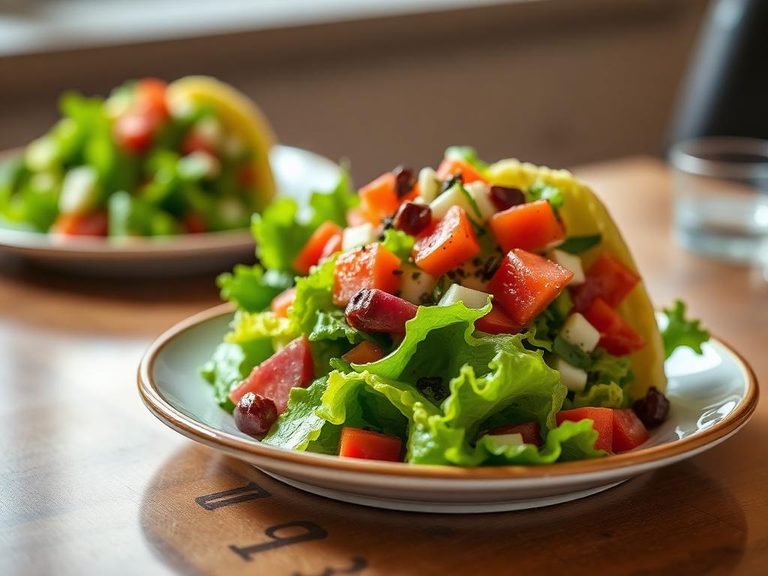
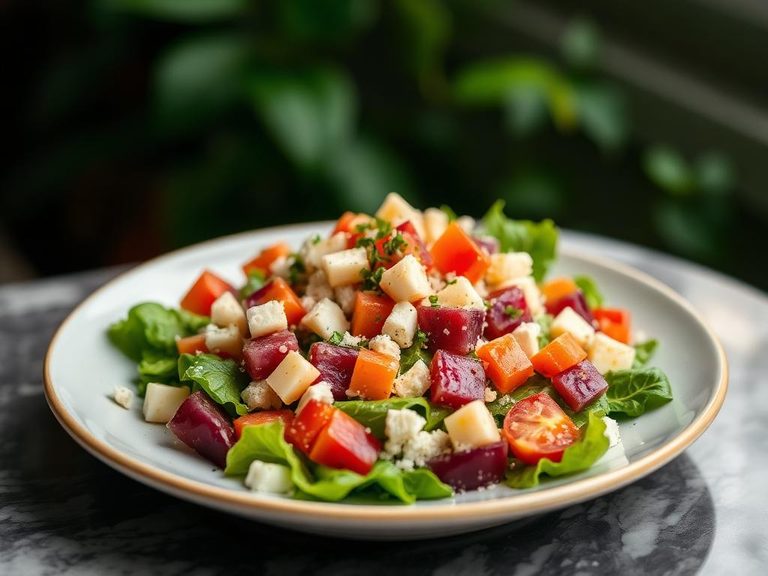
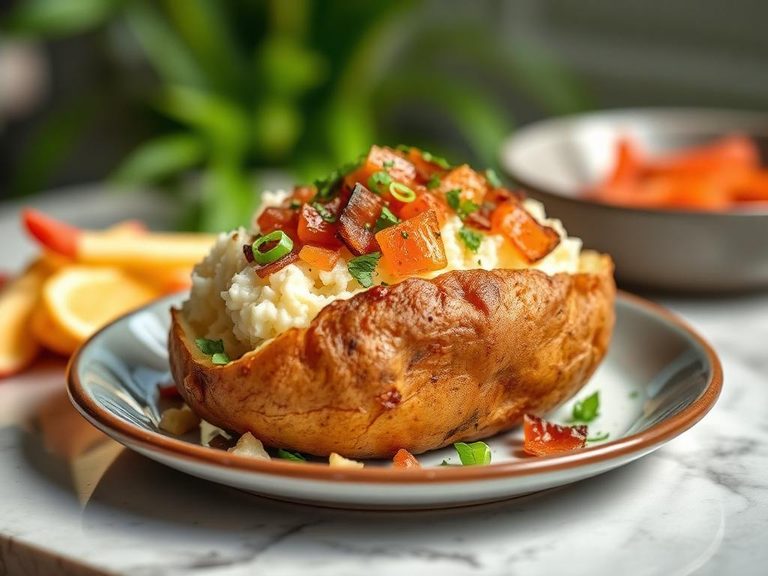
🌍 Where it's eaten
💡 Did you know?
The Roquefort cheese used in many dressings is aged in the natural limestone caves of Roquefort-sur-Soulzon, France, and is one of the world's oldest known cheeses, with a protected designation of origin (AOP) dating back to 1925.
Full nutrition (USDA data · scales with serving)
| Water | 39.7 g |
| Energy | 484 kcal |
| Protein | 1.4 g |
| Total lipid (fat) | 51.1 g |
| Carbohydrate, by difference | 4.8 g |
| Fiber, total dietary | 0.40 g |
| Total Sugars | 3.5 g |
| Calcium, Ca | 37.0 mg |
| Iron, Fe | 0.09 mg |
| Magnesium, Mg | 8.0 mg |
| Phosphorus, P | 74.0 mg |
| Potassium, K | 88.0 mg |
| Sodium, Na | 642 mg |
| Zinc, Zn | 0.21 mg |
| Copper, Cu | 0.01 mg |
| Selenium, Se | 1.0 ug |
| Vitamin C, total ascorbic acid | 0.70 mg |
| Thiamin | 0.01 mg |
| Riboflavin | 0.10 mg |
| Niacin | 0.10 mg |
| Vitamin B-6 | 0.04 mg |
| Folate, total | 5.0 ug |
| Folic acid | 0.00 ug |
| Folate, food | 5.0 ug |
| Folate, DFE | 5.0 ug |
| Choline, total | 17.9 mg |
| Vitamin B-12 | 0.27 ug |
| Vitamin B-12, added | 0.00 ug |
| Vitamin A, RAE | 14.0 ug |
| Retinol | 14.0 ug |
| Carotene, beta | 4.0 ug |
| Carotene, alpha | 1.0 ug |
| Cryptoxanthin, beta | 1.0 ug |
| Lycopene | 0.00 ug |
| Lutein + zeaxanthin | 26.0 ug |
| Vitamin E (alpha-tocopherol) | 4.3 mg |
| Vitamin E, added | 0.00 mg |
| Vitamin D (D2 + D3) | 0.10 ug |
| Vitamin K (phylloquinone) | 85.9 ug |
| Alcohol, ethyl | 0.00 g |
| Caffeine | 0.00 mg |
| Theobromine | 0.00 mg |
Fat & fatty acid profile (per 100g)
| Fatty acids, total saturated | 8.3 g |
| SFA 4:0 | 0.02 g |
| SFA 6:0 | 0.01 g |
| SFA 8:0 | 0.01 g |
| SFA 10:0 | 0.01 g |
| SFA 12:0 | 0.01 g |
| SFA 14:0 | 0.08 g |
| SFA 16:0 | 5.3 g |
| SFA 18:0 | 2.4 g |
| Fatty acids, total monounsaturated | 13.3 g |
| MUFA 16:1 | 0.04 g |
| MUFA 18:1 | 13.1 g |
| MUFA 20:1 | 0.11 g |
| MUFA 22:1 | 0.00 g |
| Fatty acids, total polyunsaturated | 27.5 g |
| PUFA 18:2 | 24.3 g |
| PUFA 18:3 | 3.2 g |
| PUFA 18:4 | 0.00 g |
| PUFA 20:4 | 0.01 g |
| PUFA 20:5 n-3 (EPA) | 0.00 g |
| PUFA 22:5 n-3 (DPA) | 0.00 g |
| PUFA 22:6 n-3 (DHA) | 0.00 g |
| Cholesterol | 31.0 mg |
FAQ
Is blue cheese dressing the same as ranch dressing?
No. While both are creamy and often used as dips, blue cheese dressing is made with crumbled blue cheese (like Roquefort or Gorgonzola) and has a sharp, pungent flavor. Ranch dressing is typically made with buttermilk, herbs, and spices like dill and parsley, resulting in a milder, herbaceous taste.
Can I make a lighter version of blue cheese dressing?
Yes. You can substitute part of the mayonnaise or sour cream base with Greek yogurt or buttermilk to reduce fat and calories. Using a smaller amount of a very flavorful blue cheese can also maintain the taste while lowering the overall fat content.
What is the best way to store homemade blue cheese dressing?
Store it in an airtight container in the refrigerator. It will typically keep for 5-7 days. The flavor may intensify as it sits. Always give it a good stir before serving, as it may separate slightly.
Nutrient density (calculated · NRF9.3)
Nutrient Rich Foods index: beneficial nutrients (protein, fiber, vitamins, minerals) minus saturated fat, added sugar & sodium, per 100 kcal.
NRF9.3 index — Fulgoni, Keast & Drewnowski, 2009. Computed from USDA nutrients.
Weight-loss friendliness (composite index)
Energy density 4.84 kcal/g · 1% calories from protein · 0.4 g fiber · 3.5 g sugar per 100 g.
Composite of energy density (Rolls et al., 1999), protein & fiber satiety, minus sugar. A calculated heuristic — ranks satiety-per-calorie, not a clinical measure.
Dietary load (calculated from USDA values)
Potential renal acid load. Positive = acid-forming, negative = alkaline-forming.
Sodium-to-potassium ratio: 7.30 (lower is better — aim for ≤ 1)
Sodium:potassium per WHO potassium guidance. Computed from USDA nutrients.