

Broccoli, frozen, cooked, no added fat
Common food

Photo: Wikipedia
Frozen broccoli, once cooked, offers a tender-crisp bite and a mild, earthy sweetness that's more concentrated than its fresh counterpart. It's a nutritional powerhouse, delivering a surprising 3.09 grams of protein and 3 grams of fiber for just 28 calories per 100 grams. This convenient vegetable is a staple for quick, healthy meals, retaining most of its vitamins through flash-freezing.
Calorie split: 36% protein · 61% carbs · 3% fat
↓ Full nutrition💚 Why it's loved
People love it for its incredible convenience and consistent quality, making healthy eating effortless. Its ability to absorb sauces and seasonings makes it a versatile canvas for countless cuisines, from stir-fries to casseroles.
⚠️ Watch-outs & how to enjoy it better
The primary downside is its potential for a slightly watery texture if overcooked, which can dilute flavor. To counteract this, avoid boiling; instead, steam, roast, or pan-sauté it directly from frozen to preserve texture. For those monitoring sodium, choose varieties with no added salt.
Key benefits
- Excellent source of fiber for digestive health.
- High in vitamin C and vitamin K for immune and bone support.
- Provides plant-based protein with very low fat.
- Convenient and reduces food waste with a long shelf life.
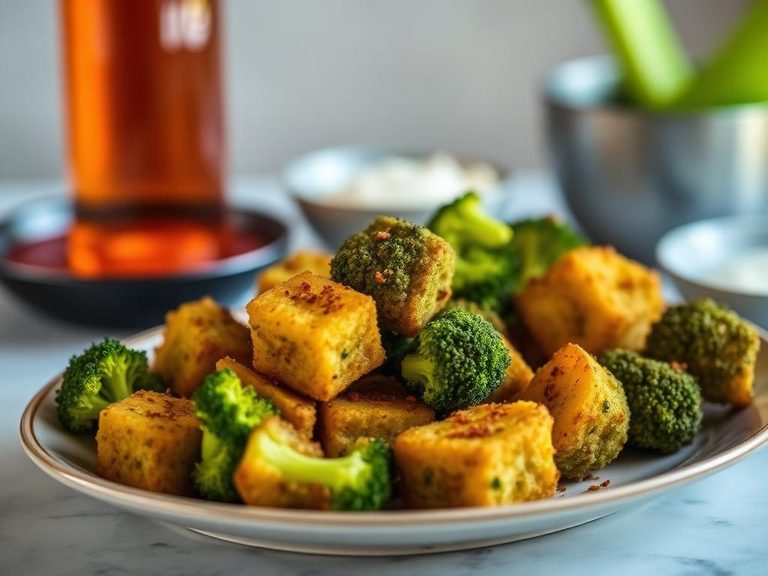
🍽️ Popular dishes
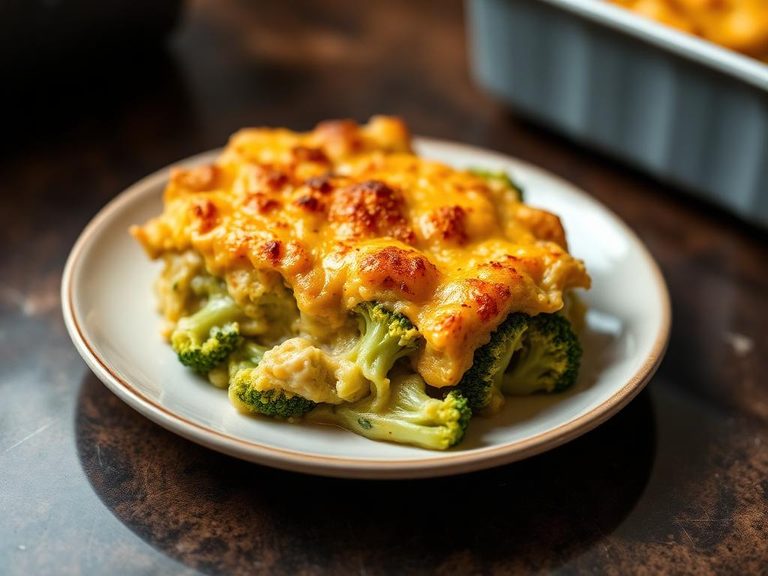
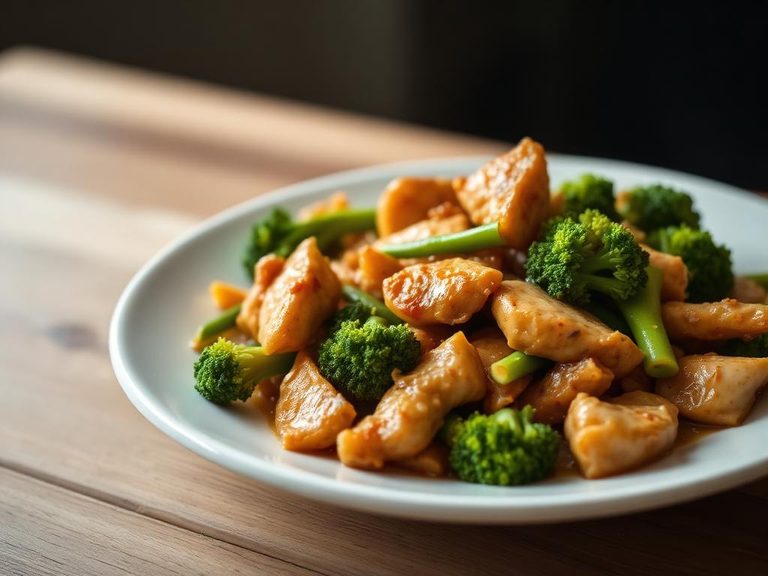
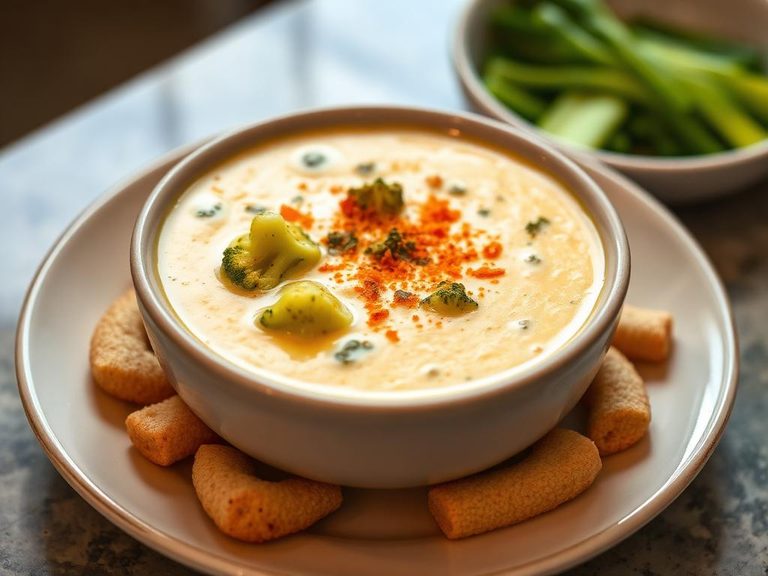
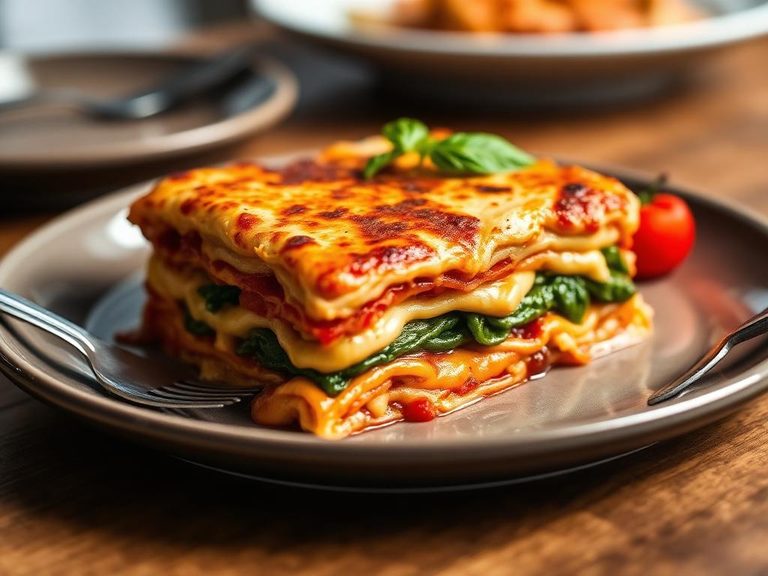
🌍 Where it's eaten
💡 Did you know?
Broccoli is a man-made cultivar from wild cabbage, selectively bred over 2,000 years ago in the Mediterranean region.
Full nutrition (USDA data · scales with serving)
| Water | 90.5 g |
| Energy | 28.0 kcal |
| Protein | 3.1 g |
| Total lipid (fat) | 0.12 g |
| Carbohydrate, by difference | 5.3 g |
| Fiber, total dietary | 3.0 g |
| Total Sugars | 1.5 g |
| Calcium, Ca | 33.0 mg |
| Iron, Fe | 0.61 mg |
| Magnesium, Mg | 13.0 mg |
| Phosphorus, P | 49.0 mg |
| Potassium, K | 142 mg |
| Sodium, Na | 127 mg |
| Zinc, Zn | 0.28 mg |
| Copper, Cu | 0.03 mg |
| Selenium, Se | 0.70 ug |
| Vitamin C, total ascorbic acid | 40.0 mg |
| Thiamin | 0.06 mg |
| Riboflavin | 0.08 mg |
| Niacin | 0.46 mg |
| Vitamin B-6 | 0.13 mg |
| Folate, total | 56.0 ug |
| Folic acid | 0.00 ug |
| Folate, food | 56.0 ug |
| Folate, DFE | 56.0 ug |
| Choline, total | 16.2 mg |
| Vitamin B-12 | 0.00 ug |
| Vitamin B-12, added | 0.00 ug |
| Vitamin A, RAE | 51.0 ug |
| Retinol | 0.00 ug |
| Carotene, beta | 595 ug |
| Carotene, alpha | 19.0 ug |
| Cryptoxanthin, beta | 1.0 ug |
| Lycopene | 0.00 ug |
| Lutein + zeaxanthin | 1092 ug |
| Vitamin E (alpha-tocopherol) | 1.3 mg |
| Vitamin E, added | 0.00 mg |
| Vitamin D (D2 + D3) | 0.00 ug |
| Vitamin K (phylloquinone) | 87.8 ug |
| Alcohol, ethyl | 0.00 g |
| Caffeine | 0.00 mg |
| Theobromine | 0.00 mg |
Fat & fatty acid profile (per 100g)
| Fatty acids, total saturated | 0.02 g |
| SFA 4:0 | 0.00 g |
| SFA 6:0 | 0.00 g |
| SFA 8:0 | 0.00 g |
| SFA 10:0 | 0.00 g |
| SFA 12:0 | 0.00 g |
| SFA 14:0 | 0.00 g |
| SFA 16:0 | 0.02 g |
| SFA 18:0 | 0.00 g |
| Fatty acids, total monounsaturated | 0.01 g |
| MUFA 16:1 | 0.00 g |
| MUFA 18:1 | 0.01 g |
| MUFA 20:1 | 0.00 g |
| MUFA 22:1 | 0.00 g |
| Fatty acids, total polyunsaturated | 0.06 g |
| PUFA 18:2 | 0.01 g |
| PUFA 18:3 | 0.04 g |
| PUFA 18:4 | 0.00 g |
| PUFA 20:4 | 0.00 g |
| PUFA 20:5 n-3 (EPA) | 0.00 g |
| PUFA 22:5 n-3 (DPA) | 0.00 g |
| PUFA 22:6 n-3 (DHA) | 0.00 g |
| Cholesterol | 0.00 mg |
Amino acid profile (per 100g)
Estimated from Broccoli, cooked, boiled, drained, with salt — USDA does not publish this profile for Broccoli.
| Tryptophan | 0.03 g |
| Threonine | 0.10 g |
| Isoleucine | 0.09 g |
| Leucine | 0.15 g |
| Lysine | 0.15 g |
| Methionine | 0.04 g |
| Cystine | 0.03 g |
| Phenylalanine | 0.12 g |
| Tyrosine | 0.06 g |
| Valine | 0.14 g |
| Arginine | 0.20 g |
| Histidine | 0.06 g |
| Alanine | 0.11 g |
| Aspartic acid | 0.33 g |
| Glutamic acid | 0.55 g |
| Glycine | 0.10 g |
| Proline | 0.11 g |
| Serine | 0.13 g |
FAQ
Is frozen broccoli as nutritious as fresh?
Often, yes. Flash-freezing occurs at peak ripeness, locking in nutrients. In some cases, frozen broccoli can have higher vitamin C content than 'fresh' broccoli that has traveled long distances.
How do I cook frozen broccoli without it getting mushy?
The key is high heat and minimal water. Roast it on a baking sheet at 400°F (200°C) or sauté it in a hot pan with a little oil. Add it directly to soups or curries in the last few minutes of cooking.
Can I eat frozen broccoli raw?
It's not recommended. The blanching and freezing process alters the cell structure, making it tough and less palatable raw. It's designed to be cooked.
Nutrient density (calculated · NRF9.3)
Nutrient Rich Foods index: beneficial nutrients (protein, fiber, vitamins, minerals) minus saturated fat, added sugar & sodium, per 100 kcal.
NRF9.3 index — Fulgoni, Keast & Drewnowski, 2009. Computed from USDA nutrients.
Weight-loss friendliness (composite index)
Energy density 0.28 kcal/g · 44% calories from protein · 3.0 g fiber · 1.5 g sugar per 100 g.
Composite of energy density (Rolls et al., 1999), protein & fiber satiety, minus sugar. A calculated heuristic — ranks satiety-per-calorie, not a clinical measure.
Dietary load (calculated from USDA values)
Potential renal acid load. Positive = acid-forming, negative = alkaline-forming.
Sodium-to-potassium ratio: 0.89 (lower is better — aim for ≤ 1)
Sodium:potassium per WHO potassium guidance. Computed from USDA nutrients.