

Broccoli, cooked, as ingredient
Common food
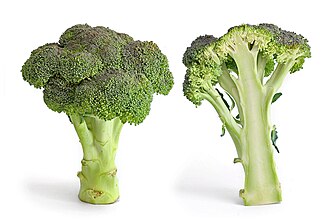
Photo: Wikipedia
Cooked broccoli transforms from a raw, crunchy cruciferous vegetable into a tender-crisp, vibrant green ingredient with a deep, slightly nutty and sweet flavor. Its florets become wonderfully absorbent, soaking up sauces and seasonings while maintaining a satisfying bite in the stalk. Nutritionally, it's a low-calorie powerhouse, delivering a solid dose of protein and fiber for its size.
Calorie split: 27% protein · 65% carbs · 8% fat
↓ Full nutrition💚 Why it's loved
People adore cooked broccoli for its incredible versatility—it can be steamed, roasted, stir-fried, or blended into soups, acting as a perfect canvas for garlic, lemon, cheese, or umami-rich sauces. It's a beloved staple in home cooking and health-conscious diets worldwide for its satisfying texture and ability to complement almost any savory dish.
⚠️ Watch-outs & how to enjoy it better
Some find cooked broccoli can develop a sulfurous, overly soft texture if overcooked, which some palates dislike. Those with sensitive digestion or conditions like IBS may experience gas or bloating from its high fiber and raffinose content. To counteract this, cook it until just tender-crisp (steaming or quick stir-frying are ideal), and start with smaller portions to assess tolerance. Pairing it with digestive herbs like ginger or a source of healthy fat can also aid digestion.
Key benefits
- Excellent source of dietary fiber for digestive health.
- High in vitamin C, supporting immune function.
- Contains sulforaphane, a compound studied for its potential health benefits.
- Provides plant-based protein with minimal fat.
- Rich in vitamin K, essential for bone health.
🍽️ Popular dishes
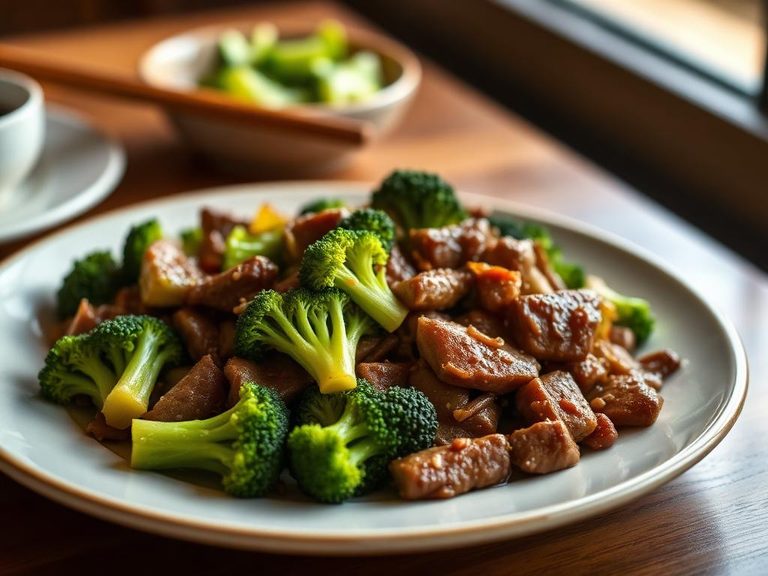
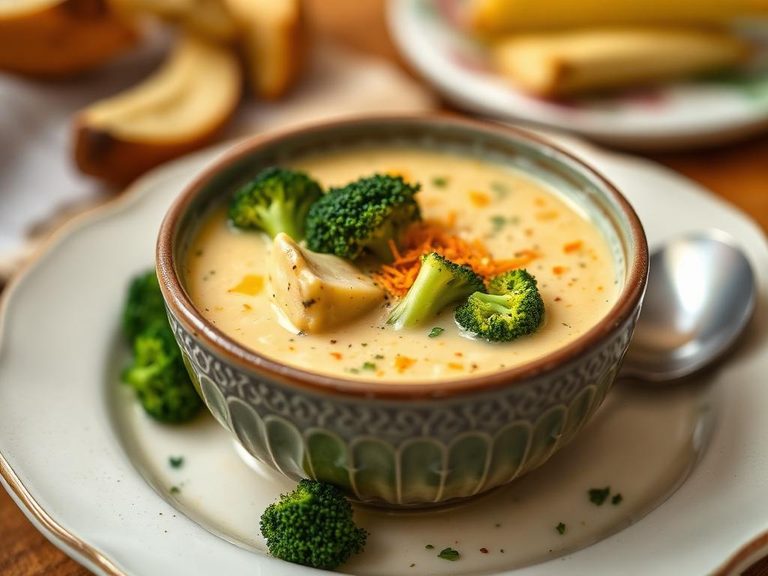
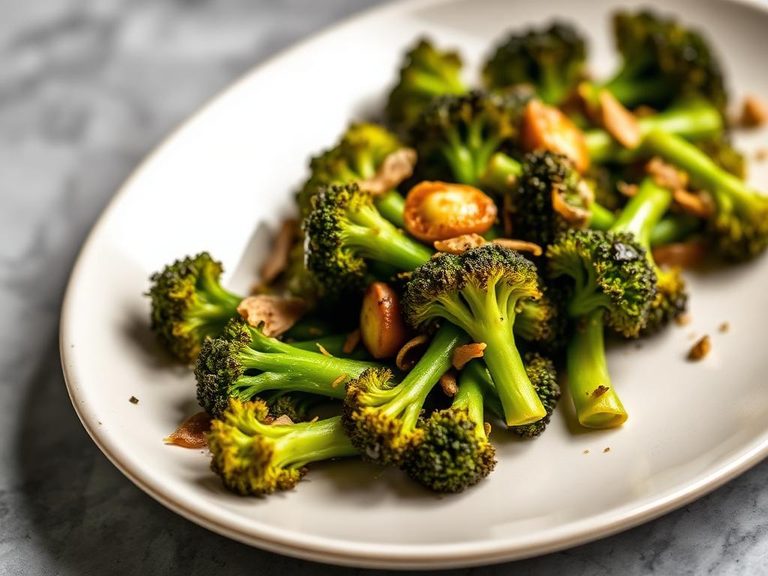
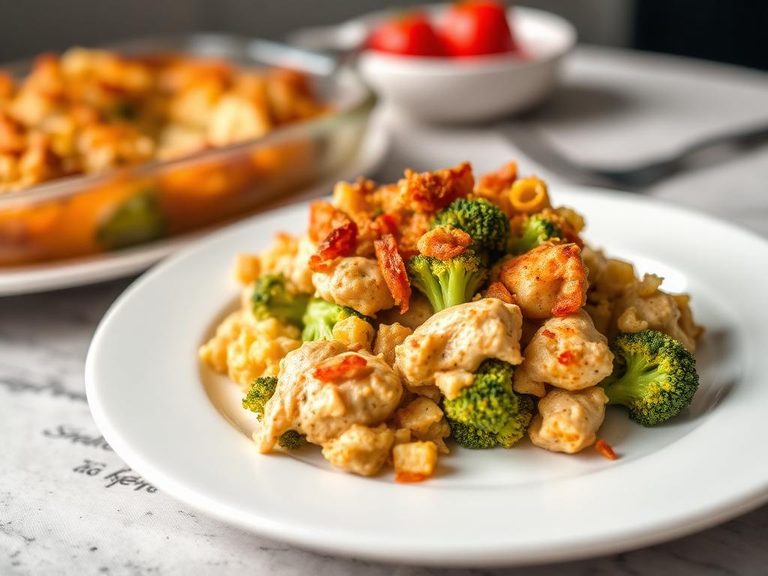
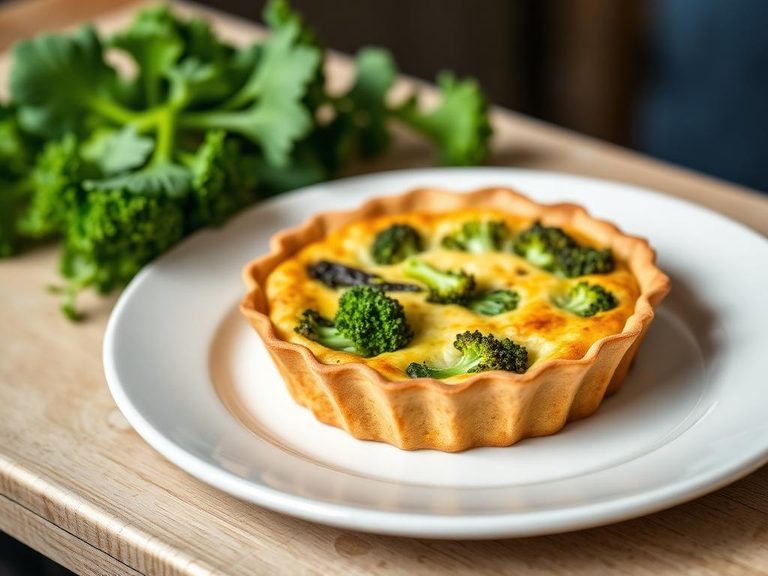
🌍 Where it's eaten
💡 Did you know?
The part we eat, the green 'tree' with florets, is actually the immature flower head of the broccoli plant, which is a cultivar of wild cabbage.
Full nutrition (USDA data · scales with serving)
| Water | 89.6 g |
| Energy | 41.0 kcal |
| Protein | 2.7 g |
| Total lipid (fat) | 0.35 g |
| Carbohydrate, by difference | 6.5 g |
| Fiber, total dietary | 2.5 g |
| Total Sugars | 1.5 g |
| Calcium, Ca | 48.0 mg |
| Iron, Fe | 0.72 mg |
| Magnesium, Mg | 22.0 mg |
| Phosphorus, P | 70.0 mg |
| Potassium, K | 316 mg |
| Sodium, Na | 38.0 mg |
| Zinc, Zn | 0.44 mg |
| Copper, Cu | 0.06 mg |
| Selenium, Se | 1.7 ug |
| Vitamin C, total ascorbic acid | 80.8 mg |
| Thiamin | 0.07 mg |
| Riboflavin | 0.11 mg |
| Niacin | 0.63 mg |
| Vitamin B-6 | 0.18 mg |
| Folate, total | 58.0 ug |
| Folic acid | 0.00 ug |
| Folate, food | 58.0 ug |
| Folate, DFE | 58.0 ug |
| Choline, total | 19.5 mg |
| Vitamin B-12 | 0.00 ug |
| Vitamin B-12, added | 0.00 ug |
| Vitamin A, RAE | 8.0 ug |
| Retinol | 0.00 ug |
| Carotene, beta | 92.0 ug |
| Carotene, alpha | 0.00 ug |
| Cryptoxanthin, beta | 0.00 ug |
| Lycopene | 0.00 ug |
| Lutein + zeaxanthin | 737 ug |
| Vitamin E (alpha-tocopherol) | 0.16 mg |
| Vitamin E, added | 0.00 mg |
| Vitamin D (D2 + D3) | 0.00 ug |
| Vitamin K (phylloquinone) | 106 ug |
| Alcohol, ethyl | 0.00 g |
| Caffeine | 0.00 mg |
| Theobromine | 0.00 mg |
Fat & fatty acid profile (per 100g)
| Fatty acids, total saturated | 0.04 g |
| SFA 4:0 | 0.00 g |
| SFA 6:0 | 0.00 g |
| SFA 8:0 | 0.00 g |
| SFA 10:0 | 0.00 g |
| SFA 12:0 | 0.00 g |
| SFA 14:0 | 0.00 g |
| SFA 16:0 | 0.03 g |
| SFA 18:0 | 0.01 g |
| Fatty acids, total monounsaturated | 0.01 g |
| MUFA 16:1 | 0.00 g |
| MUFA 18:1 | 0.01 g |
| MUFA 20:1 | 0.00 g |
| MUFA 22:1 | 0.00 g |
| Fatty acids, total polyunsaturated | 0.02 g |
| PUFA 18:2 | 0.02 g |
| PUFA 18:3 | 0.02 g |
| PUFA 18:4 | 0.00 g |
| PUFA 20:4 | 0.00 g |
| PUFA 20:5 n-3 (EPA) | 0.00 g |
| PUFA 22:5 n-3 (DPA) | 0.00 g |
| PUFA 22:6 n-3 (DHA) | 0.00 g |
| Cholesterol | 0.00 mg |
Amino acid profile (per 100g)
Estimated from Broccoli, cooked, boiled, drained, with salt — USDA does not publish this profile for Broccoli.
| Tryptophan | 0.03 g |
| Threonine | 0.10 g |
| Isoleucine | 0.09 g |
| Leucine | 0.15 g |
| Lysine | 0.15 g |
| Methionine | 0.04 g |
| Cystine | 0.03 g |
| Phenylalanine | 0.12 g |
| Tyrosine | 0.06 g |
| Valine | 0.14 g |
| Arginine | 0.20 g |
| Histidine | 0.06 g |
| Alanine | 0.11 g |
| Aspartic acid | 0.33 g |
| Glutamic acid | 0.55 g |
| Glycine | 0.10 g |
| Proline | 0.11 g |
| Serine | 0.13 g |
FAQ
Why does my cooked broccoli turn yellow?
Yellowing is caused by the breakdown of chlorophyll, which happens from overcooking or prolonged exposure to heat. To preserve the bright green color, cook quickly until just tender and shock in ice water if not serving immediately.
Is the nutritional value lost when cooking broccoli?
Some heat-sensitive nutrients like vitamin C can decrease, but cooking can make other nutrients, like certain antioxidants and the fiber, more bioavailable. Steaming or microwaving generally retains the most nutrients.
How do I prevent broccoli from making my kitchen smell sulfurous?
The smell comes from sulfur compounds released during cooking. To minimize it, avoid overcooking, ensure good ventilation, and add a splash of acid like lemon juice or vinegar to the cooking water, which can help neutralize the compounds.
Nutrient density (calculated · NRF9.3)
Nutrient Rich Foods index: beneficial nutrients (protein, fiber, vitamins, minerals) minus saturated fat, added sugar & sodium, per 100 kcal.
NRF9.3 index — Fulgoni, Keast & Drewnowski, 2009. Computed from USDA nutrients.
Weight-loss friendliness (composite index)
Energy density 0.41 kcal/g · 26% calories from protein · 2.5 g fiber · 1.5 g sugar per 100 g.
Composite of energy density (Rolls et al., 1999), protein & fiber satiety, minus sugar. A calculated heuristic — ranks satiety-per-calorie, not a clinical measure.
Dietary load (calculated from USDA values)
Potential renal acid load. Positive = acid-forming, negative = alkaline-forming.
Sodium-to-potassium ratio: 0.12 (lower is better — aim for ≤ 1)
Sodium:potassium per WHO potassium guidance. Computed from USDA nutrients.