

Bread, wheat or cracked wheat, reduced calorie and/or high fiber
Common food

Photo: Wikipedia
This is a hearty, dense bread made from whole wheat or cracked wheat, designed for health-conscious eaters. It has a robust, nutty flavor and a satisfyingly chewy texture with a satisfying crumb. Nutritionally, it stands out for its high fiber content and lower calorie count compared to standard white bread.
Calorie split: 15% protein · 75% carbs · 10% fat
↓ Full nutrition💚 Why it's loved
People love it for its substantial, earthy flavor and the satisfying chew that holds up well to toppings and dips. It's a versatile staple in health-focused diets, offering a sense of fullness and nutrition without sacrificing the comfort of bread.
⚠️ Watch-outs & how to enjoy it better
Its dense, chewy texture can be perceived as dry or heavy by those accustomed to softer, refined breads. The high fiber content, while beneficial, may cause digestive discomfort in some individuals if introduced too quickly. Tip: Start with smaller portions and ensure adequate water intake to help your system adjust.
Key benefits
- Excellent source of dietary fiber (10.7g per 100g)
- Provides sustained energy from complex carbohydrates
- Higher protein content than many refined breads
- Supports digestive health and satiety
🍽️ Popular dishes
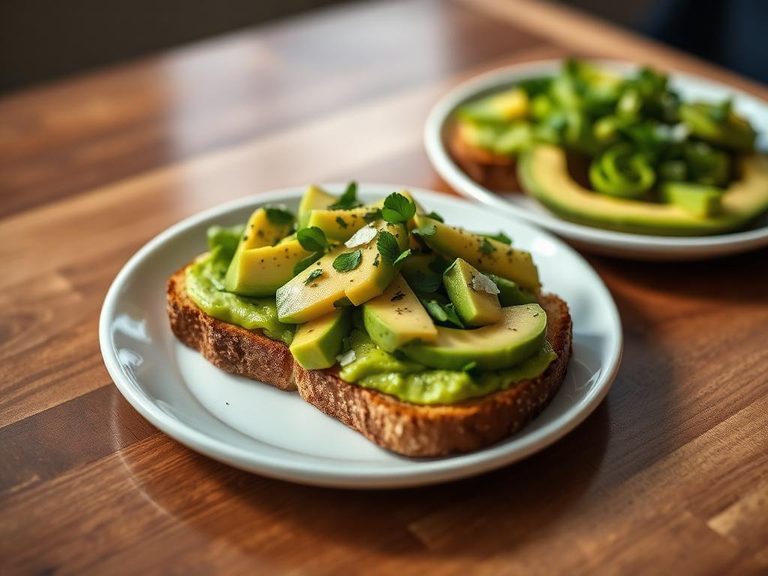
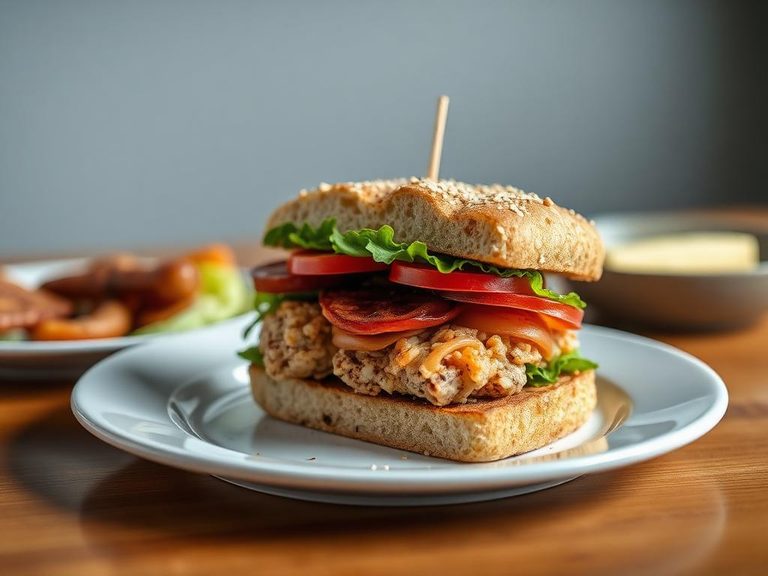
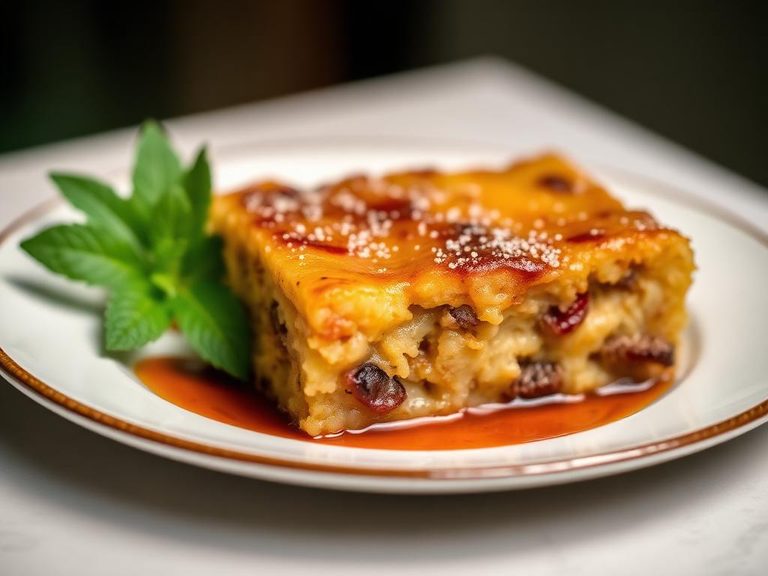
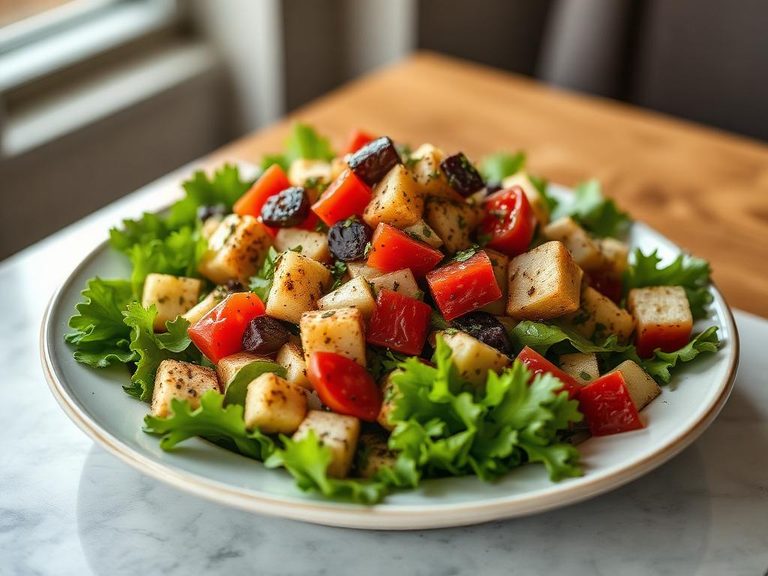

🌍 Where it's eaten
💡 Did you know?
The term 'cracked wheat' refers to whole wheat kernels that have been chopped into pieces, which helps the bread bake faster and creates a more uniform texture than using whole berries.
Full nutrition (USDA data · scales with serving)
| Water | 41.9 g |
| Energy | 207 kcal |
| Protein | 8.9 g |
| Total lipid (fat) | 2.5 g |
| Carbohydrate, by difference | 44.9 g |
| Fiber, total dietary | 10.7 g |
| Total Sugars | 4.6 g |
| Calcium, Ca | 93.0 mg |
| Iron, Fe | 3.4 mg |
| Magnesium, Mg | 41.0 mg |
| Phosphorus, P | 148 mg |
| Potassium, K | 109 mg |
| Sodium, Na | 465 mg |
| Zinc, Zn | 1.5 mg |
| Copper, Cu | 0.35 mg |
| Selenium, Se | 23.4 ug |
| Vitamin C, total ascorbic acid | 0.50 mg |
| Thiamin | 0.41 mg |
| Riboflavin | 0.30 mg |
| Niacin | 3.9 mg |
| Vitamin B-6 | 0.08 mg |
| Folate, total | 95.0 ug |
| Folic acid | 59.0 ug |
| Folate, food | 35.0 ug |
| Folate, DFE | 136 ug |
| Choline, total | 16.4 mg |
| Vitamin B-12 | 0.27 ug |
| Vitamin B-12, added | 0.00 ug |
| Vitamin A, RAE | 0.00 ug |
| Retinol | 0.00 ug |
| Carotene, beta | 1.0 ug |
| Carotene, alpha | 0.00 ug |
| Cryptoxanthin, beta | 0.00 ug |
| Lycopene | 0.00 ug |
| Lutein + zeaxanthin | 38.0 ug |
| Vitamin E (alpha-tocopherol) | 0.23 mg |
| Vitamin E, added | 0.00 mg |
| Vitamin D (D2 + D3) | 0.00 ug |
| Vitamin K (phylloquinone) | 0.60 ug |
| Alcohol, ethyl | 0.00 g |
| Caffeine | 0.00 mg |
| Theobromine | 0.00 mg |
Fat & fatty acid profile (per 100g)
| Fatty acids, total saturated | 0.55 g |
| SFA 4:0 | 0.00 g |
| SFA 6:0 | 0.00 g |
| SFA 8:0 | 0.00 g |
| SFA 10:0 | 0.00 g |
| SFA 12:0 | 0.00 g |
| SFA 14:0 | 0.01 g |
| SFA 16:0 | 0.33 g |
| SFA 18:0 | 0.21 g |
| Fatty acids, total monounsaturated | 1.1 g |
| MUFA 16:1 | 0.02 g |
| MUFA 18:1 | 1.0 g |
| MUFA 20:1 | 0.00 g |
| MUFA 22:1 | 0.00 g |
| Fatty acids, total polyunsaturated | 0.61 g |
| PUFA 18:2 | 0.58 g |
| PUFA 18:3 | 0.03 g |
| PUFA 18:4 | 0.00 g |
| PUFA 20:4 | 0.00 g |
| PUFA 20:5 n-3 (EPA) | 0.00 g |
| PUFA 22:5 n-3 (DPA) | 0.00 g |
| PUFA 22:6 n-3 (DHA) | 0.00 g |
| Cholesterol | 0.00 mg |
Amino acid profile (per 100g)
Estimated from Bread, salvadoran sweet cheese (quesadilla salvadorena) — USDA does not publish this profile for Bread.
| Tryptophan | 0.07 g |
| Threonine | 0.21 g |
| Isoleucine | 0.30 g |
| Leucine | 0.65 g |
| Lysine | 0.50 g |
| Methionine | 0.28 g |
| Cystine | 0.06 g |
| Phenylalanine | 0.37 g |
| Tyrosine | 0.23 g |
| Valine | 0.43 g |
| Arginine | 0.25 g |
| Histidine | 0.15 g |
| Alanine | 0.36 g |
| Aspartic acid | 0.59 g |
| Glutamic acid | 1.3 g |
| Glycine | 0.20 g |
| Proline | 0.83 g |
| Serine | 0.45 g |
| Hydroxyproline | 0.00 g |
FAQ
Is this bread suitable for a low-carb diet?
While it has more fiber than white bread, it still contains a significant amount of carbohydrates (44.91g per 100g). It may fit into a moderate-carb plan but is not considered a low-carb food.
Why is it 'reduced calorie'?
The reduction typically comes from using more fiber-rich ingredients and sometimes adding ingredients like oat bran or soy flour, which increase volume and fiber without adding as many calories as refined white flour.
Can I freeze this bread?
Yes, it freezes exceptionally well due to its dense structure. Slice it before freezing for easy portioning, and toast slices directly from frozen for best results.
Nutrient density (calculated · NRF9.3)
Nutrient Rich Foods index: beneficial nutrients (protein, fiber, vitamins, minerals) minus saturated fat, added sugar & sodium, per 100 kcal.
NRF9.3 index — Fulgoni, Keast & Drewnowski, 2009. Computed from USDA nutrients.
Weight-loss friendliness (composite index)
Energy density 2.07 kcal/g · 17% calories from protein · 10.7 g fiber · 4.6 g sugar per 100 g.
Composite of energy density (Rolls et al., 1999), protein & fiber satiety, minus sugar. A calculated heuristic — ranks satiety-per-calorie, not a clinical measure.
Dietary load (calculated from USDA values)
Potential renal acid load. Positive = acid-forming, negative = alkaline-forming.
Sodium-to-potassium ratio: 4.27 (lower is better — aim for ≤ 1)
Sodium:potassium per WHO potassium guidance. Computed from USDA nutrients.