

Bread, reduced calorie and/or high fiber, white or NFS
Common food

Photo: Wikipedia
This is a modern, health-conscious take on classic white bread, engineered for a softer, lighter crumb while packing in significantly more dietary fiber. Its flavor is mild and slightly sweet, with a tender texture that holds up well for sandwiches without the dense chew of whole-grain loaves. Nutritionally, it's a standout for delivering nearly 10 grams of fiber per 100g, a rarity in white-style breads.
Calorie split: 15% protein · 76% carbs · 10% fat
↓ Full nutrition💚 Why it's loved
People love it for bridging the gap between comfort and nutrition—it offers the familiar, mild taste and soft texture of white bread but with the functional benefits of high fiber. Its versatility makes it a reliable staple for everything from classic PB&J to elegant avocado toast.
⚠️ Watch-outs & how to enjoy it better
Despite its fiber, the refined flour base can still cause quicker blood-sugar spikes compared to 100% whole-grain options. To counteract this, always pair it with a source of protein (like eggs, nut butter, or cheese) or healthy fat (avocado, olive oil) to slow digestion. Those with gluten sensitivities must avoid it, as it is typically made with wheat.
Key benefits
- High in dietary fiber (9.7g/100g) for digestive health.
- Lower calorie density than standard white bread.
- Good source of plant-based protein (8.7g/100g).
- Low in fat (2.5g/100g).
- Provides sustained energy due to complex carbs and fiber.
🍽️ Popular dishes
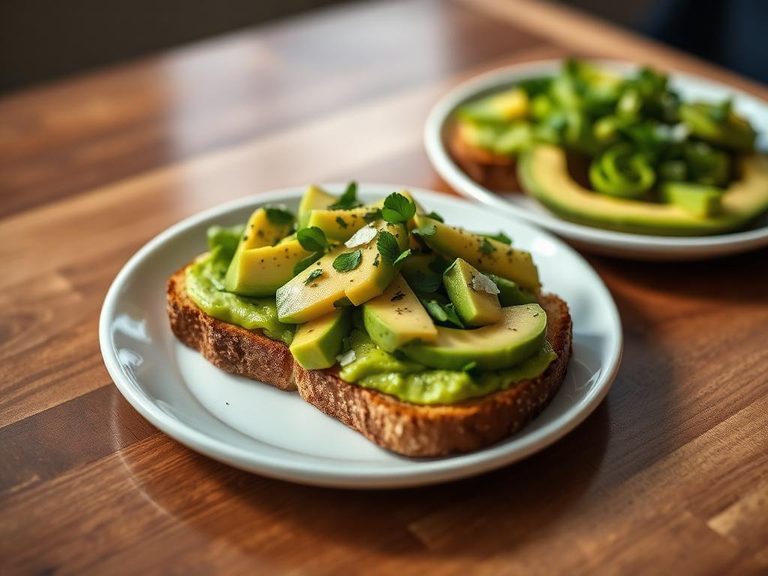
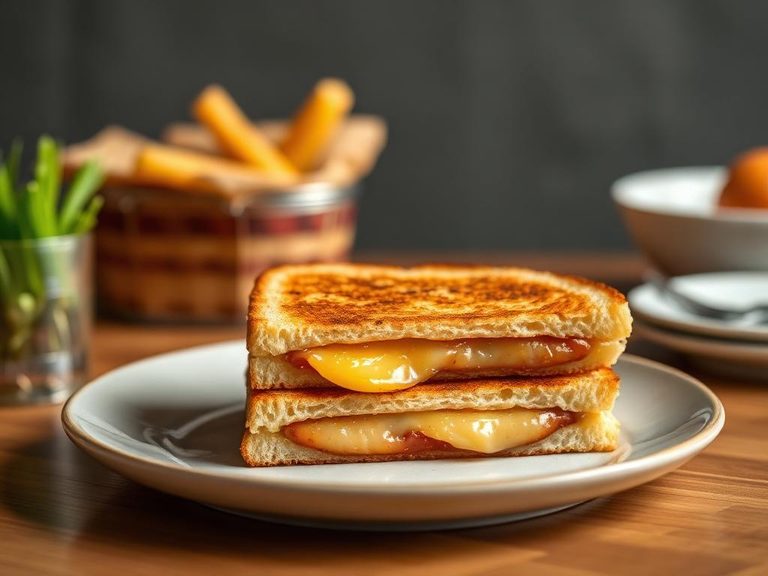

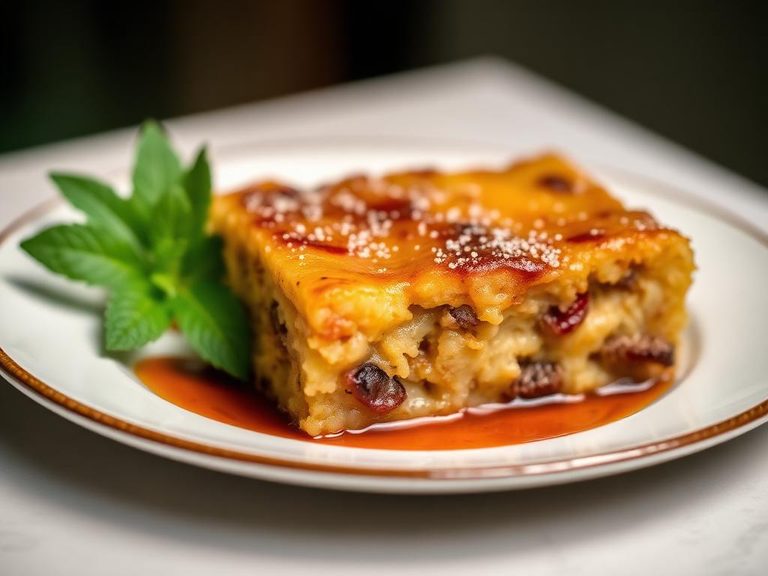
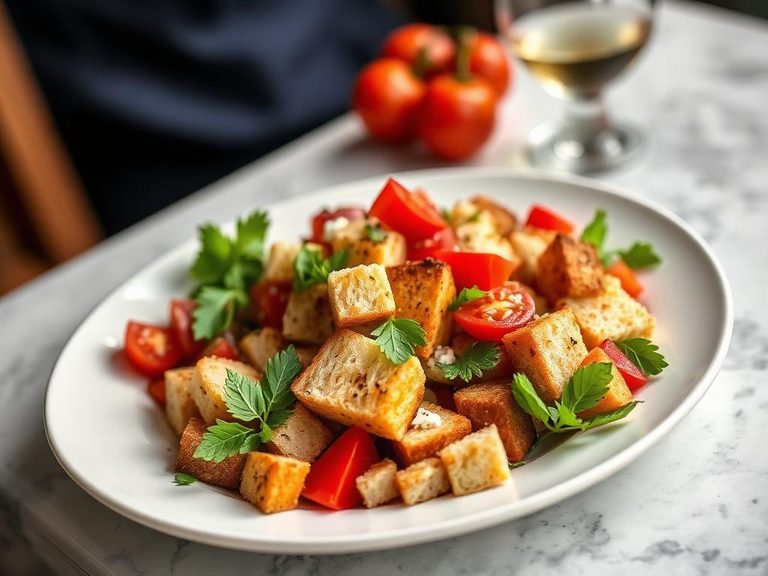
🌍 Where it's eaten
💡 Did you know?
The 'NFS' in its name stands for 'Not Further Specified,' a USDA category that allows bakers flexibility in using a blend of enriched flours, making the exact grain composition a bit of a mystery.
Full nutrition (USDA data · scales with serving)
| Water | 42.9 g |
| Energy | 207 kcal |
| Protein | 8.7 g |
| Total lipid (fat) | 2.5 g |
| Carbohydrate, by difference | 44.3 g |
| Fiber, total dietary | 9.7 g |
| Total Sugars | 4.8 g |
| Calcium, Ca | 94.0 mg |
| Iron, Fe | 3.2 mg |
| Magnesium, Mg | 23.0 mg |
| Phosphorus, P | 121 mg |
| Potassium, K | 76.0 mg |
| Sodium, Na | 479 mg |
| Zinc, Zn | 1.3 mg |
| Copper, Cu | 0.33 mg |
| Selenium, Se | 21.7 ug |
| Vitamin C, total ascorbic acid | 0.50 mg |
| Thiamin | 0.41 mg |
| Riboflavin | 0.29 mg |
| Niacin | 3.6 mg |
| Vitamin B-6 | 0.04 mg |
| Folate, total | 95.0 ug |
| Folic acid | 61.0 ug |
| Folate, food | 34.0 ug |
| Folate, DFE | 138 ug |
| Choline, total | 14.6 mg |
| Vitamin B-12 | 0.28 ug |
| Vitamin B-12, added | 0.00 ug |
| Vitamin A, RAE | 0.00 ug |
| Retinol | 0.00 ug |
| Carotene, beta | 1.0 ug |
| Carotene, alpha | 0.00 ug |
| Cryptoxanthin, beta | 0.00 ug |
| Lycopene | 0.00 ug |
| Lutein + zeaxanthin | 32.0 ug |
| Vitamin E (alpha-tocopherol) | 0.19 mg |
| Vitamin E, added | 0.00 mg |
| Vitamin D (D2 + D3) | 0.00 ug |
| Vitamin K (phylloquinone) | 0.60 ug |
| Alcohol, ethyl | 0.00 g |
| Caffeine | 0.00 mg |
| Theobromine | 0.00 mg |
Fat & fatty acid profile (per 100g)
| Fatty acids, total saturated | 0.55 g |
| SFA 4:0 | 0.00 g |
| SFA 6:0 | 0.00 g |
| SFA 8:0 | 0.00 g |
| SFA 10:0 | 0.00 g |
| SFA 12:0 | 0.00 g |
| SFA 14:0 | 0.01 g |
| SFA 16:0 | 0.33 g |
| SFA 18:0 | 0.21 g |
| Fatty acids, total monounsaturated | 1.1 g |
| MUFA 16:1 | 0.02 g |
| MUFA 18:1 | 1.1 g |
| MUFA 20:1 | 0.00 g |
| MUFA 22:1 | 0.00 g |
| Fatty acids, total polyunsaturated | 0.56 g |
| PUFA 18:2 | 0.53 g |
| PUFA 18:3 | 0.03 g |
| PUFA 18:4 | 0.00 g |
| PUFA 20:4 | 0.00 g |
| PUFA 20:5 n-3 (EPA) | 0.00 g |
| PUFA 22:5 n-3 (DPA) | 0.00 g |
| PUFA 22:6 n-3 (DHA) | 0.00 g |
| Cholesterol | 0.00 mg |
Amino acid profile (per 100g)
Estimated from Bread, salvadoran sweet cheese (quesadilla salvadorena) — USDA does not publish this profile for Bread.
| Tryptophan | 0.07 g |
| Threonine | 0.21 g |
| Isoleucine | 0.30 g |
| Leucine | 0.65 g |
| Lysine | 0.50 g |
| Methionine | 0.28 g |
| Cystine | 0.06 g |
| Phenylalanine | 0.37 g |
| Tyrosine | 0.23 g |
| Valine | 0.43 g |
| Arginine | 0.25 g |
| Histidine | 0.15 g |
| Alanine | 0.36 g |
| Aspartic acid | 0.59 g |
| Glutamic acid | 1.3 g |
| Glycine | 0.20 g |
| Proline | 0.83 g |
| Serine | 0.45 g |
| Hydroxyproline | 0.00 g |
FAQ
How is this different from regular white bread?
It is specifically formulated with added fiber (often from sources like oat fiber, inulin, or modified wheat starch) and may use a blend of flours, resulting in a significantly higher fiber content and slightly lower calorie count than traditional white bread.
Is it considered a whole grain food?
Not necessarily. While it has high fiber, it is often made primarily with refined enriched wheat flour. For a guaranteed whole grain product, look for '100% whole wheat' or 'whole grain' as the first ingredient on the label.
Does it taste different from normal white bread?
Most people find the taste very similar—mild and slightly sweet. The texture might be a touch softer or spongier due to the fiber additives, but it is designed to mimic the palatability of classic white bread.
Nutrient density (calculated · NRF9.3)
Nutrient Rich Foods index: beneficial nutrients (protein, fiber, vitamins, minerals) minus saturated fat, added sugar & sodium, per 100 kcal.
NRF9.3 index — Fulgoni, Keast & Drewnowski, 2009. Computed from USDA nutrients.
Weight-loss friendliness (composite index)
Energy density 2.07 kcal/g · 17% calories from protein · 9.7 g fiber · 4.8 g sugar per 100 g.
Composite of energy density (Rolls et al., 1999), protein & fiber satiety, minus sugar. A calculated heuristic — ranks satiety-per-calorie, not a clinical measure.
Dietary load (calculated from USDA values)
Potential renal acid load. Positive = acid-forming, negative = alkaline-forming.
Sodium-to-potassium ratio: 6.30 (lower is better — aim for ≤ 1)
Sodium:potassium per WHO potassium guidance. Computed from USDA nutrients.