

Bread, multigrain, reduced calorie and/or high fiber, toasted
Common food

Photo: Wikipedia
This is a toasted slice of multigrain bread, engineered to be lower in calories and higher in fiber than standard loaves. The toasting process crisps the crust and intensifies the nutty, earthy flavor of the various grains, creating a satisfying crunch. Nutritionally, it's a standout for its high fiber content (11.8g per 100g), which supports digestive health and satiety.
Calorie split: 15% protein · 75% carbs · 10% fat
↓ Full nutrition💚 Why it's loved
People love it for its hearty, nutty flavor and satisfying crunch, making it a more substantial and flavorful base for sandwiches and toast than plain white bread. Its versatility allows it to pair equally well with sweet toppings like avocado and honey or savory ones like cheese and smoked salmon.
⚠️ Watch-outs & how to enjoy it better
The high fiber content, while beneficial, can cause digestive discomfort like bloating for some individuals, especially if not accustomed to it. Additionally, the dense texture may be less appealing to those who prefer soft, fluffy breads. To mitigate digestive issues, increase fiber intake gradually and ensure adequate water consumption. Pairing it with a healthy fat or protein (like nut butter or avocado) can also help slow digestion and prevent any potential blood sugar spikes.
Key benefits
- High in dietary fiber (11.8g/100g) for digestive health
- Good source of plant-based protein (9.79g/100g)
- Lower in calories than standard bread varieties
- Complex carbohydrates provide sustained energy
- Rich in micronutrients from whole grains
🍽️ Popular dishes
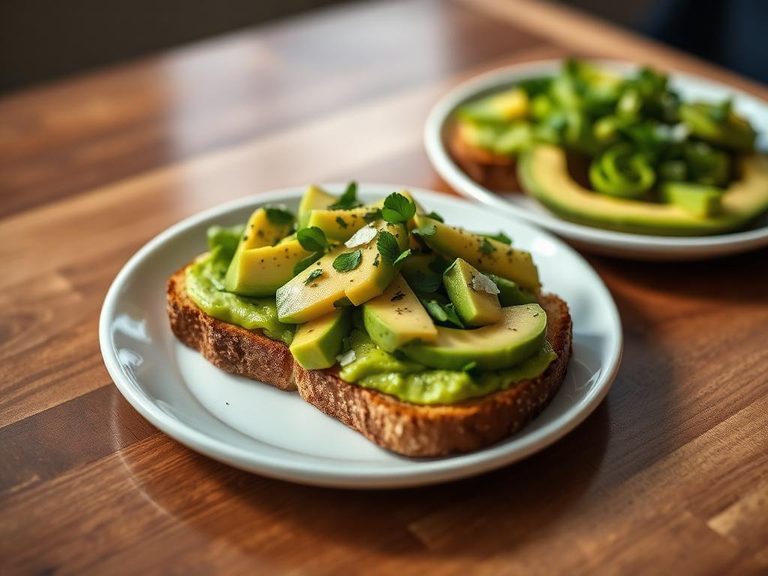
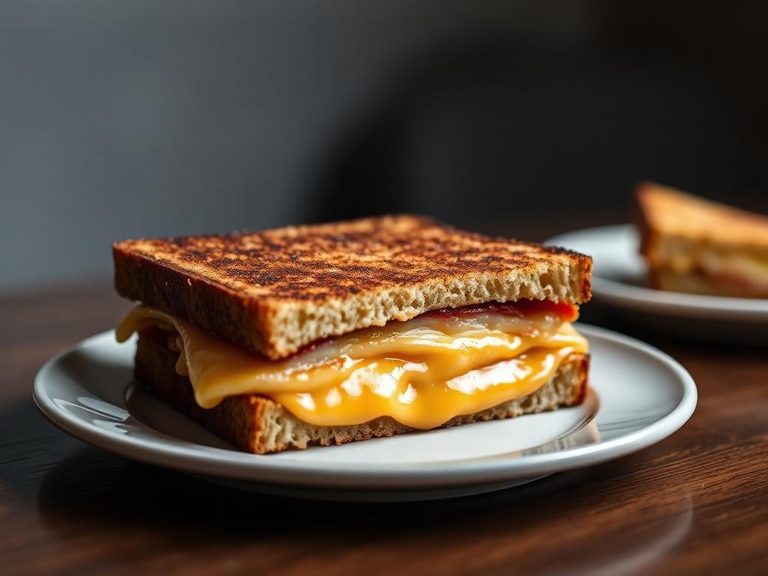
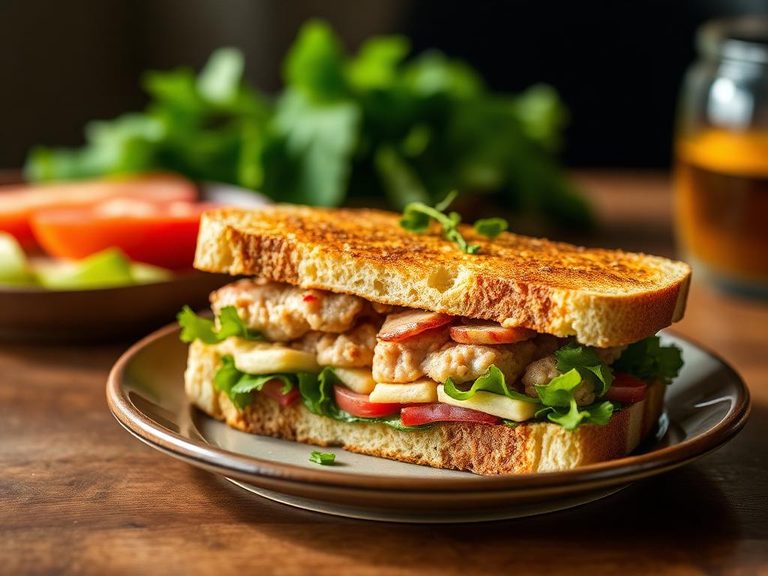
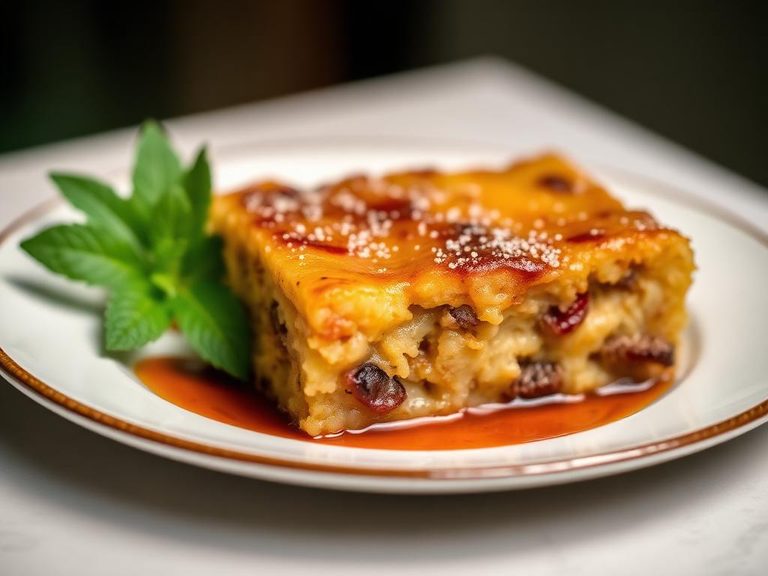


🌍 Where it's eaten
💡 Did you know?
Toasting bread actually lowers its glycemic index slightly, meaning it causes a slower, more gradual rise in blood sugar compared to untoasted bread of the same type.
Full nutrition (USDA data · scales with serving)
| Water | 36.2 g |
| Energy | 228 kcal |
| Protein | 9.8 g |
| Total lipid (fat) | 2.8 g |
| Carbohydrate, by difference | 49.4 g |
| Fiber, total dietary | 11.8 g |
| Total Sugars | 5.1 g |
| Calcium, Ca | 103 mg |
| Iron, Fe | 3.8 mg |
| Magnesium, Mg | 45.0 mg |
| Phosphorus, P | 162 mg |
| Potassium, K | 120 mg |
| Sodium, Na | 511 mg |
| Zinc, Zn | 1.7 mg |
| Copper, Cu | 0.39 mg |
| Selenium, Se | 25.7 ug |
| Vitamin C, total ascorbic acid | 0.50 mg |
| Thiamin | 0.36 mg |
| Riboflavin | 0.33 mg |
| Niacin | 4.3 mg |
| Vitamin B-6 | 0.09 mg |
| Folate, total | 88.0 ug |
| Folic acid | 55.0 ug |
| Folate, food | 33.0 ug |
| Folate, DFE | 127 ug |
| Choline, total | 18.0 mg |
| Vitamin B-12 | 0.30 ug |
| Vitamin B-12, added | 0.00 ug |
| Vitamin A, RAE | 0.00 ug |
| Retinol | 0.00 ug |
| Carotene, beta | 1.0 ug |
| Carotene, alpha | 0.00 ug |
| Cryptoxanthin, beta | 0.00 ug |
| Lycopene | 0.00 ug |
| Lutein + zeaxanthin | 40.0 ug |
| Vitamin E (alpha-tocopherol) | 0.25 mg |
| Vitamin E, added | 0.00 mg |
| Vitamin D (D2 + D3) | 0.00 ug |
| Vitamin K (phylloquinone) | 0.70 ug |
| Alcohol, ethyl | 0.00 g |
| Caffeine | 0.00 mg |
| Theobromine | 0.00 mg |
Fat & fatty acid profile (per 100g)
| Fatty acids, total saturated | 0.60 g |
| SFA 4:0 | 0.00 g |
| SFA 6:0 | 0.00 g |
| SFA 8:0 | 0.00 g |
| SFA 10:0 | 0.00 g |
| SFA 12:0 | 0.00 g |
| SFA 14:0 | 0.01 g |
| SFA 16:0 | 0.36 g |
| SFA 18:0 | 0.23 g |
| Fatty acids, total monounsaturated | 1.2 g |
| MUFA 16:1 | 0.02 g |
| MUFA 18:1 | 1.2 g |
| MUFA 20:1 | 0.00 g |
| MUFA 22:1 | 0.00 g |
| Fatty acids, total polyunsaturated | 0.67 g |
| PUFA 18:2 | 0.63 g |
| PUFA 18:3 | 0.04 g |
| PUFA 18:4 | 0.00 g |
| PUFA 20:4 | 0.00 g |
| PUFA 20:5 n-3 (EPA) | 0.00 g |
| PUFA 22:5 n-3 (DPA) | 0.00 g |
| PUFA 22:6 n-3 (DHA) | 0.00 g |
| Cholesterol | 0.00 mg |
Amino acid profile (per 100g)
Estimated from Bread, salvadoran sweet cheese (quesadilla salvadorena) — USDA does not publish this profile for Bread.
| Tryptophan | 0.07 g |
| Threonine | 0.21 g |
| Isoleucine | 0.30 g |
| Leucine | 0.65 g |
| Lysine | 0.50 g |
| Methionine | 0.28 g |
| Cystine | 0.06 g |
| Phenylalanine | 0.37 g |
| Tyrosine | 0.23 g |
| Valine | 0.43 g |
| Arginine | 0.25 g |
| Histidine | 0.15 g |
| Alanine | 0.36 g |
| Aspartic acid | 0.59 g |
| Glutamic acid | 1.3 g |
| Glycine | 0.20 g |
| Proline | 0.83 g |
| Serine | 0.45 g |
| Hydroxyproline | 0.00 g |
FAQ
How does the fiber in this bread compare to regular bread?
This reduced-calorie, high-fiber multigrain bread contains about 11.8g of fiber per 100g, which is significantly higher than standard white or whole wheat bread, which typically has 2-4g per 100g.
Is this bread suitable for a low-carb diet?
While it is lower in calories and higher in fiber, it still contains 49.35g of carbohydrates per 100g. It may not be suitable for very strict low-carb diets like keto, but it can be a better option than regular bread for moderate carb reduction.
Why is toasting recommended for this type of bread?
Toasting enhances the nutty flavor and provides a crisp texture, making it more palatable. It also slightly lowers the glycemic index, which can help with blood sugar management.
Nutrient density (calculated · NRF9.3)
Nutrient Rich Foods index: beneficial nutrients (protein, fiber, vitamins, minerals) minus saturated fat, added sugar & sodium, per 100 kcal.
NRF9.3 index — Fulgoni, Keast & Drewnowski, 2009. Computed from USDA nutrients.
Weight-loss friendliness (composite index)
Energy density 2.28 kcal/g · 17% calories from protein · 11.8 g fiber · 5.1 g sugar per 100 g.
Composite of energy density (Rolls et al., 1999), protein & fiber satiety, minus sugar. A calculated heuristic — ranks satiety-per-calorie, not a clinical measure.
Dietary load (calculated from USDA values)
Potential renal acid load. Positive = acid-forming, negative = alkaline-forming.
Sodium-to-potassium ratio: 4.26 (lower is better — aim for ≤ 1)
Sodium:potassium per WHO potassium guidance. Computed from USDA nutrients.