

Bread, multigrain, toasted
Common food

Photo: Wikipedia
Toasted multigrain bread is a hearty, crisp-textured slice made from a blend of whole grains, offering a nutty, complex flavor with a satisfying crunch. Its nutrition profile is notably strong, providing a substantial 14.68g of protein and 8.1g of fiber per 100g, making it a more nutrient-dense choice than plain white toast. The toasting process deepens its earthy notes and creates a sturdy base for toppings.
Calorie split: 20% protein · 65% carbs · 14% fat
↓ Full nutrition💚 Why it's loved
People love it for its robust, nutty flavor and the satisfying textural contrast between the crisp exterior and chewy interior. It's a versatile canvas that elevates simple toppings like avocado or smoked salmon, and it's deeply embedded in modern breakfast and brunch culture.
⚠️ Watch-outs & how to enjoy it better
Some may find it dense or overly hearty, and its fiber content can cause digestive discomfort if introduced too quickly. Those monitoring blood sugar should be mindful of portion size, as the carbohydrates can still cause a rise. To counteract this, pair it with healthy fats (like nut butter) or protein (like eggs) to slow digestion, and start with a single slice to assess tolerance.
Key benefits
- High in plant-based protein for muscle maintenance
- Excellent source of dietary fiber for digestive health
- Contains a blend of whole grains for sustained energy
- Provides B vitamins and minerals like iron and magnesium
- Lower glycemic impact than refined white bread
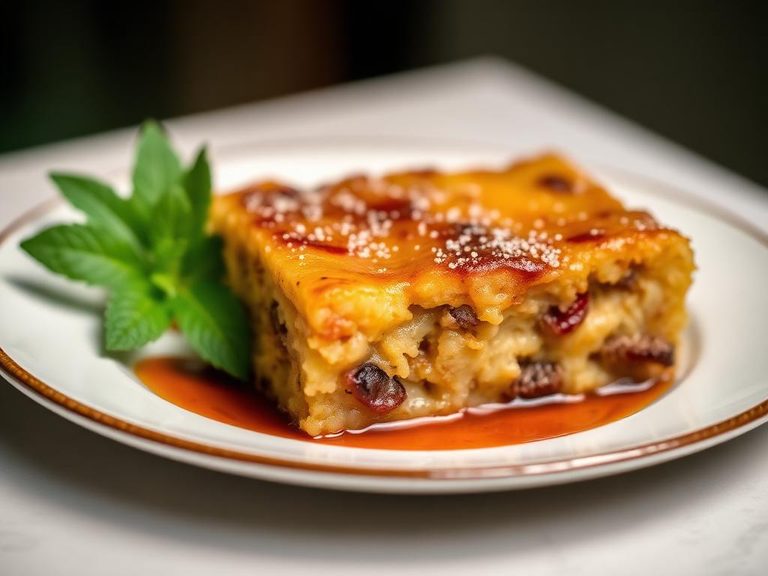
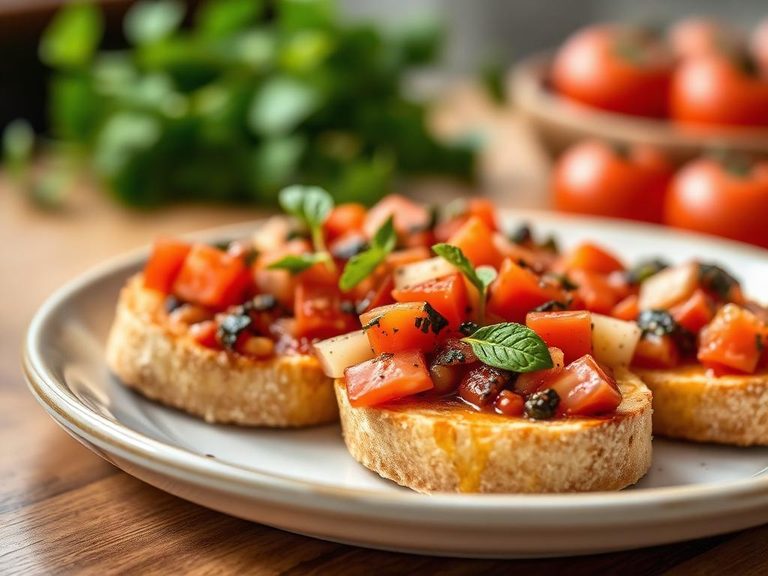
🍽️ Popular dishes
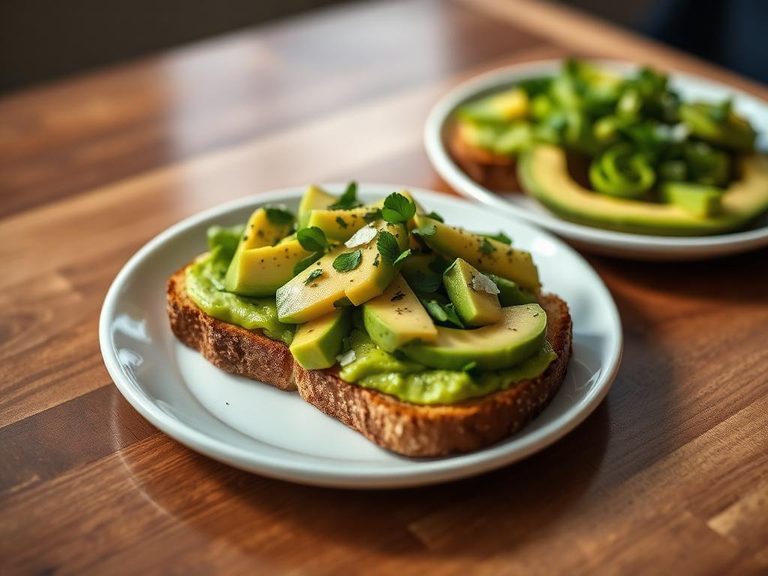
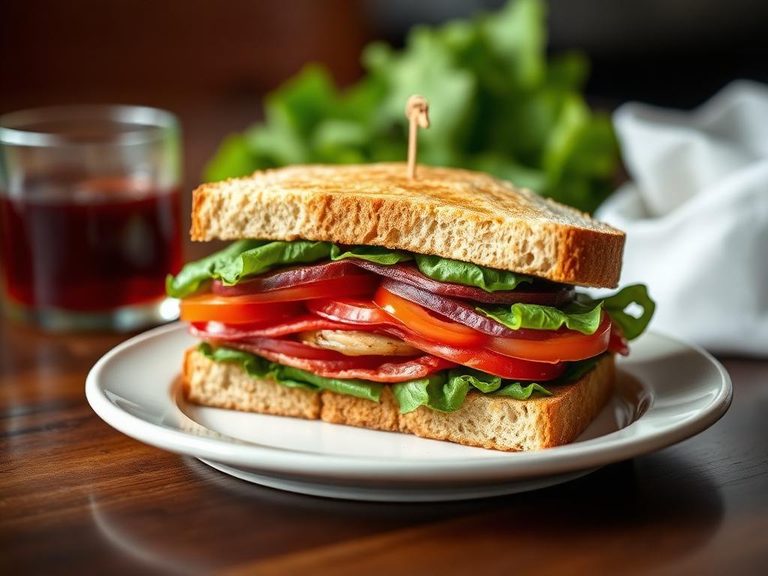
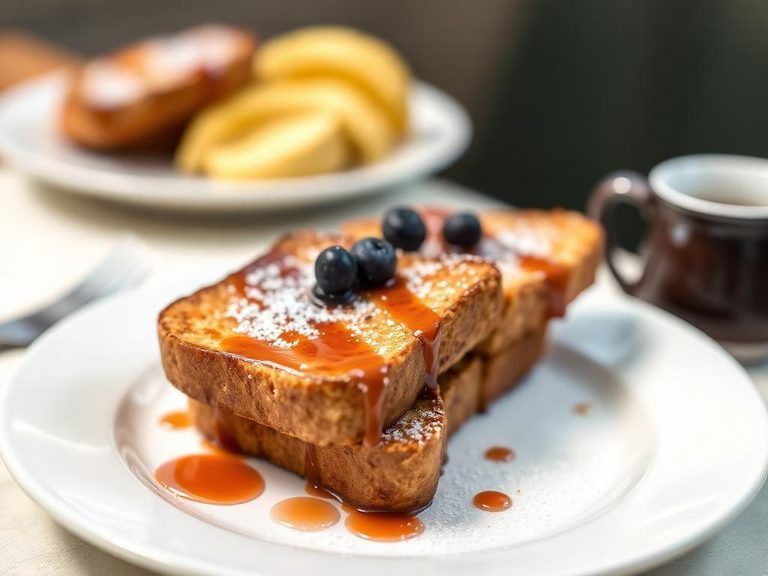
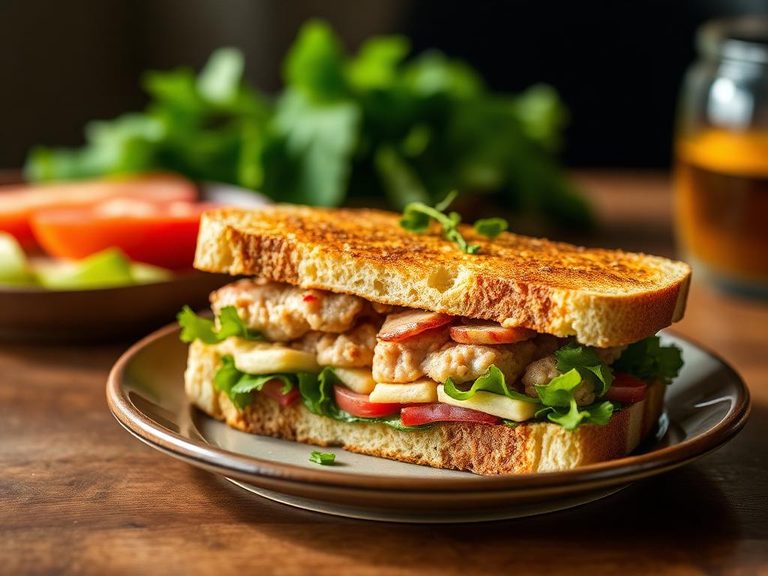
🌍 Where it's eaten
💡 Did you know?
The term 'multigrain' is not legally regulated and can mean anything from two grains to a dozen, so checking the ingredient list for 'whole' grains is key to getting the full nutritional benefit.
Full nutrition (USDA data · scales with serving)
| Water | 30.7 g |
| Energy | 291 kcal |
| Protein | 14.7 g |
| Total lipid (fat) | 4.7 g |
| Carbohydrate, by difference | 47.6 g |
| Fiber, total dietary | 8.1 g |
| Total Sugars | 7.0 g |
| Calcium, Ca | 113 mg |
| Iron, Fe | 2.8 mg |
| Magnesium, Mg | 86.0 mg |
| Phosphorus, P | 251 mg |
| Potassium, K | 253 mg |
| Sodium, Na | 396 mg |
| Zinc, Zn | 1.9 mg |
| Copper, Cu | 0.31 mg |
| Selenium, Se | 36.2 ug |
| Vitamin C, total ascorbic acid | 0.10 mg |
| Thiamin | 0.24 mg |
| Riboflavin | 0.14 mg |
| Niacin | 4.4 mg |
| Vitamin B-6 | 0.29 mg |
| Folate, total | 70.0 ug |
| Folic acid | 0.00 ug |
| Folate, food | 70.0 ug |
| Folate, DFE | 70.0 ug |
| Choline, total | 24.2 mg |
| Vitamin B-12 | 0.00 ug |
| Vitamin B-12, added | 0.00 ug |
| Vitamin A, RAE | 0.00 ug |
| Retinol | 0.00 ug |
| Carotene, beta | 1.0 ug |
| Carotene, alpha | 0.00 ug |
| Cryptoxanthin, beta | 0.00 ug |
| Lycopene | 0.00 ug |
| Lutein + zeaxanthin | 98.0 ug |
| Vitamin E (alpha-tocopherol) | 0.41 mg |
| Vitamin E, added | 0.00 mg |
| Vitamin D (D2 + D3) | 0.00 ug |
| Vitamin K (phylloquinone) | 1.5 ug |
| Alcohol, ethyl | 0.00 g |
| Caffeine | 0.00 mg |
| Theobromine | 0.00 mg |
Fat & fatty acid profile (per 100g)
| Fatty acids, total saturated | 0.96 g |
| SFA 4:0 | 0.00 g |
| SFA 6:0 | 0.00 g |
| SFA 8:0 | 0.00 g |
| SFA 10:0 | 0.00 g |
| SFA 12:0 | 0.00 g |
| SFA 14:0 | 0.00 g |
| SFA 16:0 | 0.56 g |
| SFA 18:0 | 0.39 g |
| Fatty acids, total monounsaturated | 0.83 g |
| MUFA 16:1 | 0.02 g |
| MUFA 18:1 | 0.80 g |
| MUFA 20:1 | 0.01 g |
| MUFA 22:1 | 0.00 g |
| Fatty acids, total polyunsaturated | 2.1 g |
| PUFA 18:2 | 1.8 g |
| PUFA 18:3 | 0.23 g |
| PUFA 18:4 | 0.00 g |
| PUFA 20:4 | 0.00 g |
| PUFA 20:5 n-3 (EPA) | 0.00 g |
| PUFA 22:5 n-3 (DPA) | 0.00 g |
| PUFA 22:6 n-3 (DHA) | 0.00 g |
| Cholesterol | 0.00 mg |
Amino acid profile (per 100g)
Estimated from Bread, salvadoran sweet cheese (quesadilla salvadorena) — USDA does not publish this profile for Bread.
| Tryptophan | 0.07 g |
| Threonine | 0.21 g |
| Isoleucine | 0.30 g |
| Leucine | 0.65 g |
| Lysine | 0.50 g |
| Methionine | 0.28 g |
| Cystine | 0.06 g |
| Phenylalanine | 0.37 g |
| Tyrosine | 0.23 g |
| Valine | 0.43 g |
| Arginine | 0.25 g |
| Histidine | 0.15 g |
| Alanine | 0.36 g |
| Aspartic acid | 0.59 g |
| Glutamic acid | 1.3 g |
| Glycine | 0.20 g |
| Proline | 0.83 g |
| Serine | 0.45 g |
| Hydroxyproline | 0.00 g |
FAQ
Is toasted multigrain bread healthier than untoasted?
Toasting doesn't significantly change the core nutritional profile (calories, protein, fiber), but it can lower the glycemic index slightly and may make the starches more resistant, which can benefit blood sugar control.
Why is the protein content so high per 100g?
The high protein is due to the combination of various grains and seeds (like wheat, rye, oats, flax, sunflower) used in the blend, and the fact that toasting removes water weight, concentrating the nutrients.
How do I keep it from getting soggy with wet toppings?
Toast it to a darker, crispier level. You can also create a barrier by spreading a thin layer of fat (butter, cream cheese, or mashed avocado) on the toast before adding wet ingredients like tomatoes or salsa.
Nutrient density (calculated · NRF9.3)
Nutrient Rich Foods index: beneficial nutrients (protein, fiber, vitamins, minerals) minus saturated fat, added sugar & sodium, per 100 kcal.
NRF9.3 index — Fulgoni, Keast & Drewnowski, 2009. Computed from USDA nutrients.
Weight-loss friendliness (composite index)
Energy density 2.91 kcal/g · 20% calories from protein · 8.1 g fiber · 7.0 g sugar per 100 g.
Composite of energy density (Rolls et al., 1999), protein & fiber satiety, minus sugar. A calculated heuristic — ranks satiety-per-calorie, not a clinical measure.
Dietary load (calculated from USDA values)
Potential renal acid load. Positive = acid-forming, negative = alkaline-forming.
Sodium-to-potassium ratio: 1.57 (lower is better — aim for ≤ 1)
Sodium:potassium per WHO potassium guidance. Computed from USDA nutrients.