

Cereals ready-to-eat, QUAKER, Toasted Multigrain Crisps
Whole food · Breakfast Cereals

Photo: Wikipedia
Quaker Toasted Multigrain Crisps are a crunchy, oven-toasted cereal made from a blend of whole grains, delivering a satisfyingly light and crispy texture with a subtle, toasty sweetness. Each 100g serving packs a notable 10.2g of fiber, making it a fiber-rich choice for a breakfast or snack. The cereal offers a balanced nutritional profile with 12.38g of protein and a moderate 16.34g of sugar, providing a quick energy boost.
Calorie split: 13% protein · 76% carbs · 12% fat
↓ Full nutrition💚 Why it's loved
People love these crisps for their addictive crunch and the comforting, lightly toasted grain flavor that isn't overly sweet. They are a versatile staple, equally at home in a breakfast bowl with milk, as a topping for yogurt, or as a standalone snack straight from the box.
⚠️ Watch-outs & how to enjoy it better
With 16.34g of sugar per 100g, it can contribute to a blood-sugar spike if eaten alone, especially by those monitoring their intake. To counteract this, pair it with a source of protein or fat like Greek yogurt or nuts, and practice portion control by measuring a single serving rather than eating from the box.
Key benefits
- Excellent source of dietary fiber (10.2g per 100g)
- Good plant-based protein content (12.38g per 100g)
- Provides complex carbohydrates for sustained energy
- Low in fat (5.11g per 100g)
- Convenient, ready-to-eat format
🍽️ Popular dishes
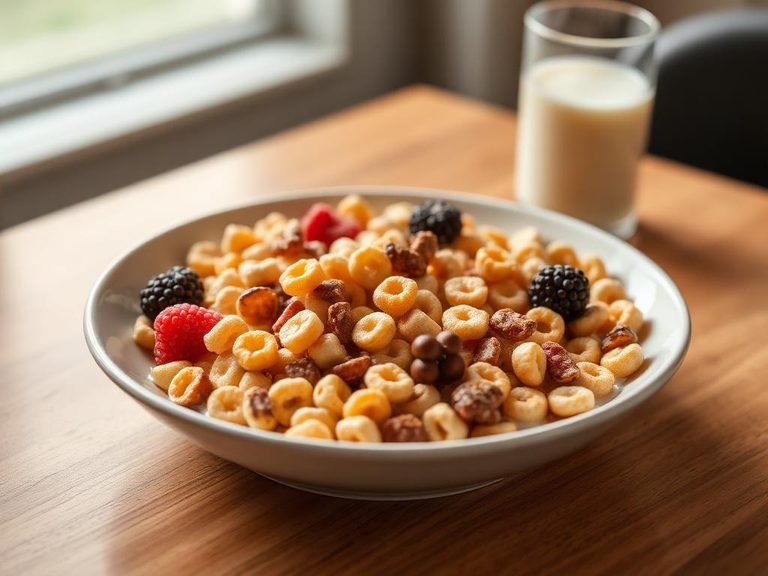
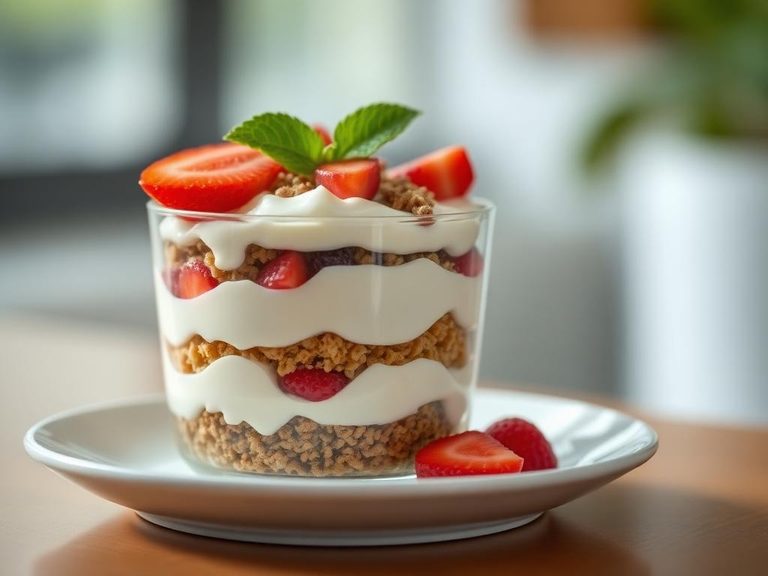
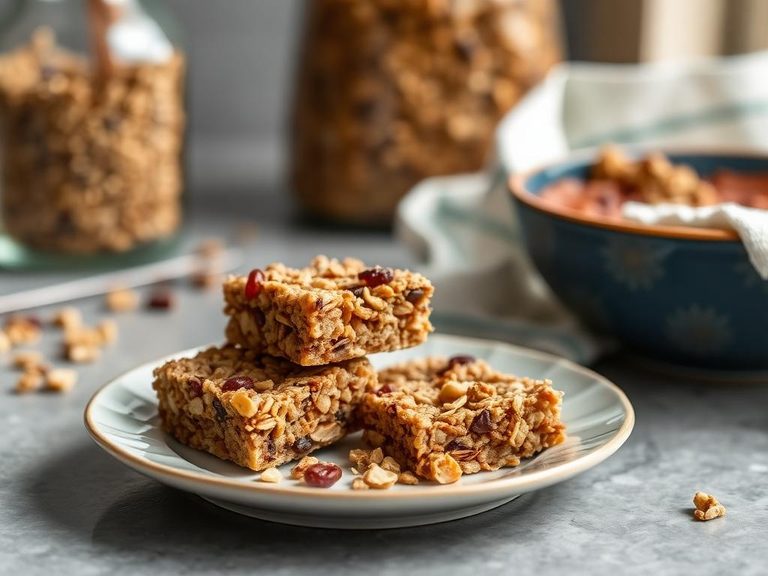


🌍 Where it's eaten
💡 Did you know?
The 'toasted' process for these crisps involves toasting the formed grain pieces at high heat, which gelatinizes the starches and creates their signature light, airy, and crispy texture.
Full nutrition (USDA data · scales with serving)
| Water | 4.0 g |
| Energy | 372 kcal |
| Energy | 1555 kj |
| Protein | 12.4 g |
| Total lipid (fat) | 5.1 g |
| Ash | 3.6 g |
| Carbohydrate, by difference | 74.9 g |
| Fiber, total dietary | 10.2 g |
| Total Sugars | 16.3 g |
| Calcium, Ca | 242 mg |
| Iron, Fe | 29.9 mg |
| Magnesium, Mg | 168 mg |
| Phosphorus, P | 518 mg |
| Potassium, K | 438 mg |
| Sodium, Na | 365 mg |
| Zinc, Zn | 7.7 mg |
| Copper, Cu | 0.32 mg |
| Manganese, Mn | 3.9 mg |
| Selenium, Se | 7.0 ug |
| Vitamin C, total ascorbic acid | 11.5 mg |
| Thiamin | 0.72 mg |
| Riboflavin | 0.82 mg |
| Niacin | 9.8 mg |
| Pantothenic acid | 0.85 mg |
| Vitamin B-6 | 0.89 mg |
| Folate, total | 737 ug |
| Folic acid | 718 ug |
| Folate, food | 19.0 ug |
| Folate, DFE | 1240 ug |
| Choline, total | 24.6 mg |
| Vitamin B-12 | 0.00 ug |
| Vitamin B-12, added | 0.00 ug |
| Vitamin A, RAE | 359 ug |
| Retinol | 358 ug |
| Carotene, beta | 14.0 ug |
| Carotene, alpha | 9.0 ug |
| Cryptoxanthin, beta | 0.00 ug |
| Vitamin A, IU | 1224 iu |
| Lycopene | 0.00 ug |
| Lutein + zeaxanthin | 310 ug |
| Vitamin E (alpha-tocopherol) | 3.1 mg |
| Vitamin E, added | 2.5 mg |
| Vitamin D (D2 + D3), International Units | 0.00 iu |
| Vitamin D (D2 + D3) | 0.00 ug |
| Vitamin K (phylloquinone) | 2.1 ug |
| Alcohol, ethyl | 0.00 g |
| Caffeine | 0.00 mg |
| Theobromine | 0.00 mg |
Fat & fatty acid profile (per 100g)
| Fatty acids, total saturated | 0.91 g |
| SFA 4:0 | 0.00 g |
| SFA 6:0 | 0.00 g |
| SFA 8:0 | 0.00 g |
| SFA 10:0 | 0.00 g |
| SFA 12:0 | 0.01 g |
| SFA 14:0 | 0.01 g |
| SFA 16:0 | 0.77 g |
| SFA 18:0 | 0.05 g |
| Fatty acids, total monounsaturated | 1.6 g |
| MUFA 16:1 | 0.01 g |
| MUFA 18:1 | 1.6 g |
| MUFA 20:1 | 0.00 g |
| MUFA 22:1 | 0.00 g |
| Fatty acids, total polyunsaturated | 2.0 g |
| PUFA 18:2 | 2.0 g |
| PUFA 18:3 | 0.09 g |
| PUFA 18:4 | 0.00 g |
| PUFA 20:4 | 0.00 g |
| PUFA 20:5 n-3 (EPA) | 0.00 g |
| PUFA 22:5 n-3 (DPA) | 0.00 g |
| PUFA 22:6 n-3 (DHA) | 0.00 g |
| Fatty acids, total trans | 0.00 g |
| Cholesterol | 0.00 mg |
FAQ
Are these considered a healthy cereal?
They offer significant benefits like high fiber and good protein, but the sugar content is notable. They are a healthier choice than many sugary cereals, especially when paired with protein and consumed in controlled portions.
Is this cereal gluten-free?
No, as it is made from a multigrain blend that typically includes wheat. Individuals with celiac disease or gluten sensitivity should avoid it and check for certified gluten-free alternatives.
How does the fiber content compare to other cereals?
At 10.2g per 100g, it is very high in fiber, significantly outperforming many standard breakfast cereals which often have 1-3g per serving. This makes it excellent for digestive health and satiety.
Nutrient density (calculated · NRF9.3)
Nutrient Rich Foods index: beneficial nutrients (protein, fiber, vitamins, minerals) minus saturated fat, added sugar & sodium, per 100 kcal.
NRF9.3 index — Fulgoni, Keast & Drewnowski, 2009. Computed from USDA nutrients.
Weight-loss friendliness (composite index)
Energy density 3.72 kcal/g · 13% calories from protein · 10.2 g fiber · 16.3 g sugar per 100 g.
Composite of energy density (Rolls et al., 1999), protein & fiber satiety, minus sugar. A calculated heuristic — ranks satiety-per-calorie, not a clinical measure.
Dietary load (calculated from USDA values)
Potential renal acid load. Positive = acid-forming, negative = alkaline-forming.
Sodium-to-potassium ratio: 0.83 (lower is better — aim for ≤ 1)
Sodium:potassium per WHO potassium guidance. Computed from USDA nutrients.