

Dessert crust for cheesecake
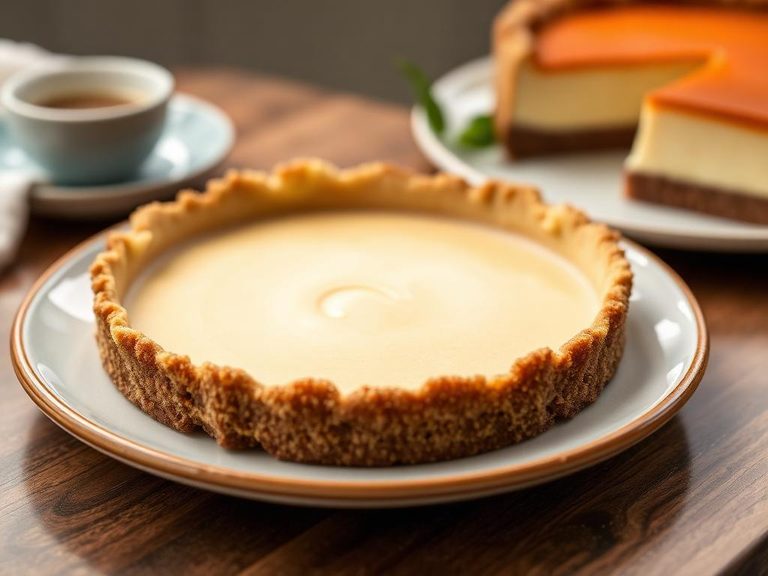
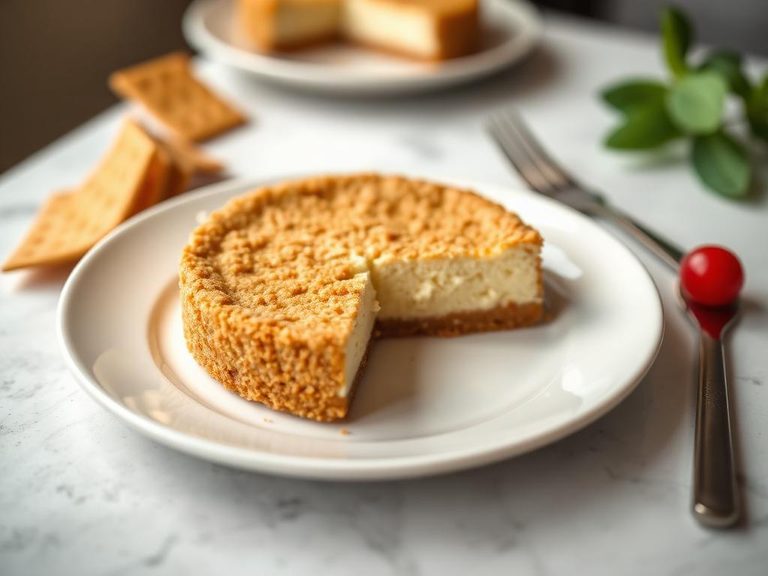
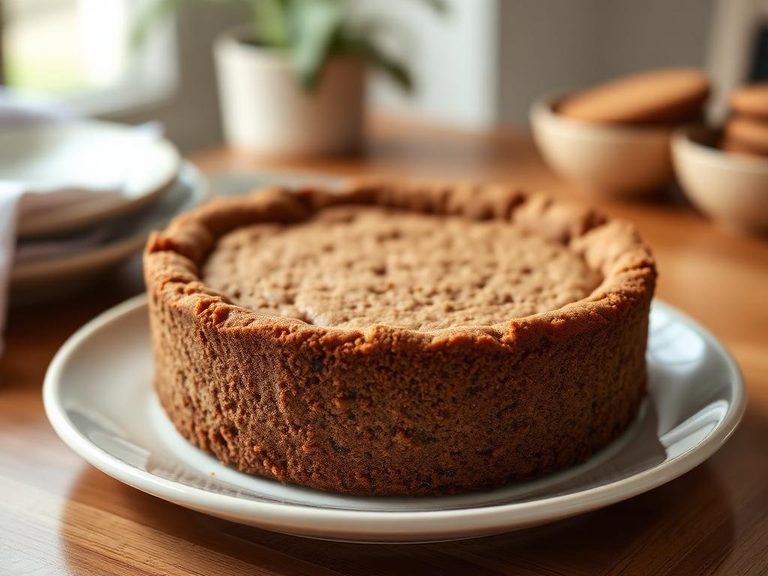
A dessert crust for cheesecake is the crispy, buttery base that supports the creamy filling, typically made from crushed cookies (like graham crackers or digestive biscuits), melted butter, and a touch of sugar. This simple yet essential component originated in the United States, where graham cracker crusts became a staple for no-bake and baked cheesecakes alike.
🍳 View the full Dessert crust for cheesecake recipe →
🍽️ Nutrition at a glance
The crust is high in carbohydrates and fat, primarily from the cookies and butter, with minimal protein. A typical serving (about 1/8 of a 9-inch crust) provides roughly 150-200 calories, along with small amounts of iron and calcium from the fortified flour in the cookies.
Nutrition breakdown
| Calories | 530 kcal |
| Protein | 6 g |
| Carbs | 50 g |
| Fat | 35 g |
| Fiber | 2 g |
| Sugar | 25 g |
| Sodium | 420 mg |
| Calcium | 60 mg |
| Iron | 2.5 mg |
| Magnesium | 20 mg |
| Phosphorus | 80 mg |
| Potassium | 110 mg |
| Vitamin A | 250 IU |
| Vitamin E | 1.5 mg |
| Folate | 30 µg |
Per 1 crust (113 g) · estimated, varies by recipe
💡 What's interesting
Culturally, the crust reflects a resourceful baking tradition, transforming humble ingredients into a textural contrast that elevates the entire dessert. Nutritionally, it serves as a quick energy source from carbs and fats, but its role is more about enhancing flavor and texture than providing significant nutrients.
🍽️ Related dishes

AI estimate may be inaccurate · Terms