Dessert crust for cheesecakes or pies
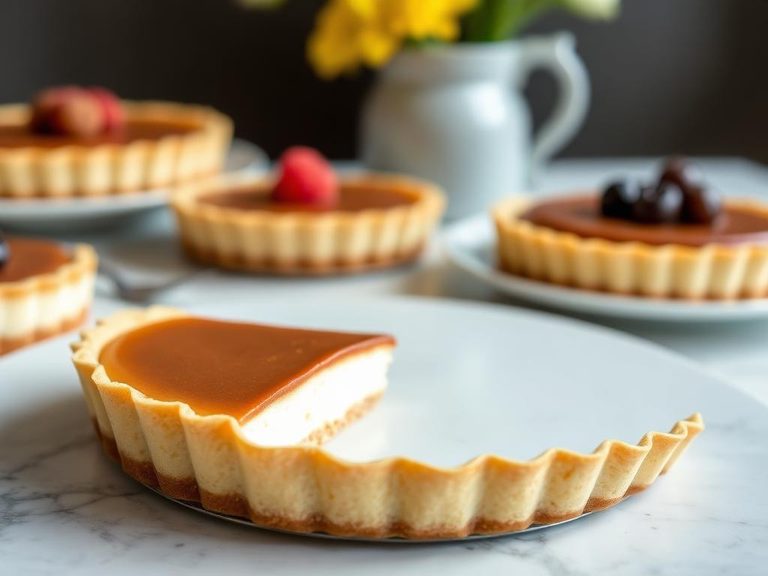
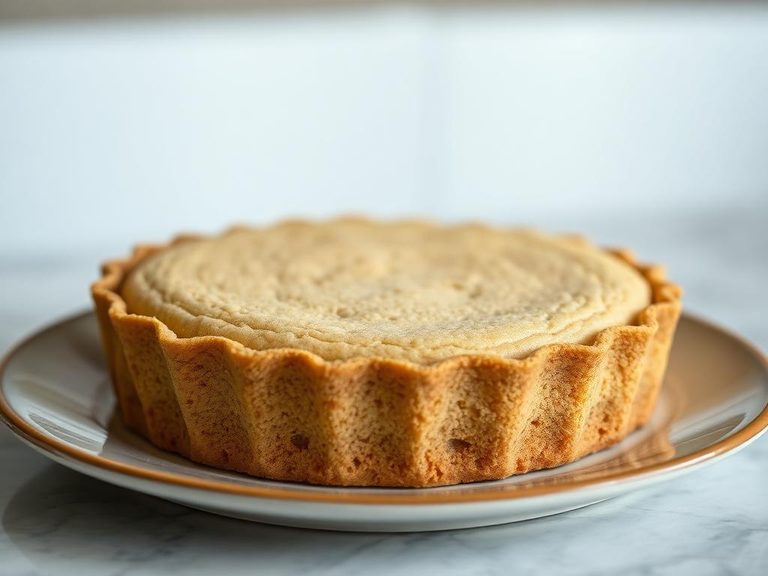
A dessert crust is the crumbly, buttery base layer used to support cheesecakes or pies, typically made from crushed cookies or graham crackers mixed with melted butter and sugar. This simple foundation is essential for adding texture and flavor contrast to creamy or fruity fillings. While the exact origin is tied to the popularization of cheesecake in the United States, it has become a global staple in home baking.
🍽️ Nutrition at a glance
This crust is generally high in carbohydrates and fat, with minimal protein, as it's primarily made from refined flour, sugar, and butter. A typical serving can range from 150 to 250 calories, providing quick energy but little in the way of essential vitamins or minerals.
Nutrition breakdown
| Calories | 680 kcal |
| Protein | 8.5 g |
| Carbs | 65 g |
| Fat | 45 g |
| Fiber | 2.5 g |
| Sugar | 30 g |
| Sodium | 520 mg |
| Calcium | 120 mg |
| Iron | 2.8 mg |
| Magnesium | 25 mg |
| Phosphorus | 80 mg |
| Potassium | 110 mg |
| Selenium | 12 µg |
| Thiamin (B1) | 0.2 mg |
| Folate | 35 µg |
Per 1 crust (approx. 150 g) · estimated, varies by recipe
💡 What's interesting
Culturally, the graham cracker crust is a distinctly American innovation, popularized in the mid-20th century as a convenient alternative to traditional pastry dough. Nutritionally, it serves as a perfect example of how a simple, high-energy base can transform a dish's mouthfeel and balance the richness of the main filling.
🍽️ Related dishes
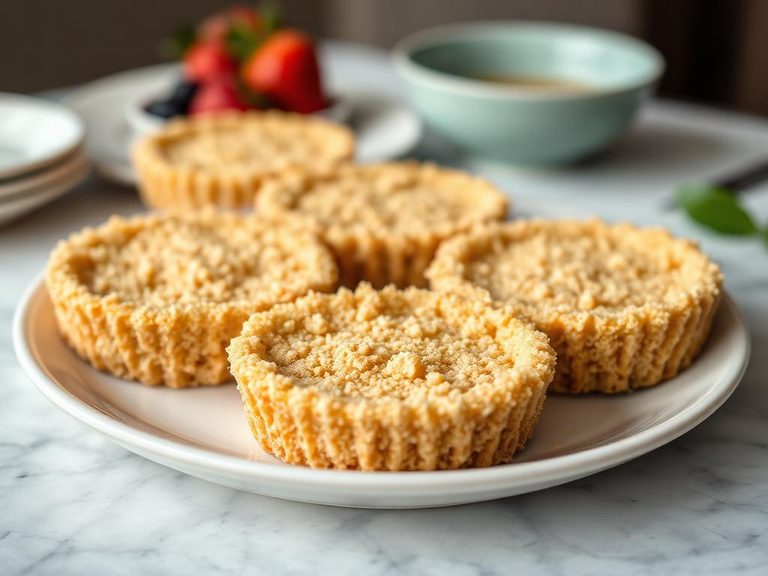 Cracker crumb crusts for cheesecakes or pies
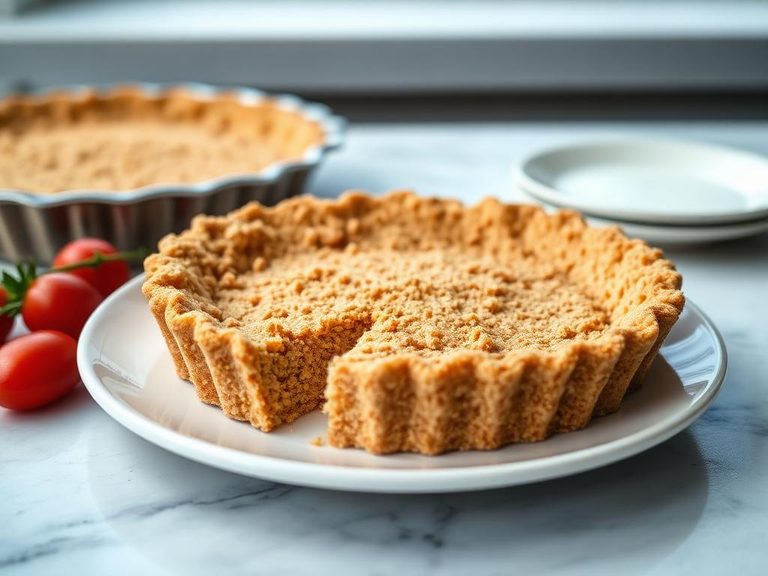 Cracker crumb crust for pies or cheesecakes
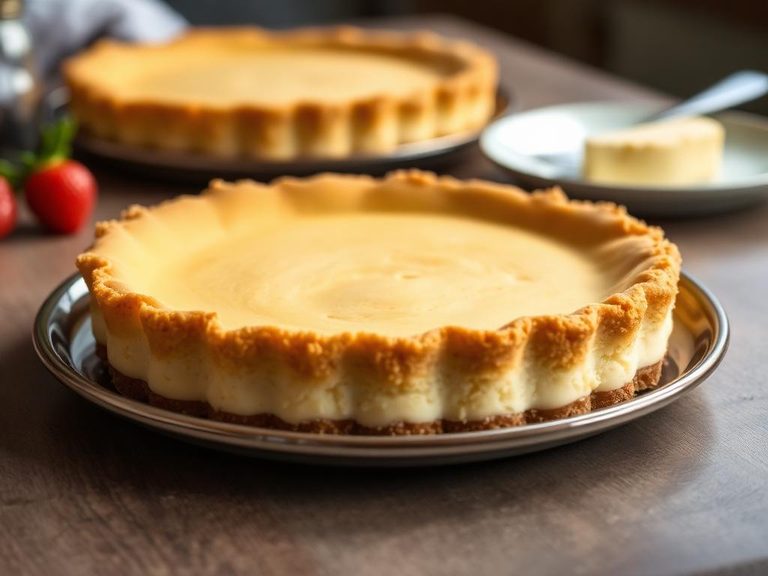 Crust for cheesecakes or cream pies
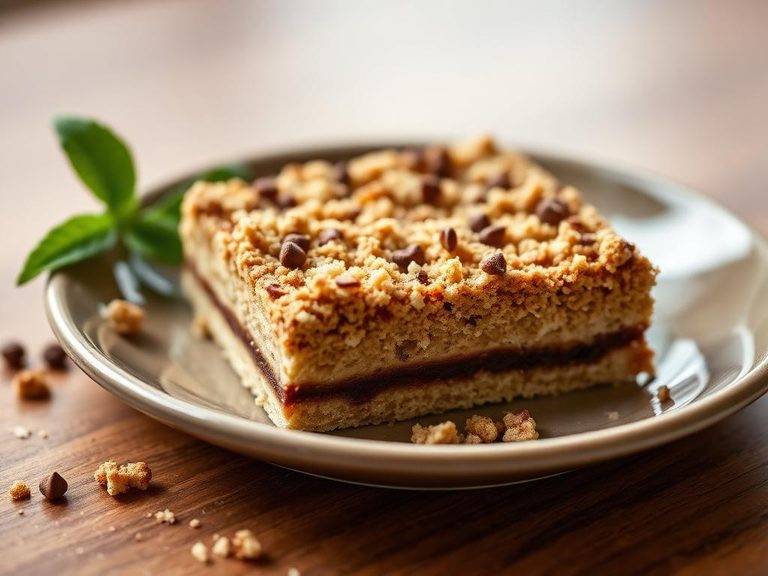 Dessert crust for no-bake pies or bars
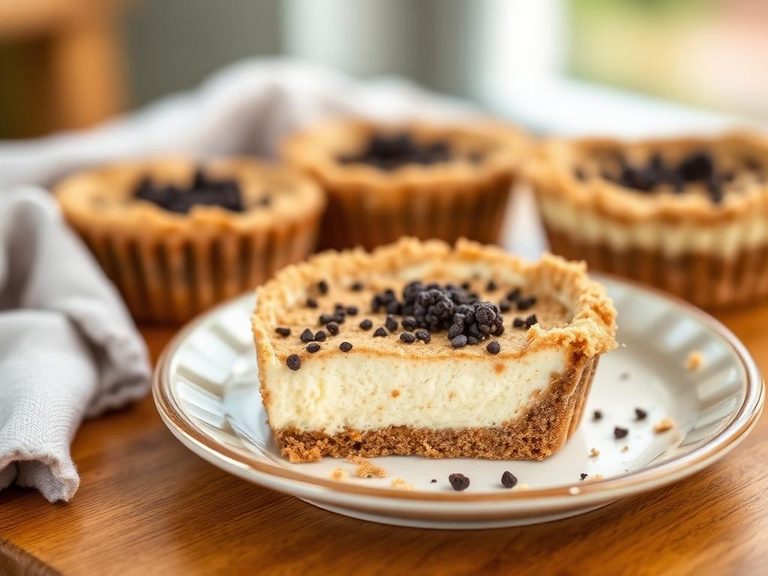 Crushed as a pie crust for no-bake cheesecakes
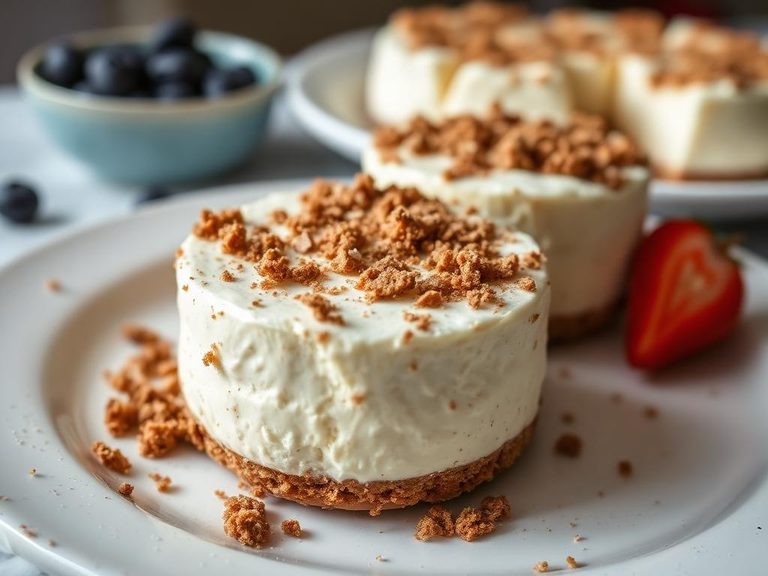 Crushed as a crust for no-bake cheesecakes
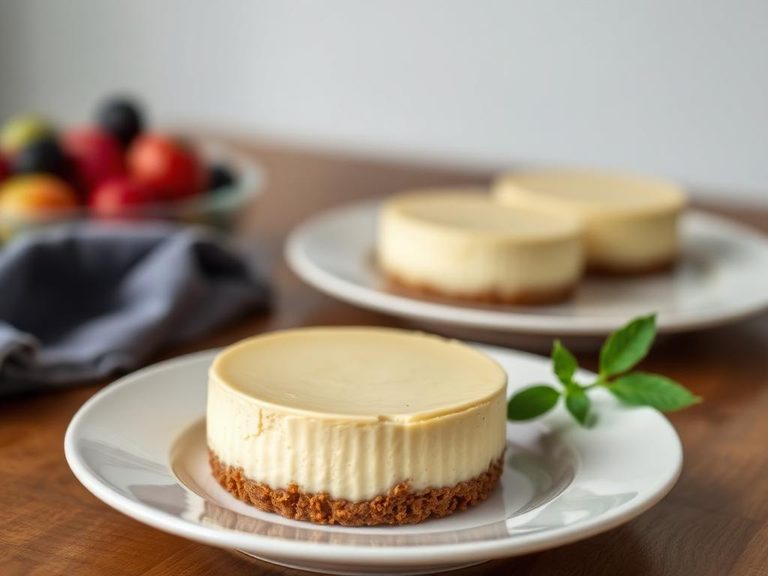 Used as a base for vegan cheesecakes or mousses
 Cookie Crust for Cheesecake or Pies