

Bread, multigrain
Common food
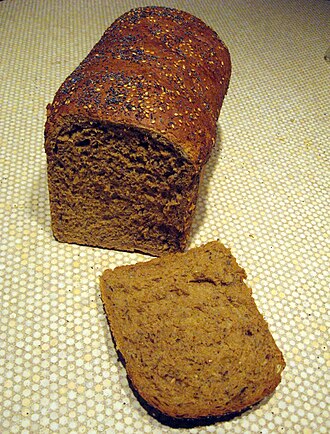
Photo: Wikipedia
Multigrain bread is a hearty, textured loaf that blends wheat with other grains like oats, barley, or flax, offering a nutty, slightly earthy flavor with a satisfying chew. It's a nutritional step up from white bread, delivering a solid 13.36g of protein and 7.4g of fiber per 100g, which helps keep you full longer. Its varied grain content gives it a more complex, wholesome taste and a denser, more substantial crumb.
Calorie split: 20% protein · 65% carbs · 14% fat
↓ Full nutrition💚 Why it's loved
People love multigrain bread for its robust, nutty flavor and hearty texture that makes sandwiches feel more substantial and satisfying. It's a versatile staple that elevates both savory and sweet toppings, from avocado toast to a classic peanut butter and jelly.
⚠️ Watch-outs & how to enjoy it better
Despite being 'multigrain,' some commercial varieties can still be high in sodium and may contain added sugars, which can affect blood sugar levels. Those with gluten sensitivities must be cautious, as it typically contains wheat; always check labels for certified gluten-free options if needed. To counteract potential blood sugar spikes, pair it with protein (like eggs or cheese) or healthy fats (like avocado or nut butter) and practice portion control.
Key benefits
- High in fiber (7.4g/100g) for digestive health and satiety.
- Good source of plant-based protein (13.36g/100g).
- Contains complex carbohydrates for sustained energy release.
- Provides a range of micronutrients from diverse whole grains.
- Lower glycemic impact than refined white bread due to fiber and protein.
🍽️ Popular dishes
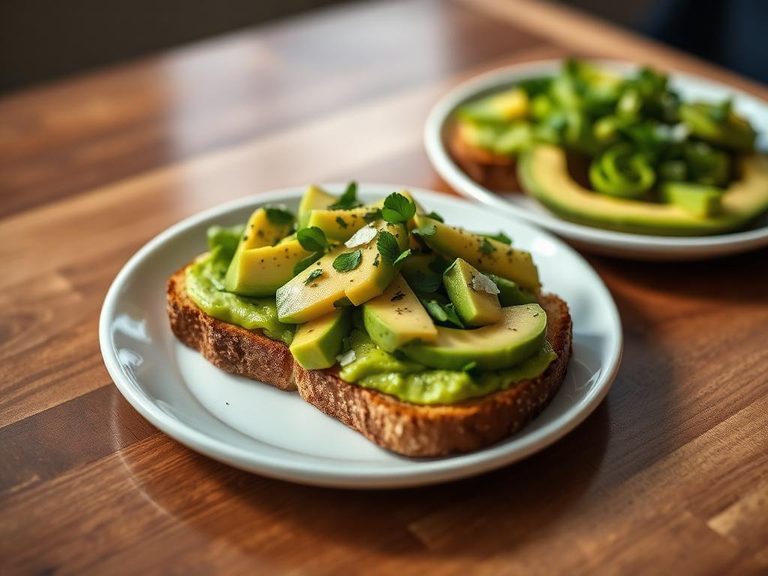


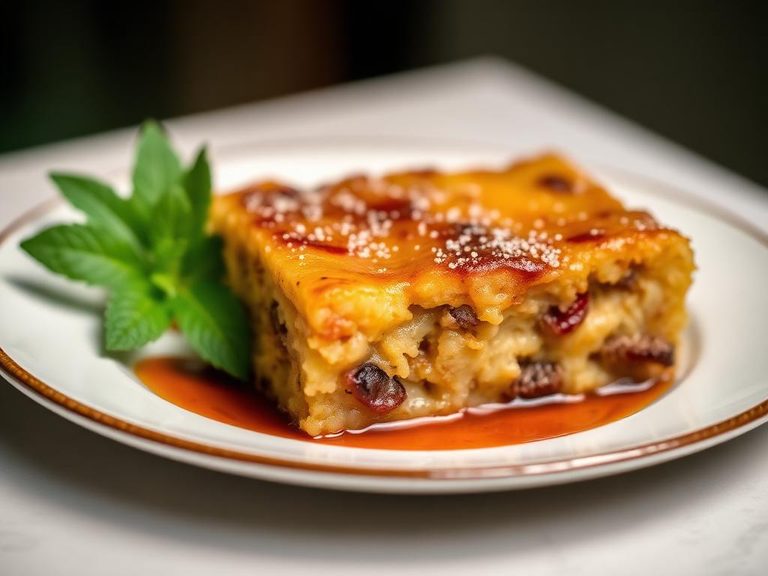


🌍 Where it's eaten
💡 Did you know?
The term 'multigrain' is not legally regulated in many countries, so a bread labeled 'multigrain' might only contain a small amount of whole grains alongside refined flours—always look for '100% whole grain' on the label for the real deal.
Full nutrition (USDA data · scales with serving)
| Water | 36.9 g |
| Energy | 265 kcal |
| Protein | 13.4 g |
| Total lipid (fat) | 4.2 g |
| Carbohydrate, by difference | 43.3 g |
| Fiber, total dietary | 7.4 g |
| Total Sugars | 6.4 g |
| Calcium, Ca | 103 mg |
| Iron, Fe | 2.5 mg |
| Magnesium, Mg | 78.0 mg |
| Phosphorus, P | 228 mg |
| Potassium, K | 230 mg |
| Sodium, Na | 360 mg |
| Zinc, Zn | 1.7 mg |
| Copper, Cu | 0.28 mg |
| Selenium, Se | 32.9 ug |
| Vitamin C, total ascorbic acid | 0.10 mg |
| Thiamin | 0.28 mg |
| Riboflavin | 0.13 mg |
| Niacin | 4.0 mg |
| Vitamin B-6 | 0.26 mg |
| Folate, total | 75.0 ug |
| Folic acid | 0.00 ug |
| Folate, food | 75.0 ug |
| Folate, DFE | 75.0 ug |
| Choline, total | 22.0 mg |
| Vitamin B-12 | 0.00 ug |
| Vitamin B-12, added | 0.00 ug |
| Vitamin A, RAE | 0.00 ug |
| Retinol | 0.00 ug |
| Carotene, beta | 1.0 ug |
| Carotene, alpha | 0.00 ug |
| Cryptoxanthin, beta | 0.00 ug |
| Lycopene | 0.00 ug |
| Lutein + zeaxanthin | 94.0 ug |
| Vitamin E (alpha-tocopherol) | 0.37 mg |
| Vitamin E, added | 0.00 mg |
| Vitamin D (D2 + D3) | 0.00 ug |
| Vitamin K (phylloquinone) | 1.4 ug |
| Alcohol, ethyl | 0.00 g |
| Caffeine | 0.00 mg |
| Theobromine | 0.00 mg |
Fat & fatty acid profile (per 100g)
| Fatty acids, total saturated | 0.87 g |
| SFA 4:0 | 0.00 g |
| SFA 6:0 | 0.00 g |
| SFA 8:0 | 0.00 g |
| SFA 10:0 | 0.00 g |
| SFA 12:0 | 0.00 g |
| SFA 14:0 | 0.00 g |
| SFA 16:0 | 0.51 g |
| SFA 18:0 | 0.35 g |
| Fatty acids, total monounsaturated | 0.76 g |
| MUFA 16:1 | 0.02 g |
| MUFA 18:1 | 0.73 g |
| MUFA 20:1 | 0.01 g |
| MUFA 22:1 | 0.00 g |
| Fatty acids, total polyunsaturated | 1.9 g |
| PUFA 18:2 | 1.7 g |
| PUFA 18:3 | 0.20 g |
| PUFA 18:4 | 0.00 g |
| PUFA 20:4 | 0.00 g |
| PUFA 20:5 n-3 (EPA) | 0.00 g |
| PUFA 22:5 n-3 (DPA) | 0.00 g |
| PUFA 22:6 n-3 (DHA) | 0.00 g |
| Cholesterol | 0.00 mg |
Amino acid profile (per 100g)
Estimated from Bread, salvadoran sweet cheese (quesadilla salvadorena) — USDA does not publish this profile for Bread.
| Tryptophan | 0.07 g |
| Threonine | 0.21 g |
| Isoleucine | 0.30 g |
| Leucine | 0.65 g |
| Lysine | 0.50 g |
| Methionine | 0.28 g |
| Cystine | 0.06 g |
| Phenylalanine | 0.37 g |
| Tyrosine | 0.23 g |
| Valine | 0.43 g |
| Arginine | 0.25 g |
| Histidine | 0.15 g |
| Alanine | 0.36 g |
| Aspartic acid | 0.59 g |
| Glutamic acid | 1.3 g |
| Glycine | 0.20 g |
| Proline | 0.83 g |
| Serine | 0.45 g |
| Hydroxyproline | 0.00 g |
FAQ
Is multigrain bread the same as whole grain bread?
Not necessarily. 'Multigrain' means it contains multiple grains, but some of those grains might be refined. 'Whole grain' means all grains used are intact and unrefined, retaining their bran, germ, and endosperm. For maximum nutrition, look for '100% whole grain' on the label.
How does multigrain bread affect blood sugar compared to white bread?
Multigrain bread generally has a lower glycemic index than white bread due to its higher fiber and protein content, which slows digestion. However, it can still cause blood sugar rises if consumed in large portions or without balancing foods. Pairing it with protein or fat helps stabilize blood sugar.
Can I make multigrain bread at home?
Yes, homemade multigrain bread is popular and allows you to control ingredients. A basic recipe involves combining whole wheat flour with other grains like oats, flaxseeds, and sunflower seeds, along with yeast, water, salt, and a sweetener. It typically requires a longer rise time for the grains to soften.
Nutrient density (calculated · NRF9.3)
Nutrient Rich Foods index: beneficial nutrients (protein, fiber, vitamins, minerals) minus saturated fat, added sugar & sodium, per 100 kcal.
NRF9.3 index — Fulgoni, Keast & Drewnowski, 2009. Computed from USDA nutrients.
Weight-loss friendliness (composite index)
Energy density 2.65 kcal/g · 20% calories from protein · 7.4 g fiber · 6.4 g sugar per 100 g.
Composite of energy density (Rolls et al., 1999), protein & fiber satiety, minus sugar. A calculated heuristic — ranks satiety-per-calorie, not a clinical measure.
Dietary load (calculated from USDA values)
Potential renal acid load. Positive = acid-forming, negative = alkaline-forming.
Sodium-to-potassium ratio: 1.57 (lower is better — aim for ≤ 1)
Sodium:potassium per WHO potassium guidance. Computed from USDA nutrients.