

Biscuits, plain or buttermilk, frozen, baked
Whole food · Baked Products

Photo: Wikipedia
These are flaky, golden-brown biscuits made from a simple dough of flour, fat, and buttermilk, then frozen for convenience. When baked, they achieve a tender, layered interior with a crisp, buttery exterior. Nutritionally, they are a high-energy carbohydrate source, providing a quick fuel boost.
Calorie split: 7% protein · 63% carbs · 29% fat
↓ Full nutrition💚 Why it's loved
People love them for their rich, buttery flavor and satisfyingly flaky texture that pairs perfectly with savory meals or sweet spreads. They are a beloved comfort food, often associated with home cooking and Southern U.S. cuisine.
⚠️ Watch-outs & how to enjoy it better
They are calorie-dense and low in fiber, which can lead to blood sugar spikes, especially for those monitoring their intake. To counteract this, pair them with a source of protein or healthy fat (like eggs or avocado) and practice portion control by having just one biscuit with a balanced meal.
Key benefits
- Provides a quick source of energy from carbohydrates
- Contains some protein from the flour and buttermilk
- Offers convenience as a pre-made, bake-at-home product
- Can be a comforting, familiar staple for breakfast or sides
🍽️ Popular dishes

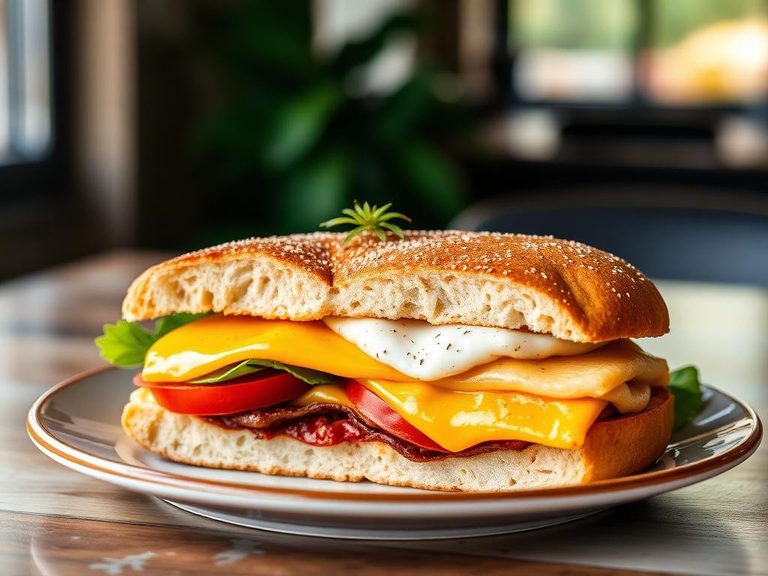
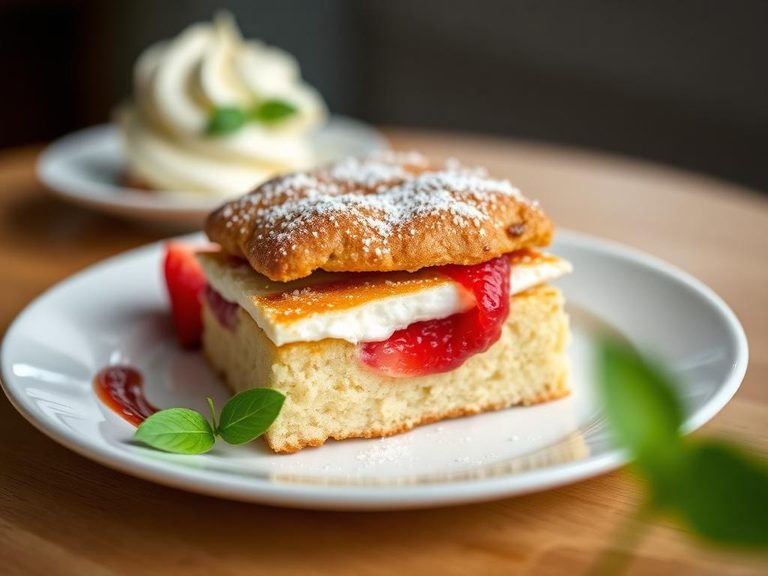
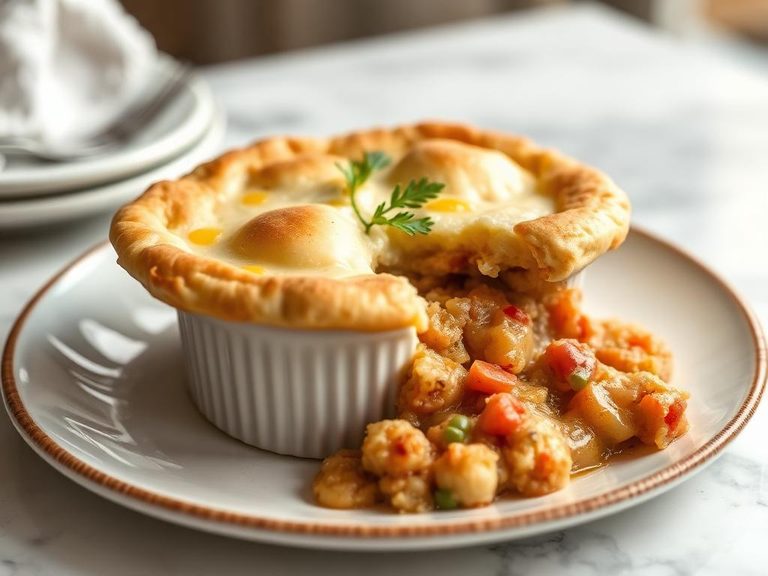
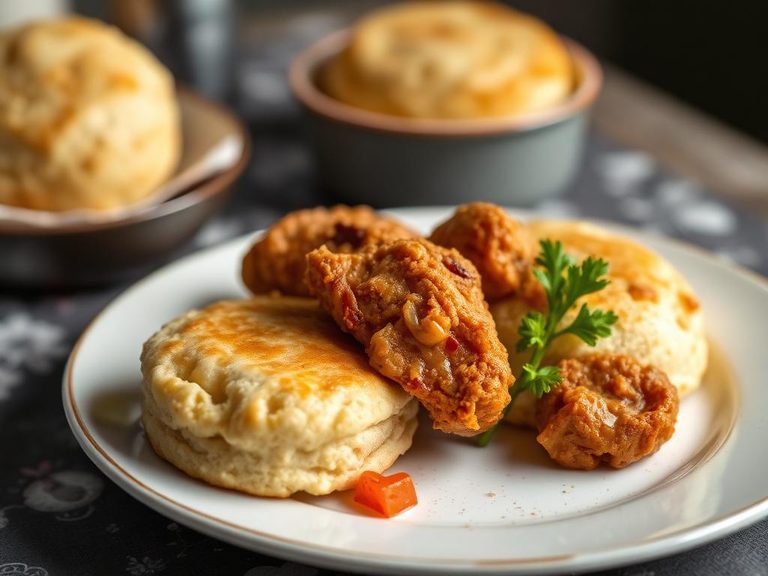
🌍 Where it's eaten
💡 Did you know?
The term 'biscuit' in the U.S. refers to this soft, leavened bread, while in the UK it denotes what Americans call a 'cookie' or 'cracker'.
Full nutrition (USDA data · scales with serving)
| Water | 26.7 g |
| Energy | 338 kcal |
| Energy | 1414 kj |
| Protein | 6.2 g |
| Total lipid (fat) | 11.0 g |
| Ash | 2.2 g |
| Carbohydrate, by difference | 53.9 g |
| Fiber, total dietary | 1.3 g |
| Total Sugars | 3.5 g |
| Calcium, Ca | 49.0 mg |
| Iron, Fe | 3.3 mg |
| Magnesium, Mg | 17.0 mg |
| Phosphorus, P | 430 mg |
| Potassium, K | 224 mg |
| Sodium, Na | 942 mg |
| Zinc, Zn | 0.48 mg |
| Copper, Cu | 0.08 mg |
| Manganese, Mn | 0.39 mg |
| Selenium, Se | 18.8 ug |
| Vitamin C, total ascorbic acid | 0.00 mg |
| Thiamin | 0.43 mg |
| Riboflavin | 0.29 mg |
| Niacin | 3.4 mg |
| Pantothenic acid | 0.30 mg |
| Vitamin B-6 | 0.05 mg |
| Folate, total | 70.0 ug |
| Folic acid | 58.0 ug |
| Folate, food | 12.0 ug |
| Folate, DFE | 111 ug |
| Choline, total | 20.0 mg |
| Vitamin B-12 | 0.14 ug |
| Vitamin B-12, added | 0.00 ug |
| Vitamin A, RAE | 0.00 ug |
| Retinol | 0.00 ug |
| Carotene, beta | 0.00 ug |
| Carotene, alpha | 0.00 ug |
| Cryptoxanthin, beta | 0.00 ug |
| Vitamin A, IU | 2.0 iu |
| Lycopene | 0.00 ug |
| Lutein + zeaxanthin | 9.0 ug |
| Vitamin E (alpha-tocopherol) | 1.3 mg |
| Vitamin E, added | 0.00 mg |
| Vitamin D (D2 + D3), International Units | 0.00 iu |
| Vitamin D (D2 + D3) | 0.00 ug |
| Vitamin K (phylloquinone) | 4.1 ug |
| Alcohol, ethyl | 0.00 g |
| Caffeine | 0.00 mg |
| Theobromine | 0.00 mg |
Fat & fatty acid profile (per 100g)
| Fatty acids, total saturated | 1.7 g |
| SFA 4:0 | 0.00 g |
| SFA 6:0 | 0.00 g |
| SFA 8:0 | 0.00 g |
| SFA 10:0 | 0.00 g |
| SFA 12:0 | 0.00 g |
| SFA 14:0 | 0.01 g |
| SFA 16:0 | 1.1 g |
| SFA 18:0 | 0.54 g |
| Fatty acids, total monounsaturated | 4.6 g |
| MUFA 16:1 | 0.04 g |
| MUFA 18:1 | 4.6 g |
| MUFA 20:1 | 0.00 g |
| MUFA 22:1 | 0.00 g |
| Fatty acids, total polyunsaturated | 4.2 g |
| PUFA 18:2 | 3.9 g |
| PUFA 18:3 | 0.29 g |
| PUFA 18:4 | 0.00 g |
| PUFA 20:4 | 0.00 g |
| PUFA 20:5 n-3 (EPA) | 0.00 g |
| PUFA 22:5 n-3 (DPA) | 0.00 g |
| PUFA 22:6 n-3 (DHA) | 0.00 g |
| Cholesterol | 1.0 mg |
Amino acid profile (per 100g)
| Tryptophan | 0.08 g |
| Threonine | 0.18 g |
| Isoleucine | 0.23 g |
| Leucine | 0.44 g |
| Lysine | 0.17 g |
| Methionine | 0.11 g |
| Cystine | 0.12 g |
| Phenylalanine | 0.31 g |
| Tyrosine | 0.19 g |
| Valine | 0.26 g |
| Arginine | 0.24 g |
| Histidine | 0.14 g |
| Alanine | 0.20 g |
| Aspartic acid | 0.28 g |
| Glutamic acid | 2.0 g |
| Glycine | 0.21 g |
| Proline | 0.70 g |
| Serine | 0.31 g |
FAQ
What is the difference between a frozen biscuit and a fresh one?
Frozen biscuits are pre-made and flash-frozen to preserve freshness. When baked directly from frozen, they yield a texture and flavor very close to fresh, with the added benefit of long shelf life and convenience.
Can I use these biscuits for something other than breakfast?
Absolutely. They are versatile and can be used for savory dinners (like pot pie topping), sweet desserts (as shortcake), or as a base for sliders and sandwiches.
How do I get the flakiest layers?
For maximum flakiness, ensure your biscuit dough (or the frozen biscuit) is very cold when it enters a hot oven. This creates steam that separates the layers of fat and dough.
Nutrient density (calculated · NRF9.3)
Nutrient Rich Foods index: beneficial nutrients (protein, fiber, vitamins, minerals) minus saturated fat, added sugar & sodium, per 100 kcal.
NRF9.3 index — Fulgoni, Keast & Drewnowski, 2009. Computed from USDA nutrients.
Weight-loss friendliness (composite index)
Energy density 3.38 kcal/g · 7% calories from protein · 1.3 g fiber · 3.5 g sugar per 100 g.
Composite of energy density (Rolls et al., 1999), protein & fiber satiety, minus sugar. A calculated heuristic — ranks satiety-per-calorie, not a clinical measure.
Dietary load (calculated from USDA values)
Potential renal acid load. Positive = acid-forming, negative = alkaline-forming.
Sodium-to-potassium ratio: 4.21 (lower is better — aim for ≤ 1)
Sodium:potassium per WHO potassium guidance. Computed from USDA nutrients.