

Biscuits, plain or buttermilk, dry mix
Whole food · Baked Products

Photo: Wikipedia
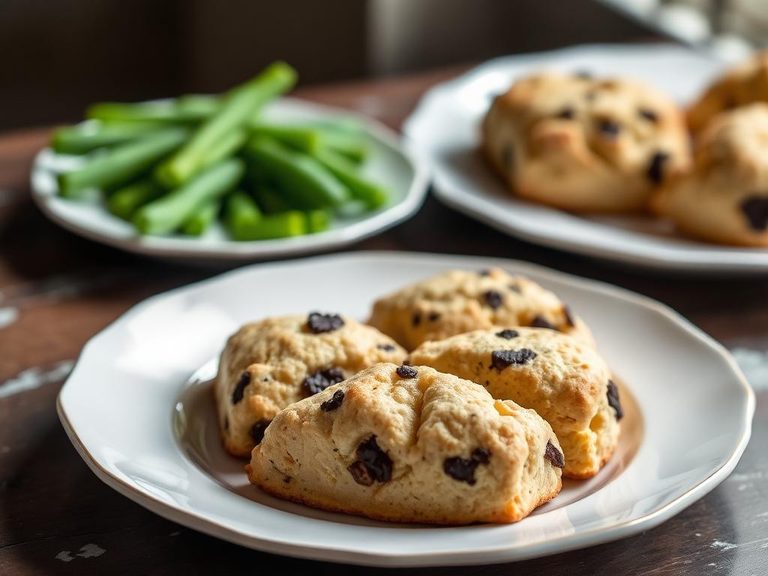
This dry mix is the foundation for classic, fluffy American biscuits, transforming into a tender, flaky, or soft bread with a rich, buttery flavor. Nutritionally, it's a high-energy carbohydrate source, providing over 63 grams of carbs per 100g of mix to fuel your day.
Calorie split: 8% protein · 60% carbs · 33% fat
↓ Full nutrition💚 Why it's loved
People love it for its unparalleled convenience and the comforting, nostalgic aroma of fresh biscuits that can be ready in under 20 minutes. It's a beloved staple in Southern U.S. cuisine, symbolizing home cooking and hospitality.
⚠️ Watch-outs & how to enjoy it better
The mix is typically high in sodium and refined carbohydrates, which can contribute to blood-sugar spikes. To counteract this, pair biscuits with protein and fat (like eggs or sausage) or fiber (like stewed greens) to slow digestion, and practice portion control.
Key benefits
- Excellent source of quick energy from carbohydrates
- Provides a moderate amount of protein for a baked good
- Convenient base for homemade bread in minutes
- Long shelf life for pantry storage
- Versatile foundation for both sweet and savory dishes
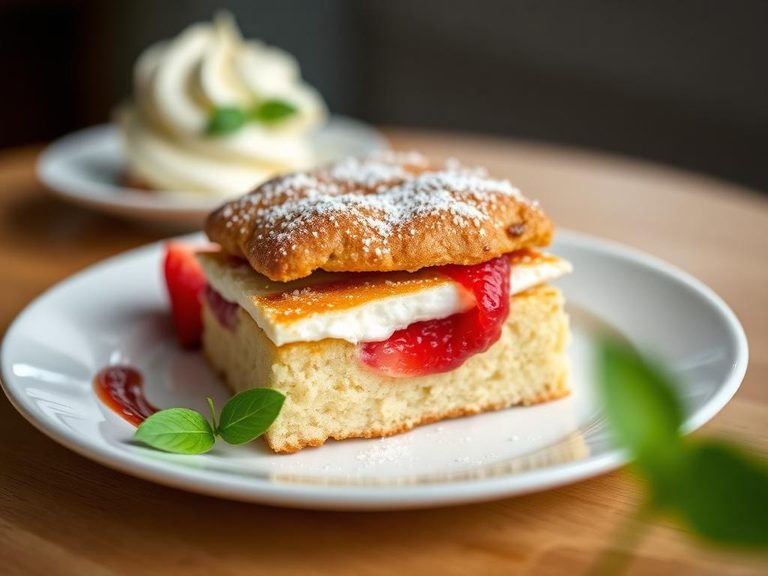
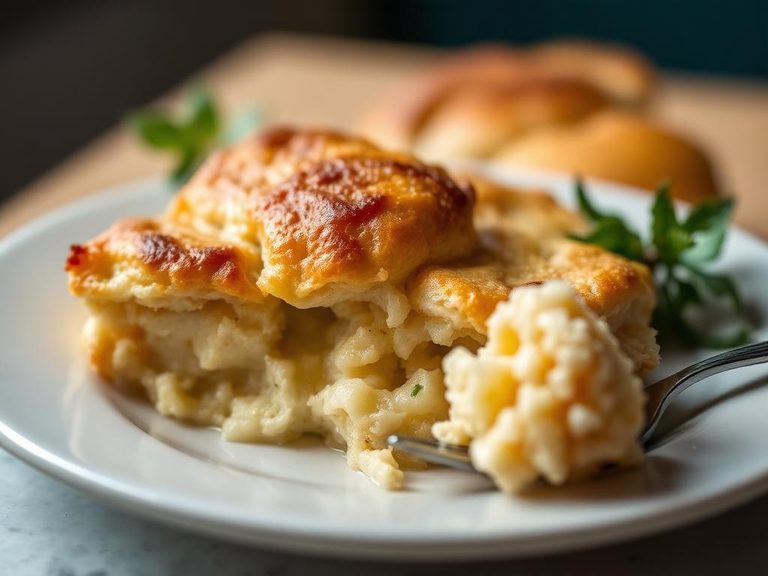
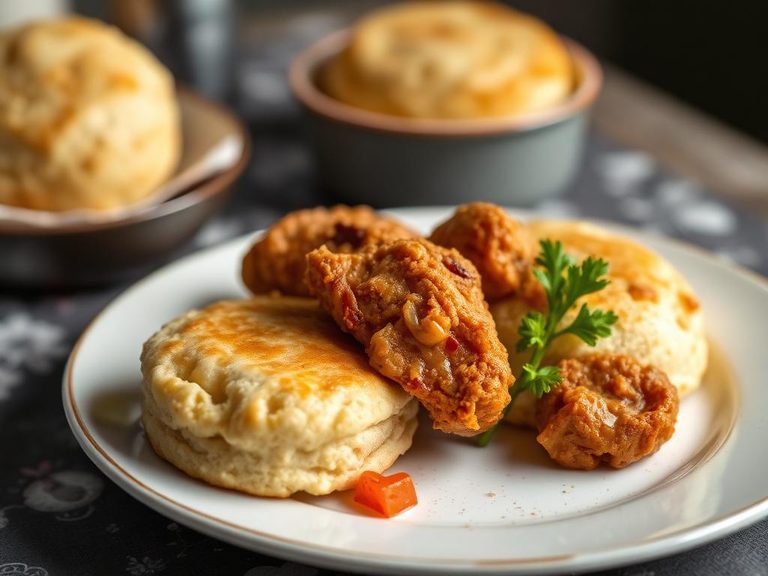
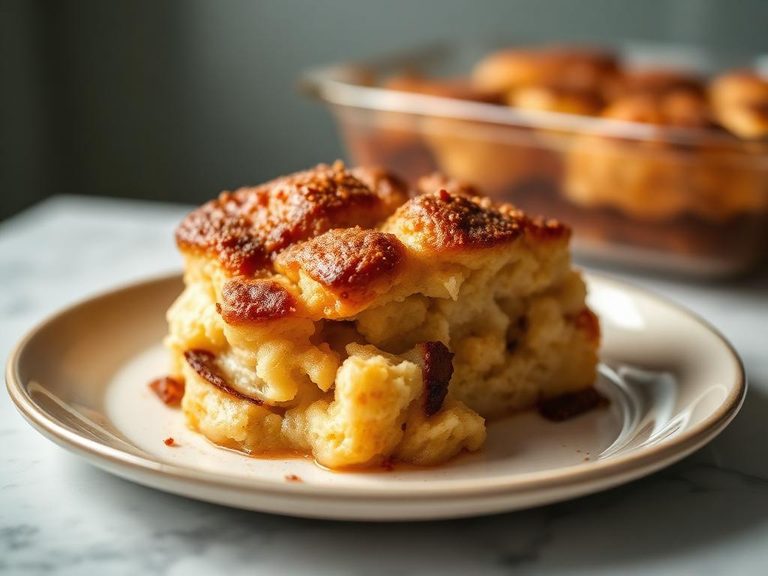
🍽️ Popular dishes

🌍 Where it's eaten
💡 Did you know?
The term 'biscuit' in this context refers to a soft, leavened quick bread, a meaning almost exclusive to North America; in most of the world, 'biscuit' means a hard, dry cookie.
Full nutrition (USDA data · scales with serving)
| Water | 9.2 g |
| Energy | 428 kcal |
| Energy | 1792 kj |
| Protein | 8.0 g |
| Total lipid (fat) | 15.4 g |
| Ash | 4.0 g |
| Carbohydrate, by difference | 63.4 g |
| Fiber, total dietary | 2.1 g |
| Total Sugars | 11.7 g |
| Calcium, Ca | 179 mg |
| Iron, Fe | 2.8 mg |
| Magnesium, Mg | 25.0 mg |
| Phosphorus, P | 585 mg |
| Potassium, K | 163 mg |
| Sodium, Na | 1276 mg |
| Zinc, Zn | 0.60 mg |
| Copper, Cu | 0.15 mg |
| Manganese, Mn | 0.34 mg |
| Selenium, Se | 7.5 ug |
| Vitamin C, total ascorbic acid | 0.30 mg |
| Thiamin | 0.57 mg |
| Riboflavin | 0.44 mg |
| Niacin | 4.5 mg |
| Pantothenic acid | 0.88 mg |
| Vitamin B-6 | 0.08 mg |
| Folate, total | 125 ug |
| Folic acid | 91.0 ug |
| Folate, food | 34.0 ug |
| Folate, DFE | 189 ug |
| Choline, total | 11.0 mg |
| Vitamin B-12 | 0.39 ug |
| Vitamin B-12, added | 0.00 ug |
| Vitamin A, RAE | 2.0 ug |
| Retinol | 2.0 ug |
| Carotene, beta | 0.00 ug |
| Carotene, alpha | 0.00 ug |
| Cryptoxanthin, beta | 0.00 ug |
| Vitamin A, IU | 4.0 iu |
| Lycopene | 0.00 ug |
| Lutein + zeaxanthin | 2.0 ug |
| Vitamin E (alpha-tocopherol) | 0.13 mg |
| Vitamin E, added | 0.00 mg |
| Vitamin D (D2 + D3), International Units | 0.00 iu |
| Vitamin D (D2 + D3) | 0.00 ug |
| Vitamin K (phylloquinone) | 6.5 ug |
| Alcohol, ethyl | 0.00 g |
| Caffeine | 0.00 mg |
| Theobromine | 0.00 mg |
Fat & fatty acid profile (per 100g)
| Fatty acids, total saturated | 4.0 g |
| SFA 4:0 | 0.01 g |
| SFA 6:0 | 0.00 g |
| SFA 8:0 | 0.00 g |
| SFA 10:0 | 0.00 g |
| SFA 12:0 | 0.00 g |
| SFA 14:0 | 0.10 g |
| SFA 16:0 | 2.0 g |
| SFA 18:0 | 1.8 g |
| Fatty acids, total monounsaturated | 8.6 g |
| MUFA 16:1 | 0.01 g |
| MUFA 18:1 | 8.6 g |
| MUFA 20:1 | 0.00 g |
| MUFA 22:1 | 0.00 g |
| Fatty acids, total polyunsaturated | 2.0 g |
| PUFA 18:2 | 1.9 g |
| PUFA 18:3 | 0.10 g |
| PUFA 18:4 | 0.00 g |
| PUFA 20:4 | 0.00 g |
| PUFA 20:5 n-3 (EPA) | 0.00 g |
| PUFA 22:5 n-3 (DPA) | 0.00 g |
| PUFA 22:6 n-3 (DHA) | 0.00 g |
| Cholesterol | 2.0 mg |
Amino acid profile (per 100g)
| Tryptophan | 0.10 g |
| Threonine | 0.23 g |
| Isoleucine | 0.29 g |
| Leucine | 0.56 g |
| Lysine | 0.21 g |
| Methionine | 0.14 g |
| Cystine | 0.16 g |
| Phenylalanine | 0.39 g |
| Tyrosine | 0.24 g |
| Valine | 0.33 g |
| Arginine | 0.32 g |
| Histidine | 0.18 g |
| Alanine | 0.26 g |
| Aspartic acid | 0.36 g |
| Glutamic acid | 2.6 g |
| Glycine | 0.28 g |
| Proline | 0.90 g |
| Serine | 0.39 g |
FAQ
What's the difference between baking powder and baking soda in biscuit mix?
Baking powder is a complete leavener (contains acid), while baking soda needs an acid (like buttermilk) to activate. Most plain mixes use baking powder for reliable rise.
Can I make this mix without dairy?
Yes. Substitute the liquid milk or buttermilk with a plant-based milk (like oat or soy) and use a vegan butter alternative or oil for the fat component.
Why are my biscuits from the mix tough?
Overmixing the dough develops gluten, leading to toughness. Mix just until the ingredients are combined, and handle the dough as little as possible.
Nutrient density (calculated · NRF9.3)
Nutrient Rich Foods index: beneficial nutrients (protein, fiber, vitamins, minerals) minus saturated fat, added sugar & sodium, per 100 kcal.
NRF9.3 index — Fulgoni, Keast & Drewnowski, 2009. Computed from USDA nutrients.
Weight-loss friendliness (composite index)
Energy density 4.28 kcal/g · 7% calories from protein · 2.1 g fiber · 11.7 g sugar per 100 g.
Composite of energy density (Rolls et al., 1999), protein & fiber satiety, minus sugar. A calculated heuristic — ranks satiety-per-calorie, not a clinical measure.
Dietary load (calculated from USDA values)
Potential renal acid load. Positive = acid-forming, negative = alkaline-forming.
Sodium-to-potassium ratio: 7.83 (lower is better — aim for ≤ 1)
Sodium:potassium per WHO potassium guidance. Computed from USDA nutrients.