

Beverages, fruit punch-flavor drink, powder, without added sodium, prepared with water
Whole food · Beverages

Photo: Wikipedia
This is a vibrant, sweet, and instantly recognizable powdered drink mix that, when combined with water, transforms into a bright, fruit-punch-flavored beverage. It offers a smooth, thin, and refreshing texture, delivering a burst of sugary, fruit-like flavor without any of the tartness or complexity of real fruit juice. Nutritionally, it's essentially a source of quick-energy carbohydrates, providing about 37 calories and over 9 grams of sugar per 100g of prepared drink, with negligible protein, fat, or fiber.
Calorie split: 0% protein · 100% carbs · 0% fat
↓ Full nutrition💚 Why it's loved
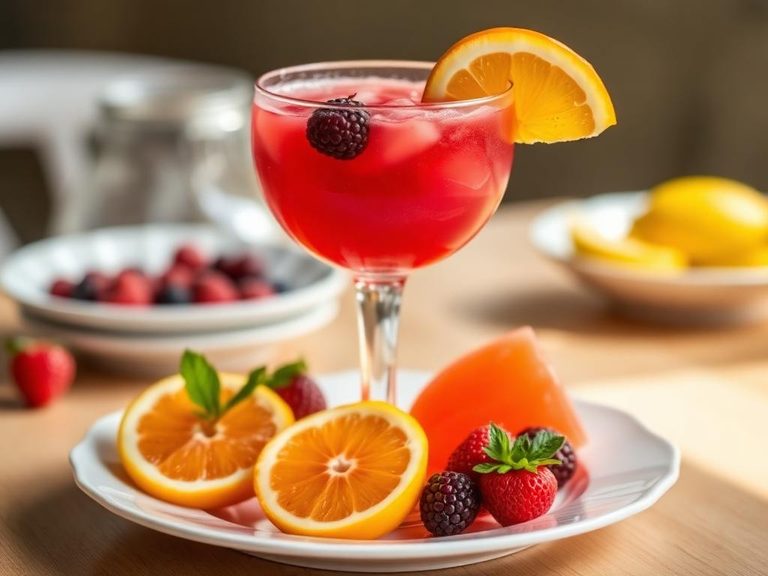
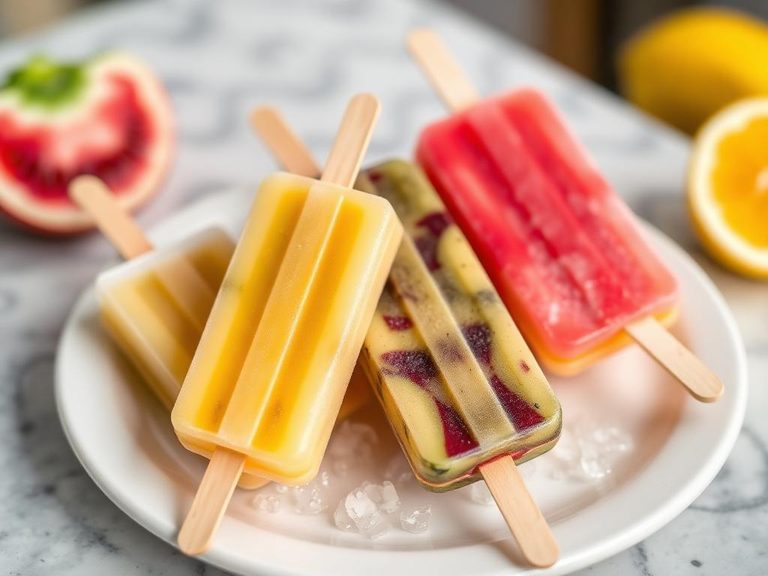
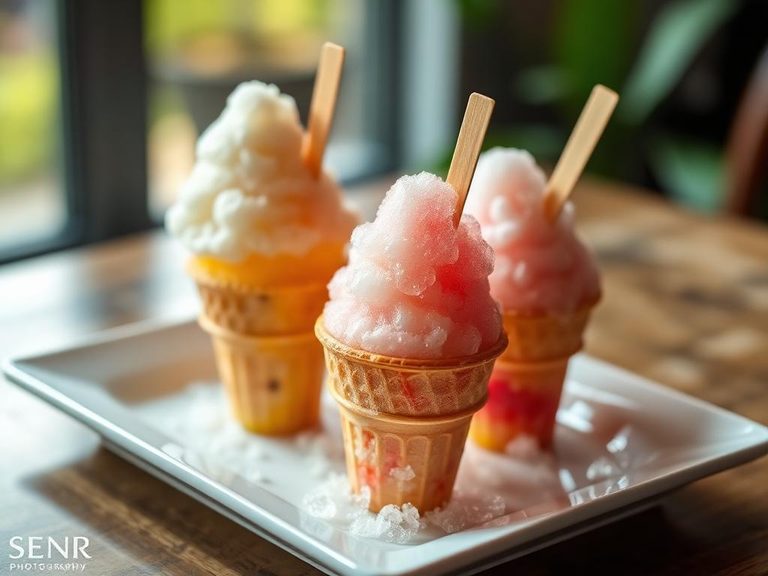
People love it for its bold, nostalgic, and unapologetically sweet flavor that instantly evokes memories of childhood parties and summer fun. Its versatility is key—it's a staple for quick hydration, a base for colorful punches, and a key ingredient in fun, frozen treats.
⚠️ Watch-outs & how to enjoy it better
The primary downside is its high sugar content and lack of nutritional density, which can contribute to blood-sugar spikes and offers no satiety. To counteract this, enjoy it in smaller portions, dilute it further with water, or pair it with a protein or fat source (like nuts or cheese) to slow sugar absorption. It is not suitable for those monitoring sugar intake for metabolic health.
Key benefits
- Provides quick, accessible energy from simple carbohydrates
- Extremely low in fat and contains no sodium
- Offers a consistent, predictable flavor and color
- Highly soluble and easy to prepare with just water
- Shelf-stable and convenient for long-term storage
🍽️ Popular dishes
🌍 Where it's eaten
💡 Did you know?
The iconic red color of many fruit punch powders historically came from a dye called Red 40, but the 'punch' flavor itself is often a proprietary blend designed to mimic a generic 'fruit' taste rather than any specific fruit.
Full nutrition (USDA data · scales with serving)
| Water | 90.3 g |
| Energy | 37.0 kcal |
| Energy | 155 kj |
| Protein | 0.00 g |
| Total lipid (fat) | 0.01 g |
| Ash | 0.17 g |
| Carbohydrate, by difference | 9.5 g |
| Fiber, total dietary | 0.00 g |
| Total Sugars | 9.2 g |
| Calcium, Ca | 17.0 mg |
| Iron, Fe | 0.05 mg |
| Magnesium, Mg | 1.0 mg |
| Phosphorus, P | 0.00 mg |
| Potassium, K | 1.0 mg |
| Sodium, Na | 7.0 mg |
| Zinc, Zn | 0.02 mg |
| Copper, Cu | 0.02 mg |
| Manganese, Mn | 0.00 mg |
| Selenium, Se | 0.10 ug |
| Fluoride, F | 64.3 ug |
| Vitamin C, total ascorbic acid | 11.8 mg |
| Thiamin | 0.00 mg |
| Riboflavin | 0.00 mg |
| Niacin | 0.00 mg |
| Pantothenic acid | 0.00 mg |
| Vitamin B-6 | 0.00 mg |
| Folate, total | 0.00 ug |
| Folic acid | 0.00 ug |
| Folate, food | 0.00 ug |
| Folate, DFE | 0.00 ug |
| Vitamin B-12 | 0.00 ug |
| Vitamin B-12, added | 0.00 ug |
| Vitamin A, RAE | 0.00 ug |
| Retinol | 0.00 ug |
| Carotene, beta | 0.00 ug |
| Carotene, alpha | 0.00 ug |
| Cryptoxanthin, beta | 0.00 ug |
| Vitamin A, IU | 0.00 iu |
| Lycopene | 0.00 ug |
| Lutein + zeaxanthin | 0.00 ug |
| Vitamin E (alpha-tocopherol) | 0.00 mg |
| Vitamin E, added | 0.00 mg |
| Vitamin K (phylloquinone) | 0.00 ug |
| Alcohol, ethyl | 0.00 g |
| Caffeine | 0.00 mg |
| Theobromine | 0.00 mg |
Fat & fatty acid profile (per 100g)
| Fatty acids, total saturated | 0.01 g |
| SFA 4:0 | 0.00 g |
| SFA 6:0 | 0.00 g |
| SFA 8:0 | 0.00 g |
| SFA 10:0 | 0.00 g |
| SFA 12:0 | 0.00 g |
| SFA 14:0 | 0.00 g |
| SFA 16:0 | 0.00 g |
| SFA 18:0 | 0.00 g |
| Fatty acids, total monounsaturated | 0.00 g |
| MUFA 16:1 | 0.00 g |
| MUFA 18:1 | 0.00 g |
| MUFA 20:1 | 0.00 g |
| MUFA 22:1 | 0.00 g |
| Fatty acids, total polyunsaturated | 0.00 g |
| PUFA 18:2 | 0.00 g |
| PUFA 18:3 | 0.00 g |
| PUFA 18:4 | 0.00 g |
| PUFA 20:4 | 0.00 g |
| PUFA 20:5 n-3 (EPA) | 0.00 g |
| PUFA 22:5 n-3 (DPA) | 0.00 g |
| PUFA 22:6 n-3 (DHA) | 0.00 g |
| Fatty acids, total trans | 0.00 g |
| Cholesterol | 0.00 mg |
Amino acid profile (per 100g)
Estimated from Beverages, carbonated, tonic water — USDA does not publish this profile for Beverages.
| Tryptophan | 0.00 g |
| Threonine | 0.00 g |
| Isoleucine | 0.00 g |
| Leucine | 0.00 g |
| Lysine | 0.00 g |
| Methionine | 0.00 g |
| Cystine | 0.00 g |
| Phenylalanine | 0.00 g |
| Tyrosine | 0.00 g |
| Valine | 0.00 g |
| Arginine | 0.00 g |
| Histidine | 0.00 g |
| Alanine | 0.00 g |
| Aspartic acid | 0.00 g |
| Glutamic acid | 0.00 g |
| Glycine | 0.00 g |
| Proline | 0.00 g |
| Serine | 0.00 g |
FAQ
Is this the same as fruit juice?
No. This is a flavored, sweetened beverage made from a powder, while fruit juice is the liquid extracted directly from fruit. This drink contains added sugars and flavorings but lacks the vitamins, minerals, and fiber found in 100% fruit juice.
Can I use it in baking?
Yes, it's often used to add flavor and color to frostings, cake glazes, and even some cookie recipes. It can also be frozen into popsicles or used as a sweet, flavorful liquid in some quick breads.
Why does it have zero protein and fat?
The powder is primarily composed of sugar, citric acid, artificial flavors, and colors. These ingredients are carbohydrates and do not contain significant amounts of protein or fat, making it a source of 'empty' calories.
Nutrient density (calculated · NRF9.3)
Nutrient Rich Foods index: beneficial nutrients (protein, fiber, vitamins, minerals) minus saturated fat, added sugar & sodium, per 100 kcal.
NRF9.3 index — Fulgoni, Keast & Drewnowski, 2009. Computed from USDA nutrients.
Weight-loss friendliness (composite index)
Energy density 0.37 kcal/g · 0% calories from protein · 0.0 g fiber · 9.2 g sugar per 100 g.
Composite of energy density (Rolls et al., 1999), protein & fiber satiety, minus sugar. A calculated heuristic — ranks satiety-per-calorie, not a clinical measure.
Dietary load (calculated from USDA values)
Potential renal acid load. Positive = acid-forming, negative = alkaline-forming.
Sodium-to-potassium ratio: 7.00 (lower is better — aim for ≤ 1)
Sodium:potassium per WHO potassium guidance. Computed from USDA nutrients.