

Beverages, Energy Drink with carbonated water and high fructose corn syrup
Whole food · Beverages

Photo: Wikipedia
A highly carbonated, sweetened beverage designed for a quick energy surge, delivering a sharp, effervescent bite with a syrupy, often fruity or citrusy sweetness. Nutritionally, it is essentially liquid sugar, providing 15g of carbohydrates (almost entirely sugar) per 100g with negligible protein or fat. The drink is engineered for immediate, albeit short-lived, stimulation.
Calorie split: 3% protein · 97% carbs · 0% fat
↓ Full nutrition💚 Why it's loved
People love the intense, immediate rush of energy and the bold, often artificially sweet flavor that cuts through fatigue. It's a staple in gaming culture, late-night study sessions, and as a quick pick-me-up, valued for its ability to provide a sharp, temporary boost in alertness.
⚠️ Watch-outs & how to enjoy it better
The high sugar content (13.75g per 100g) can lead to a rapid blood-sugar spike followed by a crash, potentially worsening fatigue. It offers no satiety and can contribute to empty calories, making it unsuitable for those managing blood sugar, weight, or seeking sustained nutrition. To mitigate, consider pairing it with a source of protein or healthy fat (like nuts) to slow sugar absorption, or opt for a zero-sugar version and practice strict portion control.
Key benefits
- Provides a rapid source of glucose for quick energy
- Contains caffeine for alertness and focus
- Highly portable and convenient for on-the-go consumption
- Often contains B-vitamins which support energy metabolism
- The carbonation can provide a refreshing, palate-cleansing sensation
🍽️ Popular dishes



🌍 Where it's eaten
💡 Did you know?
The original energy drink, Krating Daeng, was created in Thailand in 1966 as a non-carbonated drink for truck drivers and was the direct inspiration for Red Bull, which later carbonated it for the Western market.
Full nutrition (USDA data · scales with serving)
| Water | 84.5 g |
| Energy | 62.0 kcal |
| Energy | 258 kj |
| Protein | 0.42 g |
| Total lipid (fat) | 0.00 g |
| Ash | 0.06 g |
| Carbohydrate, by difference | 15.0 g |
| Fiber, total dietary | 0.00 g |
| Total Sugars | 13.8 g |
| Calcium, Ca | 0.00 mg |
| Iron, Fe | 0.00 mg |
| Magnesium, Mg | 0.00 mg |
| Phosphorus, P | 0.00 mg |
| Potassium, K | 10.0 mg |
| Sodium, Na | 48.0 mg |
| Zinc, Zn | 0.63 mg |
| Copper, Cu | 0.00 mg |
| Selenium, Se | 7.3 ug |
| Vitamin C, total ascorbic acid | 25.0 mg |
| Thiamin | 0.00 mg |
| Riboflavin | 0.00 mg |
| Niacin | 0.00 mg |
| Vitamin B-6 | 0.83 mg |
| Folate, total | 167 ug |
| Folic acid | 167 ug |
| Folate, food | 0.00 ug |
| Folate, DFE | 283 ug |
| Choline, total | 0.00 mg |
| Vitamin B-12 | 2.5 ug |
| Vitamin B-12, added | 2.5 ug |
| Vitamin A, RAE | 0.00 ug |
| Retinol | 0.00 ug |
| Carotene, beta | 0.00 ug |
| Carotene, alpha | 0.00 ug |
| Cryptoxanthin, beta | 0.00 ug |
| Vitamin A, IU | 0.00 iu |
| Lycopene | 0.00 ug |
| Lutein + zeaxanthin | 0.00 ug |
| Vitamin E (alpha-tocopherol) | 0.00 mg |
| Vitamin E, added | 0.00 mg |
| Vitamin D (D2 + D3), International Units | 0.00 iu |
| Vitamin D (D2 + D3) | 0.00 ug |
| Vitamin K (phylloquinone) | 0.00 ug |
| Alcohol, ethyl | 0.00 g |
| Caffeine | 38.0 mg |
| Theobromine | 0.00 mg |
Fat & fatty acid profile (per 100g)
| Fatty acids, total saturated | 0.00 g |
| SFA 4:0 | 0.00 g |
| SFA 6:0 | 0.00 g |
| SFA 8:0 | 0.00 g |
| SFA 10:0 | 0.00 g |
| SFA 12:0 | 0.00 g |
| SFA 14:0 | 0.00 g |
| SFA 16:0 | 0.00 g |
| SFA 18:0 | 0.00 g |
| Fatty acids, total monounsaturated | 0.00 g |
| MUFA 16:1 | 0.00 g |
| MUFA 18:1 | 0.00 g |
| MUFA 20:1 | 0.00 g |
| MUFA 22:1 | 0.00 g |
| Fatty acids, total polyunsaturated | 0.00 g |
| PUFA 18:2 | 0.00 g |
| PUFA 18:3 | 0.00 g |
| PUFA 18:4 | 0.00 g |
| PUFA 20:4 | 0.00 g |
| PUFA 20:5 n-3 (EPA) | 0.00 g |
| PUFA 22:5 n-3 (DPA) | 0.00 g |
| PUFA 22:6 n-3 (DHA) | 0.00 g |
| Fatty acids, total trans | 0.00 g |
| Cholesterol | 0.00 mg |
Amino acid profile (per 100g)
Estimated from Beverages, carbonated, tonic water — USDA does not publish this profile for Beverages.
| Tryptophan | 0.00 g |
| Threonine | 0.00 g |
| Isoleucine | 0.00 g |
| Leucine | 0.00 g |
| Lysine | 0.00 g |
| Methionine | 0.00 g |
| Cystine | 0.00 g |
| Phenylalanine | 0.00 g |
| Tyrosine | 0.00 g |
| Valine | 0.00 g |
| Arginine | 0.00 g |
| Histidine | 0.00 g |
| Alanine | 0.00 g |
| Aspartic acid | 0.00 g |
| Glutamic acid | 0.00 g |
| Glycine | 0.00 g |
| Proline | 0.00 g |
| Serine | 0.00 g |
FAQ
How does the sugar in energy drinks affect energy levels?
The high sugar content provides a rapid spike in blood glucose, offering a quick but short-lived energy boost. This is often followed by a 'crash' as insulin levels rise and blood sugar drops, potentially leading to increased fatigue and cravings.
Are there any benefits to the carbonation in energy drinks?
The carbonation primarily enhances the drink's refreshing quality and mouthfeel. Some find the fizz aids in alertness, but the main functional ingredients are caffeine and sugar, not the bubbles themselves.
Can I use energy drinks in cooking or baking?
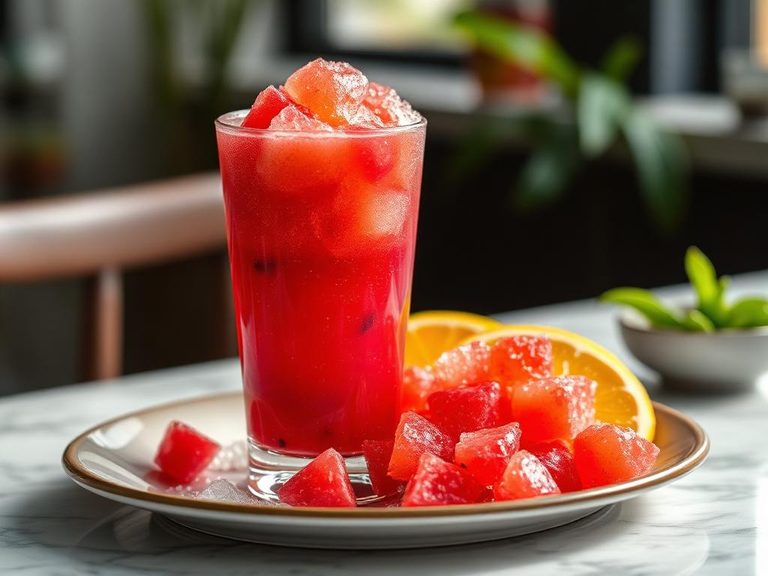
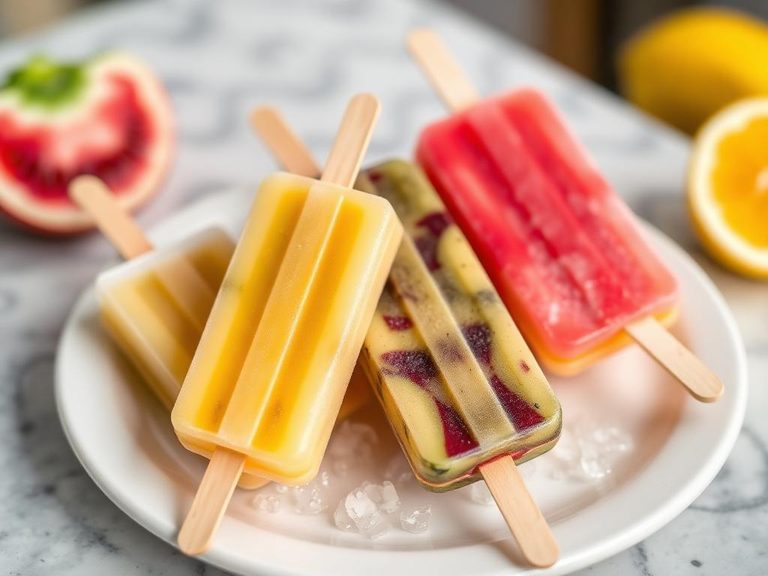
Yes, they are sometimes used as a liquid component in marinades (for a sweet, tangy glaze), in baking (like in cakes or brownies for moisture and flavor), or to create slushies and popsicles. The carbonation and sugar act as flavor enhancers and tenderizers in some recipes.
Nutrient density (calculated · NRF9.3)
Nutrient Rich Foods index: beneficial nutrients (protein, fiber, vitamins, minerals) minus saturated fat, added sugar & sodium, per 100 kcal.
NRF9.3 index — Fulgoni, Keast & Drewnowski, 2009. Computed from USDA nutrients.
Weight-loss friendliness (composite index)
Energy density 0.62 kcal/g · 3% calories from protein · 0.0 g fiber · 13.8 g sugar per 100 g.
Composite of energy density (Rolls et al., 1999), protein & fiber satiety, minus sugar. A calculated heuristic — ranks satiety-per-calorie, not a clinical measure.
Dietary load (calculated from USDA values)
Potential renal acid load. Positive = acid-forming, negative = alkaline-forming.
Sodium-to-potassium ratio: 4.80 (lower is better — aim for ≤ 1)
Sodium:potassium per WHO potassium guidance. Computed from USDA nutrients.