

Beverages, carbonated, root beer
Whole food · Beverages

Photo: Wikipedia
Root beer is a sweet, non-alcoholic carbonated beverage with a complex, aromatic flavor profile featuring wintergreen, vanilla, sassafras, and anise. It is typically dark brown, effervescent, and has a smooth, creamy mouthfeel. Nutritionally, it is a source of simple carbohydrates, providing about 10.6g of sugar per 100ml with no protein, fat, or fiber.
Calorie split: 0% protein · 100% carbs · 0% fat
↓ Full nutrition💚 Why it's loved
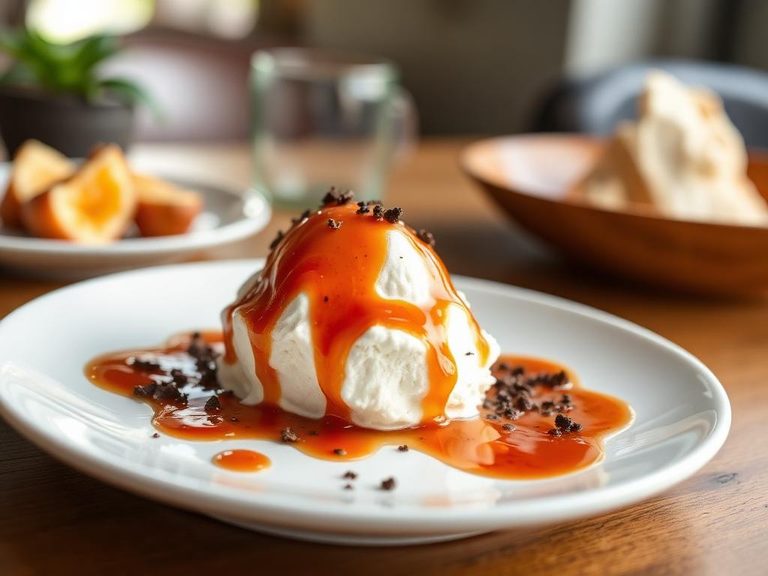
People love root beer for its unique, nostalgic flavor that evokes memories of old-fashioned soda fountains and summer treats. Its creamy, sweet profile makes it a popular dessert beverage and a versatile ingredient in floats and baked goods.
⚠️ Watch-outs & how to enjoy it better
The high sugar content can contribute to blood-sugar spikes and is a concern for those managing diabetes or calorie intake. To mitigate this, consider pairing it with a source of protein or fat (like ice cream in a float) to slow sugar absorption, or opt for smaller, occasional portions. Some brands may contain sodium, so checking labels is advised for those monitoring intake.
Key benefits
- Provides a quick source of energy from carbohydrates
- Caffeine-free, making it suitable for all times of day
- Contains no fat or cholesterol
- Offers a comforting, nostalgic flavor experience
- Can be used as a flavoring in desserts and marinades
🍽️ Popular dishes
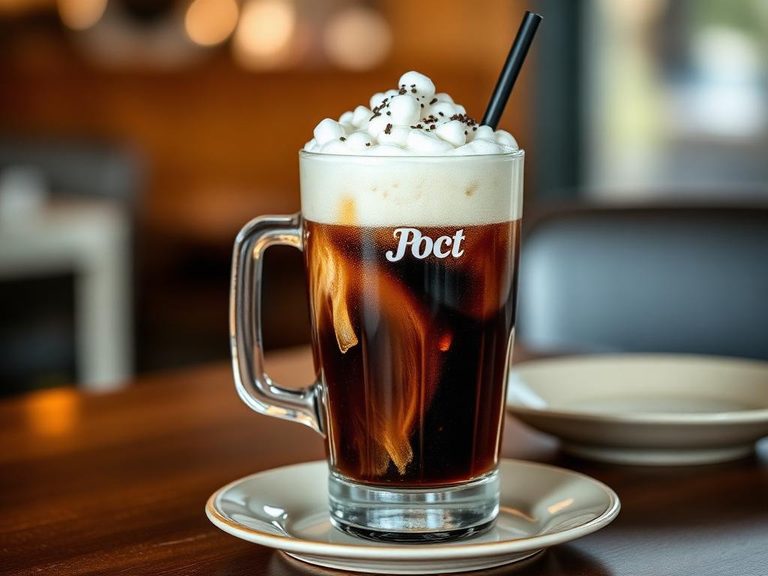
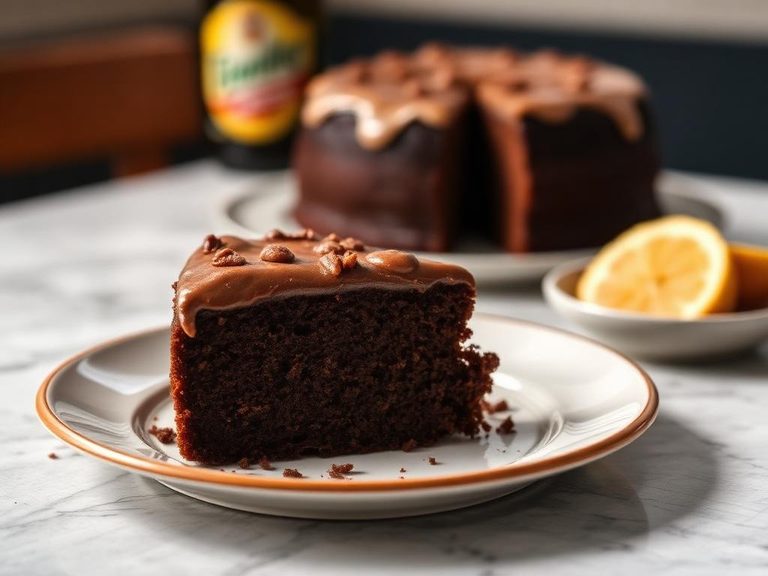
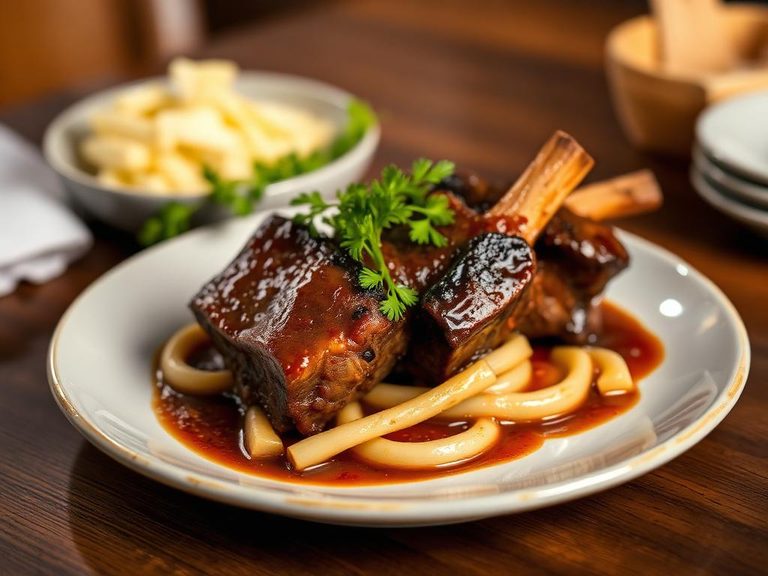
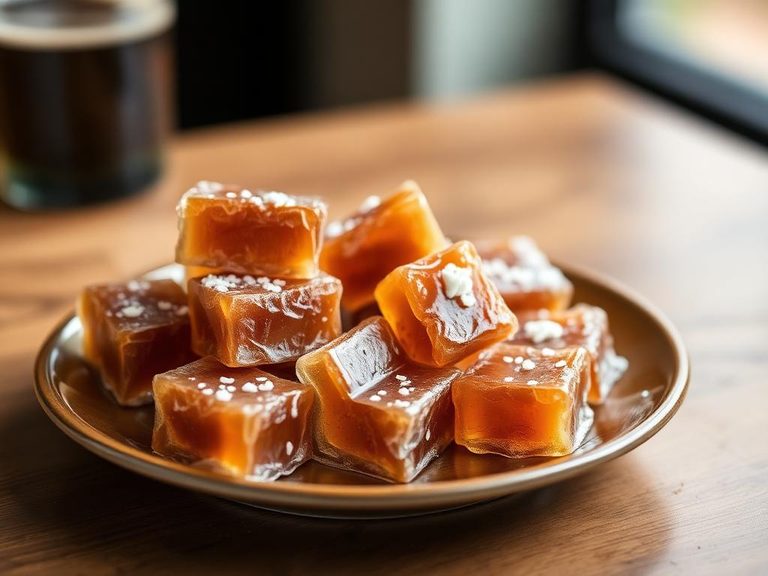
🌍 Where it's eaten
💡 Did you know?
Traditional root beer was originally a low-alcohol 'small beer' brewed from the root bark of the sassafras tree or the vine of Smilax ornata (sarsaparilla), often consumed for its perceived medicinal properties in the 1800s.
Full nutrition (USDA data · scales with serving)
| Water | 89.3 g |
| Energy | 41.0 kcal |
| Energy | 172 kj |
| Protein | 0.00 g |
| Total lipid (fat) | 0.00 g |
| Ash | 0.10 g |
| Carbohydrate, by difference | 10.6 g |
| Fiber, total dietary | 0.00 g |
| Total Sugars | 10.6 g |
| Calcium, Ca | 5.0 mg |
| Iron, Fe | 0.05 mg |
| Magnesium, Mg | 1.0 mg |
| Phosphorus, P | 0.00 mg |
| Potassium, K | 1.0 mg |
| Sodium, Na | 13.0 mg |
| Zinc, Zn | 0.07 mg |
| Copper, Cu | 0.01 mg |
| Manganese, Mn | 0.01 mg |
| Selenium, Se | 0.10 ug |
| Fluoride, F | 71.0 ug |
| Vitamin C, total ascorbic acid | 0.00 mg |
| Thiamin | 0.00 mg |
| Riboflavin | 0.00 mg |
| Niacin | 0.00 mg |
| Pantothenic acid | 0.00 mg |
| Vitamin B-6 | 0.00 mg |
| Folate, total | 0.00 ug |
| Folic acid | 0.00 ug |
| Folate, food | 0.00 ug |
| Folate, DFE | 0.00 ug |
| Choline, total | 0.30 mg |
| Vitamin B-12 | 0.00 ug |
| Vitamin B-12, added | 0.00 ug |
| Vitamin A, RAE | 0.00 ug |
| Retinol | 0.00 ug |
| Carotene, beta | 0.00 ug |
| Carotene, alpha | 0.00 ug |
| Cryptoxanthin, beta | 0.00 ug |
| Vitamin A, IU | 0.00 iu |
| Lycopene | 0.00 ug |
| Lutein + zeaxanthin | 0.00 ug |
| Vitamin E (alpha-tocopherol) | 0.00 mg |
| Vitamin E, added | 0.00 mg |
| Vitamin D (D2 + D3), International Units | 0.00 iu |
| Vitamin D (D2 + D3) | 0.00 ug |
| Vitamin K (phylloquinone) | 0.00 ug |
| Alcohol, ethyl | 0.00 g |
| Caffeine | 0.00 mg |
| Theobromine | 0.00 mg |
Fat & fatty acid profile (per 100g)
| Fatty acids, total saturated | 0.00 g |
| SFA 4:0 | 0.00 g |
| SFA 6:0 | 0.00 g |
| SFA 8:0 | 0.00 g |
| SFA 10:0 | 0.00 g |
| SFA 12:0 | 0.00 g |
| SFA 14:0 | 0.00 g |
| SFA 16:0 | 0.00 g |
| SFA 18:0 | 0.00 g |
| Fatty acids, total monounsaturated | 0.00 g |
| MUFA 16:1 | 0.00 g |
| MUFA 18:1 | 0.00 g |
| MUFA 20:1 | 0.00 g |
| MUFA 22:1 | 0.00 g |
| Fatty acids, total polyunsaturated | 0.00 g |
| PUFA 18:2 | 0.00 g |
| PUFA 18:3 | 0.00 g |
| PUFA 18:4 | 0.00 g |
| PUFA 20:4 | 0.00 g |
| PUFA 20:5 n-3 (EPA) | 0.00 g |
| PUFA 22:5 n-3 (DPA) | 0.00 g |
| PUFA 22:6 n-3 (DHA) | 0.00 g |
| Fatty acids, total trans | 0.00 g |
| Cholesterol | 0.00 mg |
Amino acid profile (per 100g)
Estimated from Beverages, carbonated, tonic water — USDA does not publish this profile for Beverages.
| Tryptophan | 0.00 g |
| Threonine | 0.00 g |
| Isoleucine | 0.00 g |
| Leucine | 0.00 g |
| Lysine | 0.00 g |
| Methionine | 0.00 g |
| Cystine | 0.00 g |
| Phenylalanine | 0.00 g |
| Tyrosine | 0.00 g |
| Valine | 0.00 g |
| Arginine | 0.00 g |
| Histidine | 0.00 g |
| Alanine | 0.00 g |
| Aspartic acid | 0.00 g |
| Glutamic acid | 0.00 g |
| Glycine | 0.00 g |
| Proline | 0.00 g |
| Serine | 0.00 g |
FAQ
Is root beer the same as sarsaparilla?
Not exactly. Traditional root beer and sarsaparilla were both brewed from plant roots, but sarsaparilla specifically used the Smilax ornata vine. Modern commercial root beer is typically a flavored soft drink, often using artificial or natural flavorings that mimic the original botanical profile.
Does root beer contain caffeine?
Most standard root beers are caffeine-free. However, it's always best to check the label, as some specialty or craft versions might include it.
Why is root beer foamy when poured?
The foam, or 'head,' is created by carbon dioxide gas dissolved in the liquid. When poured, the gas forms bubbles. The specific ingredients and syrup density in root beer can contribute to a particularly creamy, long-lasting foam.
Nutrient density (calculated · NRF9.3)
Nutrient Rich Foods index: beneficial nutrients (protein, fiber, vitamins, minerals) minus saturated fat, added sugar & sodium, per 100 kcal.
NRF9.3 index — Fulgoni, Keast & Drewnowski, 2009. Computed from USDA nutrients.
Weight-loss friendliness (composite index)
Energy density 0.41 kcal/g · 0% calories from protein · 0.0 g fiber · 10.6 g sugar per 100 g.
Composite of energy density (Rolls et al., 1999), protein & fiber satiety, minus sugar. A calculated heuristic — ranks satiety-per-calorie, not a clinical measure.
Dietary load (calculated from USDA values)
Potential renal acid load. Positive = acid-forming, negative = alkaline-forming.
Sodium-to-potassium ratio: 13.00 (lower is better — aim for ≤ 1)
Sodium:potassium per WHO potassium guidance. Computed from USDA nutrients.