

Beans, from dried, NS as to type, no added fat
Common food

Photo: Wikipedia
Dried beans, rehydrated and cooked, are the humble, hearty backbone of countless global cuisines. They offer a satisfyingly creamy yet slightly firm texture and a mild, earthy flavor that readily absorbs surrounding seasonings. Nutritionally, they are a powerhouse of plant-based protein and complex carbohydrates, with an impressive fiber content that promotes satiety.
Calorie split: 25% protein · 71% carbs · 4% fat
↓ Full nutrition💚 Why it's loved
People love beans for their incredible versatility—they are a blank canvas that can be creamy in a soup, firm in a salad, or mashed into a dip. They are also a cornerstone of comfort food traditions worldwide, from Latin American frijoles to Mediterranean stews.
⚠️ Watch-outs & how to enjoy it better
For some, beans can cause digestive gas due to their oligosaccharide content. To counteract this, start with smaller portions, rinse canned beans thoroughly, or soak and cook dried beans from scratch. Their carbohydrate content may also require portion awareness for those managing blood sugar; pairing with non-starchy vegetables and a source of fat or protein can help moderate glycemic response.
Key benefits
- Excellent source of plant-based protein for muscle maintenance.
- High in dietary fiber to support digestive health and satiity.
- Low in fat and naturally cholesterol-free.
- Rich in complex carbohydrates for sustained energy release.
- Good source of essential minerals like iron, potassium, and folate.
🍽️ Popular dishes
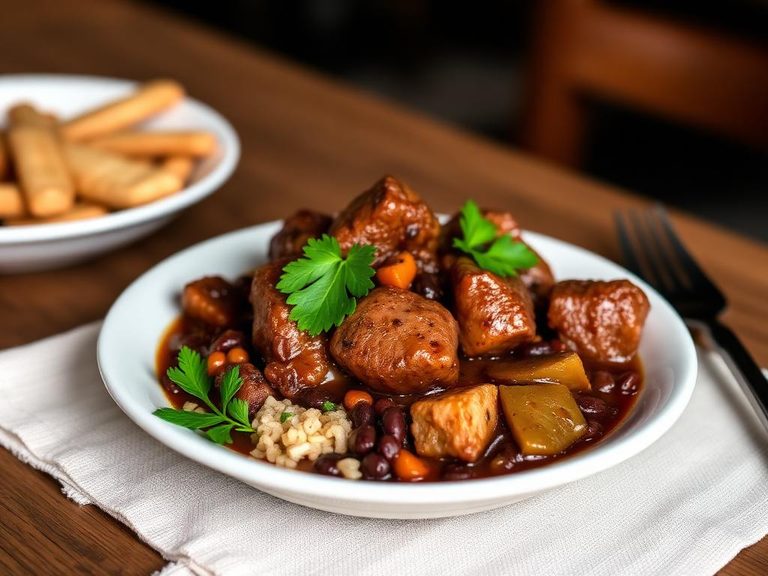
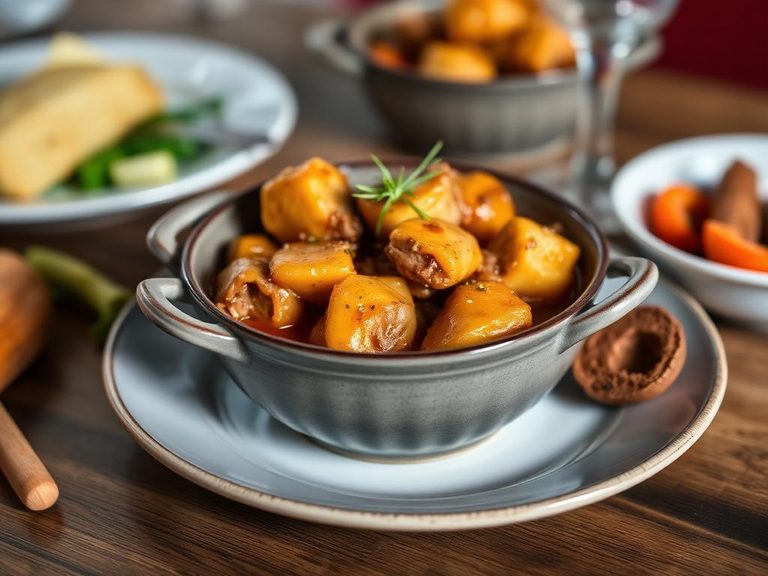
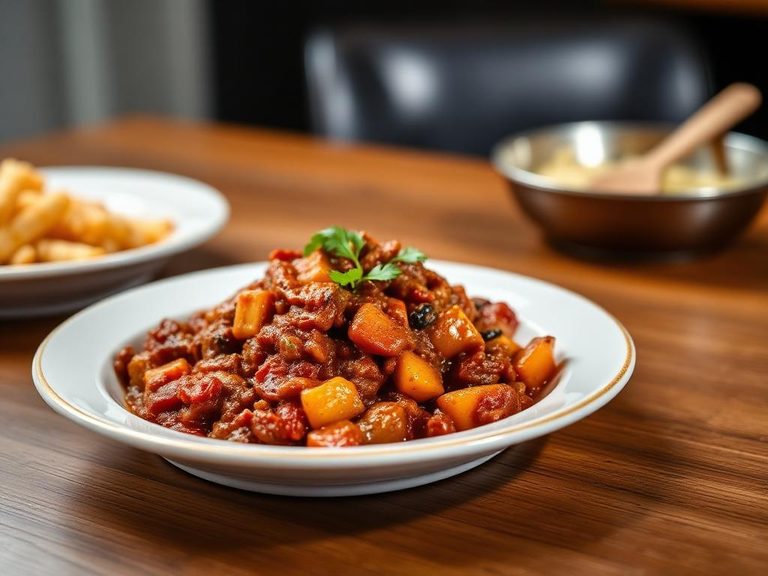
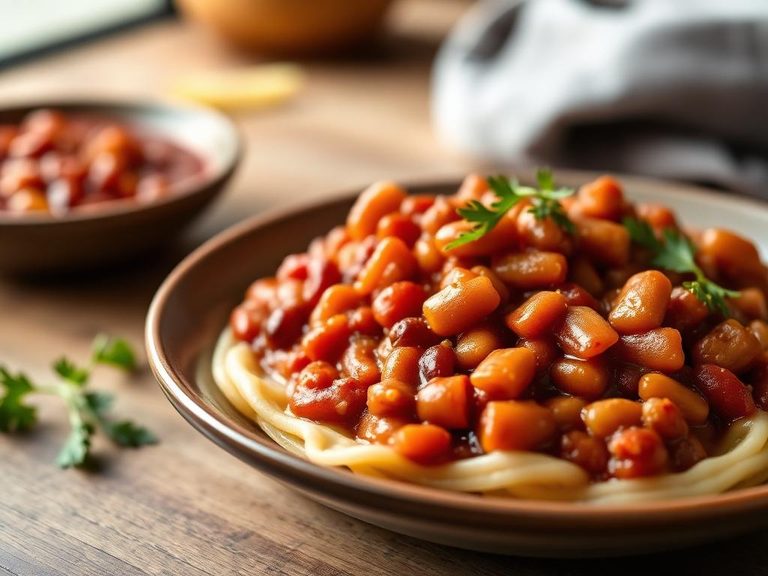
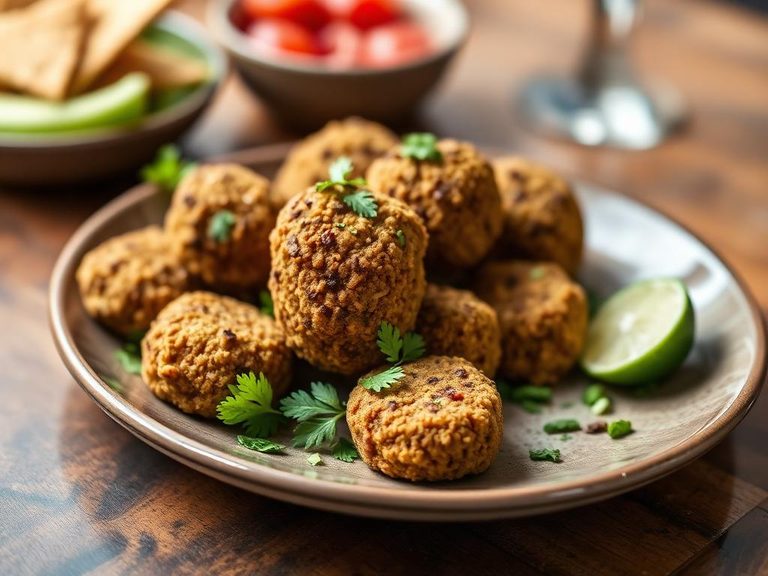
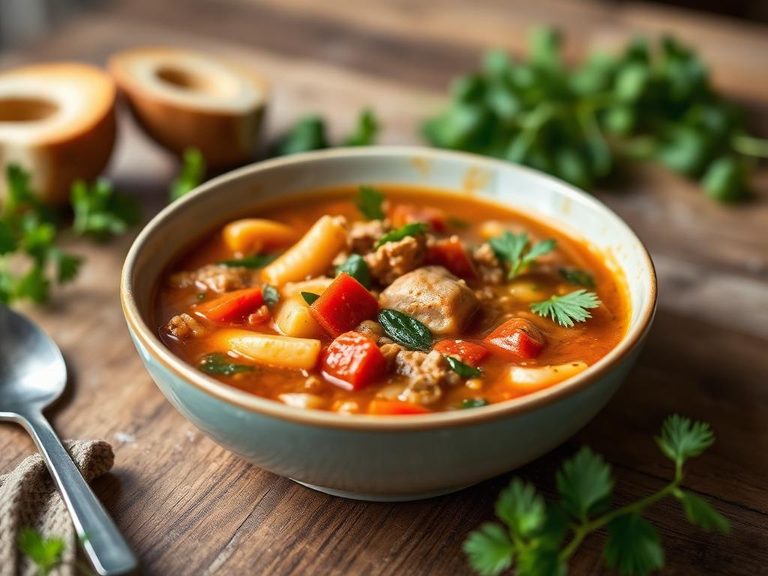
🌍 Where it's eaten
💡 Did you know?
The phrase 'spill the beans' is thought to originate from ancient Greece, where beans were used as secret votes in a jar—spilling them would prematurely reveal the outcome.
Full nutrition (USDA data · scales with serving)
| Water | 63.3 g |
| Energy | 139 kcal |
| Protein | 8.9 g |
| Total lipid (fat) | 0.62 g |
| Carbohydrate, by difference | 25.4 g |
| Fiber, total dietary | 8.9 g |
| Total Sugars | 0.33 g |
| Calcium, Ca | 41.0 mg |
| Iron, Fe | 2.1 mg |
| Magnesium, Mg | 55.0 mg |
| Phosphorus, P | 144 mg |
| Potassium, K | 413 mg |
| Sodium, Na | 232 mg |
| Zinc, Zn | 1.0 mg |
| Copper, Cu | 0.21 mg |
| Selenium, Se | 4.9 ug |
| Vitamin C, total ascorbic acid | 0.60 mg |
| Thiamin | 0.19 mg |
| Riboflavin | 0.06 mg |
| Niacin | 0.34 mg |
| Vitamin B-6 | 0.18 mg |
| Folate, total | 157 ug |
| Folic acid | 0.00 ug |
| Folate, food | 157 ug |
| Folate, DFE | 157 ug |
| Choline, total | 34.4 mg |
| Vitamin B-12 | 0.00 ug |
| Vitamin B-12, added | 0.00 ug |
| Vitamin A, RAE | 0.00 ug |
| Retinol | 0.00 ug |
| Carotene, beta | 0.00 ug |
| Carotene, alpha | 0.00 ug |
| Cryptoxanthin, beta | 0.00 ug |
| Lycopene | 0.00 ug |
| Lutein + zeaxanthin | 0.00 ug |
| Vitamin E (alpha-tocopherol) | 0.92 mg |
| Vitamin E, added | 0.00 mg |
| Vitamin D (D2 + D3) | 0.00 ug |
| Vitamin K (phylloquinone) | 3.4 ug |
| Alcohol, ethyl | 0.00 g |
| Caffeine | 0.00 mg |
| Theobromine | 0.00 mg |
Fat & fatty acid profile (per 100g)
| Fatty acids, total saturated | 0.14 g |
| SFA 4:0 | 0.00 g |
| SFA 6:0 | 0.00 g |
| SFA 8:0 | 0.00 g |
| SFA 10:0 | 0.00 g |
| SFA 12:0 | 0.00 g |
| SFA 14:0 | 0.00 g |
| SFA 16:0 | 0.13 g |
| SFA 18:0 | 0.00 g |
| Fatty acids, total monounsaturated | 0.11 g |
| MUFA 16:1 | 0.00 g |
| MUFA 18:1 | 0.11 g |
| MUFA 20:1 | 0.00 g |
| MUFA 22:1 | 0.00 g |
| Fatty acids, total polyunsaturated | 0.23 g |
| PUFA 18:2 | 0.10 g |
| PUFA 18:3 | 0.13 g |
| PUFA 18:4 | 0.00 g |
| PUFA 20:4 | 0.00 g |
| PUFA 20:5 n-3 (EPA) | 0.00 g |
| PUFA 22:5 n-3 (DPA) | 0.00 g |
| PUFA 22:6 n-3 (DHA) | 0.00 g |
| Cholesterol | 0.00 mg |
Amino acid profile (per 100g)
Estimated from Restaurant, Mexican, refried beans — USDA does not publish this profile for Beans.
| Tryptophan | 0.07 g |
| Threonine | 0.27 g |
| Isoleucine | 0.27 g |
| Leucine | 0.54 g |
| Lysine | 0.53 g |
| Methionine | 0.08 g |
| Cystine | 0.06 g |
| Phenylalanine | 0.39 g |
| Tyrosine | 0.17 g |
| Valine | 0.29 g |
| Arginine | 0.41 g |
| Histidine | 0.20 g |
| Alanine | 0.27 g |
| Aspartic acid | 0.73 g |
| Glutamic acid | 0.97 g |
| Glycine | 0.28 g |
| Proline | 0.26 g |
| Serine | 0.39 g |
| Hydroxyproline | 0.00 g |
FAQ
Why are dried beans considered more nutritious than canned?
Dried beans allow you to control sodium content completely and may retain slightly more water-soluble vitamins, but both are excellent sources of fiber and protein. The primary nutritional difference is often the added salt in the canning liquid.
How can I reduce the cooking time for dried beans?
Soaking them overnight (or using a 'quick soak' method of boiling for 2 minutes and letting sit for an hour) significantly reduces cooking time. You can also use a pressure cooker or Instant Pot to cook beans from dried in a fraction of the time.
Are beans a complete protein?
Most beans are low in the essential amino acid methionine. However, when combined with grains like rice or corn (as in rice and beans or tortillas), they form a complete protein profile, providing all essential amino acids.
Nutrient density (calculated · NRF9.3)
Nutrient Rich Foods index: beneficial nutrients (protein, fiber, vitamins, minerals) minus saturated fat, added sugar & sodium, per 100 kcal.
NRF9.3 index — Fulgoni, Keast & Drewnowski, 2009. Computed from USDA nutrients.
Weight-loss friendliness (composite index)
Energy density 1.39 kcal/g · 26% calories from protein · 8.9 g fiber · 0.3 g sugar per 100 g.
Composite of energy density (Rolls et al., 1999), protein & fiber satiety, minus sugar. A calculated heuristic — ranks satiety-per-calorie, not a clinical measure.
Dietary load (calculated from USDA values)
Potential renal acid load. Positive = acid-forming, negative = alkaline-forming.
Sodium-to-potassium ratio: 0.56 (lower is better — aim for ≤ 1)
Sodium:potassium per WHO potassium guidance. Computed from USDA nutrients.