

Babyfood, fruit, applesauce and cherries, junior
Whole food · Baby Foods

Photo: Wikipedia
This is a smooth, vibrant junior-stage baby food blending the classic sweetness of applesauce with the tart, fruity punch of cherries. It has a velvety, slightly textured consistency perfect for little mouths exploring new flavors. Nutritionally, it's a simple, low-fat energy source primarily from natural fruit sugars and a touch of fiber.
Calorie split: 0% protein · 100% carbs · 0% fat
↓ Full nutrition💚 Why it's loved
Parents and babies love the familiar, comforting base of applesauce elevated by the fun, tangy surprise of cherries. It's a trusted, easy way to introduce a new fruit flavor without the hassle of preparation.
⚠️ Watch-outs & how to enjoy it better
The relatively high natural sugar content (10.61g per 100g) can contribute to blood sugar spikes if consumed in large, frequent portions. To counteract this, serve it as part of a balanced meal with a protein or fat source (like yogurt or oatmeal) and practice portion control.
Key benefits
- Provides quick, natural energy from fruit carbohydrates.
- Offers a gentle introduction to mixed fruit flavors.
- Contains dietary fiber from both apples and cherries.
- Naturally fat-free and protein-free, focusing on fruit nutrients.
- Convenient, ready-to-eat nutrition for infants.
🍽️ Popular dishes
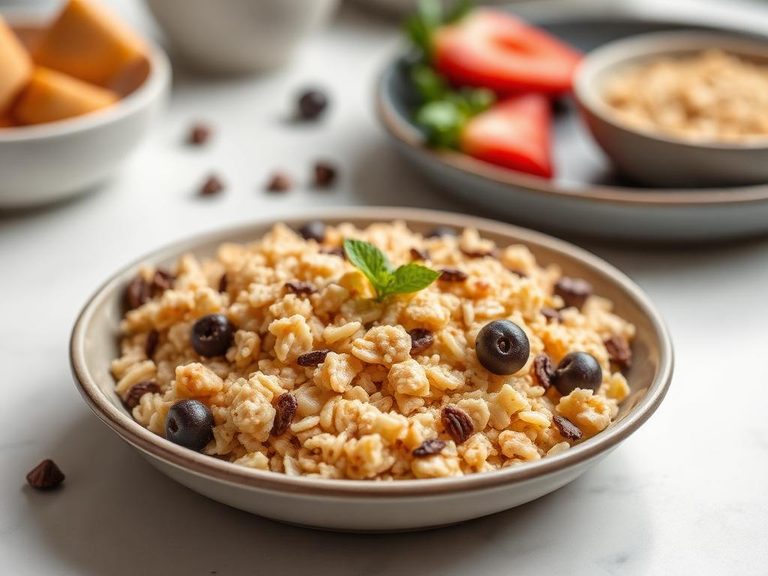
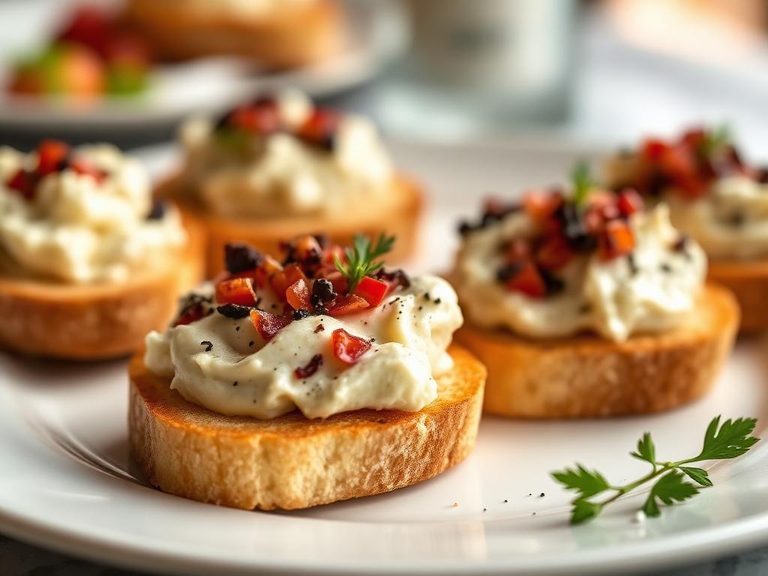
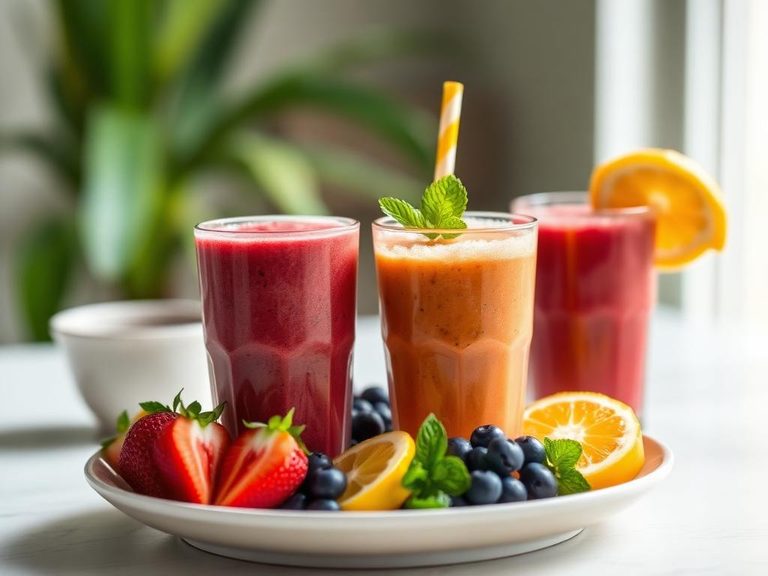
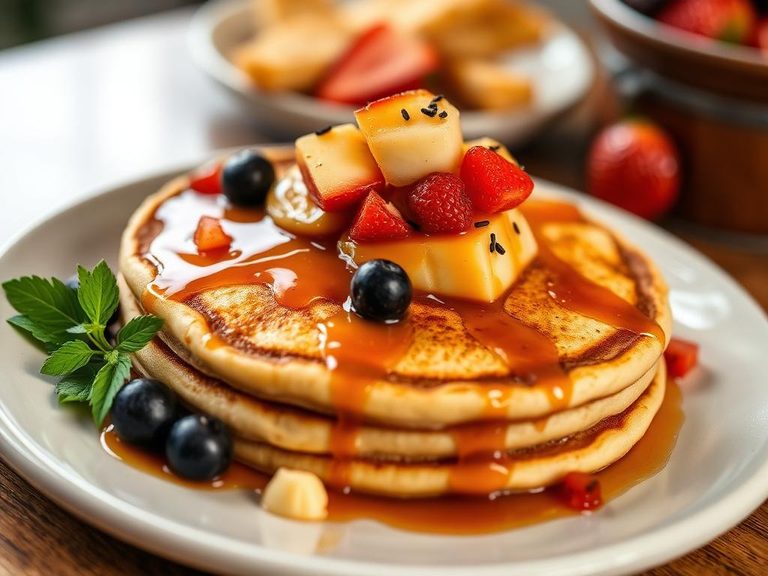
🌍 Where it's eaten
💡 Did you know?
Cherries were one of the first fruits to be commercially canned in the United States in the late 1800s, making their inclusion in shelf-stable baby food jars a natural historical progression.
Full nutrition (USDA data · scales with serving)
| Water | 85.6 g |
| Energy | 51.0 kcal |
| Energy | 212 kj |
| Protein | 0.00 g |
| Total lipid (fat) | 0.00 g |
| Ash | 0.30 g |
| Carbohydrate, by difference | 14.1 g |
| Fiber, total dietary | 1.1 g |
| Total Sugars | 10.6 g |
| Calcium, Ca | 1.0 mg |
| Iron, Fe | 0.30 mg |
| Magnesium, Mg | 4.0 mg |
| Phosphorus, P | 8.0 mg |
| Potassium, K | 132 mg |
| Sodium, Na | 1.0 mg |
| Zinc, Zn | 0.03 mg |
| Copper, Cu | 0.05 mg |
| Selenium, Se | 0.30 ug |
| Vitamin C, total ascorbic acid | 42.8 mg |
| Thiamin | 0.01 mg |
| Riboflavin | 0.03 mg |
| Niacin | 0.14 mg |
| Pantothenic acid | 0.13 mg |
| Vitamin B-6 | 0.04 mg |
| Folate, total | 0.00 ug |
| Folic acid | 0.00 ug |
| Folate, food | 0.00 ug |
| Folate, DFE | 0.00 ug |
| Choline, total | 4.6 mg |
| Vitamin B-12 | 0.00 ug |
| Vitamin B-12, added | 0.00 ug |
| Vitamin A, RAE | 2.0 ug |
| Retinol | 0.00 ug |
| Carotene, beta | 24.0 ug |
| Carotene, alpha | 0.00 ug |
| Cryptoxanthin, beta | 6.0 ug |
| Vitamin A, IU | 45.0 iu |
| Lycopene | 0.00 ug |
| Lutein + zeaxanthin | 47.0 ug |
| Vitamin E (alpha-tocopherol) | 0.06 mg |
| Vitamin E, added | 0.00 mg |
| Vitamin D (D2 + D3), International Units | 0.00 iu |
| Vitamin D (D2 + D3) | 0.00 ug |
| Vitamin K (phylloquinone) | 1.2 ug |
| Alcohol, ethyl | 0.00 g |
| Caffeine | 0.00 mg |
| Theobromine | 0.00 mg |
Fat & fatty acid profile (per 100g)
| Fatty acids, total saturated | 0.00 g |
| SFA 4:0 | 0.00 g |
| SFA 6:0 | 0.00 g |
| SFA 8:0 | 0.00 g |
| SFA 10:0 | 0.00 g |
| SFA 12:0 | 0.00 g |
| SFA 14:0 | 0.00 g |
| SFA 16:0 | 0.00 g |
| SFA 18:0 | 0.00 g |
| Fatty acids, total monounsaturated | 0.00 g |
| MUFA 16:1 | 0.00 g |
| MUFA 18:1 | 0.00 g |
| MUFA 20:1 | 0.00 g |
| MUFA 22:1 | 0.00 g |
| Fatty acids, total polyunsaturated | 0.00 g |
| PUFA 18:2 | 0.00 g |
| PUFA 18:3 | 0.00 g |
| PUFA 18:4 | 0.00 g |
| PUFA 20:4 | 0.00 g |
| PUFA 20:5 n-3 (EPA) | 0.00 g |
| PUFA 22:5 n-3 (DPA) | 0.00 g |
| PUFA 22:6 n-3 (DHA) | 0.00 g |
| Cholesterol | 0.00 mg |
Amino acid profile (per 100g)
Estimated from Babyfood, grape juice, no sugar, canned — USDA does not publish this profile for Babyfood.
| Threonine | 0.02 g |
| Isoleucine | 0.01 g |
| Leucine | 0.02 g |
| Lysine | 0.02 g |
| Methionine | 0.03 g |
| Cystine | 0.01 g |
| Phenylalanine | 0.02 g |
| Tyrosine | 0.02 g |
| Valine | 0.02 g |
| Arginine | 0.06 g |
| Histidine | 0.03 g |
| Alanine | 0.04 g |
| Aspartic acid | 0.10 g |
| Glutamic acid | 0.18 g |
| Glycine | 0.03 g |
| Proline | 0.03 g |
| Serine | 0.04 g |
FAQ
Is this a good first food for a baby?
It's generally recommended for babies around 6-8 months who are already accustomed to single-fruit purees like plain applesauce. The mixed flavor and slightly more complex texture are a good next step.
Why is there no protein or fat listed?
This product is made purely from fruit. For a complete meal, it should be paired with foods containing protein and healthy fats, such as yogurt, cheese, or fortified baby cereal.
Can I mix this with other baby foods?
Absolutely! It mixes well with plain yogurt, oatmeal, or other fruit or vegetable purees to create new flavor combinations and boost nutritional variety.
Nutrient density (calculated · NRF9.3)
Nutrient Rich Foods index: beneficial nutrients (protein, fiber, vitamins, minerals) minus saturated fat, added sugar & sodium, per 100 kcal.
NRF9.3 index — Fulgoni, Keast & Drewnowski, 2009. Computed from USDA nutrients.
Weight-loss friendliness (composite index)
Energy density 0.51 kcal/g · 0% calories from protein · 1.1 g fiber · 10.6 g sugar per 100 g.
Composite of energy density (Rolls et al., 1999), protein & fiber satiety, minus sugar. A calculated heuristic — ranks satiety-per-calorie, not a clinical measure.
Dietary load (calculated from USDA values)
Potential renal acid load. Positive = acid-forming, negative = alkaline-forming.
Sodium-to-potassium ratio: 0.01 (lower is better — aim for ≤ 1)
Sodium:potassium per WHO potassium guidance. Computed from USDA nutrients.