

Baby Toddler turkey
Common food

Photo: Wikipedia
This is finely ground, lean turkey meat, specifically prepared and portioned for babies and toddlers. It has a mild, savory flavor and a soft, easily mashable texture that's perfect for little mouths. Nutritionally, it's a powerhouse of high-quality protein with very little fat or carbohydrate.
Calorie split: 43% protein · 5% carbs · 52% fat
↓ Full nutrition💚 Why it's loved
Parents love it for its nutritional density and neutral taste, which can be easily blended with vegetables or grains. It's a reliable, allergen-friendly (for many) protein source that supports a baby's rapid growth phases.
⚠️ Watch-outs & how to enjoy it better
Ground turkey can be dry and bland if overcooked, potentially leading to mealtime rejection. To counteract this, always cook with a small amount of healthy fat like olive oil or mix in a little broth or mashed avocado to boost moisture and flavor.
Key benefits
- Excellent source of complete protein for growth
- Naturally low in fat and carbohydrates
- Mild flavor is often well-accepted by infants
- Soft texture is ideal for early chewing practice
- Versatile base for many baby-led weaning recipes
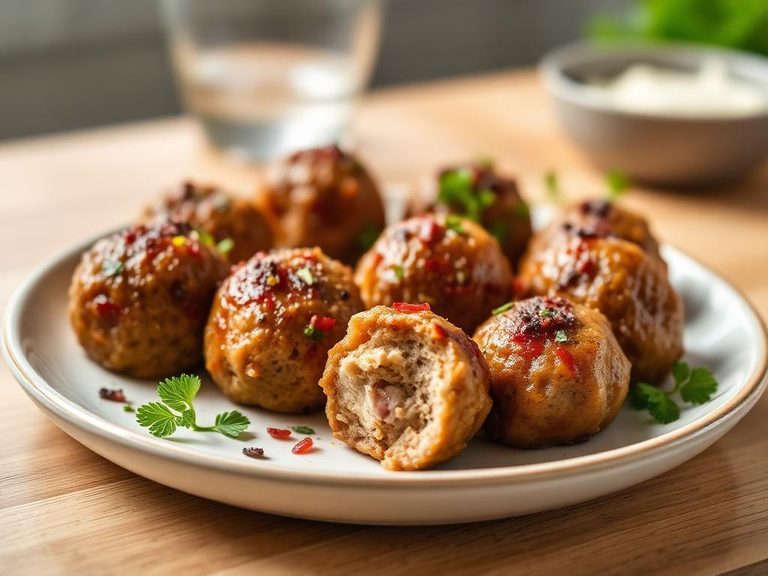
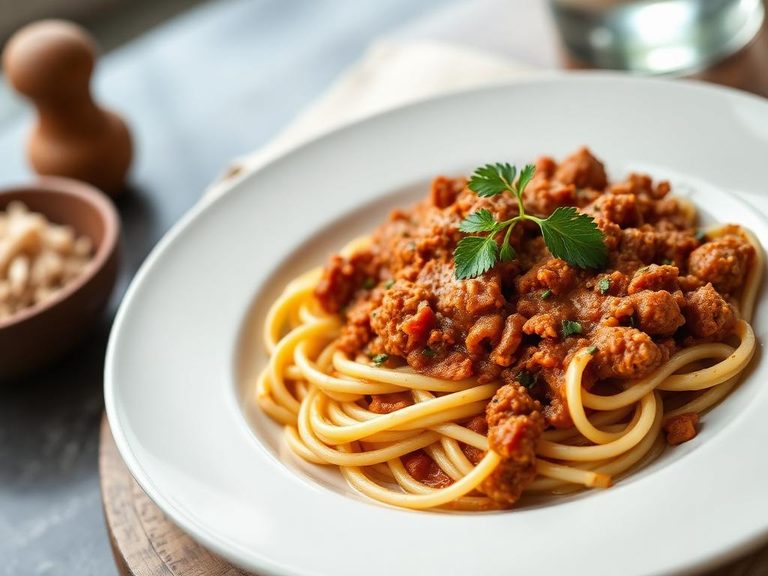
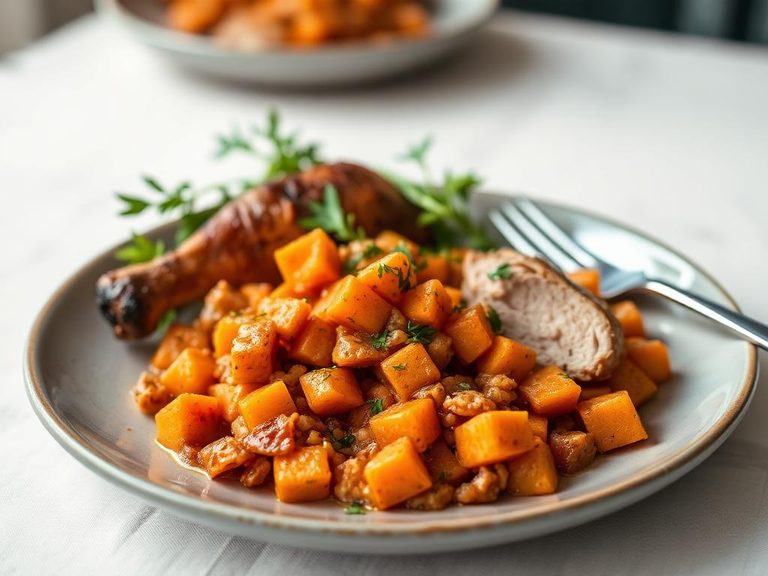
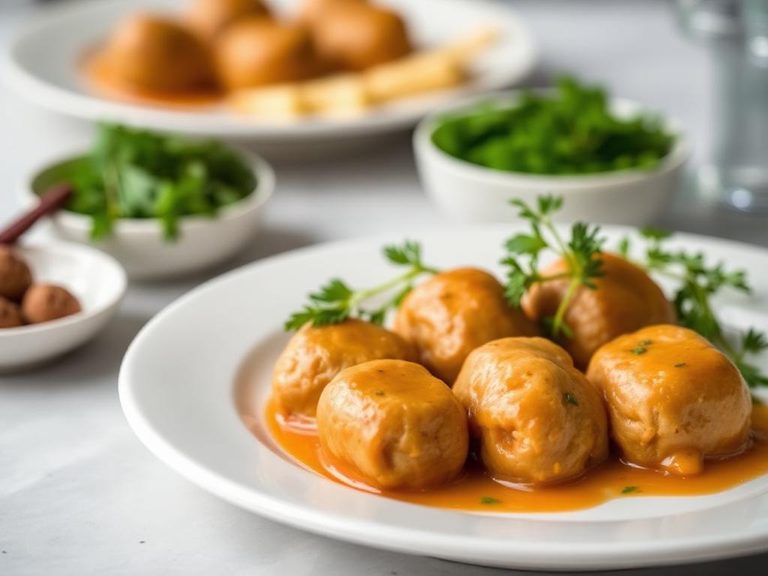
🍽️ Popular dishes
🌍 Where it's eaten
💡 Did you know?
The mild flavor of turkey makes it an ideal 'carrier' food for introducing new spices and herbs to babies, as it doesn't overpower other tastes.
Full nutrition (USDA data · scales with serving)
| Water | 80.3 g |
| Energy | 111 kcal |
| Protein | 11.5 g |
| Total lipid (fat) | 6.2 g |
| Carbohydrate, by difference | 1.4 g |
| Fiber, total dietary | 0.00 g |
| Total Sugars | 0.00 g |
| Calcium, Ca | 41.0 mg |
| Iron, Fe | 0.70 mg |
| Magnesium, Mg | 12.0 mg |
| Phosphorus, P | 117 mg |
| Potassium, K | 135 mg |
| Sodium, Na | 49.0 mg |
| Zinc, Zn | 1.8 mg |
| Copper, Cu | 0.15 mg |
| Selenium, Se | 12.0 ug |
| Vitamin C, total ascorbic acid | 2.2 mg |
| Thiamin | 0.01 mg |
| Riboflavin | 0.16 mg |
| Niacin | 2.6 mg |
| Vitamin B-6 | 0.03 mg |
| Folate, total | 8.0 ug |
| Folic acid | 0.00 ug |
| Folate, food | 8.0 ug |
| Folate, DFE | 8.0 ug |
| Choline, total | 39.8 mg |
| Vitamin B-12 | 1.1 ug |
| Vitamin B-12, added | 0.00 ug |
| Vitamin A, RAE | 0.00 ug |
| Retinol | 0.00 ug |
| Carotene, beta | 0.00 ug |
| Carotene, alpha | 0.00 ug |
| Cryptoxanthin, beta | 0.00 ug |
| Lycopene | 0.00 ug |
| Lutein + zeaxanthin | 0.00 ug |
| Vitamin E (alpha-tocopherol) | 0.08 mg |
| Vitamin E, added | 0.00 mg |
| Vitamin D (D2 + D3) | 0.80 ug |
| Vitamin K (phylloquinone) | 0.00 ug |
| Alcohol, ethyl | 0.00 g |
| Caffeine | 0.00 mg |
| Theobromine | 0.00 mg |
Fat & fatty acid profile (per 100g)
| Fatty acids, total saturated | 1.6 g |
| SFA 4:0 | 0.00 g |
| SFA 6:0 | 0.00 g |
| SFA 8:0 | 0.00 g |
| SFA 10:0 | 0.00 g |
| SFA 12:0 | 0.00 g |
| SFA 14:0 | 0.04 g |
| SFA 16:0 | 0.77 g |
| SFA 18:0 | 0.33 g |
| Fatty acids, total monounsaturated | 2.4 g |
| MUFA 16:1 | 0.14 g |
| MUFA 18:1 | 1.5 g |
| MUFA 20:1 | 0.01 g |
| MUFA 22:1 | 0.00 g |
| Fatty acids, total polyunsaturated | 1.7 g |
| PUFA 18:2 | 1.0 g |
| PUFA 18:3 | 0.06 g |
| PUFA 18:4 | 0.02 g |
| PUFA 20:4 | 0.05 g |
| PUFA 20:5 n-3 (EPA) | 0.00 g |
| PUFA 22:5 n-3 (DPA) | 0.04 g |
| PUFA 22:6 n-3 (DHA) | 0.00 g |
| Cholesterol | 58.0 mg |
Amino acid profile (per 100g)
Estimated from Babyfood, dinner, chicken stew, toddler — USDA does not publish this profile for Baby Toddler turkey.
| Tryptophan | 0.06 g |
| Threonine | 0.22 g |
| Isoleucine | 0.26 g |
| Leucine | 0.41 g |
| Lysine | 0.41 g |
| Methionine | 0.11 g |
| Cystine | 0.05 g |
| Phenylalanine | 0.21 g |
| Tyrosine | 0.17 g |
| Valine | 0.29 g |
| Arginine | 0.33 g |
| Histidine | 0.13 g |
| Alanine | 0.30 g |
| Aspartic acid | 0.47 g |
| Glutamic acid | 0.90 g |
| Glycine | 0.29 g |
| Proline | 0.35 g |
| Serine | 0.21 g |
FAQ
At what age can I introduce ground turkey to my baby?
Most pediatricians recommend introducing single-ingredient meats like turkey around 6 months of age, once the baby has started solids and shown readiness. Always consult your pediatrician first.
How do I cook it to keep it moist for a baby?
Avoid high-heat frying. Gently simmer or steam the ground turkey with a little water, broth, or a touch of olive oil until fully cooked through. You can also mix it into moist foods like mashed sweet potato or oatmeal.
Is turkey a common allergen?
Poultry, including turkey, is not one of the top eight major food allergens. However, any new food can cause a reaction. Introduce it alone and watch for any signs of allergy over the next few days.
Nutrient density (calculated · NRF9.3)
Nutrient Rich Foods index: beneficial nutrients (protein, fiber, vitamins, minerals) minus saturated fat, added sugar & sodium, per 100 kcal.
NRF9.3 index — Fulgoni, Keast & Drewnowski, 2009. Computed from USDA nutrients.
Weight-loss friendliness (composite index)
Energy density 1.11 kcal/g · 41% calories from protein · 0.0 g fiber · 0.0 g sugar per 100 g.
Composite of energy density (Rolls et al., 1999), protein & fiber satiety, minus sugar. A calculated heuristic — ranks satiety-per-calorie, not a clinical measure.
Dietary load (calculated from USDA values)
Potential renal acid load. Positive = acid-forming, negative = alkaline-forming.
Sodium-to-potassium ratio: 0.36 (lower is better — aim for ≤ 1)
Sodium:potassium per WHO potassium guidance. Computed from USDA nutrients.