

Baby Toddler fruit and vegetables, with yogurt
Common food

Photo: Wikipedia
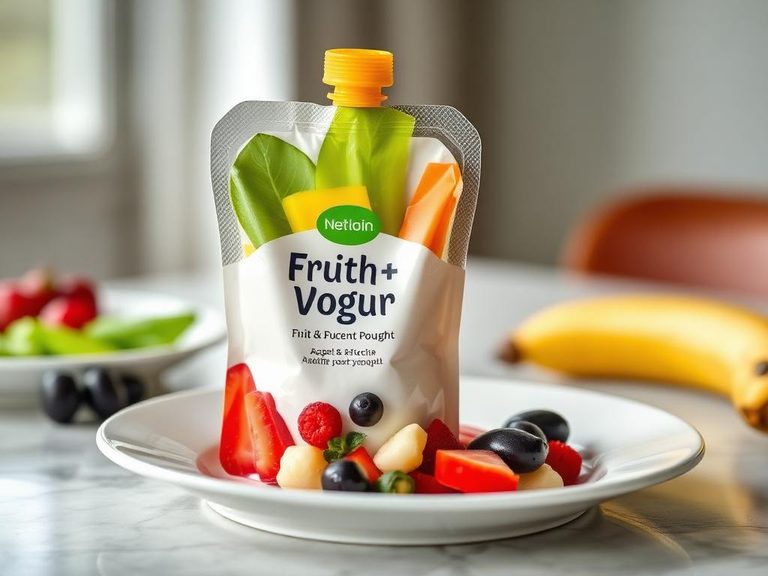
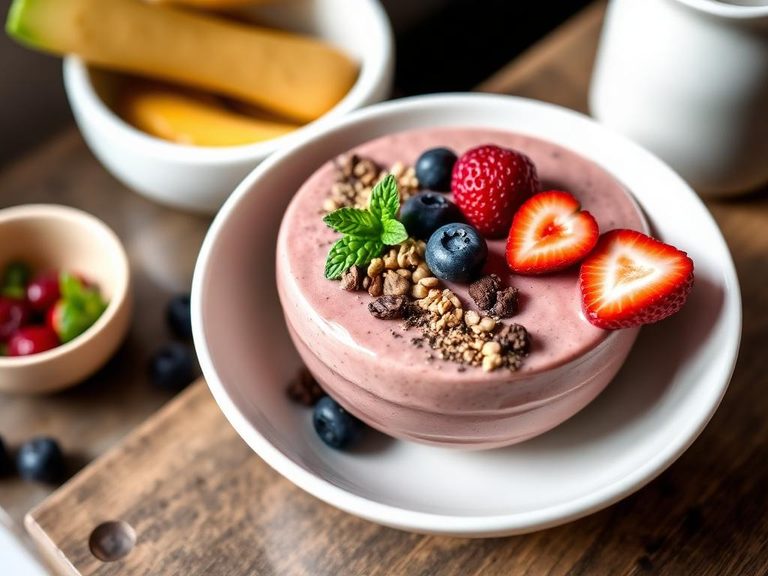
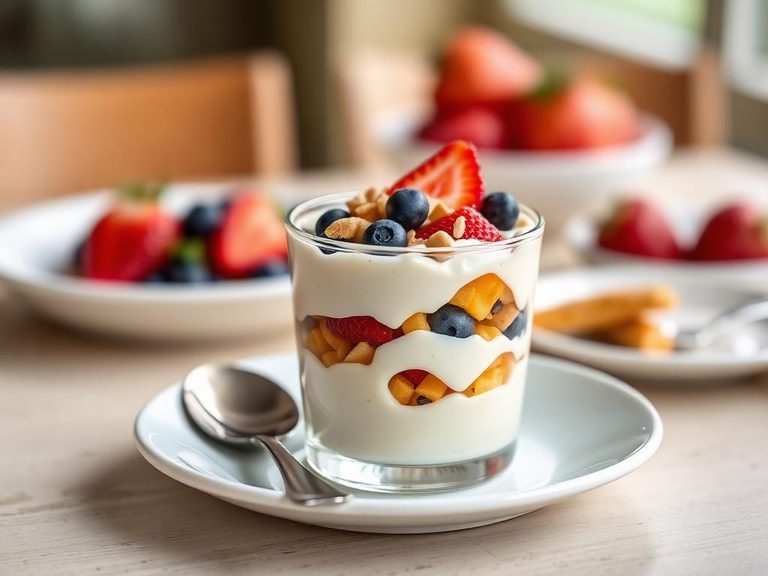
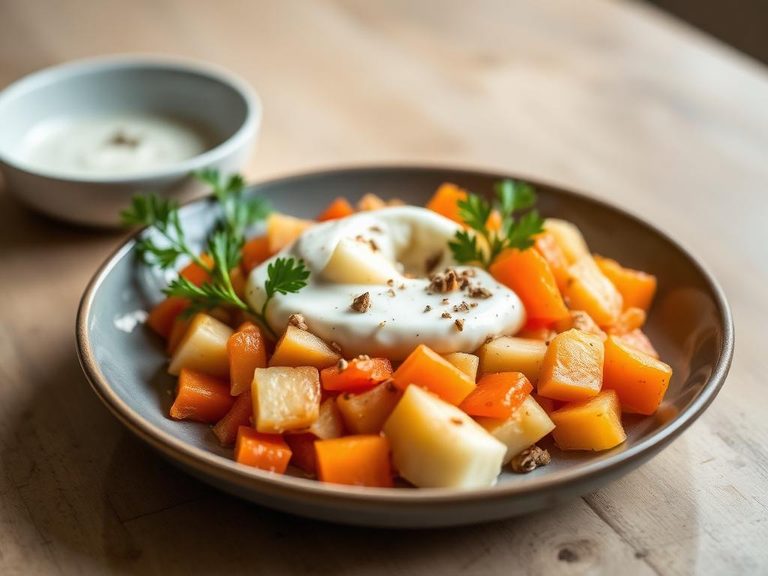
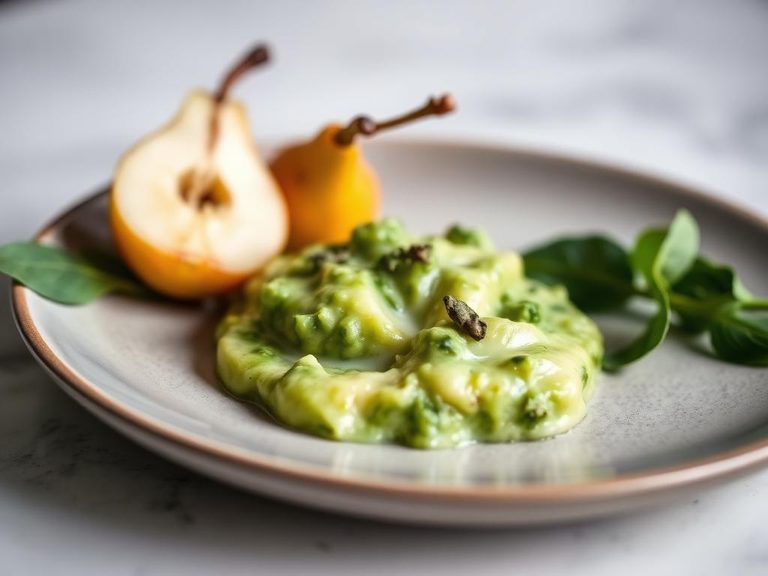
This is a smooth, spoonable blend of pureed fruits and vegetables swirled with creamy yogurt, designed for babies and toddlers. The texture is velvety and mild, offering a gentle introduction to new flavors without any chunks. It provides a balanced mix of natural fruit sugars, a touch of protein from the yogurt, and essential vitamins from the produce.
Calorie split: 12% protein · 64% carbs · 24% fat
↓ Full nutrition💚 Why it's loved
Parents love it for its convenience and the peace of mind it brings, knowing their child is getting a nutritious, balanced snack. The naturally sweet taste from the fruit and the familiar creaminess of yogurt make it a hit with most little ones.
⚠️ Watch-outs & how to enjoy it better
The natural sugars, while not added, can contribute to a high sugar content per serving, which is a consideration for overall daily intake. For toddlers, the smooth texture might be less satisfying than whole foods, potentially delaying the development of chewing skills. To balance this, pair it with a protein-rich food like a small piece of cheese or a hard-boiled egg, and use it as part of a varied diet that includes whole fruits and vegetables.
Key benefits
- Introduces diverse fruit and vegetable flavors early
- Provides calcium and protein for growth from yogurt
- Convenient, no-prep nutrition for busy caregivers
- Offers a source of fiber for developing digestive systems
- Typically free from added salt and artificial additives
🍽️ Popular dishes
🌍 Where it's eaten
💡 Did you know?
Many commercial versions are specifically formulated to include iron, a critical nutrient that is naturally low in breast milk after six months of age.
Full nutrition (USDA data · scales with serving)
| Water | 84.1 g |
| Energy | 69.0 kcal |
| Protein | 2.1 g |
| Total lipid (fat) | 1.8 g |
| Carbohydrate, by difference | 11.3 g |
| Fiber, total dietary | 1.0 g |
| Total Sugars | 6.5 g |
| Calcium, Ca | 57.0 mg |
| Iron, Fe | 0.23 mg |
| Magnesium, Mg | 13.0 mg |
| Phosphorus, P | 52.0 mg |
| Potassium, K | 178 mg |
| Sodium, Na | 26.0 mg |
| Zinc, Zn | 0.25 mg |
| Copper, Cu | 0.03 mg |
| Selenium, Se | 1.3 ug |
| Vitamin C, total ascorbic acid | 11.0 mg |
| Thiamin | 0.04 mg |
| Riboflavin | 0.12 mg |
| Niacin | 0.35 mg |
| Vitamin B-6 | 0.08 mg |
| Folate, total | 12.0 ug |
| Folic acid | 0.00 ug |
| Folate, food | 12.0 ug |
| Folate, DFE | 12.0 ug |
| Choline, total | 11.6 mg |
| Vitamin B-12 | 0.14 ug |
| Vitamin B-12, added | 0.00 ug |
| Vitamin A, RAE | 90.0 ug |
| Retinol | 19.0 ug |
| Carotene, beta | 770 ug |
| Carotene, alpha | 165 ug |
| Cryptoxanthin, beta | 3.0 ug |
| Lycopene | 0.00 ug |
| Lutein + zeaxanthin | 268 ug |
| Vitamin E (alpha-tocopherol) | 0.29 mg |
| Vitamin E, added | 0.04 mg |
| Vitamin D (D2 + D3) | 0.50 ug |
| Vitamin K (phylloquinone) | 5.4 ug |
| Alcohol, ethyl | 0.00 g |
| Caffeine | 0.00 mg |
| Theobromine | 0.00 mg |
Fat & fatty acid profile (per 100g)
| Fatty acids, total saturated | 0.92 g |
| SFA 4:0 | 0.04 g |
| SFA 6:0 | 0.03 g |
| SFA 8:0 | 0.02 g |
| SFA 10:0 | 0.04 g |
| SFA 12:0 | 0.04 g |
| SFA 14:0 | 0.15 g |
| SFA 16:0 | 0.43 g |
| SFA 18:0 | 0.14 g |
| Fatty acids, total monounsaturated | 0.35 g |
| MUFA 16:1 | 0.03 g |
| MUFA 18:1 | 0.31 g |
| MUFA 20:1 | 0.00 g |
| MUFA 22:1 | 0.00 g |
| Fatty acids, total polyunsaturated | 0.07 g |
| PUFA 18:2 | 0.06 g |
| PUFA 18:3 | 0.02 g |
| PUFA 18:4 | 0.00 g |
| PUFA 20:4 | 0.00 g |
| PUFA 20:5 n-3 (EPA) | 0.00 g |
| PUFA 22:5 n-3 (DPA) | 0.00 g |
| PUFA 22:6 n-3 (DHA) | 0.00 g |
| Cholesterol | 5.0 mg |
Amino acid profile (per 100g)
Estimated from Babyfood, dinner, chicken stew, toddler — USDA does not publish this profile for Baby Toddler fruit and vegetables.
| Tryptophan | 0.06 g |
| Threonine | 0.22 g |
| Isoleucine | 0.26 g |
| Leucine | 0.41 g |
| Lysine | 0.41 g |
| Methionine | 0.11 g |
| Cystine | 0.05 g |
| Phenylalanine | 0.21 g |
| Tyrosine | 0.17 g |
| Valine | 0.29 g |
| Arginine | 0.33 g |
| Histidine | 0.13 g |
| Alanine | 0.30 g |
| Aspartic acid | 0.47 g |
| Glutamic acid | 0.90 g |
| Glycine | 0.29 g |
| Proline | 0.35 g |
| Serine | 0.21 g |
FAQ
Is this a complete meal for my baby?
It is a nutritious snack or part of a meal, but for older babies (8+ months), it should be paired with other foods like iron-rich cereals, proteins, or healthy fats to create a complete meal.
Can I mix this with my baby's formula or breast milk?
Yes, you can stir a small amount into formula or breast milk to thin it out or introduce the flavor, but ensure the total mixture is consumed promptly.
What should I look for on the ingredient list?
Choose products where the first ingredients are recognizable fruits and vegetables (e.g., apples, pears, spinach), followed by yogurt. Avoid those with added sugars, corn syrup, or excessive fruit juice concentrates.
Nutrient density (calculated · NRF9.3)
Nutrient Rich Foods index: beneficial nutrients (protein, fiber, vitamins, minerals) minus saturated fat, added sugar & sodium, per 100 kcal.
NRF9.3 index — Fulgoni, Keast & Drewnowski, 2009. Computed from USDA nutrients.
Weight-loss friendliness (composite index)
Energy density 0.69 kcal/g · 12% calories from protein · 1.0 g fiber · 6.5 g sugar per 100 g.
Composite of energy density (Rolls et al., 1999), protein & fiber satiety, minus sugar. A calculated heuristic — ranks satiety-per-calorie, not a clinical measure.
Dietary load (calculated from USDA values)
Potential renal acid load. Positive = acid-forming, negative = alkaline-forming.
Sodium-to-potassium ratio: 0.15 (lower is better — aim for ≤ 1)
Sodium:potassium per WHO potassium guidance. Computed from USDA nutrients.