

Baby Toddler beets
Common food

Photo: Wikipedia
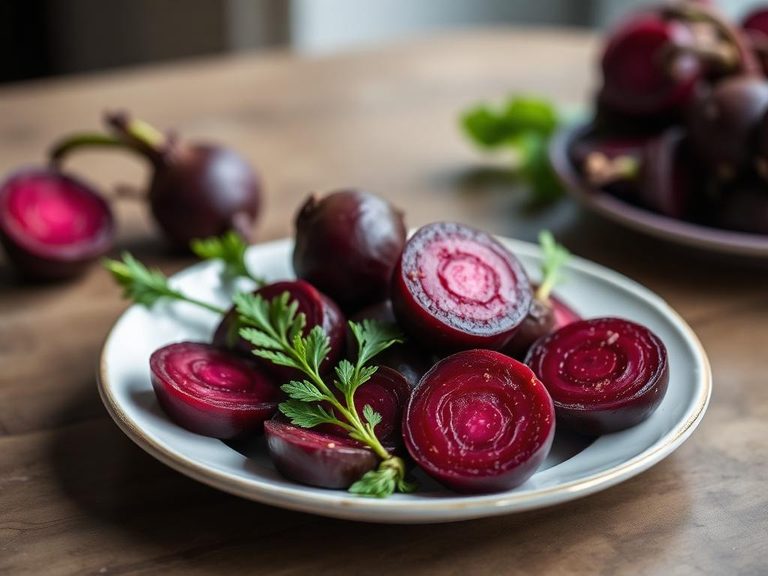
Baby beets are tender, young root vegetables with a vibrant magenta hue, offering a sweet, earthy flavor and a texture that's softer than mature beets. They are a nutrient-dense, low-calorie food, naturally high in fiber and a good source of folate and manganese.
Calorie split: 14% protein · 83% carbs · 2% fat
↓ Full nutrition💚 Why it's loved
People love baby beets for their concentrated sweetness and tender, almost buttery texture when roasted, which makes them a versatile ingredient in both savory and sweet dishes. Their stunning color also makes any plate visually appealing.
⚠️ Watch-outs & how to enjoy it better
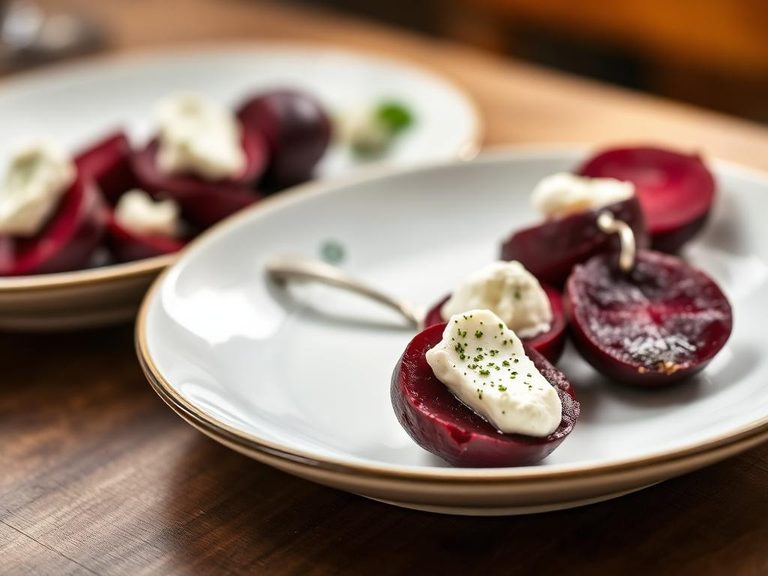
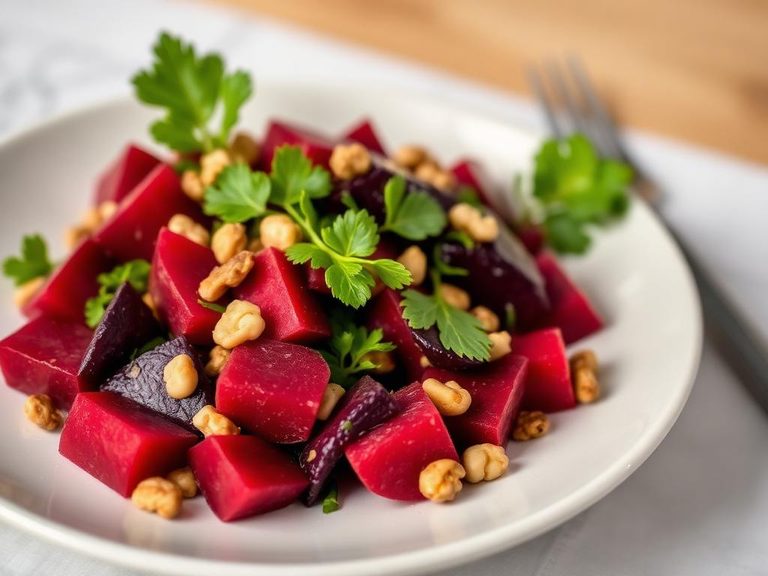
Their high natural sugar content can cause blood sugar spikes if eaten in large quantities alone. To counteract this, pair them with a source of protein (like goat cheese or nuts) or healthy fat (like olive oil) to slow sugar absorption. Also, beets are high in oxalates, which can contribute to kidney stones in susceptible individuals; drinking plenty of water and varying your vegetable intake can help mitigate this risk.
Key benefits
- Excellent source of dietary fiber for digestive health
- Rich in folate (vitamin B9), essential for cell growth
- Contains manganese, important for bone health and metabolism
- High in nitrates, which may support healthy blood pressure levels
- Naturally low in fat and a good source of plant-based nutrients
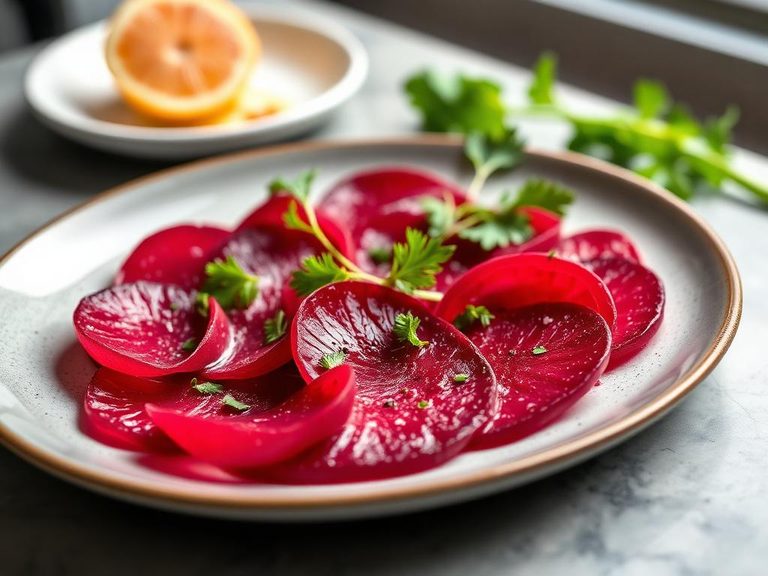
🍽️ Popular dishes
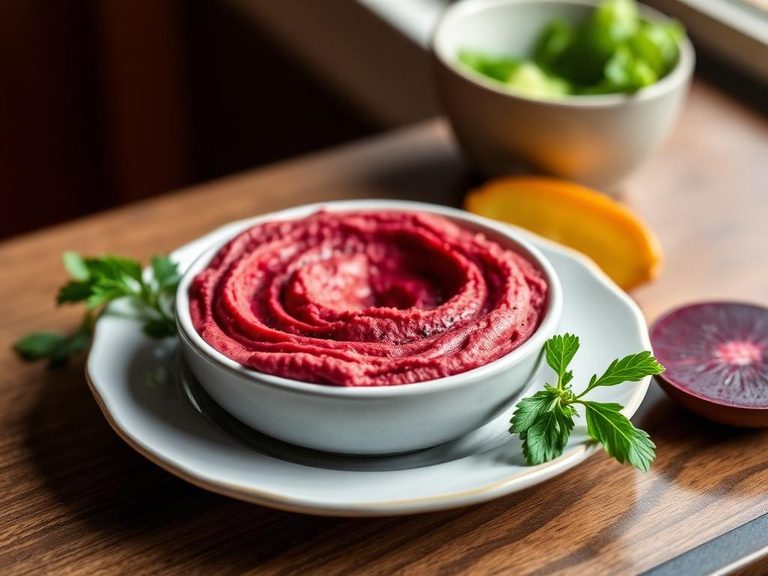
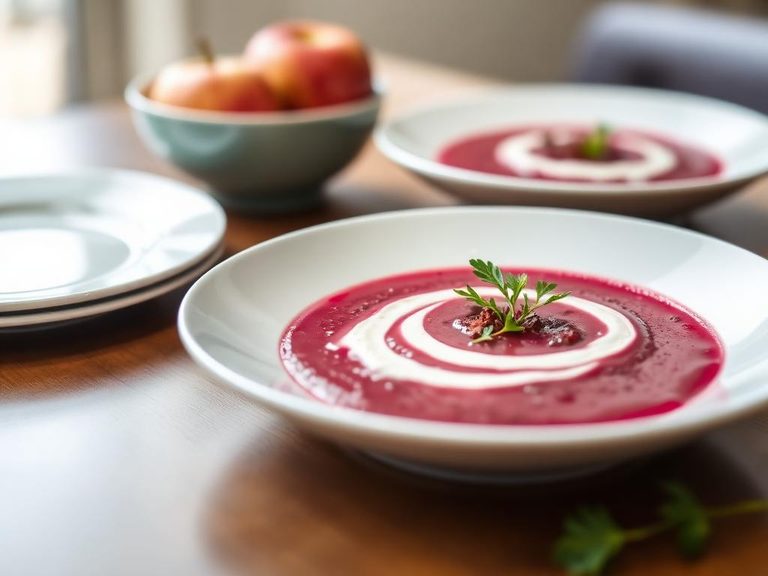
🌍 Where it's eaten
💡 Did you know?
The vibrant red pigment in beets, called betalain, is so potent it was historically used as a natural dye for textiles and even hair.
Full nutrition (USDA data · scales with serving)
| Water | 90.1 g |
| Energy | 34.0 kcal |
| Protein | 1.3 g |
| Total lipid (fat) | 0.10 g |
| Carbohydrate, by difference | 7.7 g |
| Fiber, total dietary | 1.9 g |
| Total Sugars | 6.1 g |
| Calcium, Ca | 14.0 mg |
| Iron, Fe | 0.32 mg |
| Magnesium, Mg | 14.0 mg |
| Phosphorus, P | 14.0 mg |
| Potassium, K | 182 mg |
| Sodium, Na | 83.0 mg |
| Zinc, Zn | 0.12 mg |
| Copper, Cu | 0.07 mg |
| Selenium, Se | 0.10 ug |
| Vitamin C, total ascorbic acid | 2.4 mg |
| Thiamin | 0.01 mg |
| Riboflavin | 0.04 mg |
| Niacin | 0.13 mg |
| Vitamin B-6 | 0.02 mg |
| Folate, total | 31.0 ug |
| Folic acid | 0.00 ug |
| Folate, food | 31.0 ug |
| Folate, DFE | 31.0 ug |
| Choline, total | 4.8 mg |
| Vitamin B-12 | 0.00 ug |
| Vitamin B-12, added | 0.00 ug |
| Vitamin A, RAE | 1.0 ug |
| Retinol | 0.00 ug |
| Carotene, beta | 16.0 ug |
| Carotene, alpha | 0.00 ug |
| Cryptoxanthin, beta | 0.00 ug |
| Lycopene | 0.00 ug |
| Lutein + zeaxanthin | 0.00 ug |
| Vitamin E (alpha-tocopherol) | 0.03 mg |
| Vitamin E, added | 0.00 mg |
| Vitamin D (D2 + D3) | 0.00 ug |
| Vitamin K (phylloquinone) | 0.20 ug |
| Alcohol, ethyl | 0.00 g |
| Caffeine | 0.00 mg |
| Theobromine | 0.00 mg |
Fat & fatty acid profile (per 100g)
| Fatty acids, total saturated | 0.02 g |
| SFA 4:0 | 0.00 g |
| SFA 6:0 | 0.00 g |
| SFA 8:0 | 0.00 g |
| SFA 10:0 | 0.00 g |
| SFA 12:0 | 0.00 g |
| SFA 14:0 | 0.00 g |
| SFA 16:0 | 0.02 g |
| SFA 18:0 | 0.00 g |
| Fatty acids, total monounsaturated | 0.02 g |
| MUFA 16:1 | 0.00 g |
| MUFA 18:1 | 0.02 g |
| MUFA 20:1 | 0.00 g |
| MUFA 22:1 | 0.00 g |
| Fatty acids, total polyunsaturated | 0.04 g |
| PUFA 18:2 | 0.03 g |
| PUFA 18:3 | 0.00 g |
| PUFA 18:4 | 0.00 g |
| PUFA 20:4 | 0.00 g |
| PUFA 20:5 n-3 (EPA) | 0.00 g |
| PUFA 22:5 n-3 (DPA) | 0.00 g |
| PUFA 22:6 n-3 (DHA) | 0.00 g |
| Cholesterol | 0.00 mg |
Amino acid profile (per 100g)
Estimated from Babyfood, dinner, chicken stew, toddler — USDA does not publish this profile for Baby Toddler beets.
| Tryptophan | 0.06 g |
| Threonine | 0.22 g |
| Isoleucine | 0.26 g |
| Leucine | 0.41 g |
| Lysine | 0.41 g |
| Methionine | 0.11 g |
| Cystine | 0.05 g |
| Phenylalanine | 0.21 g |
| Tyrosine | 0.17 g |
| Valine | 0.29 g |
| Arginine | 0.33 g |
| Histidine | 0.13 g |
| Alanine | 0.30 g |
| Aspartic acid | 0.47 g |
| Glutamic acid | 0.90 g |
| Glycine | 0.29 g |
| Proline | 0.35 g |
| Serine | 0.21 g |
FAQ
How do I prevent baby beets from 'bleeding' their color onto other foods?
Cook them separately from other ingredients. If roasting, you can wrap each beet individually in foil or place them in a single layer on a baking sheet without touching. For boiling, add a splash of vinegar to the water to help set the color.
Are the greens of baby beets edible?
Yes, absolutely! Beet greens are nutritious and delicious. They can be sautéed with garlic, added to soups, or used in salads, similar to spinach or Swiss chard.
What's the best way to store fresh baby beets?
Remove the greens (leave about an inch of stem to prevent bleeding), do not wash them, and store them unwashed in a plastic bag in the crisper drawer of your refrigerator. They can last for several weeks.
Nutrient density (calculated · NRF9.3)
Nutrient Rich Foods index: beneficial nutrients (protein, fiber, vitamins, minerals) minus saturated fat, added sugar & sodium, per 100 kcal.
NRF9.3 index — Fulgoni, Keast & Drewnowski, 2009. Computed from USDA nutrients.
Weight-loss friendliness (composite index)
Energy density 0.34 kcal/g · 15% calories from protein · 1.9 g fiber · 6.1 g sugar per 100 g.
Composite of energy density (Rolls et al., 1999), protein & fiber satiety, minus sugar. A calculated heuristic — ranks satiety-per-calorie, not a clinical measure.
Dietary load (calculated from USDA values)
Potential renal acid load. Positive = acid-forming, negative = alkaline-forming.
Sodium-to-potassium ratio: 0.46 (lower is better — aim for ≤ 1)
Sodium:potassium per WHO potassium guidance. Computed from USDA nutrients.