

Beets, cooked, boiled. drained, with salt
Whole food · Vegetables and Vegetable Products

Photo: Wikipedia
Boiled and salted beets are tender, jewel-toned root vegetables with a deep, earthy sweetness and a smooth, almost buttery texture. Nutritionally, they are a low-calorie powerhouse, offering a notable dose of dietary fiber and natural sugars for quick energy, all while being virtually fat-free.
Calorie split: 14% protein · 83% carbs · 3% fat
↓ Full nutrition💚 Why it's loved
People love cooked beets for their vibrant, jewel-like color that can transform any dish, and for their unique, deep sweetness that balances earthiness. They are incredibly versatile, shining in salads, soups, and even desserts across many global cuisines.
⚠️ Watch-outs & how to enjoy it better
The high natural sugar content can cause blood sugar spikes if eaten in large quantities alone. The added salt increases sodium content, which is a consideration for those monitoring intake. To counteract, pair beets with a source of protein or healthy fat (like goat cheese or walnuts) to slow sugar absorption, and rinse them lightly if you're concerned about surface salt. Beets are also high in oxalates, so those with a history of certain kidney stones should consult a doctor about portion size.
Key benefits
- Excellent source of dietary fiber for digestive health.
- Naturally low in calories and fat.
- Rich in essential minerals like manganese and potassium.
- Contains naturally occurring nitrates, studied for blood flow benefits.
- Provides a good amount of folate (vitamin B9).
🍽️ Popular dishes
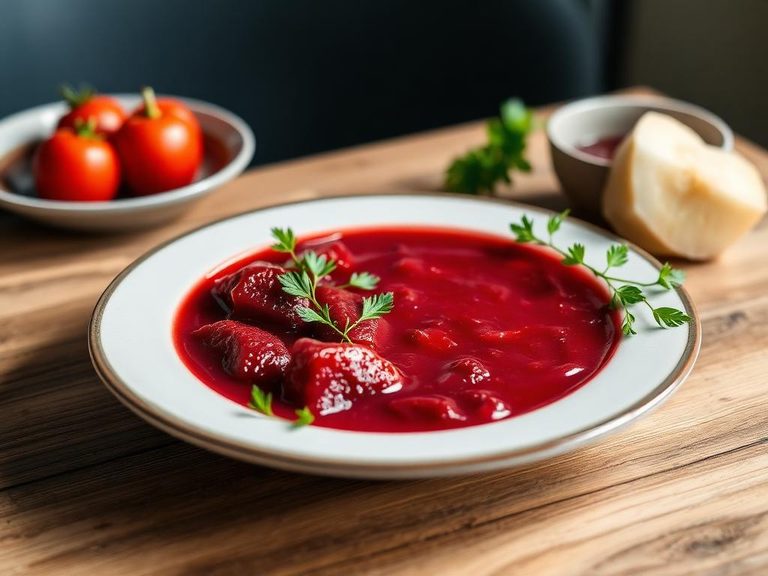
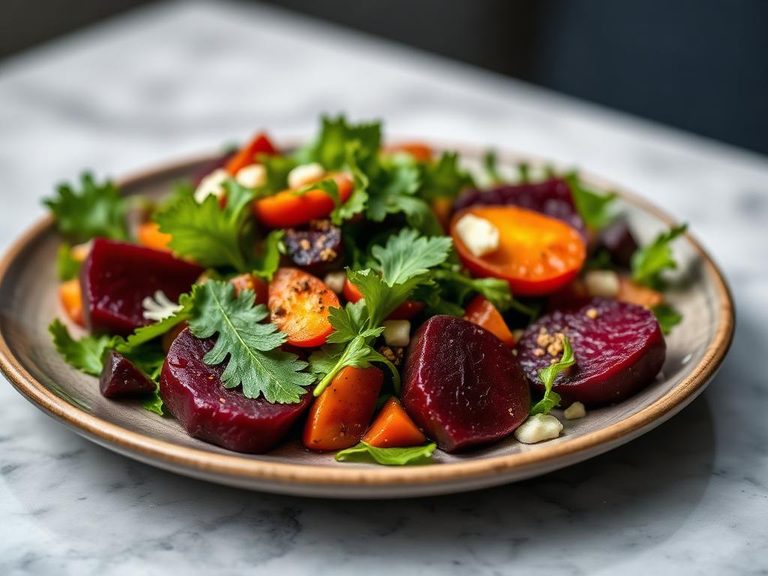
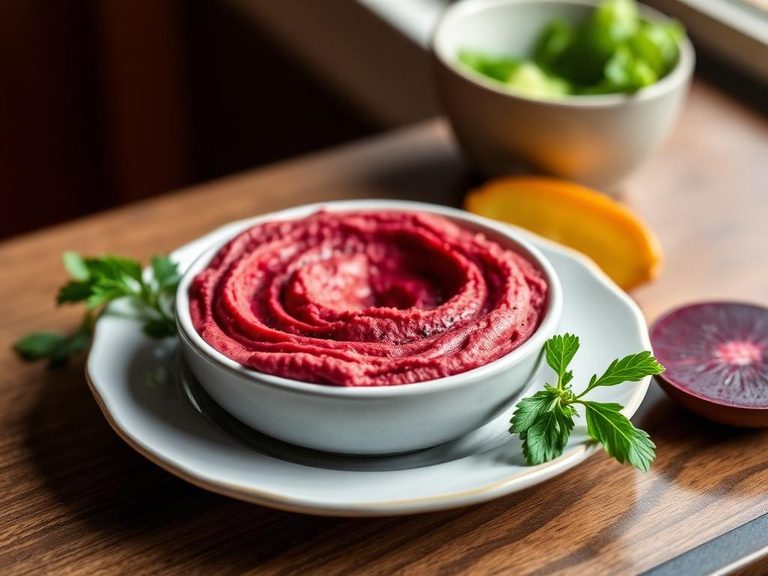
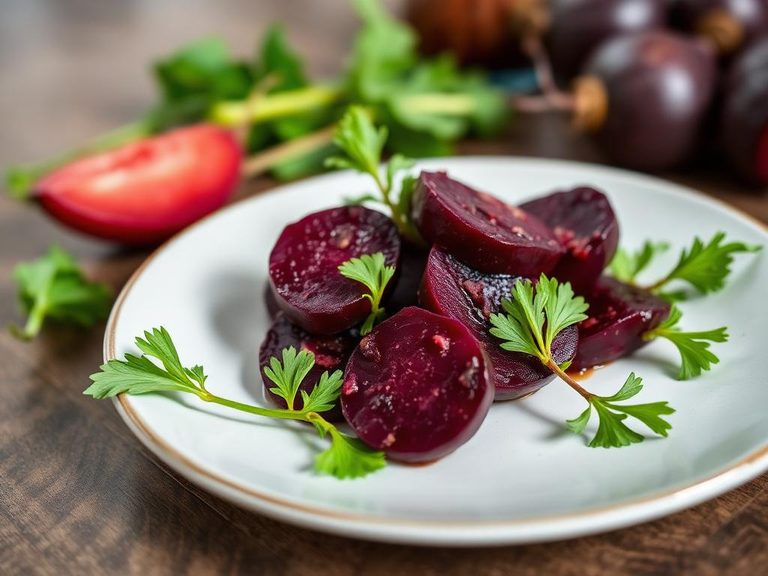
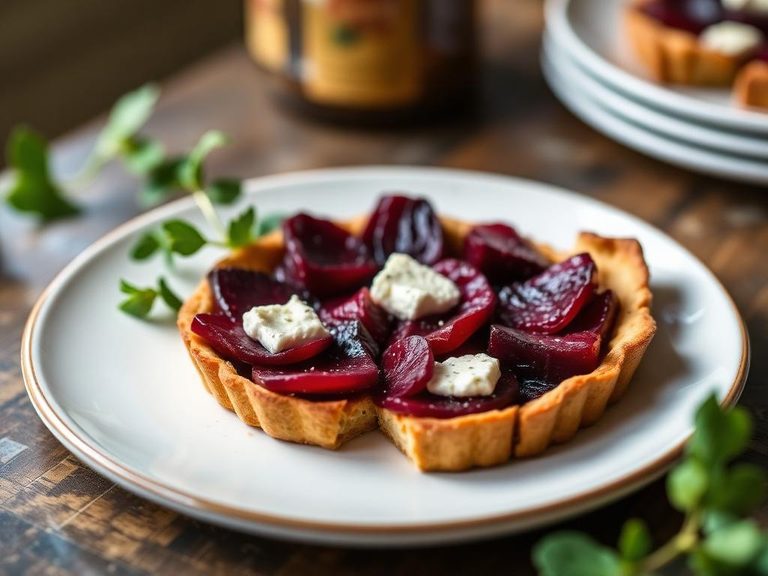
🌍 Where it's eaten
💡 Did you know?
The vibrant red pigment in beets, betalain, is so potent it was historically used as a natural dye for clothing and even hair.
Full nutrition (USDA data · scales with serving)
| Water | 87.1 g |
| Energy | 44.0 kcal |
| Energy | 186 kj |
| Protein | 1.7 g |
| Total lipid (fat) | 0.18 g |
| Ash | 1.1 g |
| Carbohydrate, by difference | 10.0 g |
| Fiber, total dietary | 2.0 g |
| Total Sugars | 8.0 g |
| Calcium, Ca | 16.0 mg |
| Iron, Fe | 0.79 mg |
| Magnesium, Mg | 23.0 mg |
| Phosphorus, P | 38.0 mg |
| Potassium, K | 305 mg |
| Sodium, Na | 285 mg |
| Zinc, Zn | 0.35 mg |
| Copper, Cu | 0.07 mg |
| Manganese, Mn | 0.33 mg |
| Selenium, Se | 0.70 ug |
| Vitamin C, total ascorbic acid | 3.6 mg |
| Thiamin | 0.03 mg |
| Riboflavin | 0.04 mg |
| Niacin | 0.33 mg |
| Pantothenic acid | 0.14 mg |
| Vitamin B-6 | 0.07 mg |
| Folate, total | 80.0 ug |
| Folic acid | 0.00 ug |
| Folate, food | 80.0 ug |
| Folate, DFE | 80.0 ug |
| Choline, total | 6.3 mg |
| Vitamin B-12 | 0.00 ug |
| Vitamin B-12, added | 0.00 ug |
| Vitamin A, RAE | 2.0 ug |
| Retinol | 0.00 ug |
| Carotene, beta | 21.0 ug |
| Carotene, alpha | 0.00 ug |
| Cryptoxanthin, beta | 0.00 ug |
| Vitamin A, IU | 35.0 iu |
| Lycopene | 0.00 ug |
| Lutein + zeaxanthin | 0.00 ug |
| Vitamin E (alpha-tocopherol) | 0.04 mg |
| Vitamin E, added | 0.00 mg |
| Vitamin D (D2 + D3), International Units | 0.00 iu |
| Vitamin D (D2 + D3) | 0.00 ug |
| Vitamin K (phylloquinone) | 0.20 ug |
Fat & fatty acid profile (per 100g)
| Fatty acids, total saturated | 0.03 g |
| SFA 16:0 | 0.03 g |
| SFA 18:0 | 0.00 g |
| Fatty acids, total monounsaturated | 0.04 g |
| MUFA 18:1 | 0.04 g |
| Fatty acids, total polyunsaturated | 0.06 g |
| PUFA 18:2 | 0.06 g |
| PUFA 18:3 | 0.01 g |
| Fatty acids, total trans | 0.00 g |
| Cholesterol | 0.00 mg |
Amino acid profile (per 100g)
| Tryptophan | 0.02 g |
| Threonine | 0.05 g |
| Isoleucine | 0.05 g |
| Leucine | 0.07 g |
| Lysine | 0.06 g |
| Methionine | 0.02 g |
| Cystine | 0.02 g |
| Phenylalanine | 0.05 g |
| Tyrosine | 0.04 g |
| Valine | 0.06 g |
| Arginine | 0.04 g |
| Histidine | 0.02 g |
| Alanine | 0.06 g |
| Aspartic acid | 0.12 g |
| Glutamic acid | 0.45 g |
| Glycine | 0.03 g |
| Proline | 0.04 g |
| Serine | 0.06 g |
FAQ
Why are my boiled beets bleeding so much color?
This is normal. The water-soluble betalain pigments leach out during boiling. To minimize color loss, you can boil beets whole with the skin on, or roast them instead.
Can I use the cooking water?
Yes! The pink cooking water is rich in nutrients and color. It can be used as a vibrant base for soups, to add color to rice, or even as a natural food dye for frostings.
How do I avoid staining my hands and cutting board?
Wear kitchen gloves when handling cooked beets. For stains, a paste of baking soda and water or a splash of lemon juice can help lift the color from surfaces and skin.
Nutrient density (calculated · NRF9.3)
Nutrient Rich Foods index: beneficial nutrients (protein, fiber, vitamins, minerals) minus saturated fat, added sugar & sodium, per 100 kcal.
NRF9.3 index — Fulgoni, Keast & Drewnowski, 2009. Computed from USDA nutrients.
Weight-loss friendliness (composite index)
Energy density 0.44 kcal/g · 15% calories from protein · 2.0 g fiber · 8.0 g sugar per 100 g.
Composite of energy density (Rolls et al., 1999), protein & fiber satiety, minus sugar. A calculated heuristic — ranks satiety-per-calorie, not a clinical measure.
Dietary load (calculated from USDA values)
Potential renal acid load. Positive = acid-forming, negative = alkaline-forming.
Sodium-to-potassium ratio: 0.93 (lower is better — aim for ≤ 1)
Sodium:potassium per WHO potassium guidance. Computed from USDA nutrients.