

Apricot, raw
Common food

Photo: Wikipedia
The raw apricot is a velvety, sun-kissed stone fruit with a tender, juicy flesh that balances a gentle sweetness with a pleasant, slightly tart finish. Its vibrant orange skin and golden interior signal a powerhouse of beta-carotene, while its delicate texture makes it a perfect fresh snack. At just 48 kcal per 100g, it's a light yet nutrient-dense choice, offering a satisfying combination of natural sugars and fiber.
Calorie split: 10% protein · 83% carbs · 7% fat
↓ Full nutrition💚 Why it's loved
People cherish apricots for their uniquely fragrant, honeyed flavor and the perfect sweet-tart balance that feels like a taste of early summer. Their versatility is beloved—they shine equally well in fresh fruit salads, baked into rustic tarts, or simmered into luxurious jams and compotes.
⚠️ Watch-outs & how to enjoy it better
The natural sugars, while healthy, can cause a rapid blood-sugar spike if eaten in large quantities alone, especially for those with insulin sensitivity. To mitigate this, pair apricots with a source of protein or healthy fat, like a handful of almonds or a dollop of Greek yogurt, to slow sugar absorption. Their fuzzy skin can also be a minor irritant for some; simply peeling them resolves this.
Key benefits
- Excellent source of beta-carotene, which the body converts to vitamin A.
- Good source of dietary fiber, supporting digestive health.
- Low in calories and fat, making it ideal for weight management.
- Contains antioxidants like lutein and zeaxanthin, beneficial for eye health.
- Provides a natural, quick energy boost from its carbohydrate content.
🍽️ Popular dishes
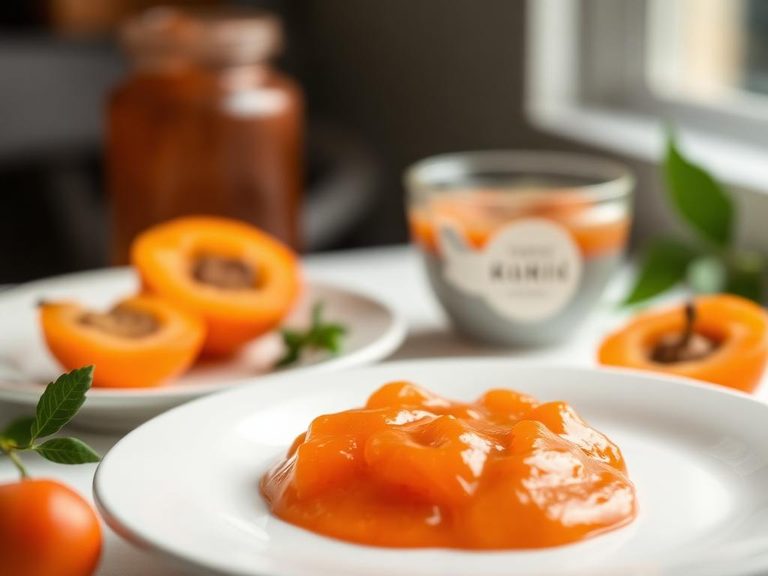
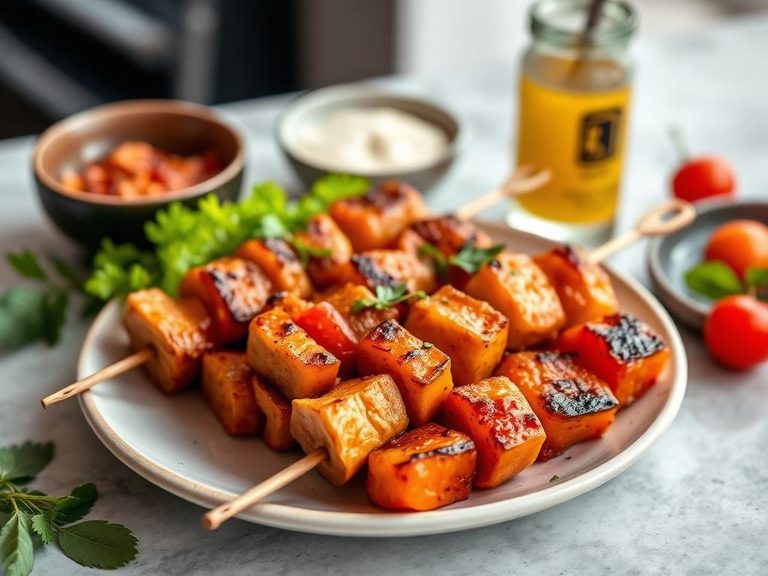

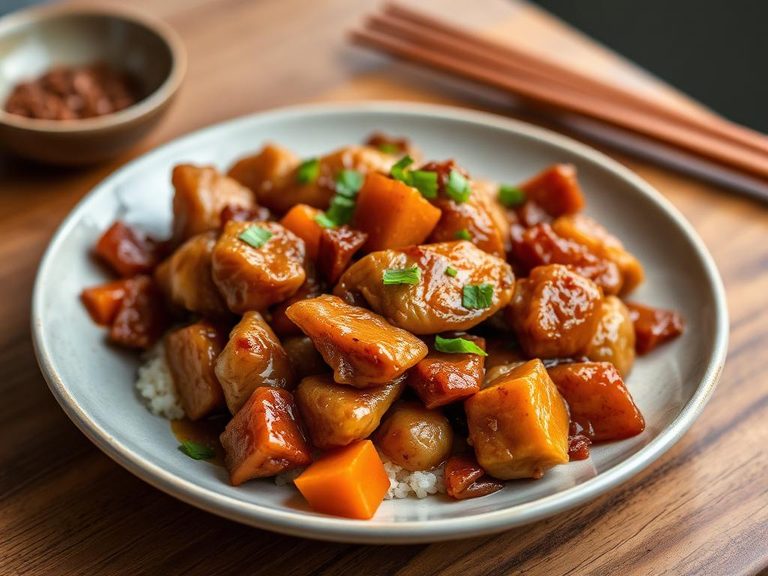
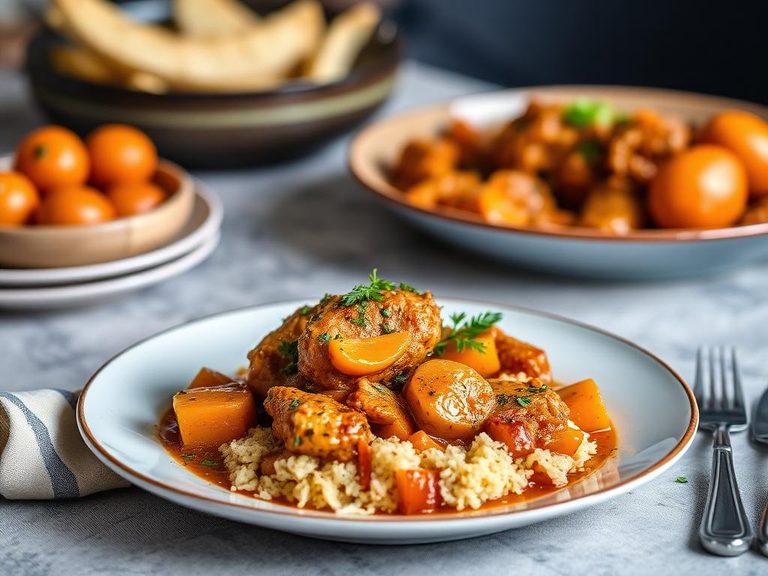
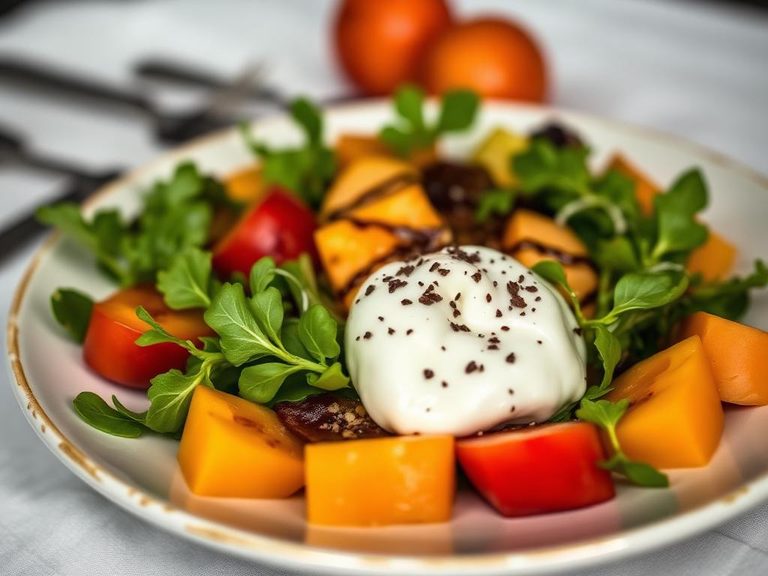
🌍 Where it's eaten
💡 Did you know?
The apricot is a close relative of the peach, plum, and cherry—all members of the Prunus genus—but it is the only one whose fruit has a distinctly velvety, downy skin rather than a smooth or fuzzy one.
Full nutrition (USDA data · scales with serving)
| Water | 86.3 g |
| Energy | 48.0 kcal |
| Protein | 1.4 g |
| Total lipid (fat) | 0.39 g |
| Carbohydrate, by difference | 11.1 g |
| Fiber, total dietary | 2.0 g |
| Total Sugars | 9.2 g |
| Calcium, Ca | 13.0 mg |
| Iron, Fe | 0.39 mg |
| Magnesium, Mg | 10.0 mg |
| Phosphorus, P | 23.0 mg |
| Potassium, K | 259 mg |
| Sodium, Na | 1.0 mg |
| Zinc, Zn | 0.20 mg |
| Copper, Cu | 0.08 mg |
| Selenium, Se | 0.10 ug |
| Vitamin C, total ascorbic acid | 10.0 mg |
| Thiamin | 0.03 mg |
| Riboflavin | 0.04 mg |
| Niacin | 0.60 mg |
| Vitamin B-6 | 0.05 mg |
| Folate, total | 9.0 ug |
| Folic acid | 0.00 ug |
| Folate, food | 9.0 ug |
| Folate, DFE | 9.0 ug |
| Choline, total | 2.8 mg |
| Vitamin B-12 | 0.00 ug |
| Vitamin B-12, added | 0.00 ug |
| Vitamin A, RAE | 96.0 ug |
| Retinol | 0.00 ug |
| Carotene, beta | 1094 ug |
| Carotene, alpha | 19.0 ug |
| Cryptoxanthin, beta | 104 ug |
| Lycopene | 0.00 ug |
| Lutein + zeaxanthin | 89.0 ug |
| Vitamin E (alpha-tocopherol) | 0.89 mg |
| Vitamin E, added | 0.00 mg |
| Vitamin D (D2 + D3) | 0.00 ug |
| Vitamin K (phylloquinone) | 3.3 ug |
| Alcohol, ethyl | 0.00 g |
| Caffeine | 0.00 mg |
| Theobromine | 0.00 mg |
Fat & fatty acid profile (per 100g)
| Fatty acids, total saturated | 0.03 g |
| SFA 4:0 | 0.00 g |
| SFA 6:0 | 0.00 g |
| SFA 8:0 | 0.00 g |
| SFA 10:0 | 0.00 g |
| SFA 12:0 | 0.00 g |
| SFA 14:0 | 0.00 g |
| SFA 16:0 | 0.02 g |
| SFA 18:0 | 0.00 g |
| Fatty acids, total monounsaturated | 0.17 g |
| MUFA 16:1 | 0.00 g |
| MUFA 18:1 | 0.17 g |
| MUFA 20:1 | 0.00 g |
| MUFA 22:1 | 0.00 g |
| Fatty acids, total polyunsaturated | 0.08 g |
| PUFA 18:2 | 0.08 g |
| PUFA 18:3 | 0.00 g |
| PUFA 18:4 | 0.00 g |
| PUFA 20:4 | 0.00 g |
| PUFA 20:5 n-3 (EPA) | 0.00 g |
| PUFA 22:5 n-3 (DPA) | 0.00 g |
| PUFA 22:6 n-3 (DHA) | 0.00 g |
| Cholesterol | 0.00 mg |
Amino acid profile (per 100g)
Estimated from Apricots, dried, sulfured, stewed, with added sugar — USDA does not publish this profile for Apricot.
| Tryptophan | 0.02 g |
| Threonine | 0.04 g |
| Isoleucine | 0.04 g |
| Leucine | 0.07 g |
| Lysine | 0.08 g |
| Methionine | 0.01 g |
| Cystine | 0.00 g |
| Phenylalanine | 0.05 g |
| Tyrosine | 0.03 g |
| Valine | 0.04 g |
| Arginine | 0.04 g |
| Histidine | 0.02 g |
| Alanine | 0.06 g |
| Aspartic acid | 0.27 g |
| Glutamic acid | 0.12 g |
| Glycine | 0.04 g |
| Proline | 0.07 g |
| Serine | 0.07 g |
FAQ
What's the difference between a fresh apricot and a dried apricot?
Fresh apricots are juicy and perishable, while dried apricots are dehydrated, concentrating their sugars and calories (about 240 kcal per 100g). Drying also intensifies their flavor and makes them a chewy, shelf-stable snack.
How do I pick a ripe apricot?
Look for fruit with a deep orange or golden-yellow color (avoid green tints). It should yield slightly to gentle pressure near the stem and have a sweet, fragrant aroma. A slight give indicates ripeness; rock-hard fruit will be tart and mealy.
Can I eat the skin of an apricot?
Yes, the skin is edible and contains fiber and nutrients. However, some people find the fine fuzz on the skin texturally unpleasant. If you prefer, you can easily blanch and peel them, especially for preserves or delicate desserts.
Nutrient density (calculated · NRF9.3)
Nutrient Rich Foods index: beneficial nutrients (protein, fiber, vitamins, minerals) minus saturated fat, added sugar & sodium, per 100 kcal.
NRF9.3 index — Fulgoni, Keast & Drewnowski, 2009. Computed from USDA nutrients.
Weight-loss friendliness (composite index)
Energy density 0.48 kcal/g · 12% calories from protein · 2.0 g fiber · 9.2 g sugar per 100 g.
Composite of energy density (Rolls et al., 1999), protein & fiber satiety, minus sugar. A calculated heuristic — ranks satiety-per-calorie, not a clinical measure.
Dietary load (calculated from USDA values)
Potential renal acid load. Positive = acid-forming, negative = alkaline-forming.
Sodium-to-potassium ratio: 0.00 (lower is better — aim for ≤ 1)
Sodium:potassium per WHO potassium guidance. Computed from USDA nutrients.