

Alcoholic beverage, wine, cooking
Whole food · Beverages
Cooking wine is a shelf-stable, salted wine used to deglaze pans, build sauces, and tenderize meats, offering a concentrated, savory acidity with a distinct briny edge. It typically has a lower alcohol content and a higher sodium level than table wine, which helps preserve it and adds a punchy flavor to savory dishes. Nutritionally, it's very low in calories and fat, providing a modest amount of carbohydrates primarily from residual sugars.
Calorie split: 7% protein · 93% carbs · 0% fat
↓ Full nutrition💚 Why it's loved
It's loved for its ability to instantly elevate a dish with a rich, savory depth that water or broth can't replicate, making it a pantry staple for home cooks seeking restaurant-like flavor. Its versatility in everything from pan sauces to marinades makes it a go-to for building complex, layered tastes.
⚠️ Watch-outs & how to enjoy it better
The high sodium content can contribute to excess salt intake, and the alcohol, while mostly cooked off, may not be suitable for all diets or for those avoiding alcohol entirely. To counteract, use it sparingly, taste as you go, and balance with other low-sodium ingredients like fresh herbs, citrus, or a splash of vinegar.
Key benefits
- Adds complex acidity and depth to savory dishes
- Helps deglaze pans to create flavorful fond-based sauces
- Can tenderize tougher cuts of meat in marinades
- Provides a convenient, shelf-stable flavor enhancer
- Adds a savory, umami-rich note to stews and braises
🍽️ Popular dishes
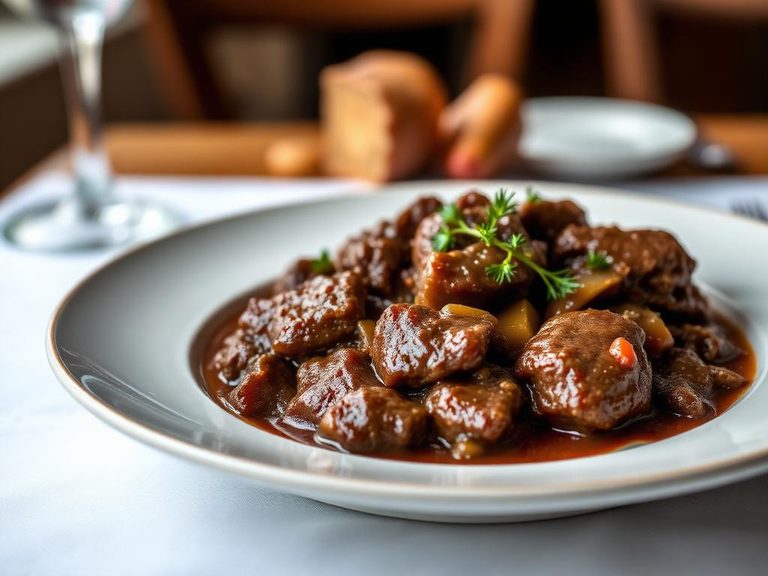
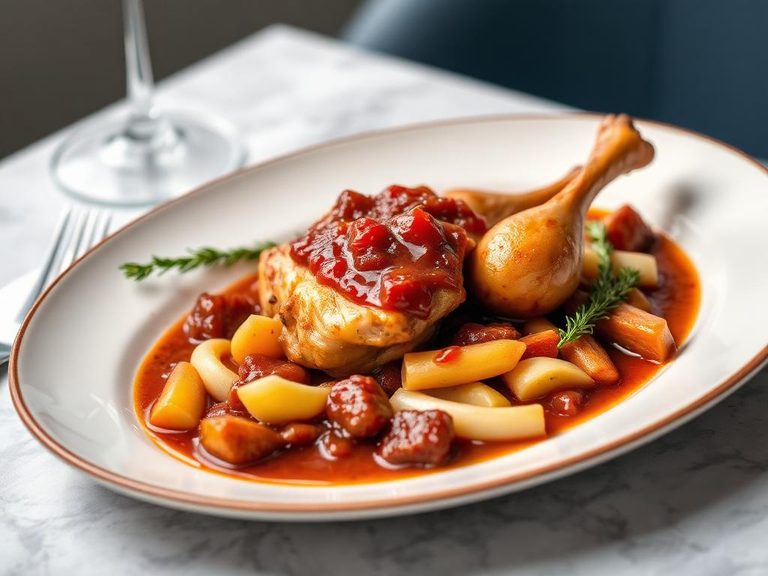
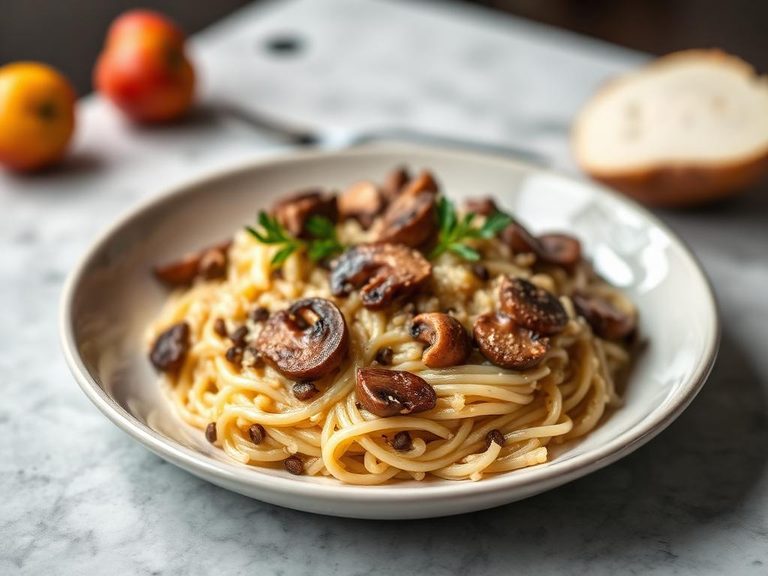
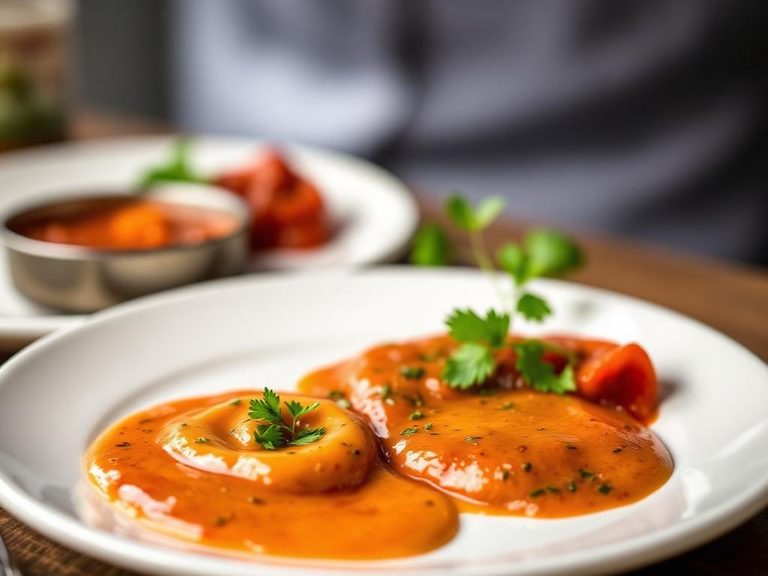
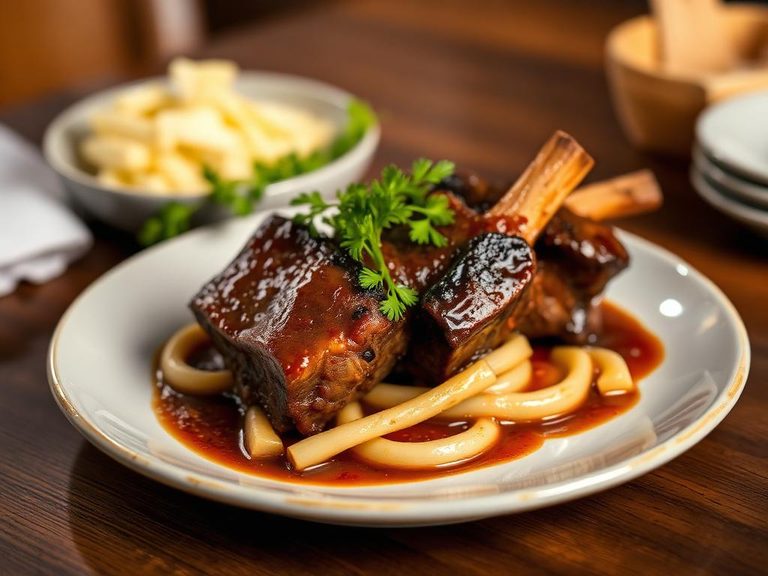
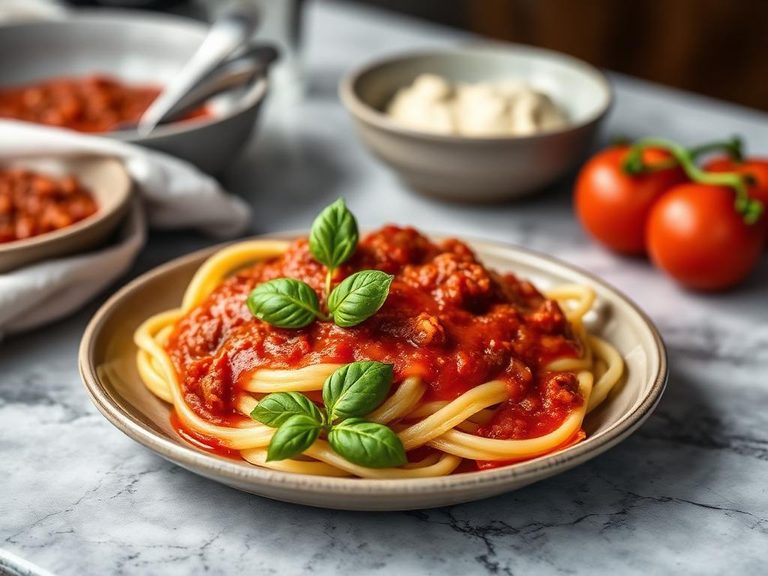
🌍 Where it's eaten
💡 Did you know?
Cooking wine is often fortified with salt specifically to make it unpalatable for drinking, which is why it's sold in the vinegar or condiment aisle, not the wine section.
Full nutrition (USDA data · scales with serving)
| Water | 88.9 g |
| Energy | 50.0 kcal |
| Energy | 209 kj |
| Protein | 0.50 g |
| Total lipid (fat) | 0.00 g |
| Ash | 1.0 g |
| Carbohydrate, by difference | 6.3 g |
| Fiber, total dietary | 0.00 g |
| Total Sugars | 1.6 g |
| Calcium, Ca | 9.0 mg |
| Iron, Fe | 0.40 mg |
| Magnesium, Mg | 10.0 mg |
| Phosphorus, P | 15.0 mg |
| Potassium, K | 88.0 mg |
| Sodium, Na | 626 mg |
| Zinc, Zn | 0.08 mg |
| Copper, Cu | 0.01 mg |
| Selenium, Se | 0.20 ug |
| Vitamin C, total ascorbic acid | 0.00 mg |
| Thiamin | 0.00 mg |
| Riboflavin | 0.01 mg |
| Niacin | 0.10 mg |
| Vitamin B-6 | 0.02 mg |
| Folate, total | 1.0 ug |
| Folic acid | 0.00 ug |
| Folate, food | 1.0 ug |
| Folate, DFE | 1.0 ug |
| Choline, total | 5.0 mg |
| Vitamin B-12 | 0.00 ug |
| Vitamin B-12, added | 0.00 ug |
| Vitamin A, RAE | 0.00 ug |
| Retinol | 0.00 ug |
| Carotene, beta | 0.00 ug |
| Carotene, alpha | 0.00 ug |
| Cryptoxanthin, beta | 0.00 ug |
| Vitamin A, IU | 0.00 iu |
| Lycopene | 0.00 ug |
| Lutein + zeaxanthin | 0.00 ug |
| Vitamin E (alpha-tocopherol) | 0.00 mg |
| Vitamin E, added | 0.00 mg |
| Vitamin D (D2 + D3), International Units | 0.00 iu |
| Vitamin D (D2 + D3) | 0.00 ug |
| Vitamin K (phylloquinone) | 0.00 ug |
| Alcohol, ethyl | 3.3 g |
| Caffeine | 0.00 mg |
| Theobromine | 0.00 mg |
Fat & fatty acid profile (per 100g)
| Fatty acids, total saturated | 0.00 g |
| SFA 4:0 | 0.00 g |
| SFA 6:0 | 0.00 g |
| SFA 8:0 | 0.00 g |
| SFA 10:0 | 0.00 g |
| SFA 12:0 | 0.00 g |
| SFA 14:0 | 0.00 g |
| SFA 16:0 | 0.00 g |
| SFA 18:0 | 0.00 g |
| Fatty acids, total monounsaturated | 0.00 g |
| MUFA 16:1 | 0.00 g |
| MUFA 18:1 | 0.00 g |
| MUFA 20:1 | 0.00 g |
| MUFA 22:1 | 0.00 g |
| Fatty acids, total polyunsaturated | 0.00 g |
| PUFA 18:2 | 0.00 g |
| PUFA 18:3 | 0.00 g |
| PUFA 18:4 | 0.00 g |
| PUFA 20:4 | 0.00 g |
| PUFA 20:5 n-3 (EPA) | 0.00 g |
| PUFA 22:5 n-3 (DPA) | 0.00 g |
| PUFA 22:6 n-3 (DHA) | 0.00 g |
| Fatty acids, total trans | 0.00 g |
| Cholesterol | 0.00 mg |
Amino acid profile (per 100g)
Estimated from Alcoholic beverage, distilled, vodka, 80 proof — USDA does not publish this profile for Alcoholic beverage.
| Tryptophan | 0.00 g |
| Threonine | 0.00 g |
| Isoleucine | 0.00 g |
| Leucine | 0.00 g |
| Lysine | 0.00 g |
| Methionine | 0.00 g |
| Cystine | 0.00 g |
| Phenylalanine | 0.00 g |
| Tyrosine | 0.00 g |
| Valine | 0.00 g |
| Arginine | 0.00 g |
| Histidine | 0.00 g |
| Alanine | 0.00 g |
| Aspartic acid | 0.00 g |
| Glutamic acid | 0.00 g |
| Glycine | 0.00 g |
| Proline | 0.00 g |
| Serine | 0.00 g |
FAQ
Is cooking wine the same as regular wine?
No, cooking wine is typically lower in quality, higher in salt, and has added preservatives to extend its shelf life, making it unsuitable for drinking.
Does the alcohol cook out when using cooking wine?
Most, but not all, of the alcohol evaporates during cooking; the amount remaining depends on cooking time and method, but it's generally reduced significantly.
Can I substitute regular wine for cooking wine?
Yes, regular wine is often preferred for its better flavor, but you may need to adjust salt levels in the recipe since cooking wine is pre-salted.
Nutrient density (calculated · NRF9.3)
Nutrient Rich Foods index: beneficial nutrients (protein, fiber, vitamins, minerals) minus saturated fat, added sugar & sodium, per 100 kcal.
NRF9.3 index — Fulgoni, Keast & Drewnowski, 2009. Computed from USDA nutrients.
Weight-loss friendliness (composite index)
Energy density 0.50 kcal/g · 4% calories from protein · 0.0 g fiber · 1.6 g sugar per 100 g.
Composite of energy density (Rolls et al., 1999), protein & fiber satiety, minus sugar. A calculated heuristic — ranks satiety-per-calorie, not a clinical measure.
Dietary load (calculated from USDA values)
Potential renal acid load. Positive = acid-forming, negative = alkaline-forming.
Sodium-to-potassium ratio: 7.11 (lower is better — aim for ≤ 1)
Sodium:potassium per WHO potassium guidance. Computed from USDA nutrients.