Beans, great northern, mature seeds, canned, low sodium
Whole food · Legumes and Legume Products

Photo: Wikipedia
Great Northern beans are small, oval white beans prized for their delicate, creamy texture and mild, slightly nutty flavor. Canned and low-sodium, they offer a convenient, pantry-stable source of plant-based protein and fiber, with a clean, neutral taste that readily absorbs surrounding flavors.
💚 Why it's loved
People love them for their incredibly versatile, mild flavor and smooth, creamy texture that holds its shape well in soups and stews. They are a beloved, comforting staple in many cuisines, acting as a perfect blank canvas for herbs, spices, and smoky meats.
⚠️ Watch-outs & how to enjoy it better
Despite being low-sodium, the canned variety can still contribute to excess sodium intake if not rinsed; always drain and rinse thoroughly. As a legume, they contain oligosaccharides that can cause gas or bloating in some individuals; starting with small portions and ensuring thorough cooking can help. They are a common allergen for some, and their high fiber content, while beneficial, may be uncomfortable for those with certain digestive sensitivities.
Key benefits
- Excellent source of plant-based protein (7.37g per 100g).
- High in dietary fiber (4.9g per 100g) for digestive health.
- Very low in fat (0.39g per 100g).
- Provides complex carbohydrates for sustained energy.
- Low-sodium option helps manage daily salt intake.
🍽️ Popular dishes
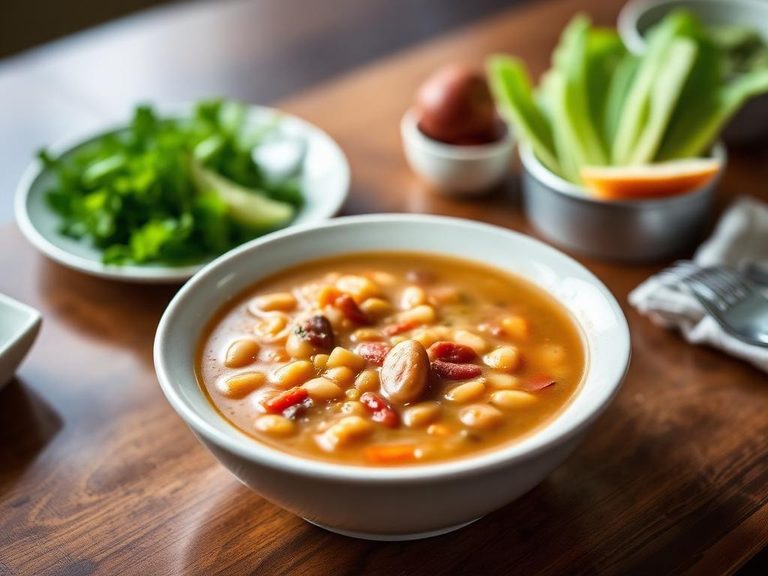
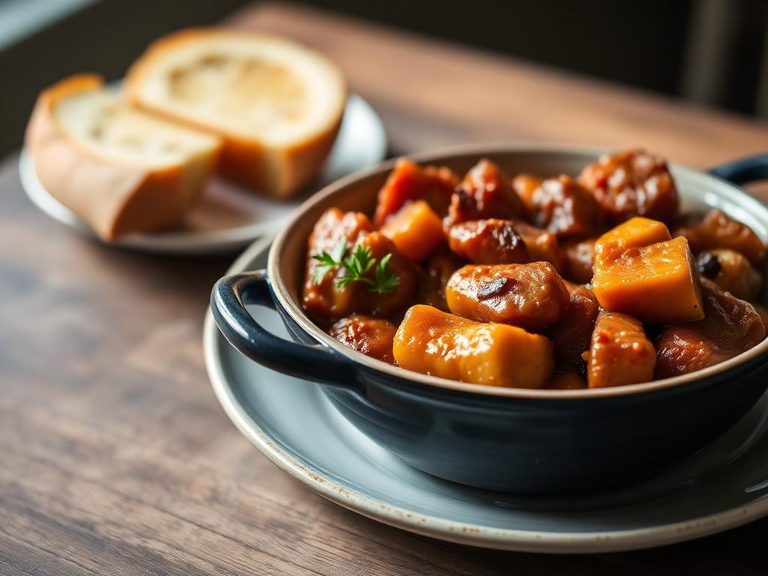
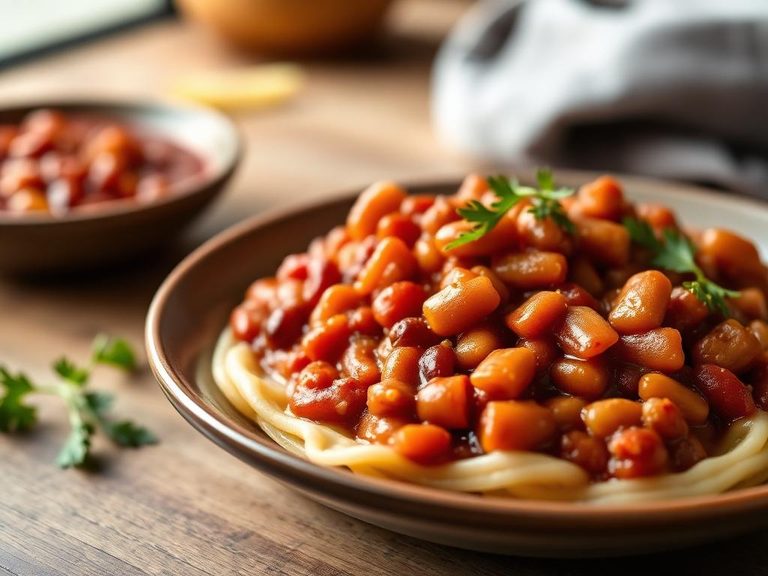
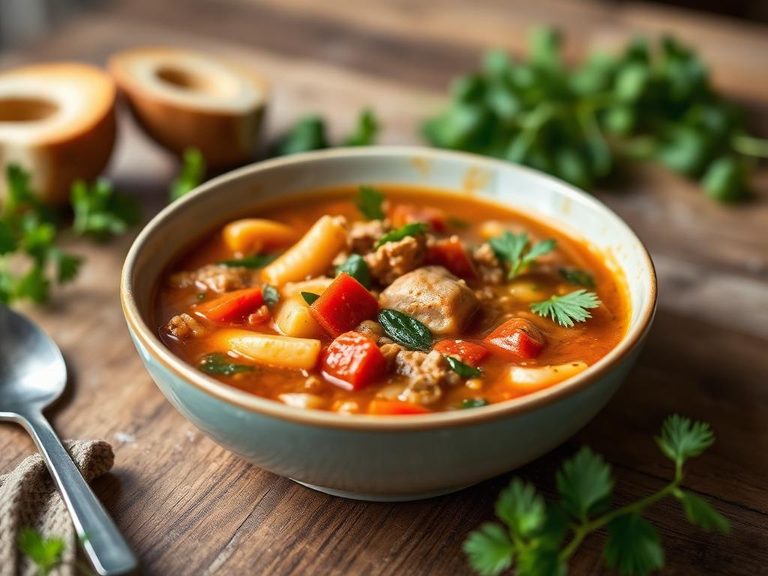
🌍 Where it's eaten
💡 Did you know?
The 'Senate Bean Soup' tradition in the U.S. Capitol dining room has mandated that a bowl of this soup, made with Great Northern beans, ham hocks, and onions, be served every day since at least 1901.
Full nutrition (scales with serving)
| Water | 69.9 g |
| Energy | 114 kcal |
| Energy | 479 kj |
| Protein | 7.4 g |
| Total lipid (fat) | 0.39 g |
| Ash | 1.3 g |
| Carbohydrate, by difference | 21.0 g |
| Fiber, total dietary | 4.9 g |
| Total Sugars | 1.4 g |
| Calcium, Ca | 53.0 mg |
| Iron, Fe | 1.6 mg |
| Magnesium, Mg | 51.0 mg |
| Phosphorus, P | 136 mg |
| Potassium, K | 351 mg |
| Sodium, Na | 177 mg |
| Zinc, Zn | 0.65 mg |
| Copper, Cu | 0.16 mg |
| Manganese, Mn | 0.41 mg |
| Selenium, Se | 4.1 ug |
| Vitamin C, total ascorbic acid | 1.3 mg |
| Thiamin | 0.14 mg |
| Riboflavin | 0.06 mg |
| Niacin | 0.46 mg |
| Pantothenic acid | 0.28 mg |
| Vitamin B-6 | 0.11 mg |
| Folate, total | 81.0 ug |
| Folic acid | 0.00 ug |
| Folate, food | 81.0 ug |
| Folate, DFE | 81.0 ug |
| Choline, total | 29.5 mg |
| Vitamin B-12 | 0.00 ug |
| Vitamin B-12, added | 0.00 ug |
| Vitamin A, RAE | 0.00 ug |
| Retinol | 0.00 ug |
| Carotene, beta | 0.00 ug |
| Carotene, alpha | 0.00 ug |
| Cryptoxanthin, beta | 0.00 ug |
| Vitamin A, IU | 1.0 iu |
| Lycopene | 0.00 ug |
| Lutein + zeaxanthin | 0.00 ug |
| Vitamin E (alpha-tocopherol) | 0.79 mg |
| Vitamin E, added | 0.00 mg |
| Vitamin D (D2 + D3), International Units | 0.00 iu |
| Vitamin D (D2 + D3) | 0.00 ug |
| Vitamin K (phylloquinone) | 3.0 ug |
| Alcohol, ethyl | 0.00 g |
| Caffeine | 0.00 mg |
| Theobromine | 0.00 mg |
Fat & fatty acid profile (per 100g)
| Fatty acids, total saturated | 0.12 g |
| SFA 4:0 | 0.00 g |
| SFA 6:0 | 0.00 g |
| SFA 8:0 | 0.00 g |
| SFA 10:0 | 0.00 g |
| SFA 12:0 | 0.00 g |
| SFA 14:0 | 0.00 g |
| SFA 16:0 | 0.11 g |
| SFA 18:0 | 0.01 g |
| Fatty acids, total monounsaturated | 0.02 g |
| MUFA 16:1 | 0.00 g |
| MUFA 18:1 | 0.02 g |
| MUFA 20:1 | 0.00 g |
| MUFA 22:1 | 0.00 g |
| Fatty acids, total polyunsaturated | 0.16 g |
| PUFA 18:2 | 0.09 g |
| PUFA 18:3 | 0.07 g |
| PUFA 18:4 | 0.00 g |
| PUFA 20:4 | 0.00 g |
| PUFA 20:5 n-3 (EPA) | 0.00 g |
| PUFA 22:5 n-3 (DPA) | 0.00 g |
| PUFA 22:6 n-3 (DHA) | 0.00 g |
| Fatty acids, total trans | 0.00 g |
| Cholesterol | 0.00 mg |
Amino acid profile (per 100g)
| Tryptophan | 0.09 g |
| Threonine | 0.27 g |
| Isoleucine | 0.35 g |
| Leucine | 0.63 g |
| Lysine | 0.52 g |
| Methionine | 0.10 g |
| Cystine | 0.07 g |
| Phenylalanine | 0.43 g |
| Tyrosine | 0.17 g |
| Valine | 0.42 g |
| Arginine | 0.40 g |
| Histidine | 0.20 g |
| Alanine | 0.34 g |
| Aspartic acid | 0.92 g |
| Glutamic acid | 1.2 g |
| Glycine | 0.30 g |
| Proline | 0.42 g |
| Serine | 0.46 g |
FAQ
What's the difference between Great Northern beans and cannellini beans?
Great Northern beans are smaller, oval, and have a slightly firmer texture and milder flavor. Cannellini beans (white kidney beans) are larger, kidney-shaped, and have a creamier, more pronounced bean flavor and softer texture.
Do I need to rinse canned low-sodium beans?
Yes, it's highly recommended. Rinsing can reduce the sodium content by up to 40% and also removes the starchy, sometimes metallic-tasting canning liquid.
Can I use these directly in recipes, or should I cook them more?
They are fully cooked and ready to eat. You can add them directly to soups, salads, or stews. For dishes where they will simmer for a long time, add them later to prevent them from becoming too mushy.