

Yogurt, nonfat milk, plain
Common food
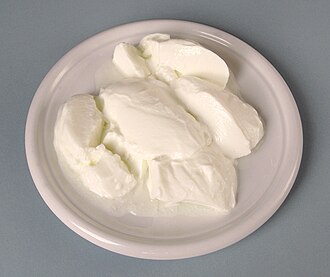
Photo: Wikipedia
This is the quintessential blank canvas of the dairy world: a thick, tangy, and velvety fermented milk product with a clean, mildly acidic flavor. With virtually no fat and a high protein-to-calorie ratio, it's a powerhouse of nutrition that feels light on the palate. Its smooth, spoonable texture makes it a foundational ingredient for countless dishes, from breakfast bowls to savory sauces.
Calorie split: 34% protein · 65% carbs · 2% fat
↓ Full nutrition💚 Why it's loved
People love its incredible versatility—it can be sweetened with fruit, blended into smoothies, or used as a tangy base for savory dishes like raita or tzatziki. Its clean, creamy flavor is a staple in many cultures, from a simple breakfast in Greece to a cooling accompaniment for spicy curries in India.
⚠️ Watch-outs & how to enjoy it better
Its pronounced tanginess can be off-putting to those who prefer sweeter, milder flavors, and its high lactose content (8g per 100g) may cause digestive discomfort for lactose-intolerant individuals. To mitigate this, choose brands with added live cultures (which help break down lactose) or pair it with a small amount of fat (like nuts or seeds) to slow sugar absorption and improve tolerance.
Key benefits
- Excellent source of high-quality protein for muscle repair and satiety.
- Rich in calcium and phosphorus for bone and dental health.
- Contains live probiotic cultures that support gut microbiome diversity.
- Low in calories and fat, making it ideal for weight management.
- Naturally contains B vitamins, including B12 and riboflavin.
🍽️ Popular dishes
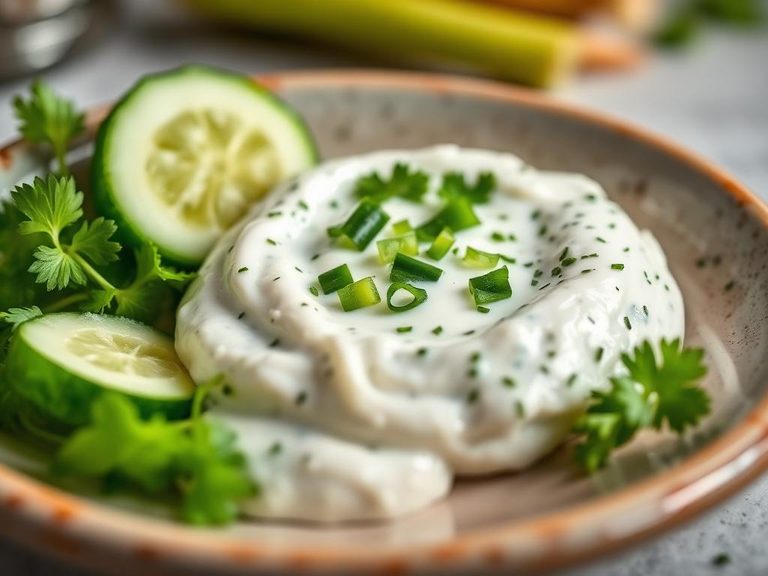 Tzatziki (Greek yogurt dip with cucumber and garlic)
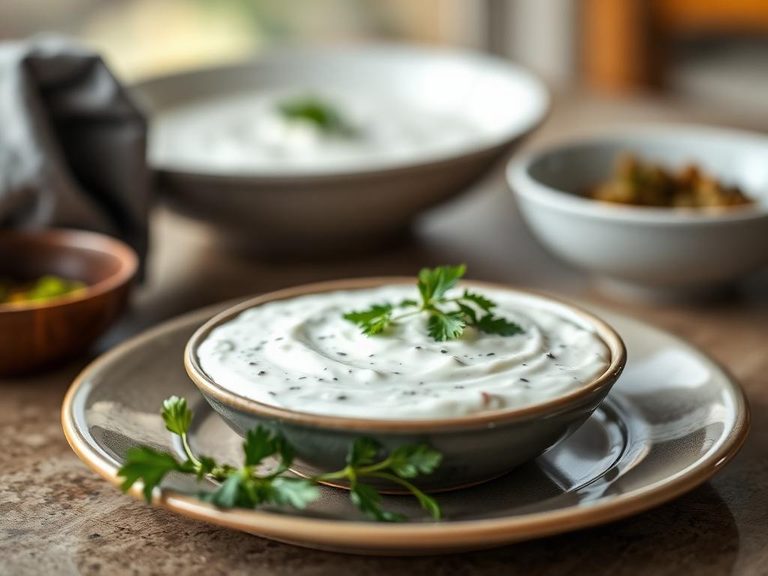 Raita (Indian yogurt condiment with herbs and spices)
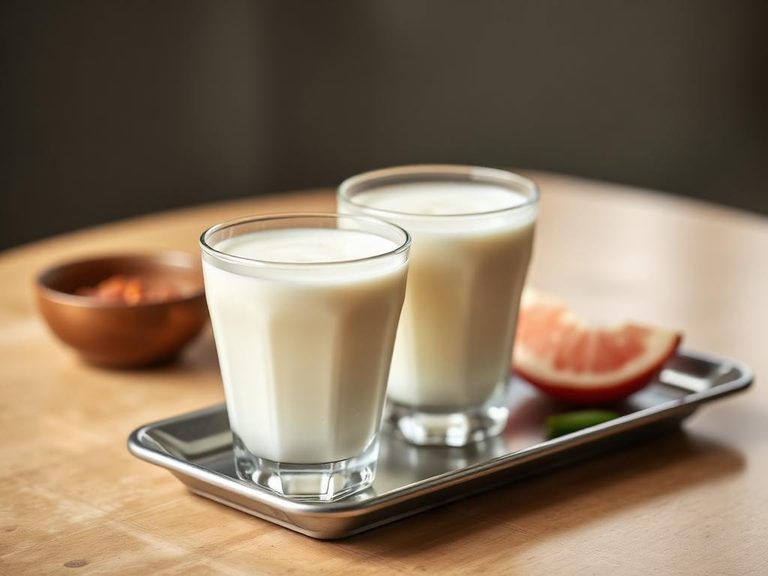 Lassi (Indian yogurt-based drink, sweet or savory)
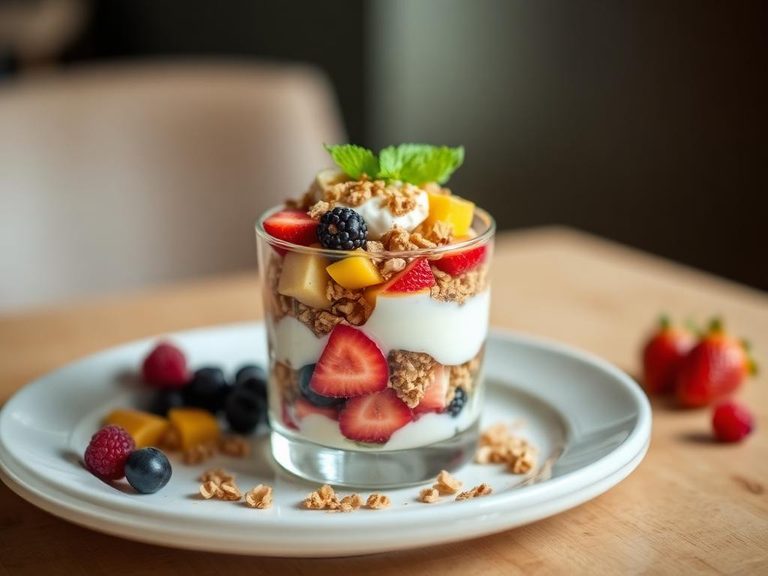 Parfait (layered with granola and fruit)
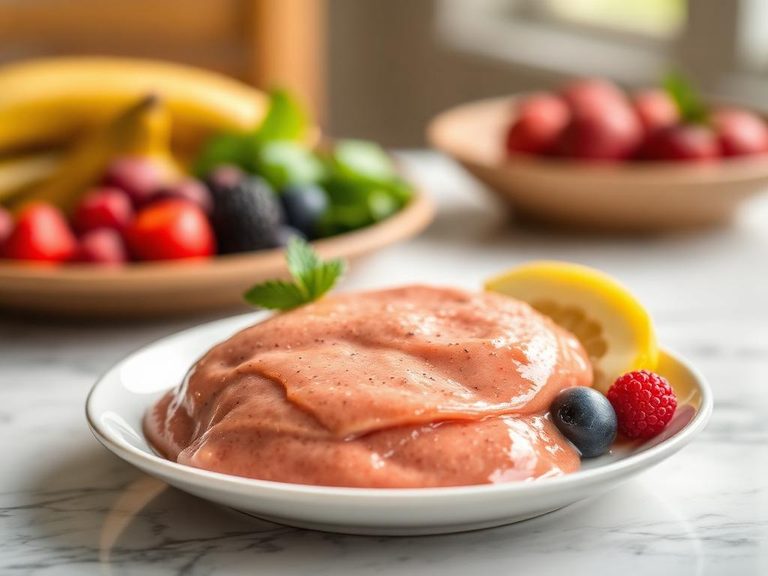 Smoothie base (blended with fruits and vegetables)
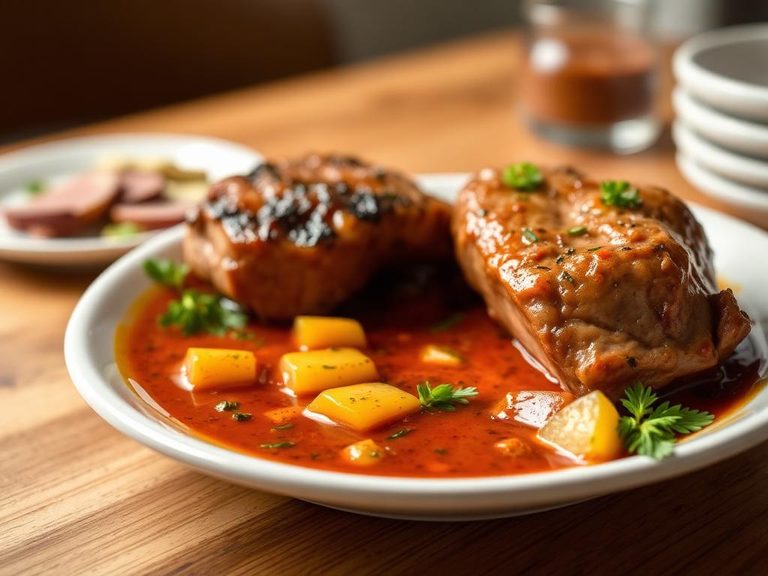 Marinade (for tenderizing meat in Middle Eastern cuisine)
🌍 Where it's eaten
💡 Did you know?
The specific bacterial strains used to ferment yogurt, such as Lactobacillus bulgaricus and Streptococcus thermophilus, were first identified in the 19th century by Bulgarian scientist Stamen Grigorov, who is often called the 'father of yogurt.'
Full nutrition (USDA data · scales with serving)
| Water | 86.6 g |
| Energy | 50.0 kcal |
| Protein | 4.2 g |
| Total lipid (fat) | 0.09 g |
| Carbohydrate, by difference | 8.1 g |
| Fiber, total dietary | 0.00 g |
| Total Sugars | 7.7 g |
| Calcium, Ca | 167 mg |
| Iron, Fe | 0.00 mg |
| Magnesium, Mg | 15.0 mg |
| Phosphorus, P | 127 mg |
| Potassium, K | 210 mg |
| Sodium, Na | 51.0 mg |
| Zinc, Zn | 0.60 mg |
| Copper, Cu | 0.00 mg |
| Selenium, Se | 3.6 ug |
| Vitamin C, total ascorbic acid | 0.90 mg |
| Thiamin | 0.05 mg |
| Riboflavin | 0.23 mg |
| Niacin | 0.12 mg |
| Vitamin B-6 | 0.05 mg |
| Folate, total | 12.0 ug |
| Folic acid | 0.00 ug |
| Folate, food | 12.0 ug |
| Folate, DFE | 12.0 ug |
| Choline, total | 15.2 mg |
| Vitamin B-12 | 0.61 ug |
| Vitamin B-12, added | 0.00 ug |
| Vitamin A, RAE | 0.00 ug |
| Retinol | 0.00 ug |
| Carotene, beta | 0.00 ug |
| Carotene, alpha | 0.00 ug |
| Cryptoxanthin, beta | 0.00 ug |
| Lycopene | 0.00 ug |
| Lutein + zeaxanthin | 0.00 ug |
| Vitamin E (alpha-tocopherol) | 0.00 mg |
| Vitamin E, added | 0.00 mg |
| Vitamin D (D2 + D3) | 1.2 ug |
| Vitamin K (phylloquinone) | 0.20 ug |
| Alcohol, ethyl | 0.00 g |
| Caffeine | 0.00 mg |
| Theobromine | 0.00 mg |
Fat & fatty acid profile (per 100g)
| Fatty acids, total saturated | 0.12 g |
| SFA 4:0 | 0.01 g |
| SFA 6:0 | 0.00 g |
| SFA 8:0 | 0.00 g |
| SFA 10:0 | 0.01 g |
| SFA 12:0 | 0.01 g |
| SFA 14:0 | 0.02 g |
| SFA 16:0 | 0.05 g |
| SFA 18:0 | 0.02 g |
| Fatty acids, total monounsaturated | 0.05 g |
| MUFA 16:1 | 0.00 g |
| MUFA 18:1 | 0.04 g |
| MUFA 20:1 | 0.00 g |
| MUFA 22:1 | 0.00 g |
| Fatty acids, total polyunsaturated | 0.01 g |
| PUFA 18:2 | 0.00 g |
| PUFA 18:3 | 0.00 g |
| PUFA 18:4 | 0.00 g |
| PUFA 20:4 | 0.00 g |
| PUFA 20:5 n-3 (EPA) | 0.00 g |
| PUFA 22:5 n-3 (DPA) | 0.00 g |
| PUFA 22:6 n-3 (DHA) | 0.00 g |
| Cholesterol | 3.0 mg |
Amino acid profile (per 100g)
Estimated from Frozen yogurts, vanilla, soft-serve — USDA does not publish this profile for Yogurt.
| Tryptophan | 0.05 g |
| Threonine | 0.17 g |
| Isoleucine | 0.23 g |
| Leucine | 0.37 g |
| Lysine | 0.30 g |
| Methionine | 0.09 g |
| Cystine | 0.04 g |
| Phenylalanine | 0.18 g |
| Tyrosine | 0.18 g |
| Valine | 0.25 g |
| Arginine | 0.14 g |
| Histidine | 0.10 g |
| Alanine | 0.13 g |
| Aspartic acid | 0.28 g |
| Glutamic acid | 0.79 g |
| Glycine | 0.08 g |
| Proline | 0.36 g |
| Serine | 0.20 g |
FAQ
Is nonfat plain yogurt the same as Greek yogurt?
Not necessarily. Greek yogurt is strained to remove whey, resulting in a thicker, creamier texture and higher protein concentration (around 10g per 100g). Nonfat plain yogurt is unstrained, so it's thinner and has less protein (about 4-5g per 100g) but more carbohydrates and sugar.
Can I use nonfat plain yogurt in baking?
Yes, it's an excellent substitute for sour cream or buttermilk in recipes like muffins, cakes, and pancakes. It adds moisture and a slight tang, and its acidity can react with baking soda to help baked goods rise.
How long does nonfat plain yogurt last after opening?
Once opened, it should be consumed within 5-7 days if stored properly in an airtight container in the refrigerator. Always check for off smells or mold before eating.
Nutrient density (calculated · NRF9.3)
Nutrient Rich Foods index: beneficial nutrients (protein, fiber, vitamins, minerals) minus saturated fat, added sugar & sodium, per 100 kcal.
NRF9.3 index — Fulgoni, Keast & Drewnowski, 2009. Computed from USDA nutrients.
Weight-loss friendliness (composite index)
Energy density 0.50 kcal/g · 34% calories from protein · 0.0 g fiber · 7.7 g sugar per 100 g.
Composite of energy density (Rolls et al., 1999), protein & fiber satiety, minus sugar. A calculated heuristic — ranks satiety-per-calorie, not a clinical measure.
Dietary load (calculated from USDA values)
Potential renal acid load. Positive = acid-forming, negative = alkaline-forming.
Sodium-to-potassium ratio: 0.24 (lower is better — aim for ≤ 1)
Sodium:potassium per WHO potassium guidance. Computed from USDA nutrients.