

Yogurt, nonfat milk, flavors other than fruit
Common food
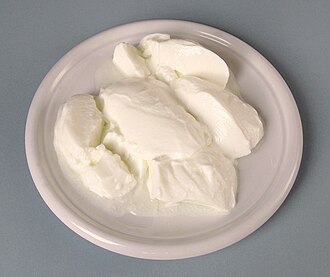
Photo: Wikipedia
This is a smooth, creamy, nonfat yogurt made from skim milk, typically flavored with vanilla, honey, or other non-fruit additions. Its texture is velvety and pourable, offering a mild, tangy base that carries added flavors beautifully. It's a lean protein source with minimal fat, making it a popular choice for health-conscious diets.
Calorie split: 31% protein · 68% carbs · 2% fat
↓ Full nutrition💚 Why it's loved
People love its versatile, mild tanginess that serves as a blank canvas for both sweet and savory applications. It's a cultural staple in many cuisines, from breakfast bowls to cooling sauces, valued for its simplicity and nutritional punch.
⚠️ Watch-outs & how to enjoy it better
The added sugars in flavored varieties can lead to blood-sugar spikes, making it less ideal for diabetics or those monitoring sugar intake. Those with lactose intolerance may experience digestive discomfort. To counteract, opt for plain versions and sweeten yourself with fruit or a touch of honey, or pair it with high-fiber foods like oats or nuts to slow sugar absorption.
Key benefits
- High in protein for muscle maintenance and satiety
- Very low in fat, suitable for low-fat diets
- Contains probiotics that support gut health
- Good source of calcium and phosphorus for bone health
- Provides B vitamins like B12 and riboflavin
🍽️ Popular dishes

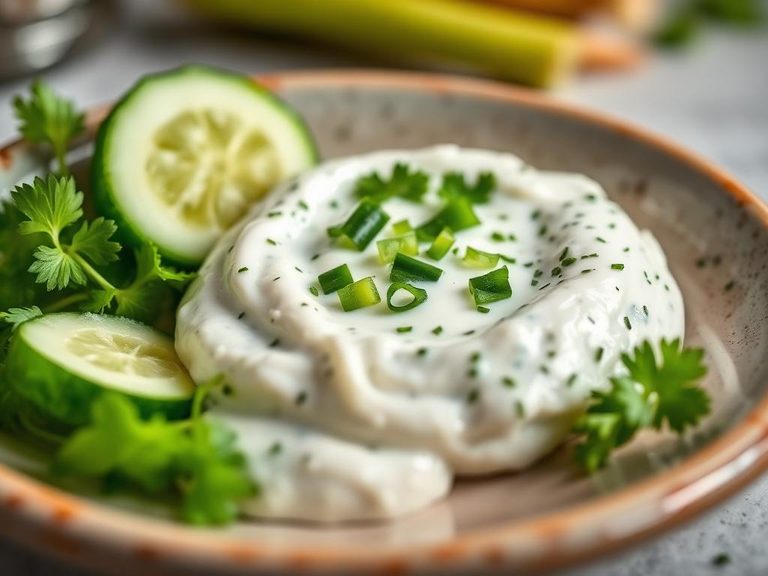
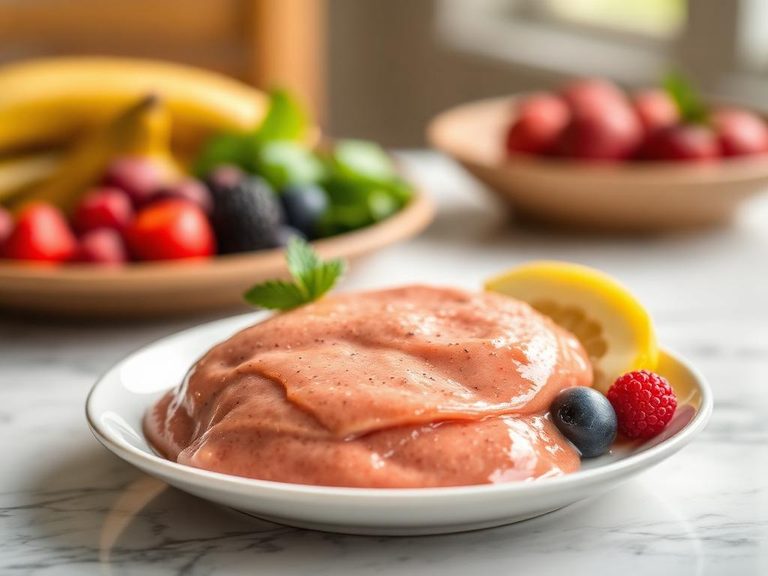
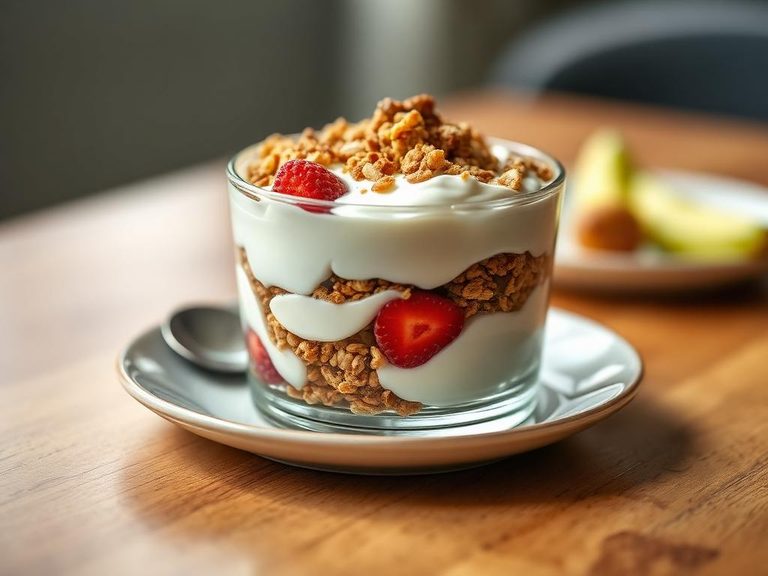

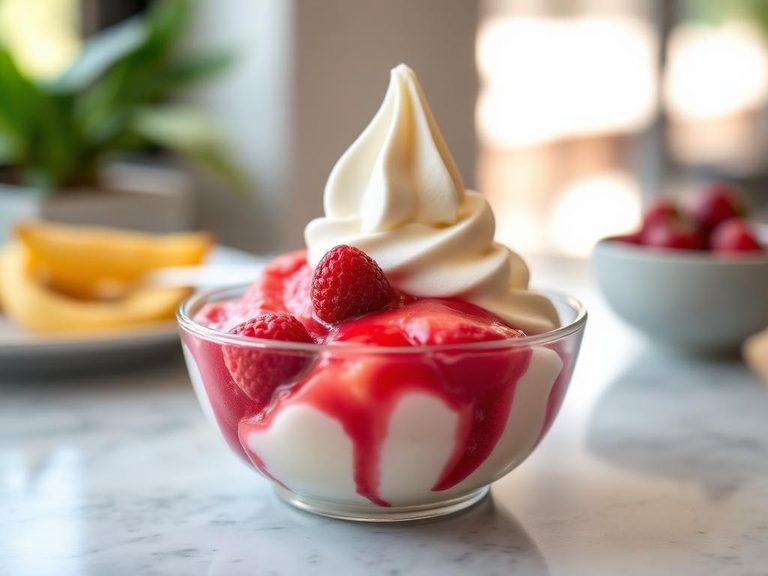
🌍 Where it's eaten
💡 Did you know?
The bacterial cultures used in yogurt, like Lactobacillus bulgaricus, were first scientifically described by Bulgarian microbiologist Stamen Grigorov in 1905.
Full nutrition (USDA data · scales with serving)
| Water | 87.4 g |
| Energy | 47.0 kcal |
| Protein | 3.6 g |
| Total lipid (fat) | 0.08 g |
| Carbohydrate, by difference | 7.9 g |
| Fiber, total dietary | 0.00 g |
| Total Sugars | 7.6 g |
| Calcium, Ca | 144 mg |
| Iron, Fe | 0.00 mg |
| Magnesium, Mg | 13.0 mg |
| Phosphorus, P | 109 mg |
| Potassium, K | 181 mg |
| Sodium, Na | 44.0 mg |
| Zinc, Zn | 0.52 mg |
| Copper, Cu | 0.00 mg |
| Selenium, Se | 3.1 ug |
| Vitamin C, total ascorbic acid | 0.80 mg |
| Thiamin | 0.04 mg |
| Riboflavin | 0.20 mg |
| Niacin | 0.11 mg |
| Vitamin B-6 | 0.05 mg |
| Folate, total | 10.0 ug |
| Folic acid | 0.00 ug |
| Folate, food | 10.0 ug |
| Folate, DFE | 10.0 ug |
| Choline, total | 13.1 mg |
| Vitamin B-12 | 0.52 ug |
| Vitamin B-12, added | 0.00 ug |
| Vitamin A, RAE | 0.00 ug |
| Retinol | 0.00 ug |
| Carotene, beta | 0.00 ug |
| Carotene, alpha | 0.00 ug |
| Cryptoxanthin, beta | 0.00 ug |
| Lycopene | 0.00 ug |
| Lutein + zeaxanthin | 0.00 ug |
| Vitamin E (alpha-tocopherol) | 0.00 mg |
| Vitamin E, added | 0.00 mg |
| Vitamin D (D2 + D3) | 1.2 ug |
| Vitamin K (phylloquinone) | 0.20 ug |
| Alcohol, ethyl | 0.00 g |
| Caffeine | 0.00 mg |
| Theobromine | 0.00 mg |
Fat & fatty acid profile (per 100g)
| Fatty acids, total saturated | 0.10 g |
| SFA 4:0 | 0.00 g |
| SFA 6:0 | 0.00 g |
| SFA 8:0 | 0.00 g |
| SFA 10:0 | 0.00 g |
| SFA 12:0 | 0.01 g |
| SFA 14:0 | 0.02 g |
| SFA 16:0 | 0.04 g |
| SFA 18:0 | 0.01 g |
| Fatty acids, total monounsaturated | 0.04 g |
| MUFA 16:1 | 0.00 g |
| MUFA 18:1 | 0.04 g |
| MUFA 20:1 | 0.00 g |
| MUFA 22:1 | 0.00 g |
| Fatty acids, total polyunsaturated | 0.00 g |
| PUFA 18:2 | 0.00 g |
| PUFA 18:3 | 0.00 g |
| PUFA 18:4 | 0.00 g |
| PUFA 20:4 | 0.00 g |
| PUFA 20:5 n-3 (EPA) | 0.00 g |
| PUFA 22:5 n-3 (DPA) | 0.00 g |
| PUFA 22:6 n-3 (DHA) | 0.00 g |
| Cholesterol | 3.0 mg |
Amino acid profile (per 100g)
Estimated from Frozen yogurts, vanilla, soft-serve — USDA does not publish this profile for Yogurt.
| Tryptophan | 0.05 g |
| Threonine | 0.17 g |
| Isoleucine | 0.23 g |
| Leucine | 0.37 g |
| Lysine | 0.30 g |
| Methionine | 0.09 g |
| Cystine | 0.04 g |
| Phenylalanine | 0.18 g |
| Tyrosine | 0.18 g |
| Valine | 0.25 g |
| Arginine | 0.14 g |
| Histidine | 0.10 g |
| Alanine | 0.13 g |
| Aspartic acid | 0.28 g |
| Glutamic acid | 0.79 g |
| Glycine | 0.08 g |
| Proline | 0.36 g |
| Serine | 0.20 g |
FAQ
Is nonfat flavored yogurt as healthy as plain yogurt?
Not necessarily. Flavored varieties often contain significant added sugars, which can negate some health benefits. Plain nonfat yogurt allows you to control the sweetness and flavor yourself.
Can I use nonfat flavored yogurt in baking?
Yes, it can substitute for oil or butter in some muffin, cake, or pancake recipes to reduce fat and add moisture, though the flavor may be slightly tangy.
How does the protein content compare to milk?
Yogurt generally has a slightly higher concentration of protein than milk due to the straining or fermentation process, making it more satiating per serving.
Nutrient density (calculated · NRF9.3)
Nutrient Rich Foods index: beneficial nutrients (protein, fiber, vitamins, minerals) minus saturated fat, added sugar & sodium, per 100 kcal.
NRF9.3 index — Fulgoni, Keast & Drewnowski, 2009. Computed from USDA nutrients.
Weight-loss friendliness (composite index)
Energy density 0.47 kcal/g · 31% calories from protein · 0.0 g fiber · 7.6 g sugar per 100 g.
Composite of energy density (Rolls et al., 1999), protein & fiber satiety, minus sugar. A calculated heuristic — ranks satiety-per-calorie, not a clinical measure.
Dietary load (calculated from USDA values)
Potential renal acid load. Positive = acid-forming, negative = alkaline-forming.
Sodium-to-potassium ratio: 0.24 (lower is better — aim for ≤ 1)
Sodium:potassium per WHO potassium guidance. Computed from USDA nutrients.