

Frozen Yogurt
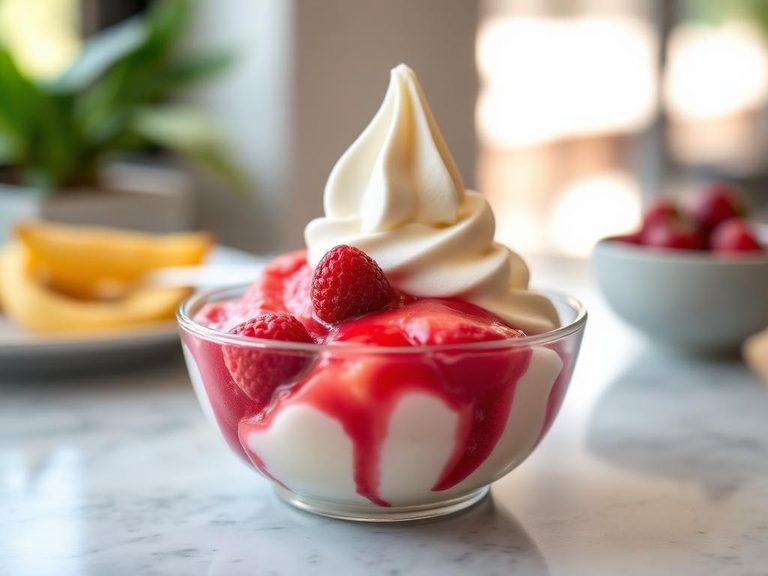
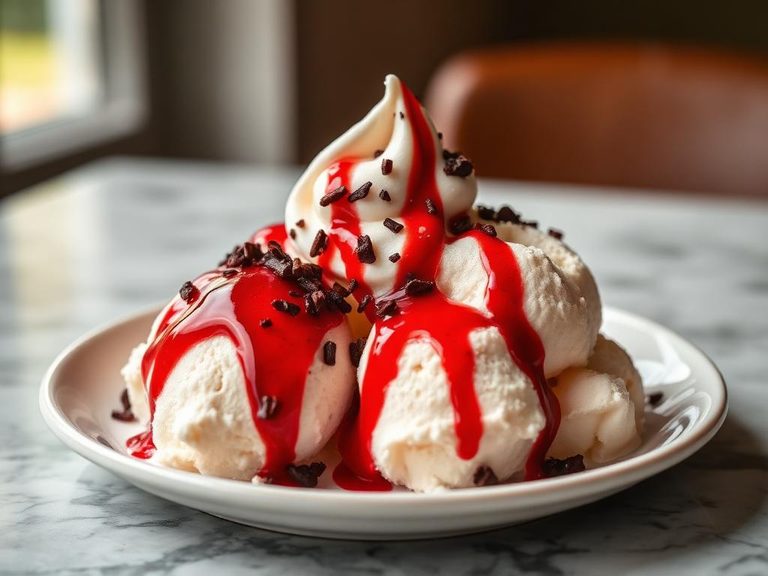
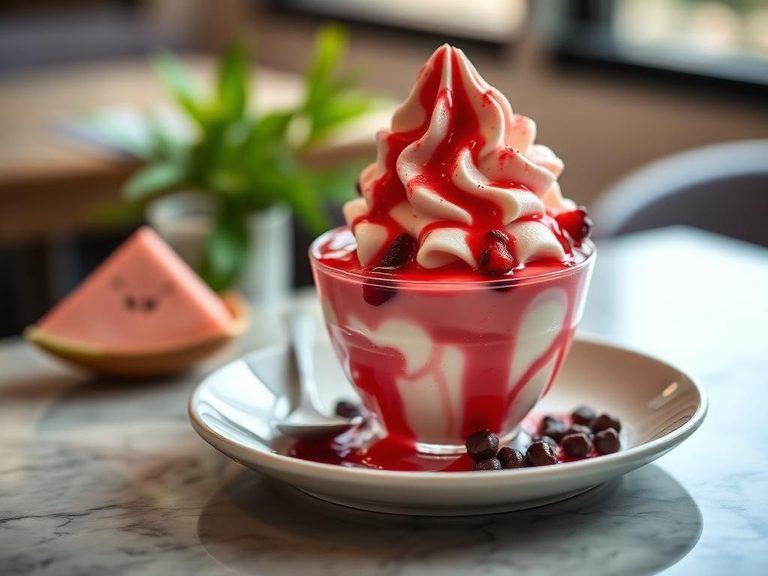
Frozen yogurt, often called 'froyo,' is a creamy, tangy dessert made by fermenting milk with yogurt cultures before freezing. It typically includes milk, sugar, and live active cultures, and is often topped with fruits, nuts, or syrups. While its origins trace back to ancient dairy traditions, the modern commercial version gained popularity in the United States in the 1970s and 80s.
🍳 View the full Frozen Yogurt recipe →
🍽️ Nutrition at a glance
Frozen yogurt is generally moderate in carbohydrates from added sugars, with a small amount of protein and fat from the dairy base. A standard half-cup serving usually contains around 100-150 calories and can provide calcium, probiotics, and sometimes vitamin D, depending on the formulation.
Nutrition breakdown
| Calories | 220 kcal |
| Protein | 4 g |
| Carbs | 38 g |
| Fat | 6 g |
| Fiber | 0 g |
| Sugar | 32 g |
| Sodium | 100 mg |
| Calcium | 150 mg |
| Phosphorus | 120 mg |
| Potassium | 250 mg |
| Vitamin A | 200 IU |
| Vitamin C | 1 mg |
| Vitamin B12 | 0.3 mcg |
| Riboflavin | 0.2 mg |
| Zinc | 0.5 mg |
Per 1 cup (240 g) · estimated, varies by recipe
💡 What's interesting
Culturally, frozen yogurt experienced a massive boom in the 1980s as a 'healthier' ice cream alternative, and its self-serve topping bar model became a social phenomenon. Nutritionally, it's unique for potentially offering live probiotic cultures, which may support gut health, though the benefits can vary by brand and processing.
🍽️ Related dishes
AI estimate may be inaccurate · Terms