

Tahini
Common food

Photo: Wikipedia
Tahini is a thick, creamy paste made from ground sesame seeds, prized for its rich, nutty, and slightly bitter flavor with a velvety, pourable texture. It is a nutritional powerhouse, exceptionally high in healthy fats and a good source of plant-based protein and fiber. This staple ingredient is the backbone of hummus and a cornerstone of Middle Eastern and Mediterranean cuisines.
Calorie split: 11% protein · 8% carbs · 81% fat
↓ Full nutrition💚 Why it's loved
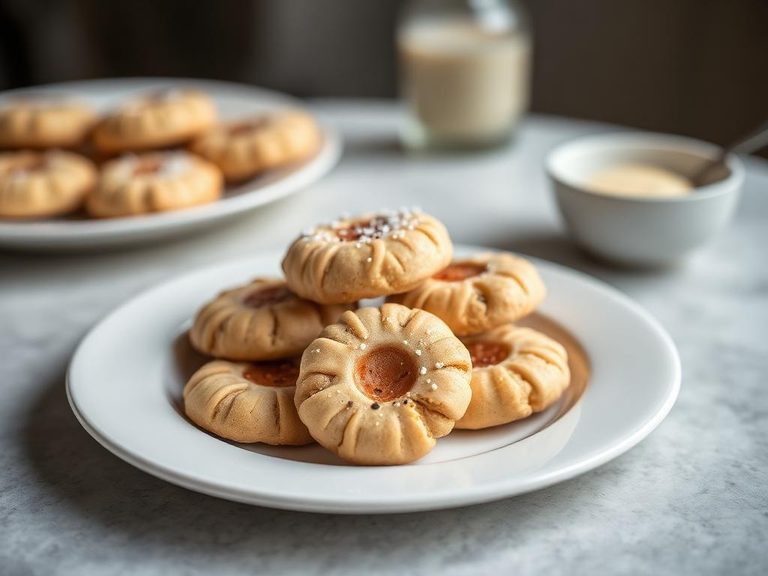
People adore tahini for its deep, savory umami flavor that can be both nutty and slightly smoky, adding a luxurious richness to both sweet and savory dishes. Its incredible versatility makes it a beloved ingredient, from being the star of hummus to a drizzle for roasted vegetables or a base for salad dressings and cookies.
⚠️ Watch-outs & how to enjoy it better
Due to its very high fat content (62.4g per 100g), tahini is calorie-dense, so portion control is key for those monitoring calorie intake. It is also a common allergen (sesame), and its slightly bitter taste can be off-putting to some palates. To counteract bitterness, look for brands made from hulled seeds or balance it with lemon juice, garlic, or a touch of sweetener in recipes.
Key benefits
- Excellent source of heart-healthy monounsaturated and polyunsaturated fats.
- Good plant-based source of protein (19.71g per 100g).
- Rich in minerals like copper, manganese, and phosphorus.
- Contains lignans (sesamin and sesamolin) with antioxidant properties.
- High in fiber (8.4g per 100g) which supports digestive health.
🍽️ Popular dishes
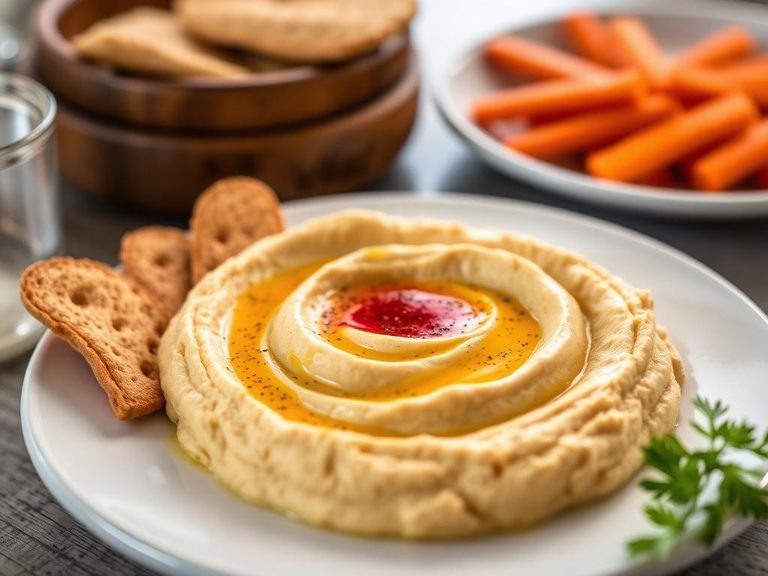
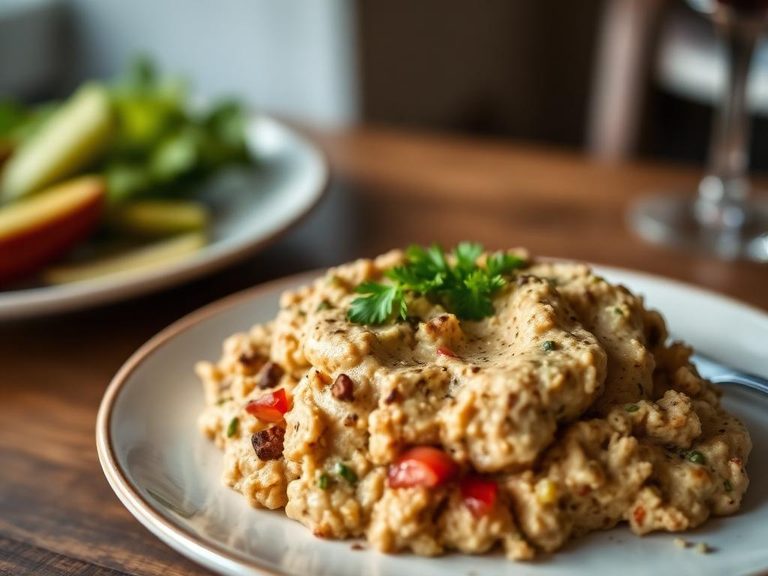
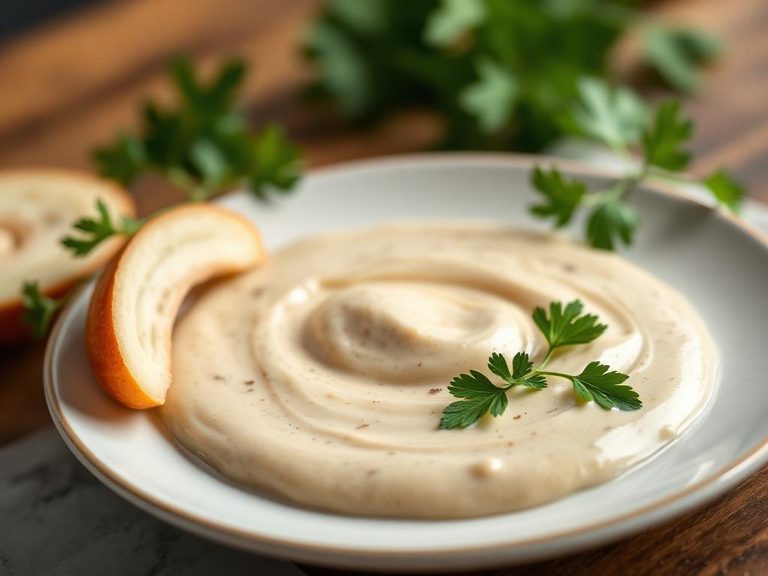
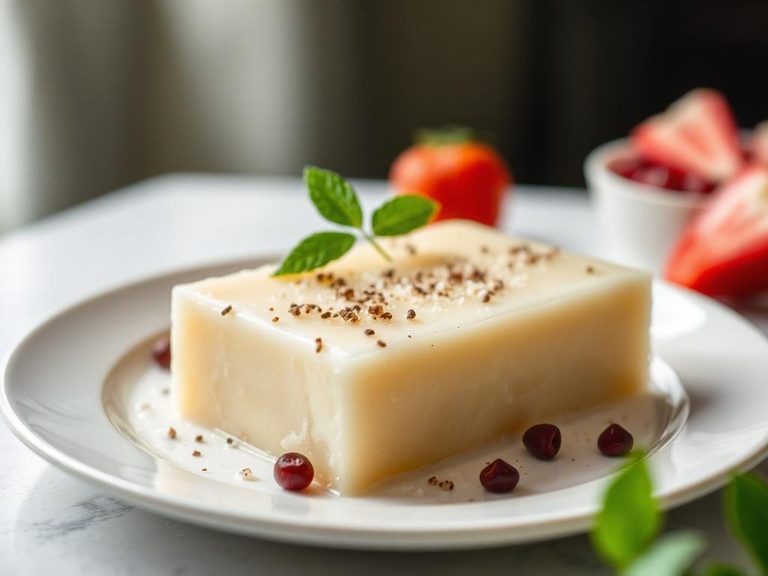
🌍 Where it's eaten
💡 Did you know?
The word 'tahini' comes from the Arabic 'ṭaḥīniyya', but the paste itself is believed to have originated in ancient Persia (modern-day Iran) over 4,000 years ago, where sesame was a major crop.
Full nutrition (USDA data · scales with serving)
| Water | 0.61 g |
| Energy | 697 kcal |
| Protein | 19.7 g |
| Total lipid (fat) | 62.4 g |
| Carbohydrate, by difference | 14.2 g |
| Fiber, total dietary | 8.4 g |
| Total Sugars | 0.49 g |
| Calcium, Ca | 116 mg |
| Iron, Fe | 7.0 mg |
| Magnesium, Mg | 357 mg |
| Phosphorus, P | 719 mg |
| Potassium, K | 408 mg |
| Sodium, Na | 64.0 mg |
| Zinc, Zn | 6.0 mg |
| Copper, Cu | 1.6 mg |
| Selenium, Se | 46.5 ug |
| Vitamin C, total ascorbic acid | 0.00 mg |
| Thiamin | 0.99 mg |
| Riboflavin | 0.47 mg |
| Niacin | 5.8 mg |
| Vitamin B-6 | 0.59 mg |
| Folate, total | 108 ug |
| Folic acid | 0.00 ug |
| Folate, food | 108 ug |
| Folate, DFE | 108 ug |
| Choline, total | 25.8 mg |
| Vitamin B-12 | 0.00 ug |
| Vitamin B-12, added | 0.00 ug |
| Vitamin A, RAE | 3.0 ug |
| Retinol | 0.00 ug |
| Carotene, beta | 40.0 ug |
| Carotene, alpha | 0.00 ug |
| Cryptoxanthin, beta | 0.00 ug |
| Lycopene | 0.00 ug |
| Lutein + zeaxanthin | 0.00 ug |
| Vitamin E (alpha-tocopherol) | 0.00 mg |
| Vitamin E, added | 0.00 mg |
| Vitamin D (D2 + D3) | 0.00 ug |
| Vitamin K (phylloquinone) | 1.7 ug |
| Alcohol, ethyl | 0.00 g |
| Caffeine | 0.00 mg |
| Theobromine | 0.00 mg |
Fat & fatty acid profile (per 100g)
| Fatty acids, total saturated | 9.0 g |
| SFA 4:0 | 0.00 g |
| SFA 6:0 | 0.00 g |
| SFA 8:0 | 0.00 g |
| SFA 10:0 | 0.00 g |
| SFA 12:0 | 0.00 g |
| SFA 14:0 | 0.13 g |
| SFA 16:0 | 5.3 g |
| SFA 18:0 | 3.1 g |
| Fatty acids, total monounsaturated | 22.6 g |
| MUFA 16:1 | 0.16 g |
| MUFA 18:1 | 22.4 g |
| MUFA 20:1 | 0.12 g |
| MUFA 22:1 | 0.00 g |
| Fatty acids, total polyunsaturated | 26.4 g |
| PUFA 18:2 | 26.1 g |
| PUFA 18:3 | 0.25 g |
| PUFA 18:4 | 0.00 g |
| PUFA 20:4 | 0.00 g |
| PUFA 20:5 n-3 (EPA) | 0.00 g |
| PUFA 22:5 n-3 (DPA) | 0.00 g |
| PUFA 22:6 n-3 (DHA) | 0.00 g |
| Cholesterol | 0.00 mg |
Amino acid profile (per 100g)
Estimated from Seeds, sesame butter, tahini, from unroasted kernels (non-chemically removed seed coat) — USDA does not publish this profile for Tahini.
| Tryptophan | 0.39 g |
| Threonine | 0.74 g |
| Isoleucine | 0.77 g |
| Leucine | 1.4 g |
| Lysine | 0.58 g |
| Methionine | 0.59 g |
| Cystine | 0.36 g |
| Phenylalanine | 0.95 g |
| Tyrosine | 0.75 g |
| Valine | 1.0 g |
| Arginine | 2.7 g |
| Histidine | 0.53 g |
| Alanine | 0.94 g |
| Aspartic acid | 1.7 g |
| Glutamic acid | 4.0 g |
| Glycine | 1.2 g |
| Proline | 0.82 g |
| Serine | 0.98 g |
FAQ
What's the difference between tahini and hummus?
Tahini is a pure paste made only from ground sesame seeds. Hummus is a dip or spread made by blending tahini with cooked chickpeas, lemon juice, garlic, and olive oil.
Is tahini healthy for you?
Yes, in moderation. It's nutrient-dense, rich in healthy fats, protein, and minerals. However, it's also very high in calories, so a tablespoon or two is a typical serving.
Why does my tahini taste bitter?
Bitterness is natural and comes from the sesame seed hulls. 'Hulled' tahini (made from seeds with hulls removed) is typically milder. You can also balance bitterness in recipes with lemon, garlic, or a touch of sweetener.
How should I store tahini?
Store it in a cool, dark place like a pantry. Once opened, it's best to refrigerate to prevent the oil from going rancid. It can last for months in the fridge.
Nutrient density (calculated · NRF9.3)
Nutrient Rich Foods index: beneficial nutrients (protein, fiber, vitamins, minerals) minus saturated fat, added sugar & sodium, per 100 kcal.
NRF9.3 index — Fulgoni, Keast & Drewnowski, 2009. Computed from USDA nutrients.
Weight-loss friendliness (composite index)
Energy density 6.97 kcal/g · 11% calories from protein · 8.4 g fiber · 0.5 g sugar per 100 g.
Composite of energy density (Rolls et al., 1999), protein & fiber satiety, minus sugar. A calculated heuristic — ranks satiety-per-calorie, not a clinical measure.
Dietary load (calculated from USDA values)
Potential renal acid load. Positive = acid-forming, negative = alkaline-forming.
Sodium-to-potassium ratio: 0.16 (lower is better — aim for ≤ 1)
Sodium:potassium per WHO potassium guidance. Computed from USDA nutrients.