

Sweet potato, cooked, as ingredient
Common food
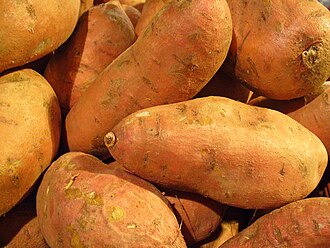
Photo: Wikipedia
A vibrant, naturally sweet root vegetable, cooked sweet potato offers a soft, creamy texture and a flavor that ranges from subtly earthy to richly caramelized. Its brilliant orange flesh is a powerhouse of beta-carotene, which the body converts to vitamin A. With a low glycemic load and a good dose of fiber, it provides sustained energy without a sharp blood sugar spike.
Calorie split: 8% protein · 88% carbs · 4% fat
↓ Full nutrition💚 Why it's loved
People adore its comforting, naturally sweet flavor that shines with minimal seasoning, making it a beloved staple from simple home cooking to gourmet dishes. Its incredible versatility allows it to be baked, mashed, roasted, or fried, fitting seamlessly into both savory and sweet preparations across countless cuisines.
⚠️ Watch-outs & how to enjoy it better
Its natural sugars can contribute to a higher glycemic index than some vegetables, which may be a consideration for strict blood sugar management. To mitigate this, pair it with a source of protein or healthy fat (like nuts, cheese, or olive oil) and keep portions moderate. Some varieties can be high in oxalates, so those prone to kidney stones should consult a doctor.
Key benefits
- Excellent source of beta-carotene (vitamin A precursor)
- High in dietary fiber for digestive health
- Rich in potassium for heart and muscle function
- Contains antioxidants like anthocyanins in purple varieties
- Provides complex carbohydrates for steady energy
🍽️ Popular dishes

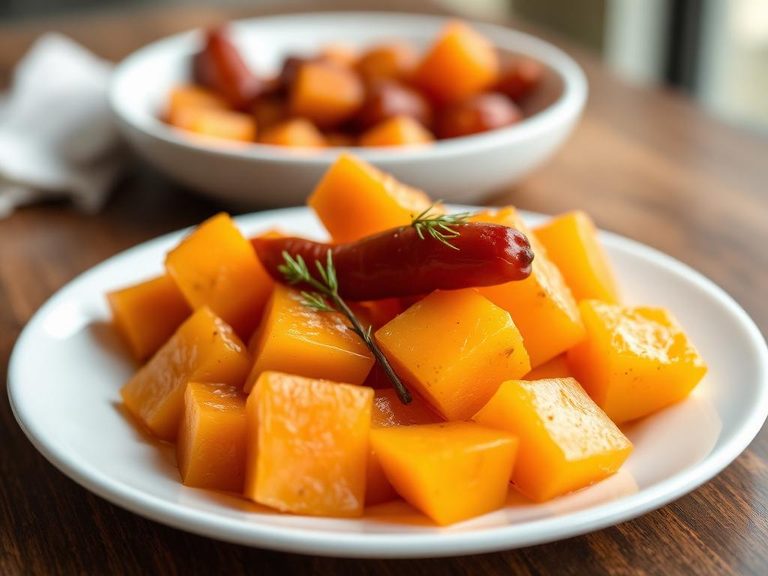
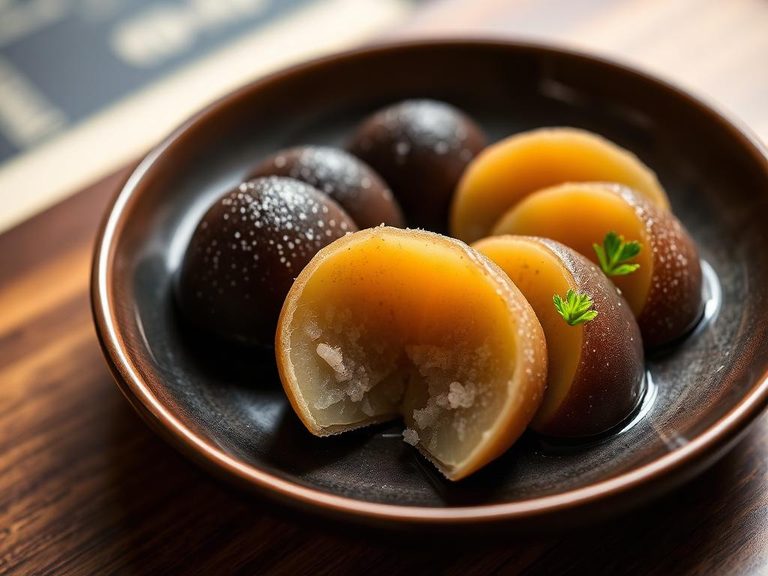


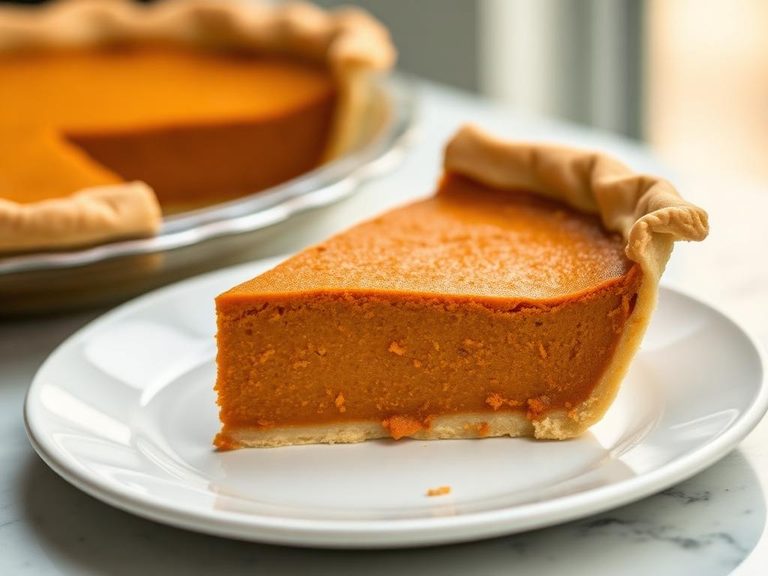
🌍 Where it's eaten
💡 Did you know?
The name 'yam' in the United States often refers to a soft-fleshed sweet potato variety, while true yams are a different, starchier tuber from Africa and Asia.
Full nutrition (USDA data · scales with serving)
| Water | 78.7 g |
| Energy | 82.0 kcal |
| Protein | 1.6 g |
| Total lipid (fat) | 0.40 g |
| Carbohydrate, by difference | 18.1 g |
| Fiber, total dietary | 3.1 g |
| Total Sugars | 6.3 g |
| Calcium, Ca | 23.0 mg |
| Iron, Fe | 0.42 mg |
| Magnesium, Mg | 20.0 mg |
| Phosphorus, P | 39.0 mg |
| Potassium, K | 506 mg |
| Sodium, Na | 0.00 mg |
| Zinc, Zn | 0.35 mg |
| Copper, Cu | 0.20 mg |
| Selenium, Se | 0.00 ug |
| Vitamin C, total ascorbic acid | 13.1 mg |
| Thiamin | 0.04 mg |
| Riboflavin | 0.06 mg |
| Niacin | 0.43 mg |
| Vitamin B-6 | 0.12 mg |
| Folate, total | 10.0 ug |
| Folic acid | 0.00 ug |
| Folate, food | 10.0 ug |
| Folate, DFE | 10.0 ug |
| Choline, total | 12.8 mg |
| Vitamin B-12 | 0.00 ug |
| Vitamin B-12, added | 0.00 ug |
| Vitamin A, RAE | 702 ug |
| Retinol | 0.00 ug |
| Carotene, beta | 8420 ug |
| Carotene, alpha | 7.0 ug |
| Cryptoxanthin, beta | 0.00 ug |
| Lycopene | 0.00 ug |
| Lutein + zeaxanthin | 0.00 ug |
| Vitamin E (alpha-tocopherol) | 0.27 mg |
| Vitamin E, added | 0.00 mg |
| Vitamin D (D2 + D3) | 0.00 ug |
| Vitamin K (phylloquinone) | 0.20 ug |
| Alcohol, ethyl | 0.00 g |
| Caffeine | 0.00 mg |
| Theobromine | 0.00 mg |
Fat & fatty acid profile (per 100g)
| Fatty acids, total saturated | 0.02 g |
| SFA 4:0 | 0.00 g |
| SFA 6:0 | 0.00 g |
| SFA 8:0 | 0.00 g |
| SFA 10:0 | 0.00 g |
| SFA 12:0 | 0.00 g |
| SFA 14:0 | 0.00 g |
| SFA 16:0 | 0.02 g |
| SFA 18:0 | 0.00 g |
| Fatty acids, total monounsaturated | 0.00 g |
| MUFA 16:1 | 0.00 g |
| MUFA 18:1 | 0.00 g |
| MUFA 20:1 | 0.00 g |
| MUFA 22:1 | 0.00 g |
| Fatty acids, total polyunsaturated | 0.01 g |
| PUFA 18:2 | 0.01 g |
| PUFA 18:3 | 0.00 g |
| PUFA 18:4 | 0.00 g |
| PUFA 20:4 | 0.00 g |
| PUFA 20:5 n-3 (EPA) | 0.00 g |
| PUFA 22:5 n-3 (DPA) | 0.00 g |
| PUFA 22:6 n-3 (DHA) | 0.00 g |
| Cholesterol | 0.00 mg |
Amino acid profile (per 100g)
Estimated from Snacks, sweet potato chips, unsalted — USDA does not publish this profile for Sweet potato.
| Tryptophan | 0.10 g |
| Threonine | 0.26 g |
| Isoleucine | 0.17 g |
| Leucine | 0.29 g |
| Lysine | 0.20 g |
| Methionine | 0.09 g |
| Cystine | 0.07 g |
| Phenylalanine | 0.28 g |
| Tyrosine | 0.11 g |
| Valine | 0.27 g |
| Arginine | 0.17 g |
| Histidine | 0.10 g |
| Alanine | 0.24 g |
| Aspartic acid | 1.2 g |
| Glutamic acid | 0.48 g |
| Glycine | 0.20 g |
| Proline | 0.16 g |
| Serine | 0.28 g |
FAQ
What's the difference between a sweet potato and a yam?
In the U.S., the terms are often used interchangeably, but they are different plants. True yams are starchy, cylindrical tubers from Africa with rough, bark-like skin. Sweet potatoes are the softer, sweeter root vegetable with smooth skin, native to the Americas.
How can I get the most beta-carotene from sweet potatoes?
Beta-carotene is fat-soluble, so cooking sweet potatoes with a small amount of healthy fat (like olive oil or butter) significantly increases your body's absorption of this nutrient.
Why do some sweet potatoes have white spots inside?
Those white, milky spots or streaks are called 'sugar spots.' They are simply deposits of starch that haven't converted to sugar, and they are perfectly safe to eat. They often appear when the potato is cooked at a lower temperature.
Nutrient density (calculated · NRF9.3)
Nutrient Rich Foods index: beneficial nutrients (protein, fiber, vitamins, minerals) minus saturated fat, added sugar & sodium, per 100 kcal.
NRF9.3 index — Fulgoni, Keast & Drewnowski, 2009. Computed from USDA nutrients.
Weight-loss friendliness (composite index)
Energy density 0.82 kcal/g · 8% calories from protein · 3.1 g fiber · 6.3 g sugar per 100 g.
Composite of energy density (Rolls et al., 1999), protein & fiber satiety, minus sugar. A calculated heuristic — ranks satiety-per-calorie, not a clinical measure.
Dietary load (calculated from USDA values)
Potential renal acid load. Positive = acid-forming, negative = alkaline-forming.
Sodium-to-potassium ratio: 0.00 (lower is better — aim for ≤ 1)
Sodium:potassium per WHO potassium guidance. Computed from USDA nutrients.