

Squash, summer, all varieties, cooked, boiled, drained, with salt
Whole food · Vegetables and Vegetable Products
Summer squash, when boiled and lightly salted, transforms into a tender, subtly sweet vegetable with a delicate, almost buttery texture. Its pale flesh absorbs seasonings beautifully while retaining a pleasant, slight bite. At just 20 calories per 100g, it's a nutrient-dense, low-energy food that provides modest fiber and a touch of natural sugar.
Calorie split: 15% protein · 73% carbs · 12% fat
↓ Full nutrition💚 Why it's loved
People love it for its mild, crowd-pleasing flavor that acts as a perfect canvas for herbs, garlic, or a squeeze of lemon. Its quick cooking time and ability to complement both light and hearty dishes make it a weeknight staple.
⚠️ Watch-outs & how to enjoy it better
The mild flavor can become bland or waterlogged if overcooked, and the added salt increases sodium content. To counteract this, cook it al dente (just until tender) and season with salt at the very end, or use herbs, spices, and acidic ingredients like vinegar or tomatoes to boost flavor without extra sodium. Those monitoring blood sugar should note its modest sugar content, which is generally low but can add up in large portions.
Key benefits
- Very low calorie density for weight management
- Good source of hydration due to high water content
- Provides modest dietary fiber for digestive health
- Contains vitamin C and manganese for immune and bone support
- Versatile base for adding other nutrient-rich ingredients
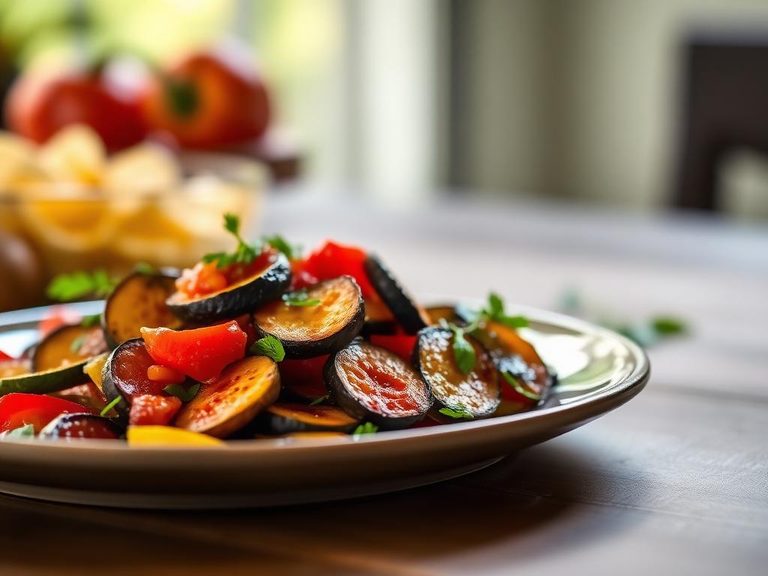
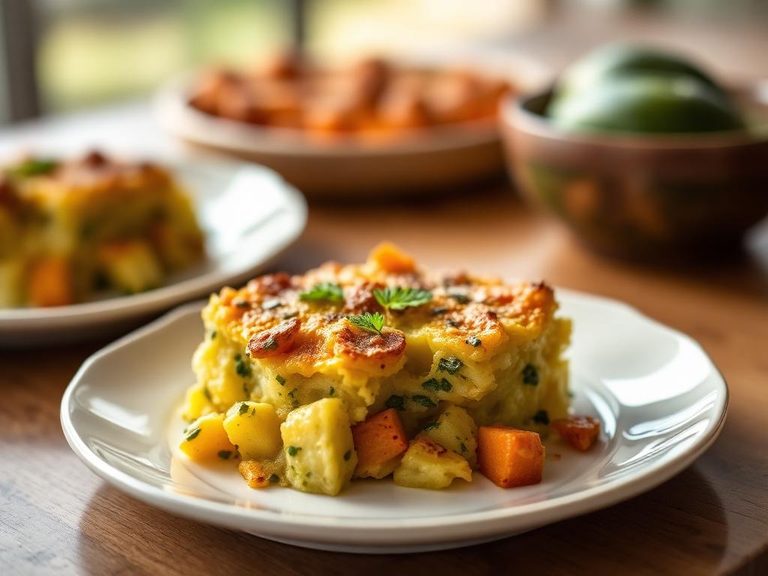
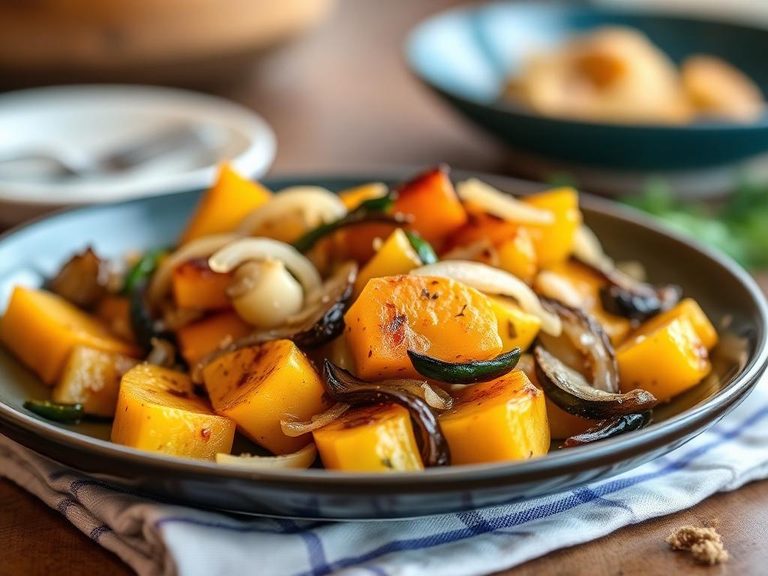
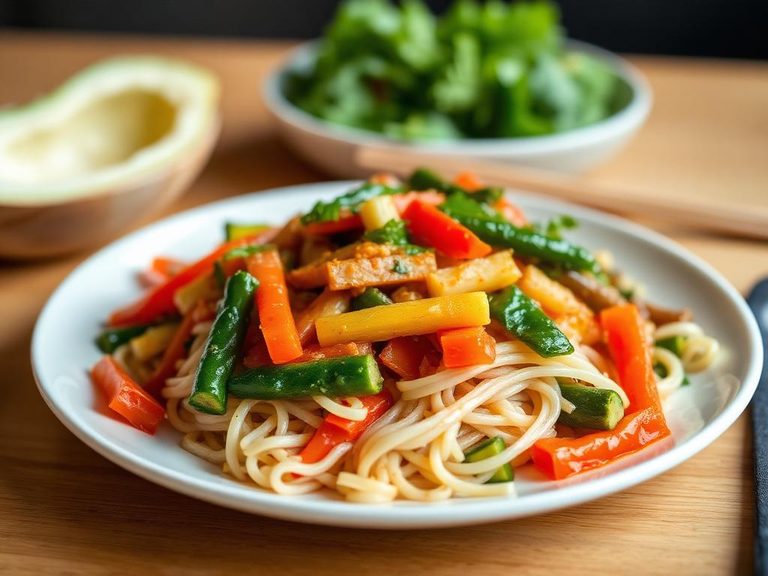
🍽️ Popular dishes

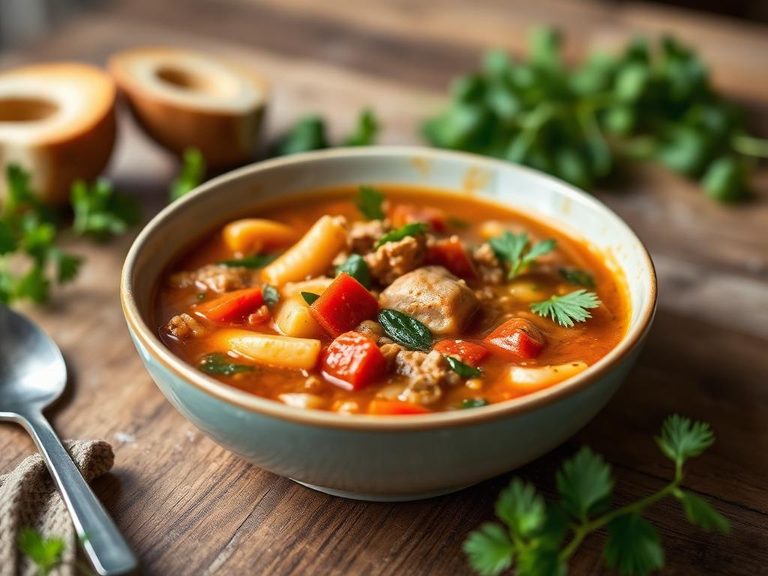
🌍 Where it's eaten
💡 Did you know?
The term 'summer squash' refers to varieties harvested in their immature state, when the rind is still tender and edible—unlike winter squash, which is cured and stored with a hard shell.
Full nutrition (USDA data · scales with serving)
| Water | 93.7 g |
| Energy | 20.0 kcal |
| Energy | 84.0 kj |
| Protein | 0.91 g |
| Total lipid (fat) | 0.31 g |
| Ash | 0.77 g |
| Carbohydrate, by difference | 4.3 g |
| Fiber, total dietary | 1.4 g |
| Total Sugars | 2.6 g |
| Calcium, Ca | 27.0 mg |
| Iron, Fe | 0.36 mg |
| Magnesium, Mg | 24.0 mg |
| Phosphorus, P | 39.0 mg |
| Potassium, K | 192 mg |
| Sodium, Na | 237 mg |
| Zinc, Zn | 0.39 mg |
| Copper, Cu | 0.10 mg |
| Manganese, Mn | 0.21 mg |
| Selenium, Se | 0.20 ug |
| Vitamin C, total ascorbic acid | 5.5 mg |
| Thiamin | 0.04 mg |
| Riboflavin | 0.04 mg |
| Niacin | 0.51 mg |
| Pantothenic acid | 0.14 mg |
| Vitamin B-6 | 0.07 mg |
| Folate, total | 20.0 ug |
| Folic acid | 0.00 ug |
| Folate, food | 20.0 ug |
| Folate, DFE | 20.0 ug |
| Choline, total | 7.9 mg |
| Vitamin B-12 | 0.00 ug |
| Vitamin B-12, added | 0.00 ug |
| Vitamin A, RAE | 11.0 ug |
| Retinol | 0.00 ug |
| Carotene, beta | 127 ug |
| Carotene, alpha | 0.00 ug |
| Cryptoxanthin, beta | 0.00 ug |
| Vitamin A, IU | 212 iu |
| Lycopene | 0.00 ug |
| Lutein + zeaxanthin | 2249 ug |
| Vitamin E (alpha-tocopherol) | 0.14 mg |
| Vitamin E, added | 0.00 mg |
| Vitamin D (D2 + D3), International Units | 0.00 iu |
| Vitamin D (D2 + D3) | 0.00 ug |
| Vitamin K (phylloquinone) | 3.5 ug |
| Caffeine | 0.00 mg |
| Theobromine | 0.00 mg |
Fat & fatty acid profile (per 100g)
| Fatty acids, total saturated | 0.06 g |
| SFA 12:0 | 0.00 g |
| SFA 14:0 | 0.00 g |
| SFA 16:0 | 0.06 g |
| SFA 18:0 | 0.01 g |
| Fatty acids, total monounsaturated | 0.02 g |
| MUFA 16:1 | 0.00 g |
| MUFA 18:1 | 0.02 g |
| Fatty acids, total polyunsaturated | 0.13 g |
| PUFA 18:2 | 0.05 g |
| PUFA 18:3 | 0.08 g |
| Fatty acids, total trans | 0.00 g |
| Cholesterol | 0.00 mg |
Amino acid profile (per 100g)
| Tryptophan | 0.01 g |
| Threonine | 0.02 g |
| Isoleucine | 0.03 g |
| Leucine | 0.05 g |
| Lysine | 0.05 g |
| Methionine | 0.01 g |
| Cystine | 0.01 g |
| Phenylalanine | 0.03 g |
| Tyrosine | 0.02 g |
| Valine | 0.04 g |
| Arginine | 0.04 g |
| Histidine | 0.02 g |
| Alanine | 0.05 g |
| Aspartic acid | 0.11 g |
| Glutamic acid | 0.10 g |
| Glycine | 0.03 g |
| Proline | 0.03 g |
| Serine | 0.04 g |
FAQ
Is boiled summer squash nutritious?
Yes, it's a low-calorie source of vitamins like C and B6, minerals like manganese and potassium, and provides some fiber. Boiling can cause some water-soluble vitamin loss, but it remains a healthy choice.
How do I prevent it from getting mushy?
Cook it in a single layer in boiling salted water for just 3-5 minutes until tender-crisp, then immediately drain and shock in ice water or sauté to stop the cooking process.
Can I eat the skin?
Absolutely. The skin of summer squash is thin, tender, and edible, and it contains a good portion of the fiber and nutrients. Just wash it well before cooking.
Nutrient density (calculated · NRF9.3)
Nutrient Rich Foods index: beneficial nutrients (protein, fiber, vitamins, minerals) minus saturated fat, added sugar & sodium, per 100 kcal.
NRF9.3 index — Fulgoni, Keast & Drewnowski, 2009. Computed from USDA nutrients.
Weight-loss friendliness (composite index)
Energy density 0.20 kcal/g · 18% calories from protein · 1.4 g fiber · 2.6 g sugar per 100 g.
Composite of energy density (Rolls et al., 1999), protein & fiber satiety, minus sugar. A calculated heuristic — ranks satiety-per-calorie, not a clinical measure.
Dietary load (calculated from USDA values)
Potential renal acid load. Positive = acid-forming, negative = alkaline-forming.
Sodium-to-potassium ratio: 1.23 (lower is better — aim for ≤ 1)
Sodium:potassium per WHO potassium guidance. Computed from USDA nutrients.